
Industrial Lubrication Oil Purifier for Filtration & Dehydration
Lubrication plays a vital role in the smooth running of marine machinery and factory machines by overcoming and reducing heat, neutralizing acid combustion by-products, lessening friction, preventing scuffing, and thereby combating wear and tear between two running surfaces.
YUNENG, a seasoned leader in advanced oil purification solutions, understands the pivotal role of lubrication in maintaining the seamless operation of marine machinery and industrial equipment. Effective lubrication is instrumental in dissipating heat, neutralizing acidic combustion by-products, minimizing friction, preventing scuffing, and ultimately mitigating wear and tear between moving components. With a rich history of expertise, YUNENG offers a diverse range of cutting-edge lubrication oil purifiers to cater to your specific needs.
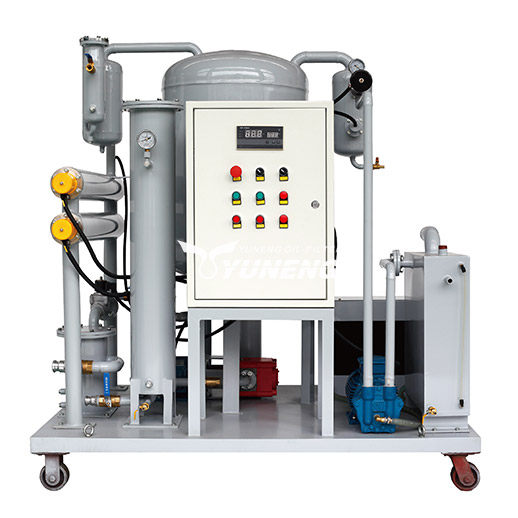
Explore Our Lubrication Oil Purifier Ranges
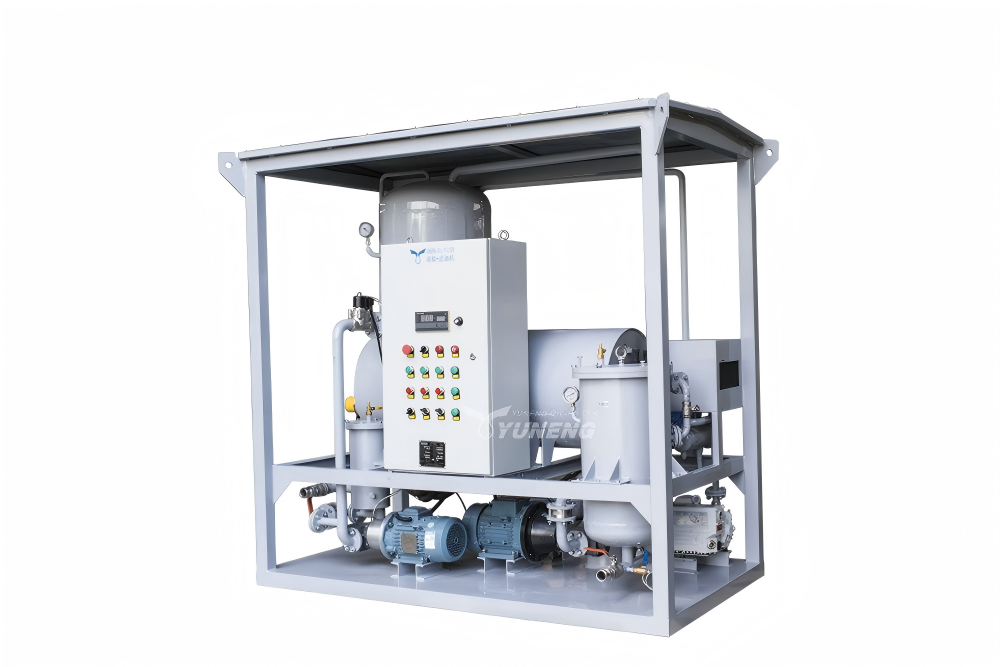
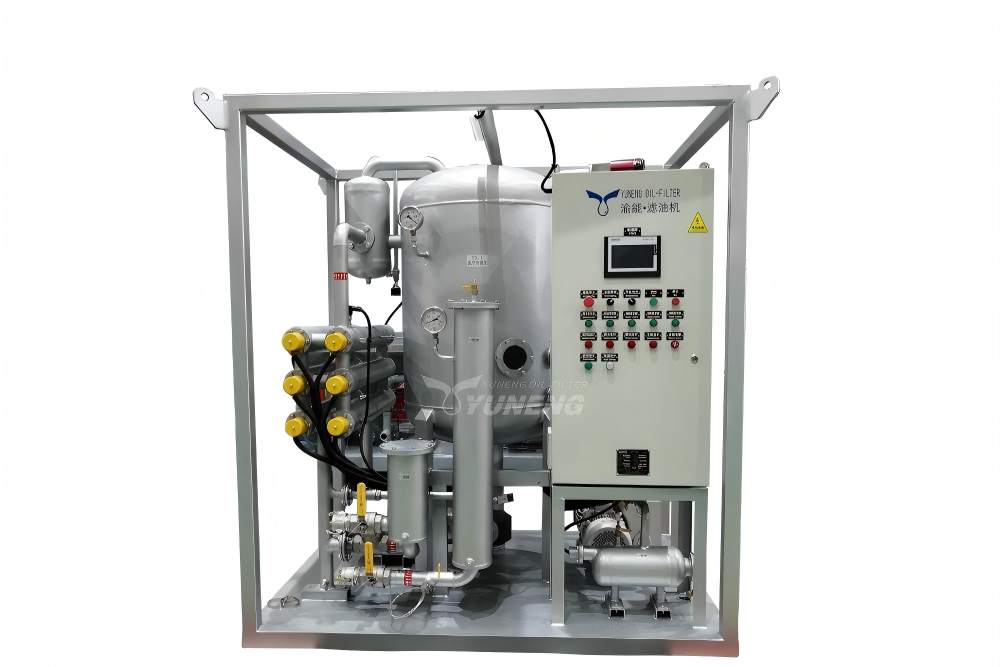
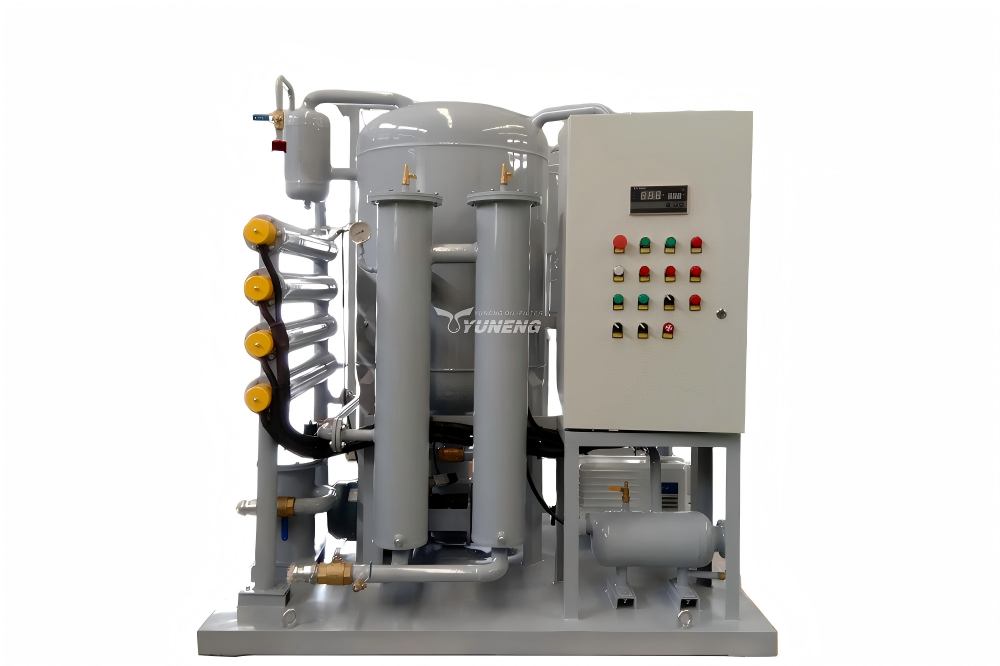
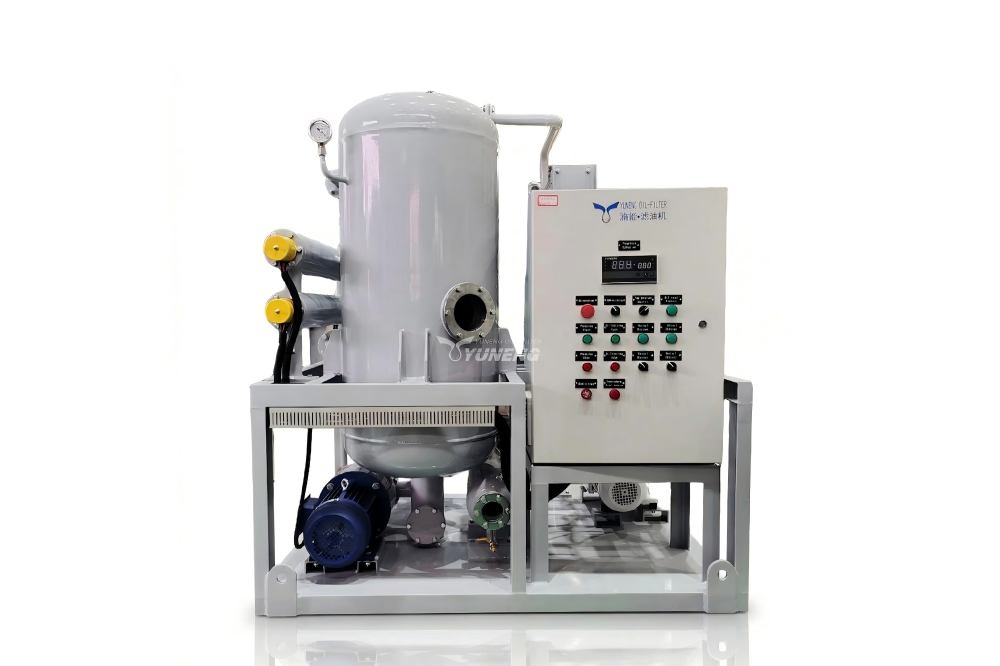
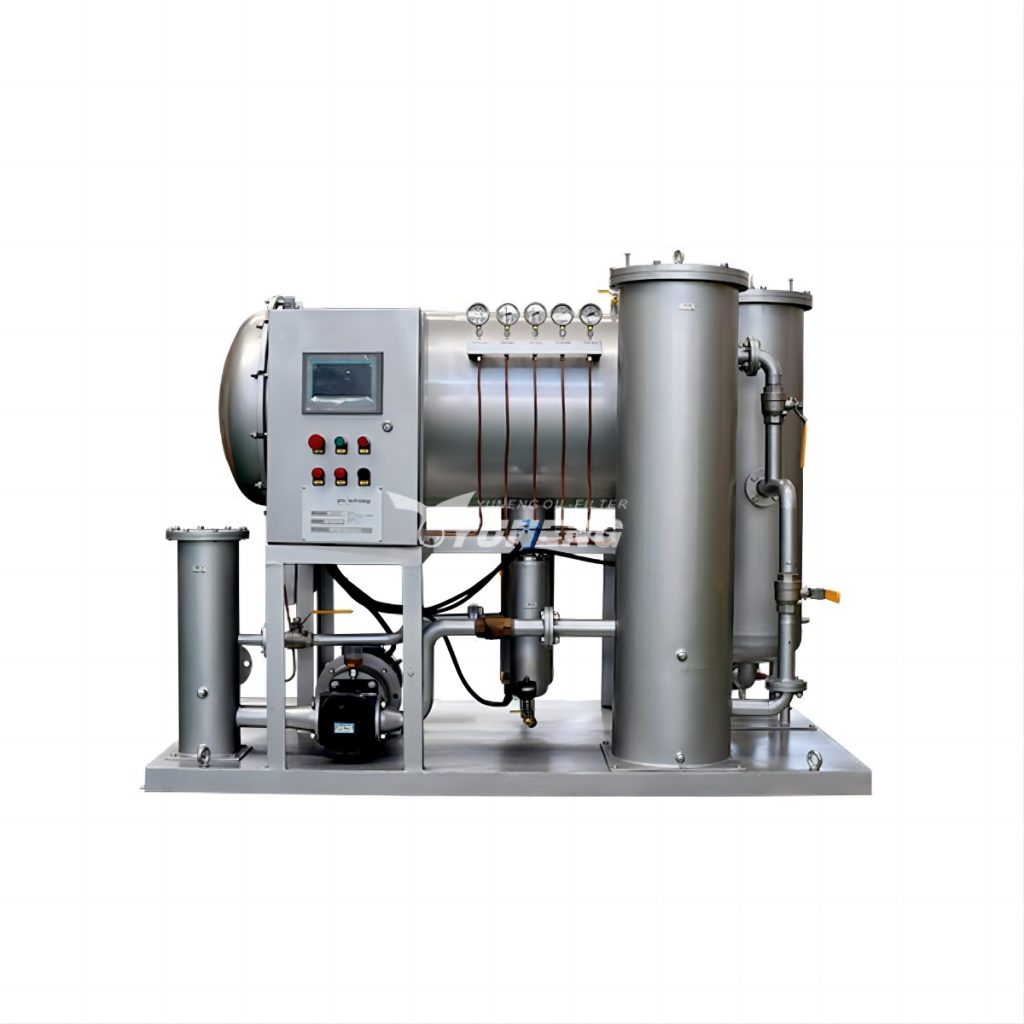
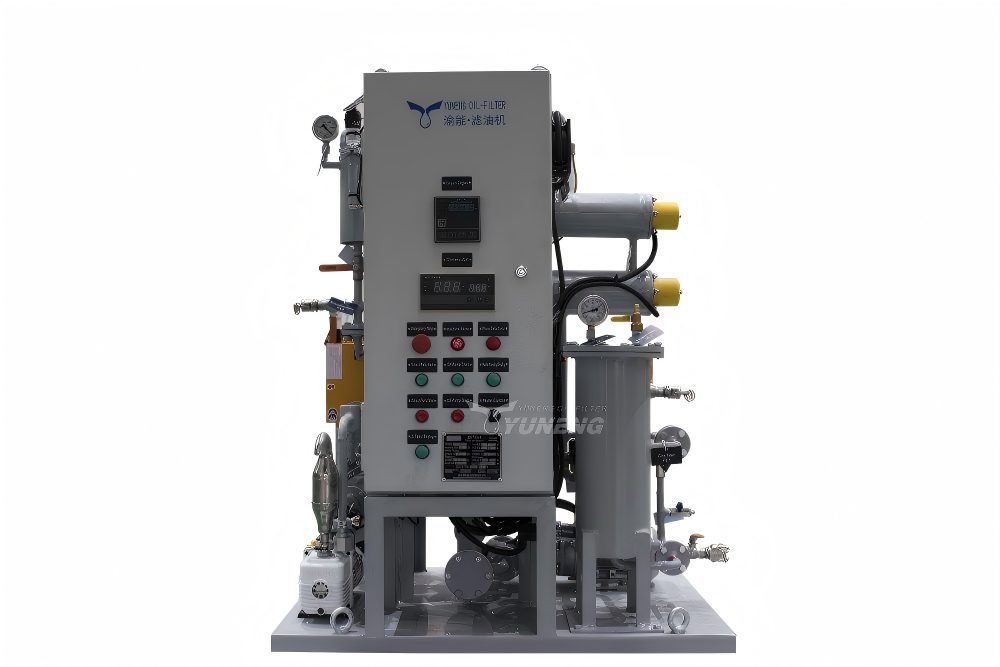
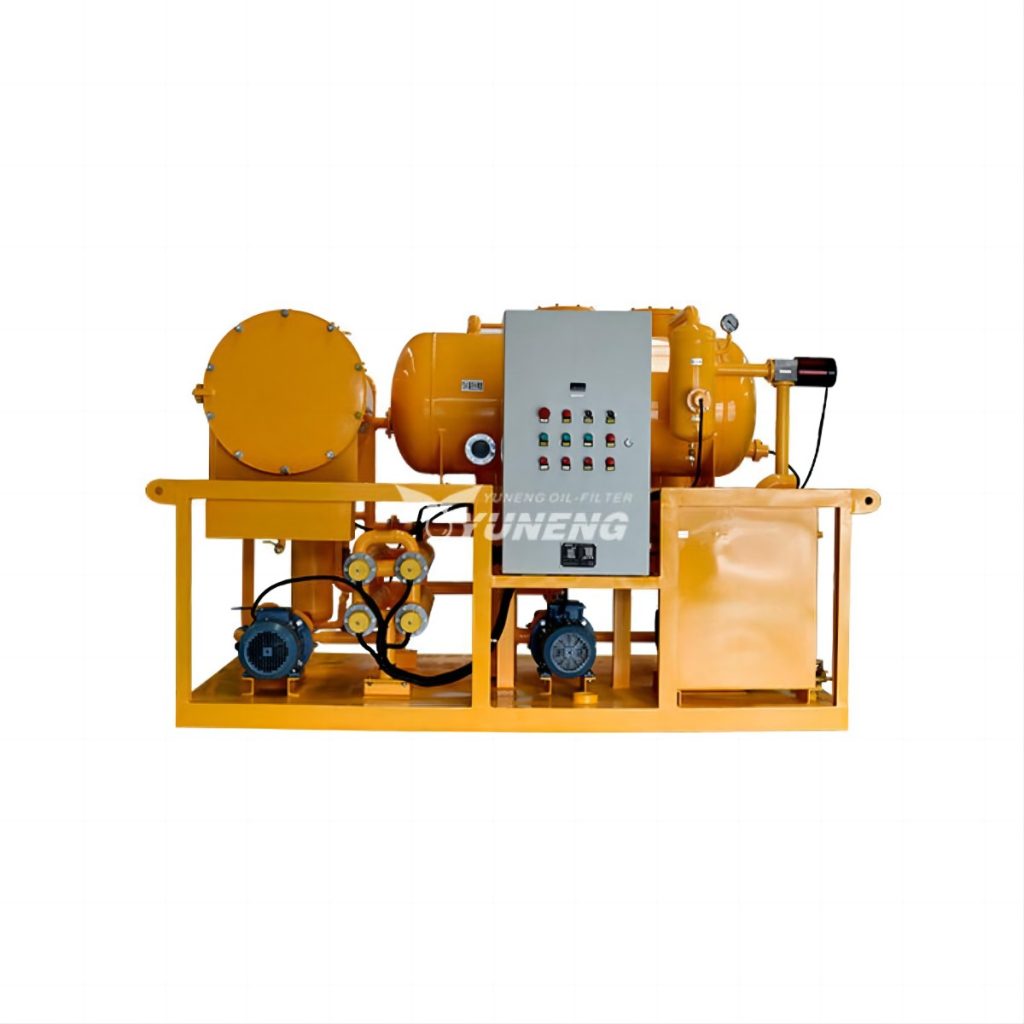
What Contaminants Can a Lube Oil Purifier Remove?
Lubricating oil can become contaminated by water, solid particles, sludge and other unwanted substances during storage and equipment operation. A lube oil purifier is designed to reduce these contaminants and help maintain the cleanliness and service condition of the oil.
Water and Moisture
Free water and moisture can enter lubricating oil through condensation, leakage, improper storage or equipment operation. Excess water can reduce lubrication performance and contribute to corrosion and oil degradation. A suitable purification system can separate water from the oil and discharge it from the treatment system.
Emulsified Water
Small water droplets can become dispersed throughout the oil and form a stable oil-water mixture. These droplets are more difficult to remove through conventional filtration alone. Coalescing technology can combine smaller water droplets into larger droplets, making separation more effective.
Solid Particles
Dust, metal wear particles, rust and other solid contaminants can enter lubrication systems during operation. Fine filtration helps reduce these particles and maintain the required oil cleanliness for industrial equipment.
Sludge and Deposits
Oil oxidation, aging and contamination can contribute to sludge and deposits. Removing suspended and particulate contaminants helps reduce the accumulation of unwanted material in oil circulation systems.
Air and Other Entrained Contaminants
Air and other unwanted substances may enter oil during circulation and mechanical operation. The appropriate purification configuration should be selected according to the oil type, contamination condition and equipment requirements.
The actual contaminants that can be removed depend on the oil characteristics, contamination level, filtration configuration and operating conditions. A technical assessment is recommended when the oil contains severe emulsification, high viscosity or complex contamination.
How Does a Lubrication Oil Purifier Work?
A lubrication oil purifier combines filtration and separation technologies to reduce contaminants from lubricating oil. The exact configuration depends on the oil type and purification requirements.
1. Oil Inlet and Pre-Filtration
Contaminated lubricating oil enters the purification system and passes through the initial filtration stage. Larger particles and mechanical impurities are removed first, helping protect the downstream filter elements.
2. Fine Particle Filtration
The oil then passes through finer filtration media to reduce smaller solid particles. Multi-stage filtration can improve oil cleanliness while extending the service life of the finer filter elements.
3. Water Coalescence
For systems equipped with coalescing dehydration technology, small water droplets are captured and combined into larger droplets. The coalescing process makes the water easier to separate from the oil.
4. Water Separation
Larger water droplets settle under gravity and are separated from the oil. A separation filter can further prevent separated water from returning to the clean-oil side.
5. Automatic Water Discharge
Depending on the purifier configuration, the separated water can be collected and discharged through the water drainage system. JT Series equipment uses an oil/water interface detector to monitor the water level and automatically discharge collected water.
6. Clean Oil Outlet
After the required purification stages, the treated oil leaves the system through the clean-oil outlet. The purified oil can then be returned to the equipment or oil circulation system according to the application.
For JT Series equipment, the published purification principle is based on particle filtration, coalescence, separation and drainage.
Lubrication Oil Purification Process
A typical lubrication oil purification process follows a controlled sequence to reduce solid and water contamination without unnecessarily replacing usable oil.
- Step 1: Contaminated Oil Intake: Lubricating oil is transferred from the equipment, storage tank or oil circulation system into the purifier.
- Step 2: Pre-Filtration: The first filtration stage removes larger particles and protects the subsequent purification components.
- Step 3: Fine Filtration: Fine filter elements reduce smaller particulate contaminants and help improve the cleanliness of the treated oil.
- Step 4: Water Coalescence: When a coalescing dehydration system is used, dispersed water droplets are collected and combined into larger droplets.
- Step 5: Water Separation: The larger water droplets are separated from the oil and collected in the water chamber or sump.
- Step 6: Clean Oil Return: The treated oil exits the purifier and can be returned to the lubrication system or storage tank.
The required purification process varies according to oil viscosity, water content, particle contamination, required cleanliness and treatment capacity. Therefore, the final equipment configuration should be selected according to actual oil analysis and operating conditions.
Industrial Applications of Lubrication Oil Purifiers
Lubrication oil purifiers are used in industrial systems where oil cleanliness and moisture control are important for reliable equipment operation. Typical applications include power generation, manufacturing, marine equipment and heavy industry.
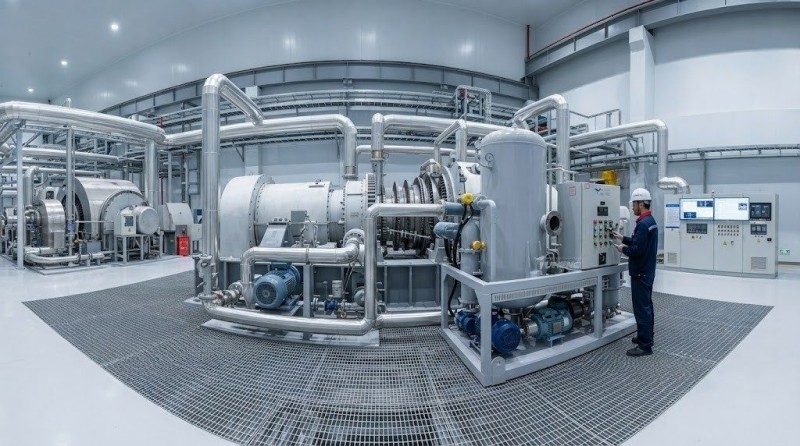
Power Generation
Purify turbine and lubricating oils by reducing water and particulate contamination, helping maintain oil cleanliness and support reliable operation of turbines and associated equipment.
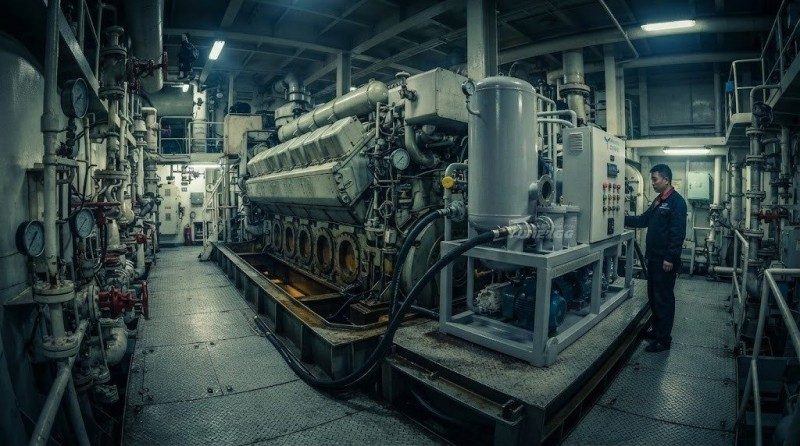
Marine Equipment
Treat lubricating oils used in marine engines and auxiliary machinery, helping control moisture and solid contaminants under demanding marine operating conditions.
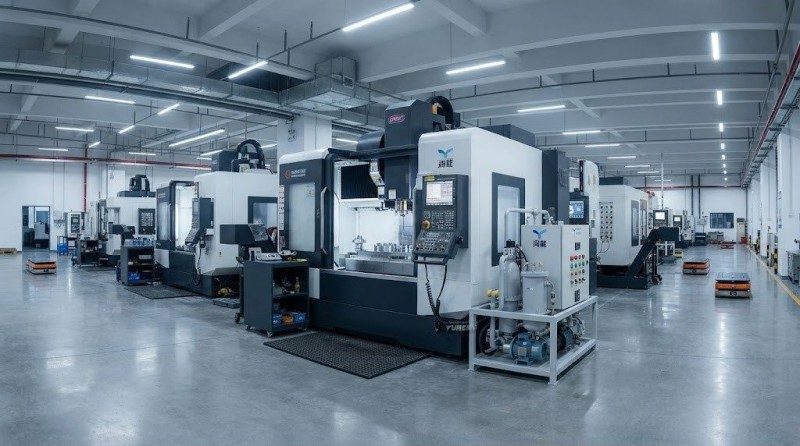
Manufacturing Plants
Support clean lubrication systems for gearboxes, compressors, hydraulic equipment and production machinery by reducing particles, moisture and other physical contaminants.
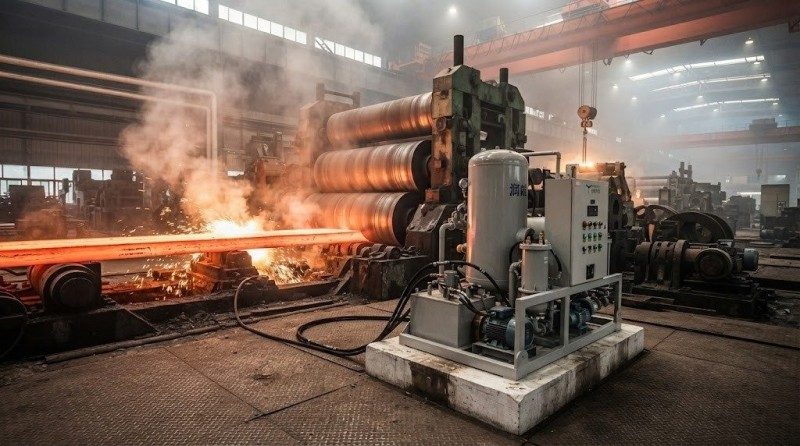
Steel and Metallurgy
Help maintain lubrication and hydraulic oils used in heavy-duty machinery by controlling particulate contamination and moisture generated during high-load industrial operations.
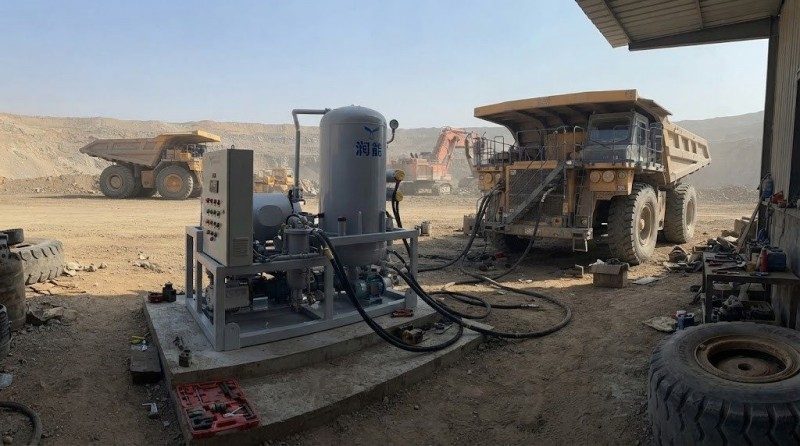
Mining Equipment
Reduce dust, water and wear particles in lubricating oils used by mining machinery, supporting cleaner oil circulation and more reliable equipment maintenance.
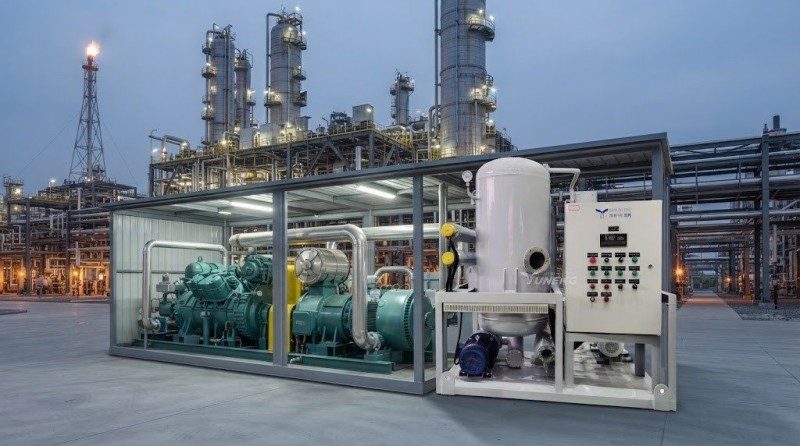
Petrochemical Industry
Purify lubricating oils used in compressors, pumps, gearboxes and rotating equipment to help control contamination and maintain suitable oil operating conditions.
How to Choose the Right Lubrication Oil Purifier?
Selecting a lube oil purifier based only on flow rate can lead to an unsuitable configuration. A better approach is to evaluate the oil, contamination and operating requirements together.
- Identify the Lubricating Oil Type: First determine whether the application uses turbine oil, hydraulic oil, gear oil, compressor oil, circulating oil or another lubricant.
- Check Oil Viscosity: Oil viscosity affects filtration and separation performance. Higher-viscosity oils may require a different treatment configuration or operating temperature.
- Identify the Main Contaminants: Determine whether the main problem is free water, emulsified water, solid particles, sludge or a combination of contaminants. Oil analysis can help identify the appropriate purification technology.
- Determine Required Flow Rate: The purifier capacity should match the volume of oil that needs to be treated and the available maintenance time. Common capacity requirements range from smaller workshop systems to high-capacity industrial oil treatment.
- Define the Required Oil Cleanliness: If the equipment has strict cleanliness requirements, filtration accuracy and the target cleanliness level should be specified before selecting the purifier.
- Consider Water Removal Requirements: If water contamination is a major concern, a purifier with an appropriate dehydration and water-separation system should be considered rather than relying only on particle filtration.
- Decide Between Mobile and Fixed Installation: A mobile purifier can be moved between oil tanks or machines, while a fixed system may be more suitable for continuous or dedicated oil treatment.
- Consider Operating Conditions: Power supply, inlet and outlet pipe size, oil temperature, installation space and operating environment should be considered during equipment selection.
- Request a Customized Configuration: For a more accurate recommendation, provide the oil type, viscosity, oil volume, contamination condition, required flow rate and desired purification performance. YUNENG can then recommend a suitable configuration based on the application requirements.
Looking for a Customized Lube Oil Purification System?
We can configure the purifier according to your oil type, flow rate, contamination and installation requirements.
Lubrication Oil Purifier Capacity Comparison
YUNENG offers lubrication oil purification equipment in different capacity ranges to accommodate different oil volumes and industrial applications.
| Purifier Capacity | Typical Requirement | Selection Consideration |
| 1,800 LPH | Small to medium oil systems | Suitable when the required treatment volume is relatively limited |
| 3,000 LPH | General industrial oil treatment | Suitable for routine purification of medium-volume oil systems |
| 6,000 LPH | Medium to large oil systems | Suitable when higher treatment capacity is required |
| 9,000 LPH | Large industrial oil systems | Suitable for applications requiring faster oil circulation and treatment |
| 12,000 LPH | High-volume oil treatment | Suitable for large-scale industrial oil purification requirements |
For the JT Series, available models are JT-50, JT-100, JT-150 and JT-200, with flow rates of 50, 100, 150 and 200 L/min respectively. These correspond approximately to 3,000, 6,000, 9,000 and 12,000 LPH.
How Much Capacity Do You Need?
A higher flow rate is not always the best choice. The purifier should be selected according to the oil volume and the required treatment cycle.
For example, a smaller oil system may not require a high-capacity machine, while a large industrial oil tank may benefit from a higher-flow purification system to reduce treatment time.
When selecting capacity, consider:
- Total oil volume
- Desired treatment time
- Oil viscosity
- Contamination level
- Required cleanliness
- Continuous or offline operation
- Available installation space
YUNENG can recommend the appropriate capacity after reviewing your oil type, oil volume and purification requirements.
JT Series vs ZJC Series: Which Lube Oil Purifier Do You Need?
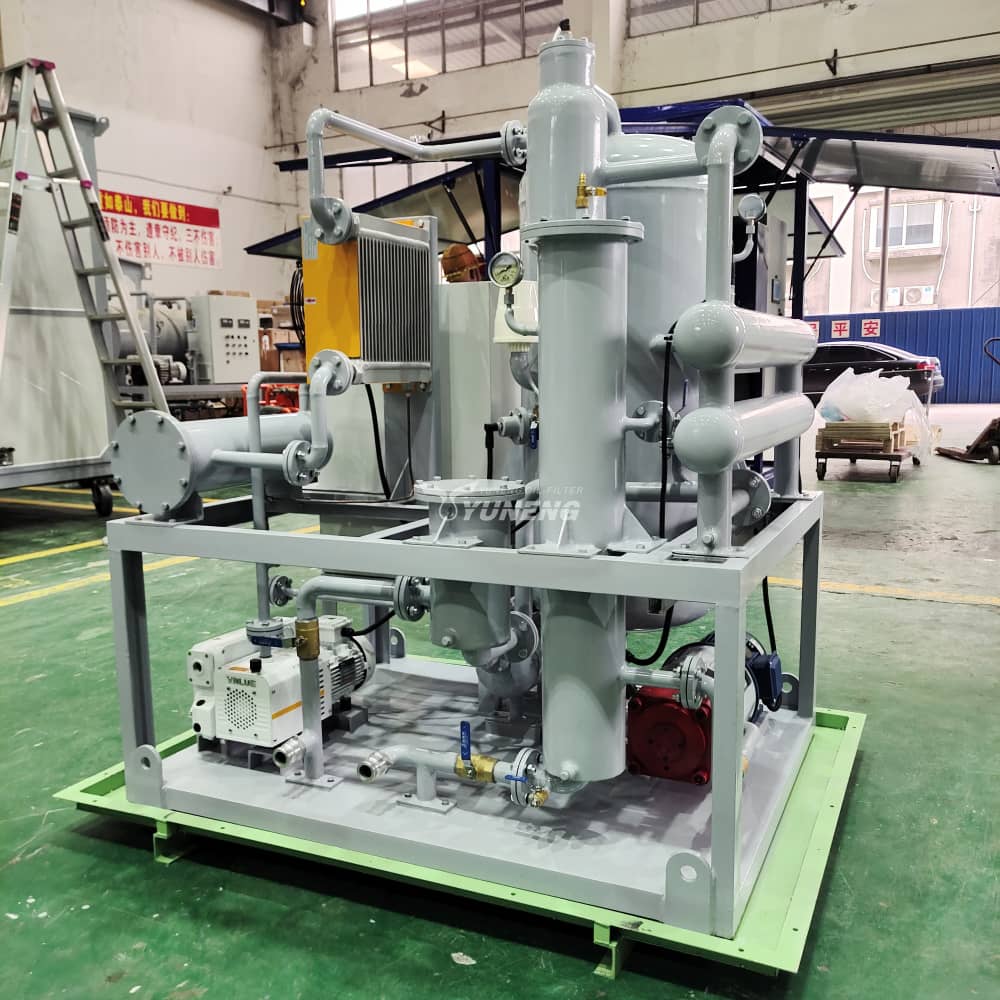
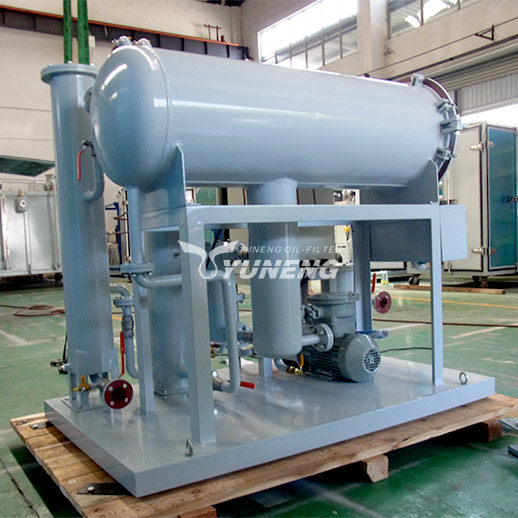
YUNENG provides different lubrication oil purification configurations for different operating requirements. JT and ZJC series equipment should be selected according to the oil condition, required purification process and treatment capacity.
| Selection Factor | JT Series | ZJC Series |
| Main Focus | Precision filtration and dehydration | Lubricating oil purification and filtration |
| Water Treatment | Coalescing and separation technology | Configuration depends on model |
| Particle Filtration | Multi-stage filtration | Model-dependent |
| Capacity Range | 50–200 L/min on published JT models | 1,800–12,000 LPH product range |
| Typical Selection | Applications requiring water separation and fine filtration | Different industrial lubrication oil treatment requirements |
| Configuration | Multiple models and treatment capacities | Multiple capacity options |
When to Choose JT Series:
- Water contamination is a major concern.
- The oil contains free or emulsified water.
- Coalescing dehydration is required.
- Fine particle filtration is also needed.
- Continuous or online purification is preferred.
When to Consider ZJC Series:
- You need different processing capacities.
- The application requires a general lubrication oil purification solution.
- The required capacity is between approximately 1,800 and 12,000 LPH.
- You want to select a model according to oil volume and treatment requirements.
The final model should be selected according to the actual oil type, viscosity, contamination and treatment requirements rather than product series alone.
What Should You Measure After Lubricating Oil Purification?
Purification performance should be evaluated through measurable oil-quality indicators rather than appearance alone. Before-and-after oil analysis can help determine whether the selected purifier is effectively addressing the contamination problem.
1. Water Content
Measure the water content before and after purification when moisture is a primary concern. This provides a more reliable indication of dehydration performance than visual inspection.
2. Particle Cleanliness
Particle counting or an applicable cleanliness standard can be used to evaluate the reduction of solid contamination. This is particularly important for equipment with sensitive lubrication systems.
For the JT Series, YUNENG publishes a target cleanliness index of ≤NAS 6 under its stated test conditions.
3. Filtration Accuracy
Filtration accuracy indicates the nominal particle size targeted by the filtration stage. JT Series equipment is published with a filtration accuracy of 3 μm.
4. Oil Appearance
Visual inspection can provide a quick indication of visible water, suspended particles or sludge. However, appearance should be used as a preliminary check rather than the only method of evaluating purification performance.
5. Viscosity
Oil viscosity should be checked when the oil has experienced long-term operation, overheating or contamination. A significant change may indicate oil aging or degradation that filtration alone cannot correct.