
Transformer Vacuum Pumping System for Vacuum Drying & Evacuation
The vacuum pumping system produced by YUNENG is widely used for installing and maintaining all kinds of large transformers, which can achieve efficient vacuum drying and vacuum pumping. The vacuum pump system has the functions of fast air extraction, low energy consumption, LCD display, and flexible movement.
YUNENG, a renowned manufacturer in the field of vacuum pumping systems, specializes in designing and producing highly versatile equipment tailored for the installation and maintenance of large transformers. Our vacuum pump systems are engineered for efficient vacuum drying and pumping, boasting rapid air extraction, energy-efficient operation, LCD display for user convenience, and a flexible, easily maneuverable design. These cutting-edge systems stand as the preferred choice for professionals across various industries.
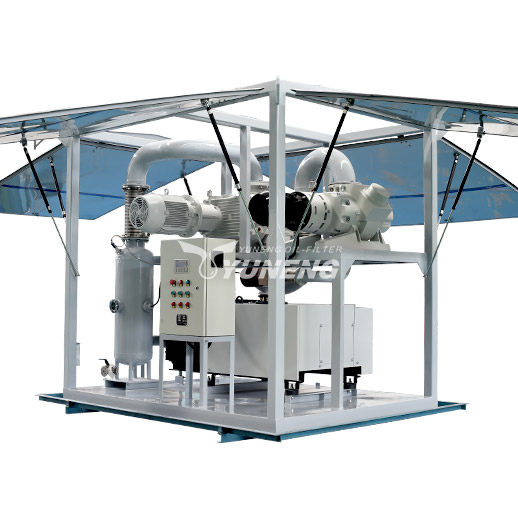
Explore Our Transformer Vacuum Pumping System Ranges
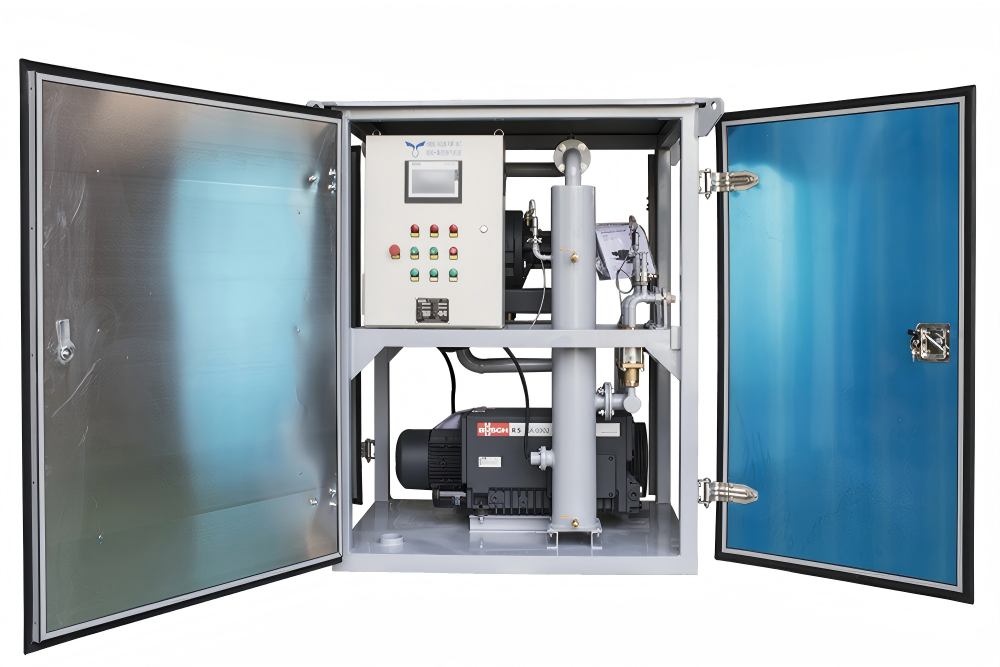
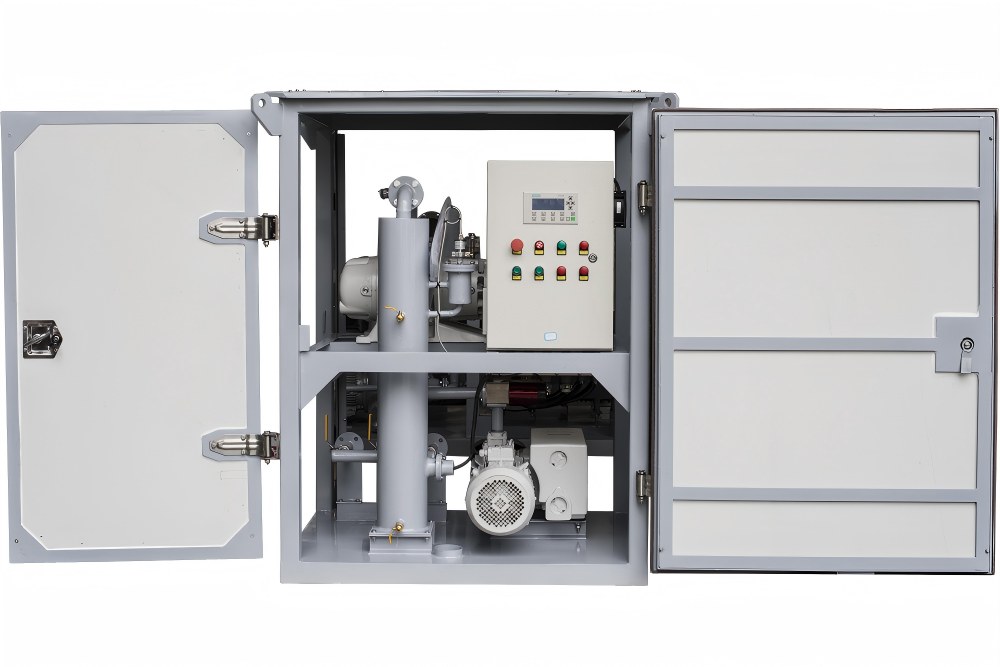
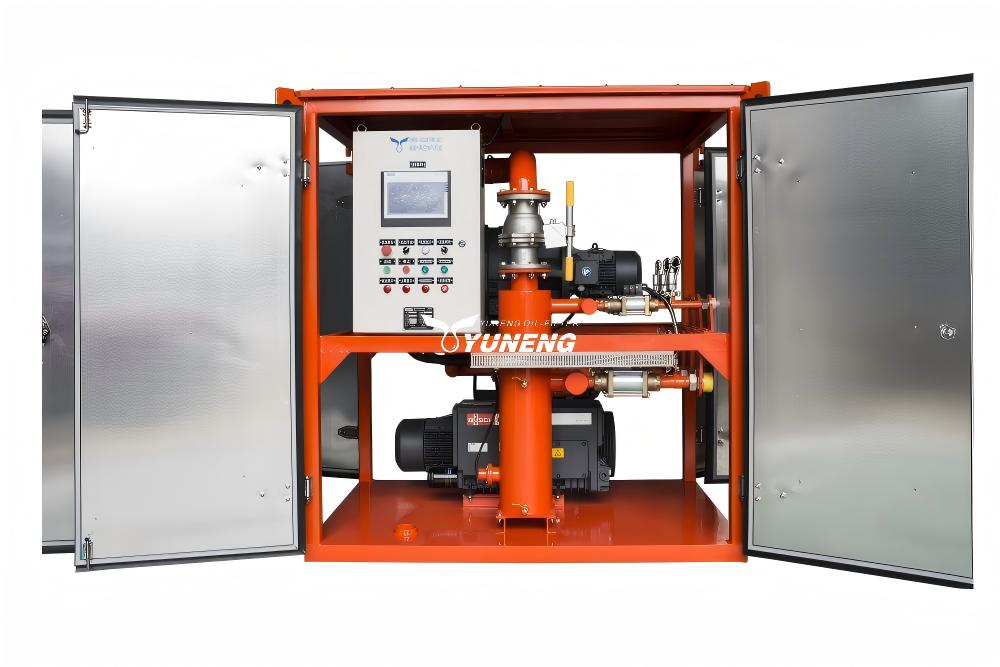
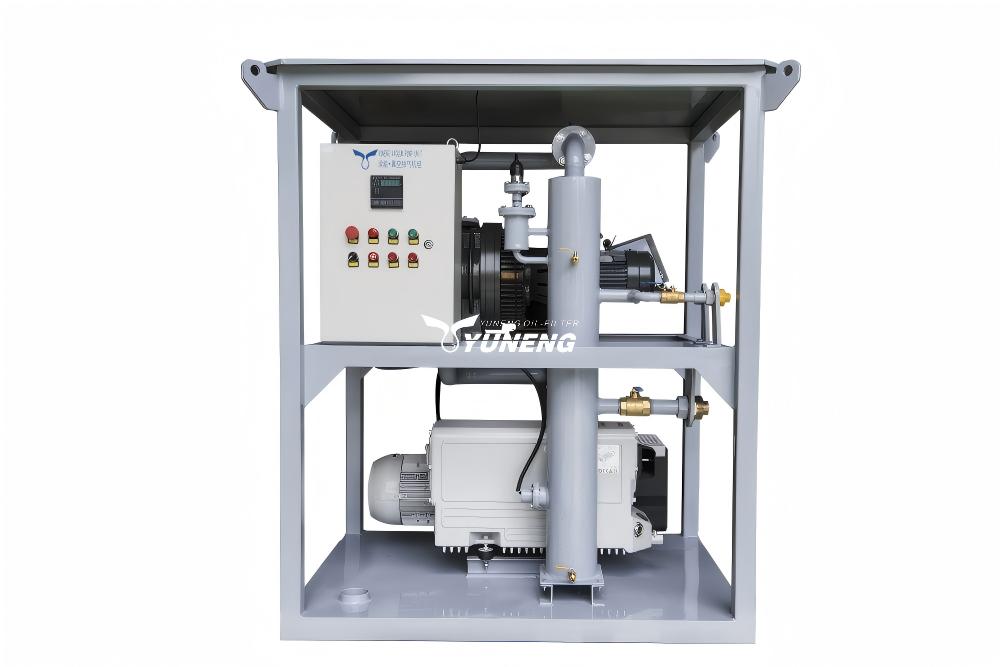
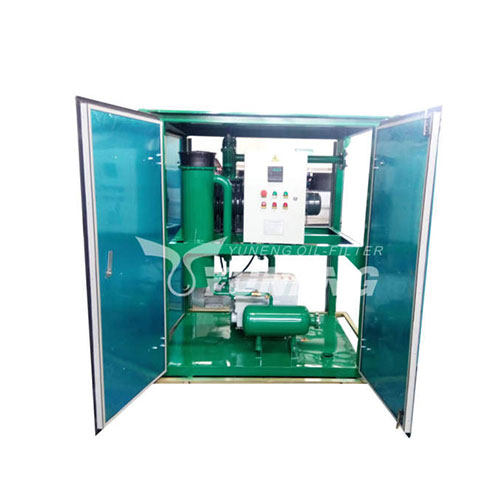
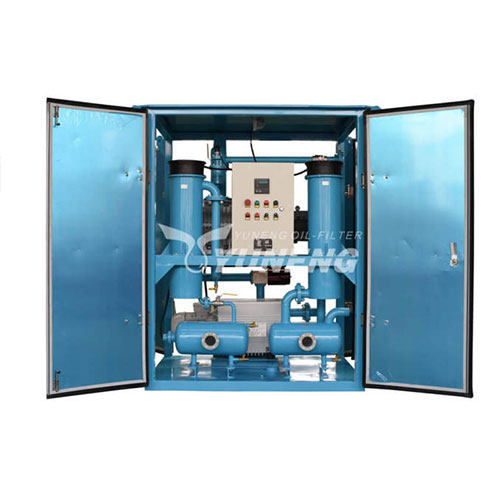
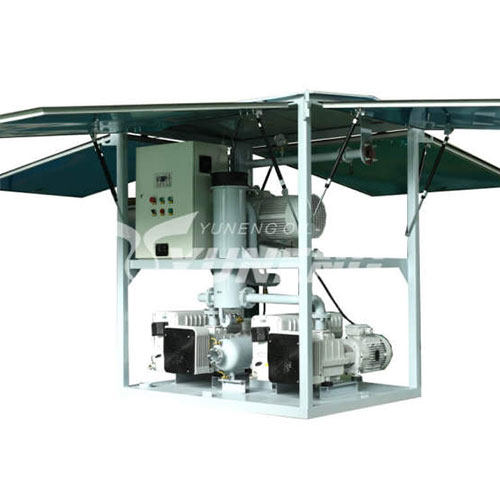
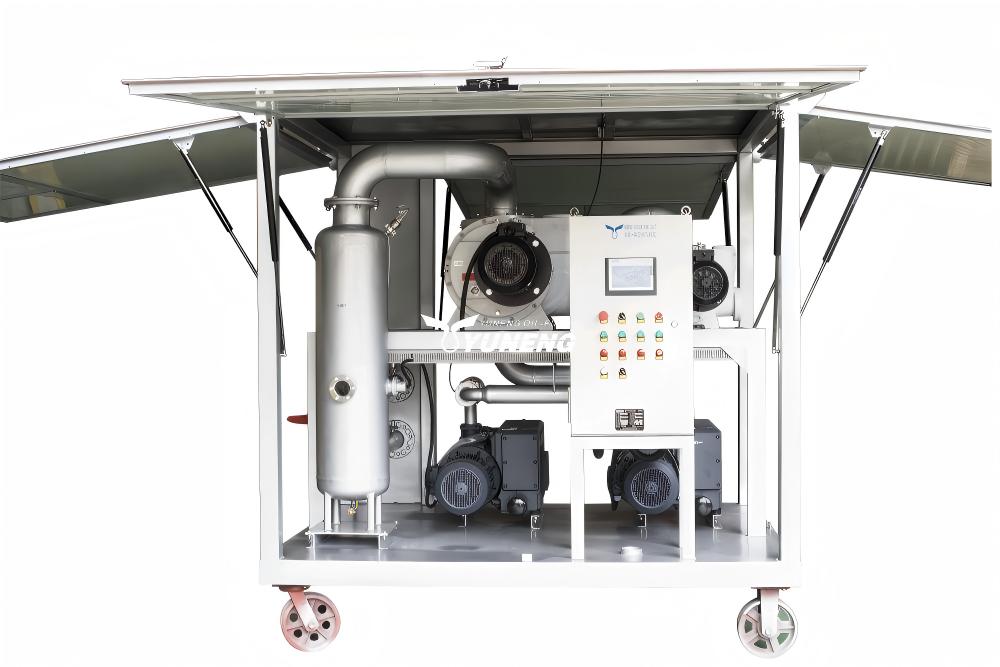
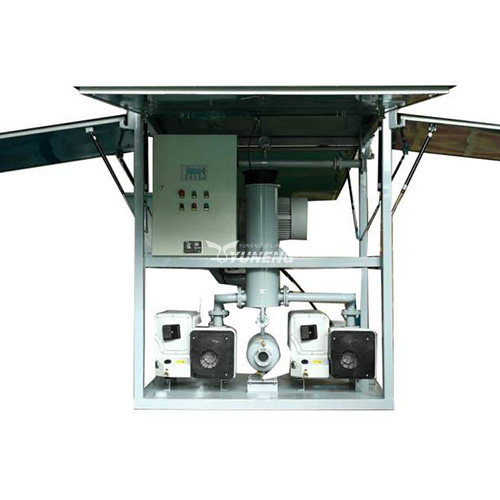
A Transformer Vacuum Pumping System is specialized equipment designed to create a high-vacuum environment inside power transformers before vacuum oil filling and commissioning. By removing moisture, air, and other gases from the transformer tank and insulation system, it helps improve dielectric performance, extends insulation life, and reduces the risk of partial discharge or insulation failure. Widely used during transformer installation, maintenance, and factory testing, these systems are suitable for 220kV, 500kV, 750kV, and 1000kV high-voltage transformers. They are commonly deployed in substations, transformer manufacturing factories, power plants, renewable energy projects, and other high-voltage electrical facilities. YUNENG Transformer Vacuum Pumping Systems combine high pumping efficiency, reliable vacuum performance, and intelligent controls to support safe, efficient transformer evacuation and preparation for long-term, reliable operation.
Why Vacuum Pumping Is Essential Before Transformer Oil Filling
Vacuum pumping is one of the most critical steps in transformer installation, manufacturing, and maintenance. Before insulating oil is injected into a transformer, the internal tank, windings, and cellulose insulation must be thoroughly evacuated to remove moisture, air, and dissolved gases. Without a proper vacuum process, contaminants can remain trapped inside the transformer, reducing insulation performance and increasing the risk of premature failure. A high-performance transformer vacuum pumping system ensures that the transformer is fully prepared for vacuum oil filling and reliable long-term operation.
Remove Air and Dissolved Gases
Residual air trapped inside a transformer can create air pockets during oil filling, preventing the insulating oil from fully penetrating the windings and insulation structure. Oxygen and other gases also accelerate oil oxidation, leading to sludge formation and faster insulation aging. A transformer vacuum pumping system removes these gases before oil filling, allowing transformer oil to completely impregnate the insulation and eliminating voids that could affect electrical performance.
Remove Moisture
Even a small amount of moisture can significantly reduce the insulating properties of transformer oil and solid insulation. Cellulose paper used around transformer windings naturally absorbs water during manufacturing, transportation, storage, or maintenance. A high-vacuum environment lowers the boiling point of water, allowing moisture to evaporate and be extracted efficiently from both the transformer tank and insulation materials. This process helps achieve the low moisture levels required for high-voltage transformers and extends transformer service life.
Protect Cellulose Insulation
Cellulose insulation is the most valuable component inside a power transformer and largely determines its service life. Moisture and oxygen accelerate the degradation of cellulose fibers, reducing their mechanical strength and dielectric performance. By creating a deep and stable vacuum before oil filling, the vacuum pumping system minimizes insulation aging, protects the paper insulation structure, and helps maintain long-term transformer reliability.
Improve Dielectric Strength
A clean, dry, and air-free transformer provides significantly higher dielectric strength than one containing moisture or trapped gases. High-voltage transformers operating at 220kV, 500kV, 750kV, and 1000kV require extremely dry insulation to withstand electrical stress and prevent partial discharge, flashover, or insulation breakdown. Proper vacuum pumping before oil filling improves oil impregnation, increases insulation integrity, and ensures the transformer meets the performance and safety requirements expected during commissioning and continuous operation.
How a Transformer Vacuum Pumping System Works
A transformer vacuum pumping system removes moisture, air, and dissolved gases from the transformer tank before insulating oil is injected. By creating a deep and stable vacuum, the system ensures that transformer oil fully penetrates the winding insulation while preventing air pockets that could reduce dielectric performance. The entire evacuation process is fully automated through a PLC control system and typically follows six key steps.
Step 1 – Connect the Vacuum Pumping System
The vacuum pumping unit is connected to the transformer through vacuum-rated pipelines and sealed valves. All connections are inspected to ensure the system is completely leak-free before evacuation begins.
Step 2 – Start the Rotary Vane Vacuum Pump
The rotary vane pump starts first to remove the majority of air inside the transformer tank. This initial evacuation rapidly lowers the internal pressure and prepares the system for deep vacuum operation.
Step 3 – Activate the Roots Booster Pump
Once the required pre-vacuum level is reached, the Roots booster pump automatically starts. Working together with the rotary vane pump, it dramatically increases pumping speed and enables the system to reach a much lower ultimate vacuum within a shorter period.
Step 4 – Achieve the Required High Vacuum
The PLC continuously monitors the vacuum level using precision vacuum gauges. During this stage, residual moisture, oxygen, and dissolved gases are extracted from the transformer tank, windings, and cellulose insulation until the specified vacuum level is achieved.
Step 5 – Perform Vacuum Oil Filling
After the target vacuum is reached, degassed transformer insulating oil is introduced into the transformer while the vacuum is maintained. Vacuum oil filling allows the oil to completely impregnate the insulation, eliminating trapped air and ensuring uniform insulation throughout the transformer.
Step 6 – Maintain Vacuum and Complete Commissioning
Following oil filling, the transformer remains under vacuum for a specified holding period to stabilize internal pressure and verify system integrity. Once all vacuum and pressure requirements are satisfied, the transformer is ready for electrical testing, commissioning, and long-term operation.
Ready to Find the Right Vacuum Pumping Solution?
Whether you’re installing a new power transformer or upgrading your maintenance equipment, YUNENG can help you choose the right vacuum pumping system for your application.
Contact our engineers today for expert recommendations, technical support, and a free quotation.
Vacuum Pumping System vs. Transformer Oil Purifier
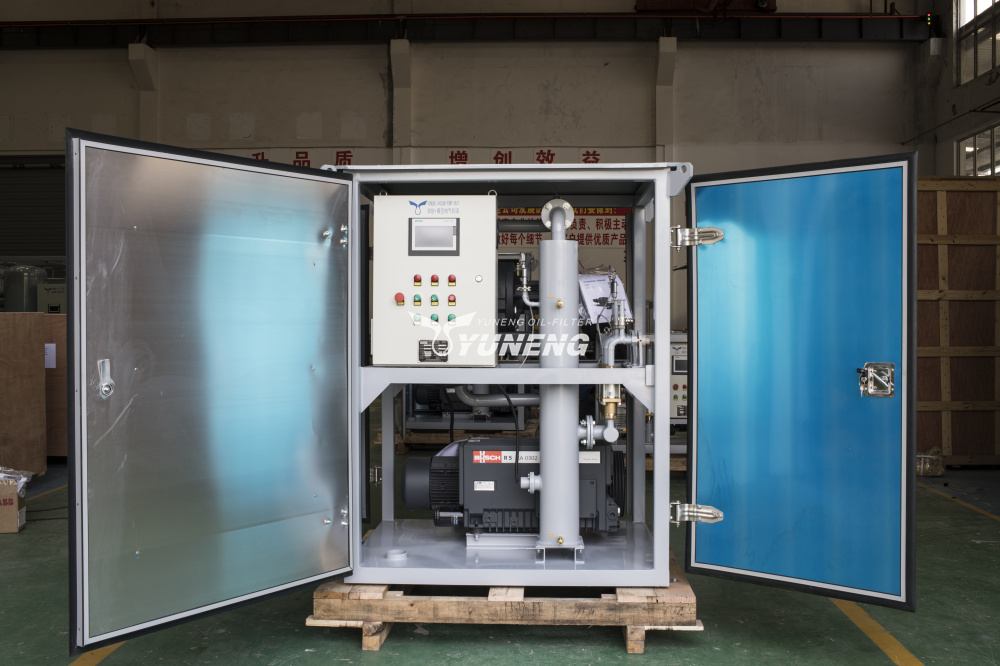
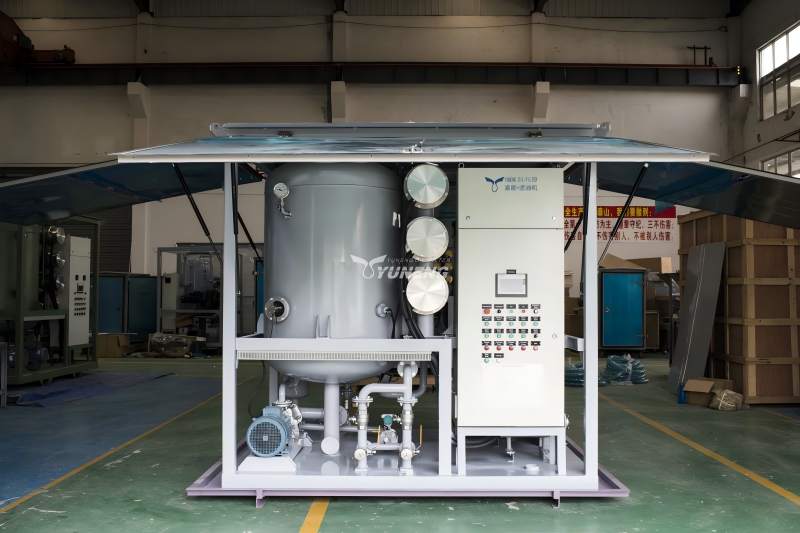
Although a Transformer Vacuum Pumping System and a Transformer Oil Purifier are both essential transformer maintenance equipment, they serve different purposes. A vacuum pumping system evacuates air, moisture, and gases from the transformer tank before oil filling or commissioning, while an oil purifier restores the quality of insulating oil by removing water, dissolved gases, and solid contaminants during operation or maintenance.
Understanding the difference between these two systems helps engineers and maintenance teams select the right equipment for each stage of a transformer’s lifecycle.
| Transformer Vacuum Pumping System | Transformer Oil Purifier |
| Removes air, moisture, and gases from the transformer tank | Removes moisture, dissolved gases, and particles from transformer oil |
| Creates a high vacuum for transformer drying | Purifies and regenerates insulating oil |
| Used before vacuum oil filling and transformer commissioning | Used during routine maintenance and transformer servicing |
| Treats the internal transformer environment | Treats the transformer insulating oil |
| Protects cellulose insulation before energization | Restores oil dielectric strength and extends oil service life |
| Commonly used for new transformer installation and major overhauls | Commonly used for preventive maintenance and in-service transformers |
Which One Do You Need?
The answer depends on your application. If you are installing a new transformer, replacing windings, or carrying out a major overhaul, a Transformer Vacuum Pumping System is required to achieve the deep vacuum necessary before vacuum oil filling. If your transformer is already in service and the insulating oil contains moisture, dissolved gases, or contaminants, a Transformer Oil Purifier is the appropriate solution to restore oil quality without replacing the oil.
Many Projects Use Both Systems Together
In transformer manufacturing plants, substations, and power plants, these two systems are often used together to achieve the best maintenance results. The vacuum pumping system first evacuates the transformer tank and insulation, creating the required high vacuum. Degassed and purified transformer oil is then processed by the Transformer Oil Purifier before being injected under vacuum. For projects requiring exceptionally dry insulation, a Dry Air Generator can also be used after maintenance to supply clean, low-dew-point dry air, preventing moisture from re-entering the transformer during assembly or shutdown.
Technical Standards and Compliance
YUNENG Transformer Vacuum Pumping Systems are designed to support transformer manufacturing, installation, commissioning, and maintenance in accordance with internationally recognized industry standards. The following standards are commonly referenced for transformer vacuum drying, oil filling, quality management, and equipment safety.
Transformer Vacuum Pumping Systems – Standards Compliance
| Standard | Standard Title & Scope | Specific Technical Requirements & Parameters | Application to Vacuum Systems |
| IEC 60076 | Power Transformers (Parts 1–22) | Defines general requirements, insulation levels, dielectric tests, and temperature rise limits. Specifies permissible moisture limits in solid insulation (< 0.5%) and oil (< 10 ppm). | Governs the allowable residual moisture and vacuum drying endpoints required to meet transformer dielectric design criteria. |
| IEC 60422 | Mineral insulating oils in electrical equipment – Supervision and maintenance | Provides guidelines for handling, conditioning, and testing of insulating liquids. Sets maximum allowable water content limits in service (≤ 3 to 30 ppm depending on voltage class) and breakdown voltage thresholds. | Directs vacuum system oil-degassing and dehydration performance parameters during transformer oil processing and maintenance. |
| IEEE C57 | IEEE Power and Distribution Transformer Standards (e.g., C57.12.00, C57.637) | Establishes North American standards for liquid-immersed transformers, guide for reclamation of mineral insulating oil, and vacuum-degassing procedures. Recommends vacuum levels of < 1 Torr (133 Pa) or lower during processing. | Ensures compliance with North American utility practices, system pressure metrics, leak-rate testing (< 0.1%/hour of test volume), and safety margins. |
| ISO 9001 | Quality Management Systems – Requirements | Mandates a robust quality management framework covering design, manufacturing, factory acceptance testing (FAT), calibration control, and traceability of components. | Ensures consistency, reliability, and precision calibration of vacuum gauges, sensors, pumps, and valves used in the pumping system. |
| CE Mark | European Conformity Directives (Machinery, EMC, LVD) | Compliance with Machinery Directive (2006/42/EC), Low Voltage Directive (2014/35/EU), and Electromagnetic Compatibility Directive (2014/30/EU). Mandates fail-safe interlocks, emergency stops, and IP protection ratings (≥ IP54). | Mandatory certification for commercial deployment in the European Economic Area, guaranteeing electrical safety, mechanical safety, and EMC immunity. |
Transformer Vacuum Pumping Systems – Engineering Specifications
| Parameter Category | Engineering Specification / Limit | Testing & Verification Method |
| Ultimate Vacuum Pressure | P ≤ 1 Pa (with Roots-Rotary Piston/Screw combination) | Pirani vacuum meter measured at cold trap inlet. |
| Pumping Speed | Nominal displacement rate matching transformer volume (e.g., 250 m³/h to 4000 m³/h) | Volumetric flow rate test per PNEUROP / ISO standards. |
| Electrical & Control | PLC-controlled automation (Siemens, HMI touch screen, automatic pressure regulation, phase failure protection | Functional loop testing, insulation resistance test (≥ 20 MΩ), high-voltage withstand test (2.5 kV, 1 min). |