
Vacuum Transformer Oil Purifier for Dehydration, Degassing & Filtration
Chongqing YUNENG Oil-Filter Manufacturing Co., Ltd. specializes in advanced vacuum transformer oil purifiers for utilities, substations, transformer manufacturers, power plants, renewable energy projects, and industrial facilities worldwide. Our systems combine high-vacuum dehydration, efficient degassing, and multi-stage precision filtration to remove free water, dissolved moisture, gases, and fine particles, helping maintain transformer oil quality and ensure reliable equipment performance.
With over 29 years of manufacturing experience, YUNENG operates a 14,500 m² facility with integrated engineering, production, and testing capabilities. More than 15,000 transformer oil filtration systems have been supplied to customers in over 80 countries and regions. Our portfolio includes transformer oil purifiers, regeneration machines, portable filtration units, dry air generators, and oil testing equipment for comprehensive transformer maintenance.
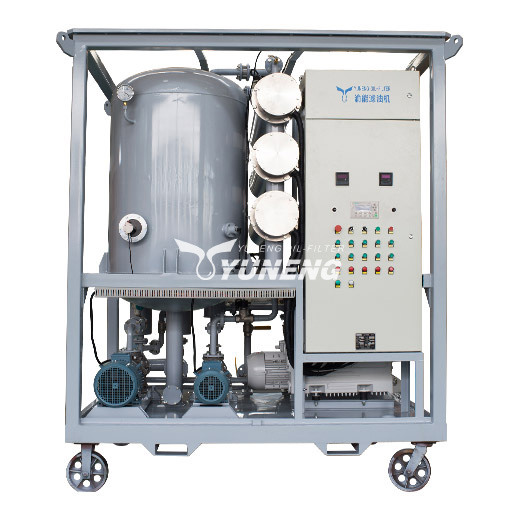
Explore Our Transformer Oil Purifier Ranges
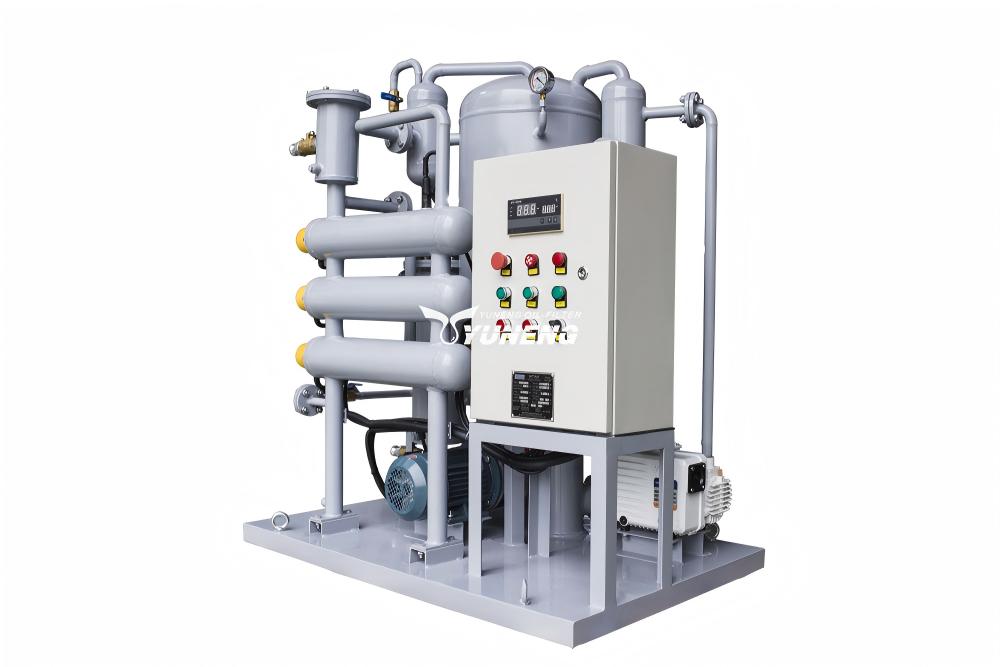
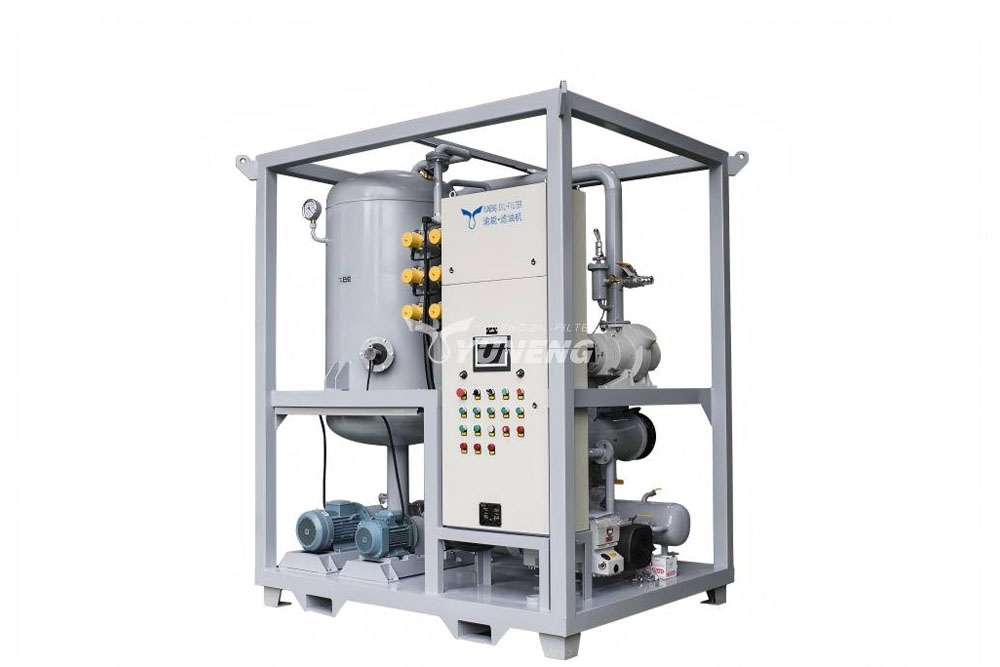
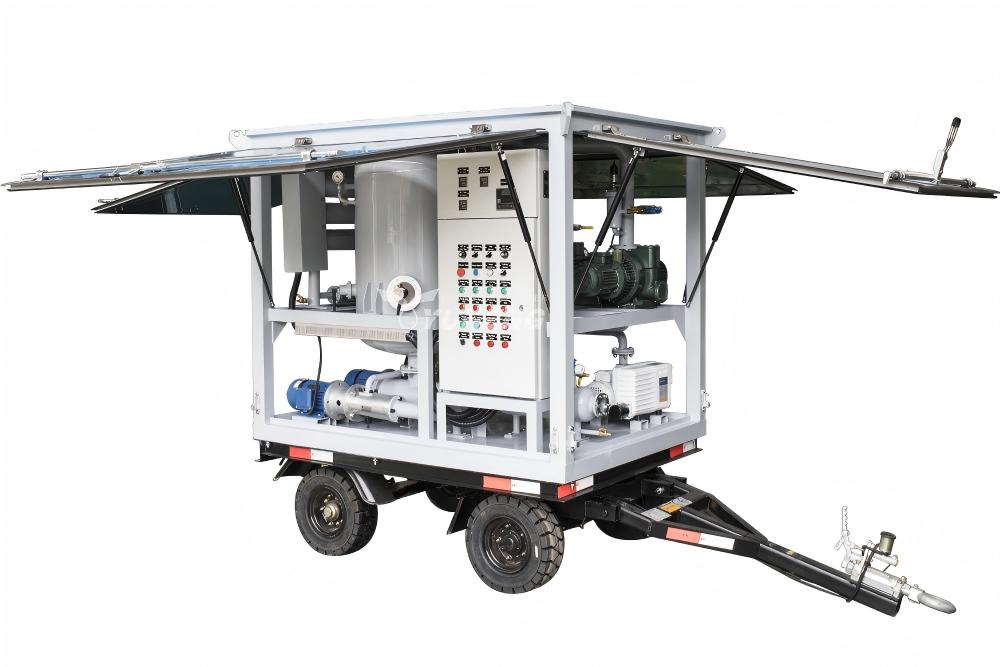
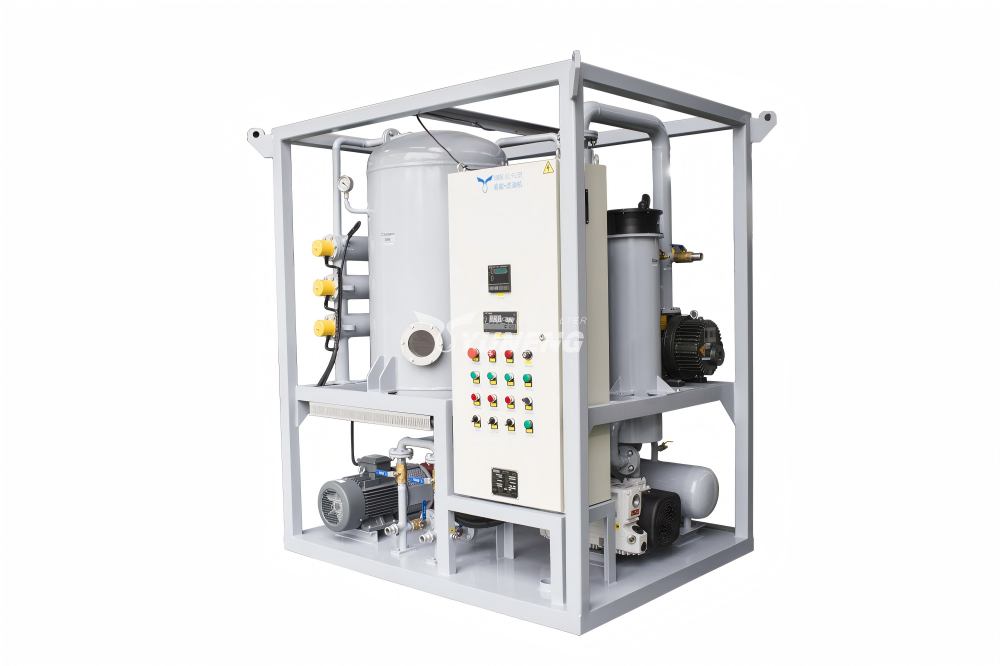
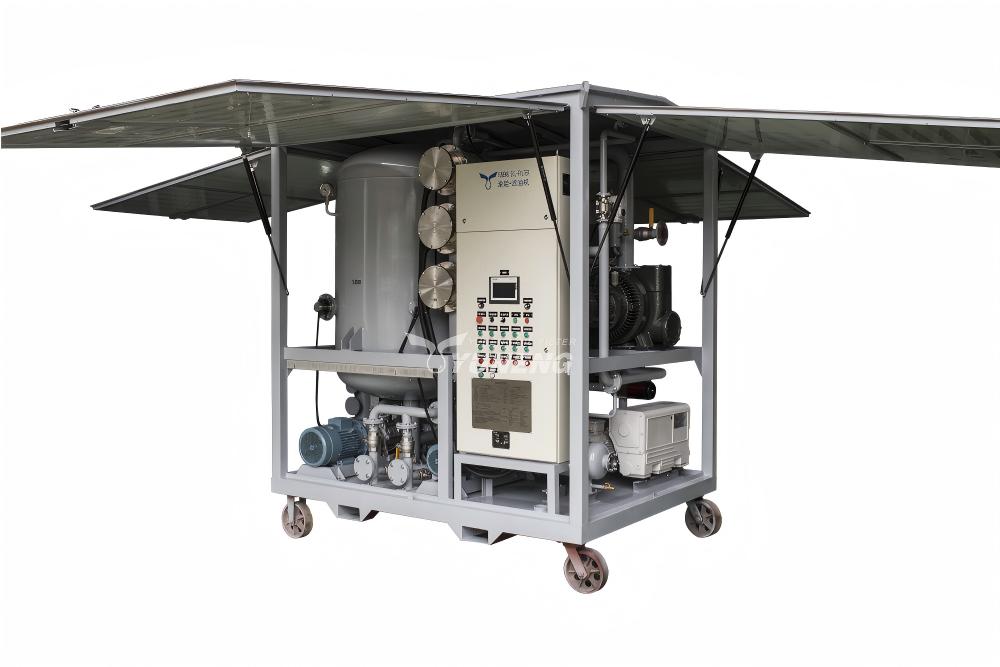
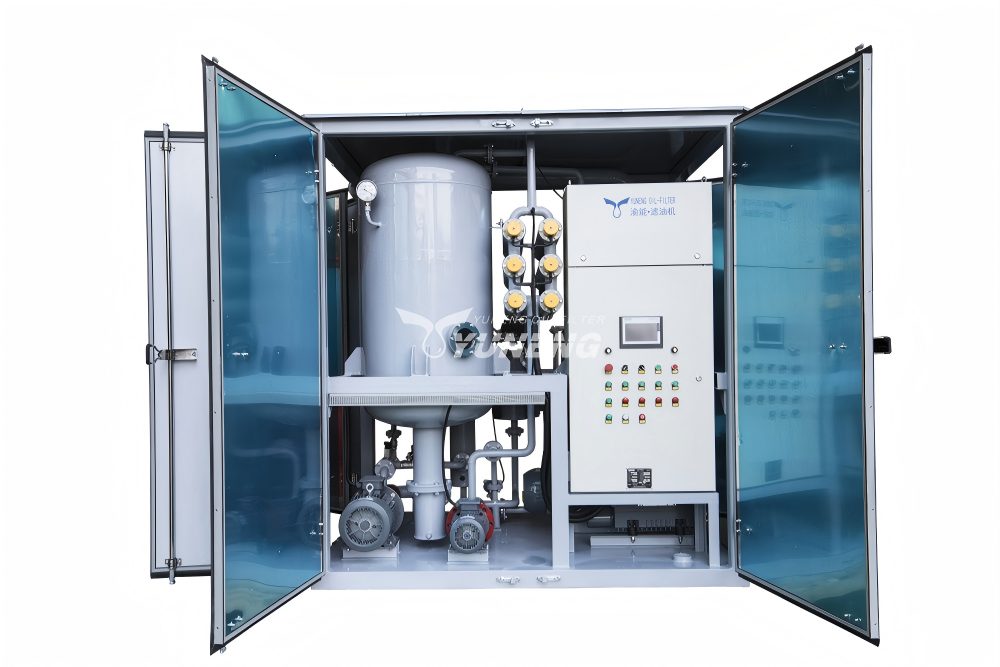
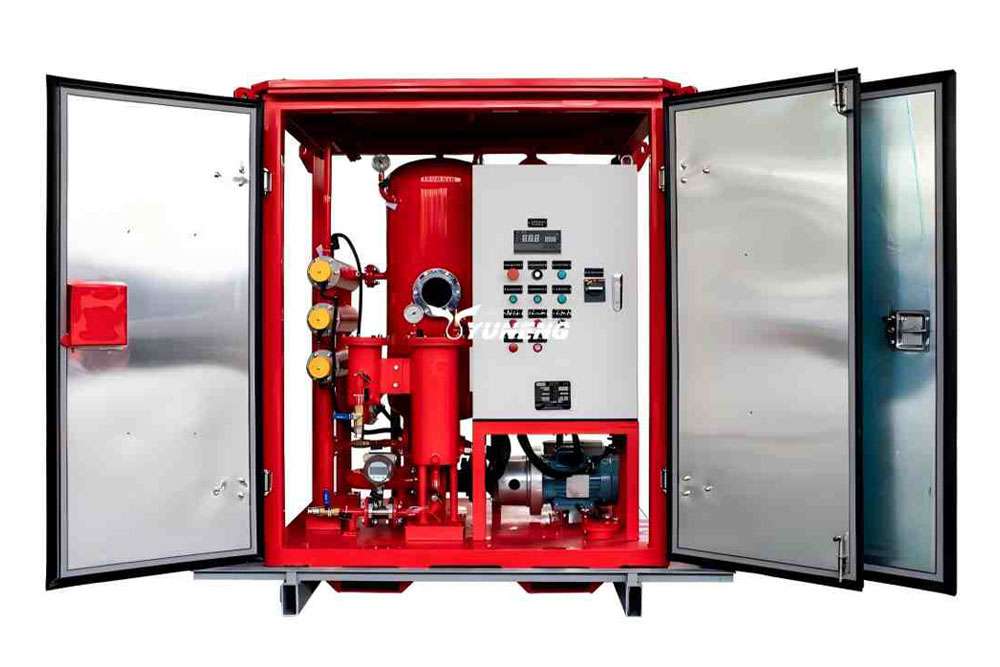
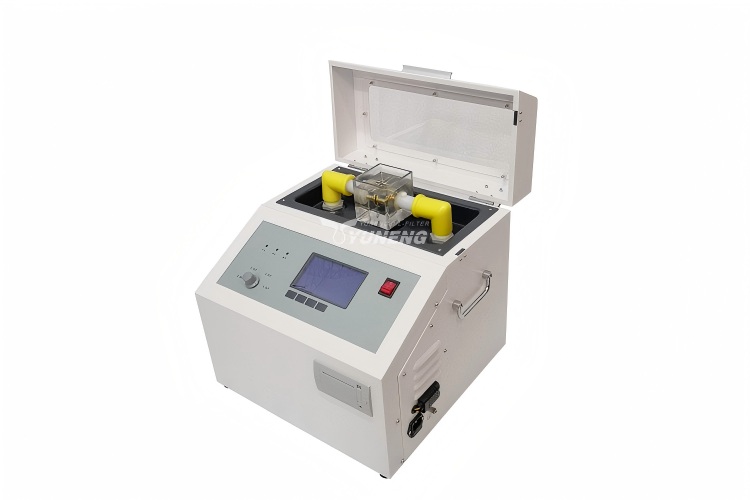
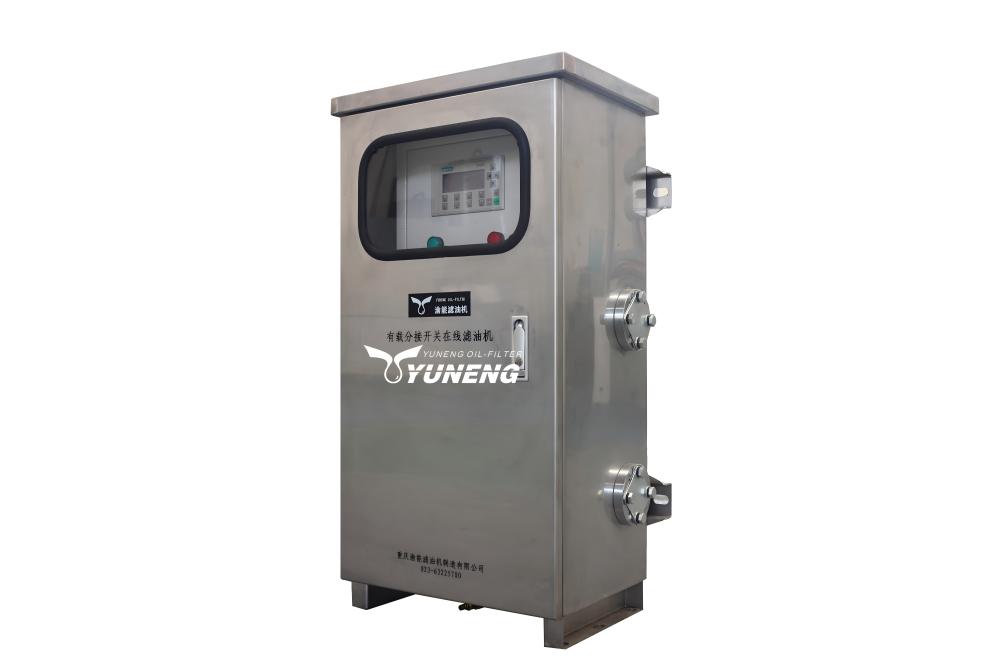
A transformer oil purifier is an important maintenance device used to remove moisture, dissolved gases, solid particles, sludge, and other impurities from the insulating oil of power transformers. Over time, transformer oil degrades due to the effects of oxidation, ingress of moisture, and contamination, leading to reduced dielectric strength, poor cooling performance, and accelerated insulation ageing. Regular filtration of transformer oil restores the oil’s electrical and physical properties, improves transformer reliability, and reduces maintenance costs and unexpected outages.
The purified oil achieves much improved breakdown voltage (BDV), lower moisture content, reduced dissolved gas levels, and improved insulation performance, helping to extend transformer oil service life and the operating life of valuable electrical equipment. Oil purification is a cost-effective alternative to replacing the oil completely and reducing the environmental impact in many maintenance applications.
Why Transformer Oil Needs Purification
Transformer oil is essential for both electrical insulation and heat dissipation. However, even high-quality insulating oil gradually becomes contaminated during normal operation. Moisture, dissolved gases, and solid particles reduce its dielectric performance and accelerate the aging of transformer insulation. Regular oil purification removes these contaminants, restores oil quality, and helps prevent costly equipment failures.
Problem: Water enters transformer oil through aging seals, breather systems, condensation, or maintenance activities. Even a small amount of moisture can significantly reduce the oil’s dielectric strength and accelerate cellulose insulation aging.
Why It Matters: High moisture content increases the risk of partial discharge, insulation breakdown, and transformer failure.
Purification Solution: High-vacuum dehydration technology removes both free water and dissolved moisture, restoring the oil’s insulating performance.
Problem: Electrical faults such as partial discharge, overheating, and arcing generate gases including hydrogen, methane, and acetylene that remain dissolved in transformer oil.
Why It Matters: Excessive dissolved gases indicate developing internal faults and reduce insulation reliability.
Purification Solution: Vacuum degassing effectively extracts dissolved gases, helping restore oil quality and improve operational safety.
Problem: Metal wear debris, carbon deposits, dust, and aging insulation fibers gradually accumulate in transformer oil.
Why It Matters: These particles create conductive paths, increase electrical stress, clog cooling channels, and accelerate insulation deterioration.
Purification Solution: Multi-stage precision filtration removes particles down to micron-level sizes, ensuring cleaner oil and more reliable transformer operation.
Problem: Moisture, gases, particles, and oxidation products all contribute to lower Breakdown Voltage (BDV), reducing the oil’s insulating capability.
Why It Matters: Low BDV increases the likelihood of flashover, electrical discharge, and unexpected transformer outages.
Purification Solution: By simultaneously removing moisture, dissolved gases, and contaminants, a transformer oil purifier significantly improves BDV, allowing the oil to meet or exceed industry operating standards and ensuring safe, reliable transformer performance.
What Contaminants Can Be Removed from Transformer Oil?
During long-term operation, transformer oil is exposed to heat, oxygen, electrical stress, and environmental contamination. As a result, various impurities gradually accumulate in the oil, reducing its insulating performance and cooling efficiency. A high-vacuum transformer oil purifier is designed to remove these contaminants through dehydration, degassing, and multi-stage precision filtration, helping restore the oil to a safe operating condition.
| Contaminant | Source | Impact | Removed by Vacuum Oil Purifier |
| Free Water | Condensation, leaks, maintenance exposure | Reduces dielectric strength and insulation reliability | ✅ Yes |
| Dissolved Moisture | Humid environment, insulation aging | Accelerates cellulose aging and partial discharge risk | ✅ Yes |
| Dissolved Gases | Overheating, partial discharge, electrical stress | Reduces insulation reliability | ✅ Yes |
| Solid Particles | Dust, metal particles, insulation fibers | Reduces BDV and increases wear | ✅ Yes |
| Carbon Particles | Electrical discharge and overheating | Affects oil cleanliness and insulation performance | ✅ Yes |
| Air Bubbles | Oil filling, maintenance, leakage | May affect insulation performance | ✅ Yes |
Note: Vacuum oil purification is mainly designed for the removal of moisture, dissolved gases, and solid particles from transformer oil.
For severely aged oil with high acid value, dark color, poor dielectric dissipation factor (tan delta), sludge, or other oxidation products, additional oil regeneration treatment is required.
How a Transformer Oil Purifier Works
A transformer oil purifier restores the insulating and cooling properties of transformer oil by removing moisture, dissolved gases, air, and solid contaminants through a combination of heating, high-vacuum dehydration, degassing, and precision filtration. Unlike conventional filtration systems that only remove particles, a high-vacuum transformer oil purifier simultaneously eliminates water and gases that significantly reduce dielectric strength and accelerate insulation aging.
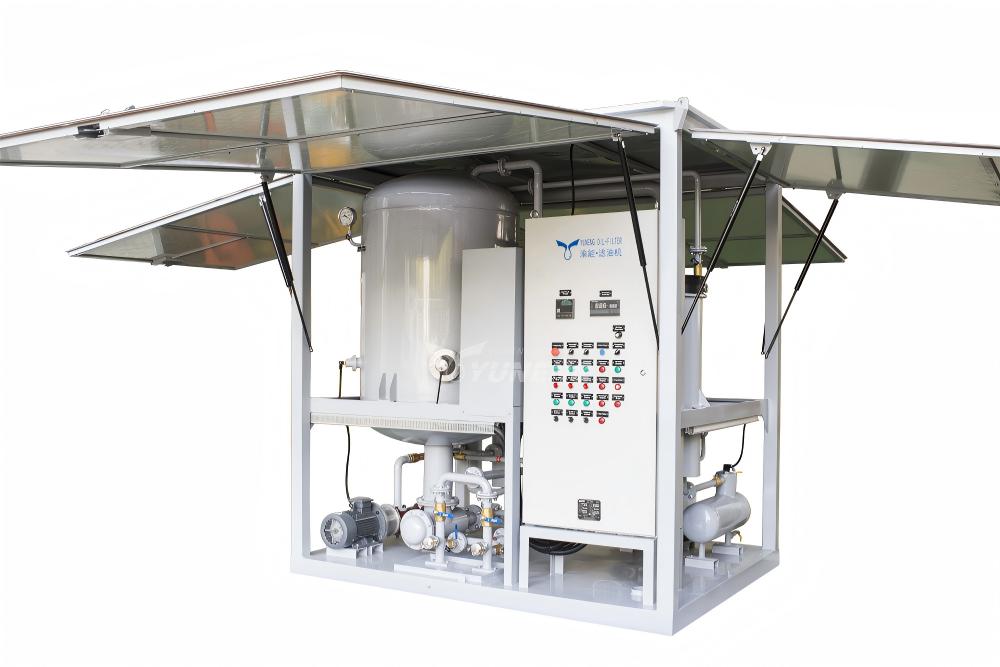
Transformer Oil Purification Process
Step 1. Oil Intake
Contaminated transformer oil is pumped from the transformer or storage tank into the purifier. The oil may contain free water, dissolved moisture, air bubbles, dissolved gases, metal particles, carbon residues, and other contaminants accumulated during long-term operation.
Step 2. Controlled Heating
The oil passes through a high-efficiency heating system, where it is gradually heated to the optimal processing temperature—typically 65 ℃ (mineral oil),55-75℃ (ester oil). Heating lowers the oil’s viscosity and improves the removal efficiency of moisture and dissolved gases while preventing excessive thermal stress on the oil.
Step 3. High-Vacuum Dehydration
The heated oil enters the vacuum chamber, where the pressure is reduced to a high vacuum level, typically 50–80 Pa during operation. Under these vacuum conditions, free water and dissolved moisture are converted into water vapor at a much lower temperature than under atmospheric pressure and removed by the vacuum system.
The system can achieve an ultimate vacuum level below 10 Pa depending on operating conditions.
Step 4. Vacuum Degassing
At the same time, dissolved gases generated during transformer operation, including air and hydrocarbon gases, are released from the oil under vacuum. Removing excessive dissolved gases improves insulation reliability and helps maintain stable transformer operation.
Step 5. Multi-Stage Precision Filtration
After dehydration and degassing, the oil passes through multiple filtration stages. Coarse filters remove larger particles, while fine filters—typically rated between 1 and 3 microns—remove metal particles, carbon particles, insulation fibers, and other suspended contaminants.
Step 6. Clean Oil Return
The purified oil is returned to the transformer or collected in a clean storage tank. The treated oil has significantly reduced moisture and gas content, improved dielectric strength (BDV), and enhanced insulation reliability, helping the transformer operate more safely and efficiently.
Looking for the Right Transformer Oil Purifier?
Our engineers will help you choose the ideal filtration solution based on your transformer capacity and maintenance requirements.
Transformer Oil Treatment Standards
Maintaining transformer oil according to recognized international standards helps ensure reliable insulation performance and extend transformer service life.
During oil purification, key parameters including dielectric strength (BDV), moisture content, dissolved gases, and particle cleanliness should be monitored according to applicable IEC and ASTM standards.
A vacuum transformer oil purifier helps improve these key parameters through high-vacuum dehydration, degassing, and precision filtration.
| Parameter | Typical Target After Purification |
| BDV | ≥70–75 kV depending on transformer class and oil condition |
| Moisture Content | ≤5-10 ppm for high-voltage transformers (depending on conditions) |
| Dissolved Gas | ≤0.1~0.3% by volume (depending on conditions) |
| Particle Contamination | Improved through multi-stage filtration |