Transformer Vacuum Pumping System Comparison: YUNENG vs. Edwards & Leybold
Oil Purification & Vacuum Technology Expert
Table of Contents
The vacuum evacuation process is an important stage in the installation and maintenance of high-voltage power transformers. As transformer voltages are increasing, up to UHV and EHV levels, the need for effective moisture and gas removal becomes more and more pressing. This article is a technical comparison between YUNENG, a specialised industrial system integrator, and Edwards/Leybold, global manufacturers of core vacuum components, with respect to their respective technologies for transformer vacuum pump applications.
Evolution of Vacuum Technology in Global Power Infrastructure
In 2026, transformers in the global power grid must be more reliable and have lower dielectric loss. The presence of non-condensable gases and moisture in the transformer insulation system greatly reduces the dielectric strength of the insulating oil. Consequently, the evacuation vacuum pump must achieve a deep vacuum level—typically below 133 Pa (1 Torr) and often reaching as low as 1 Pa—before oil filling.
Currently, the market is divided into two primary technical approaches:
- Core Component Manufacturers: Companies like Edwards and Leybold, focusing on the fundamental physics of gas compression and high-precision pump manufacturing.
- Integrated System Providers: Companies like YUNENG, focusing on engineering a complete, field-ready vacuum evacuation unit that incorporates core pumps with specialized control logic and mobile infrastructure.
Core Technical Architecture Comparison Among YUNENG, Edwards and Leybold
The technical differentiation between these providers is rooted in their engineering objectives. Edwards and Leybold prioritize the internal efficiency of the pump mechanism, while YUNENG prioritizes the operational efficiency of the system in a field environment.
1. Edwards & Leybold: Core Pump Specialization
These manufacturers are leaders in dry screw technology and high-performance evacuation vacuum pump modules. Their technology is characterized by:
- Precision Rotor Technology – Application of proprietary profiles for minimizing internal leakages for optimum efficiency.
- Materials Science – Incorporation of special coatings to counter the adverse effects of corrosion from moisture and remaining contaminants.
- Modular Design – They manufacture their products, e.g., Edwards GXS and Leybold DRYVAC systems, which are meant for high-reliability modular operations within industrial facilities.
2. YUNENG: System Integration and Customization
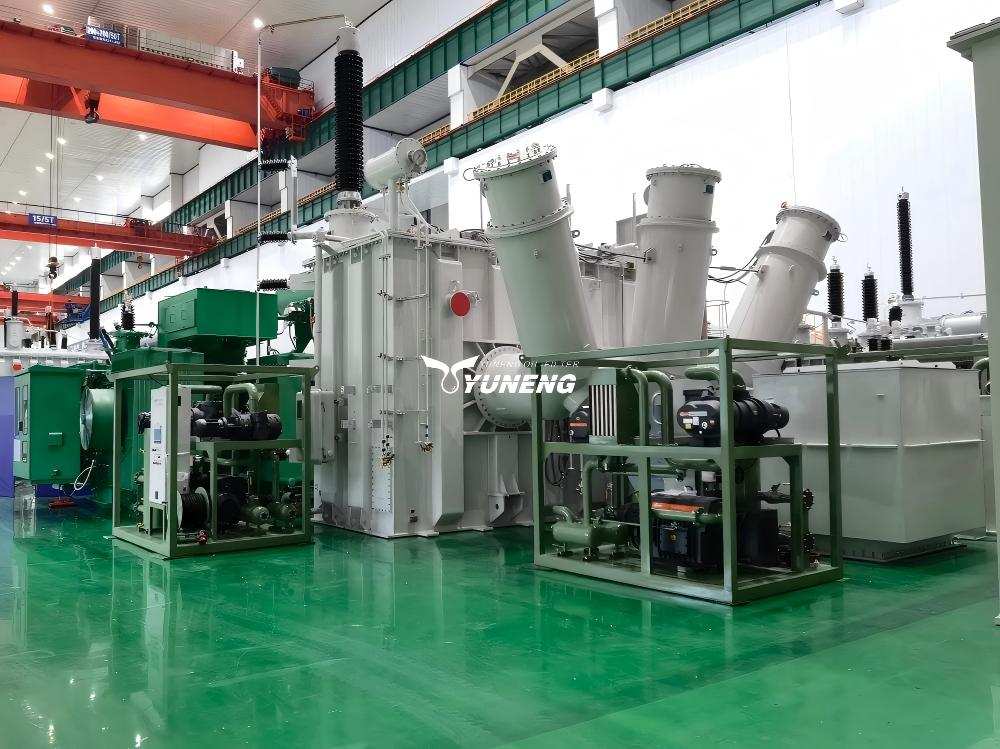
YUNENG focuses on the transformer vacuum pump as a complete industrial machine. Their architecture typically involves:
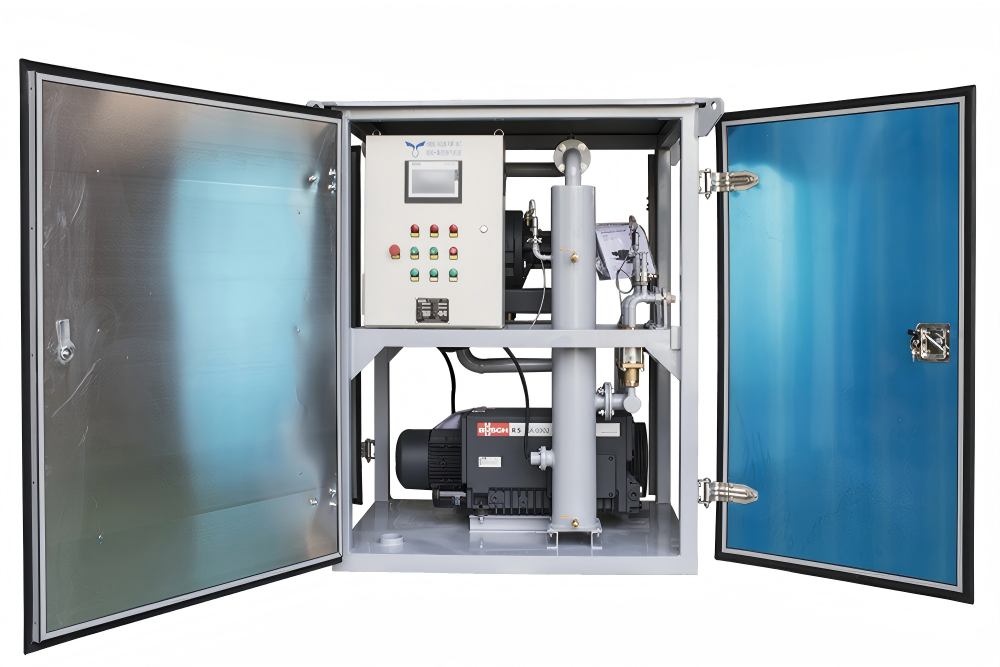
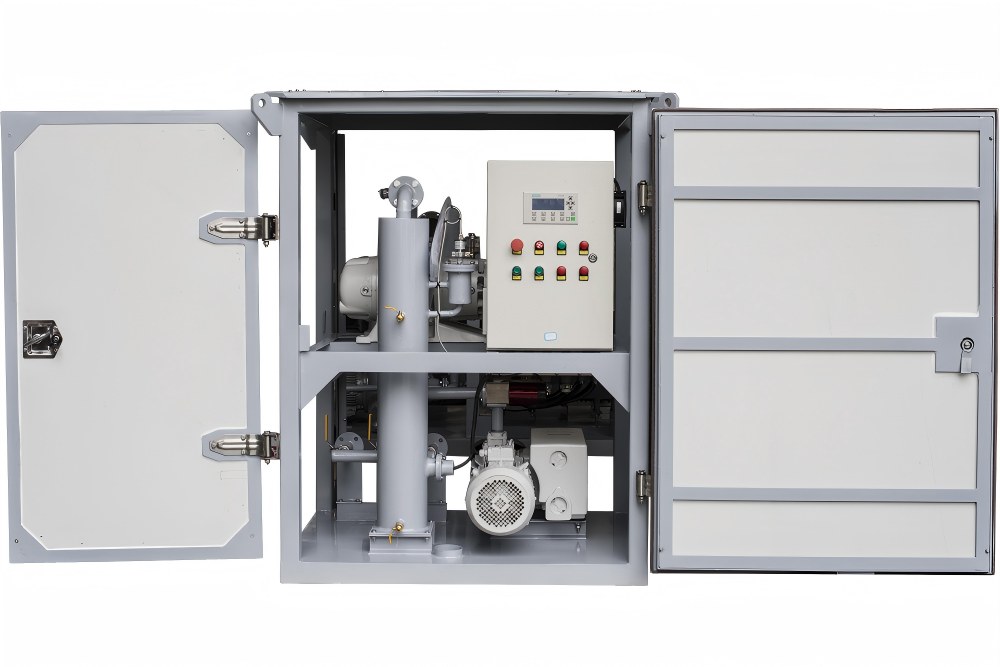
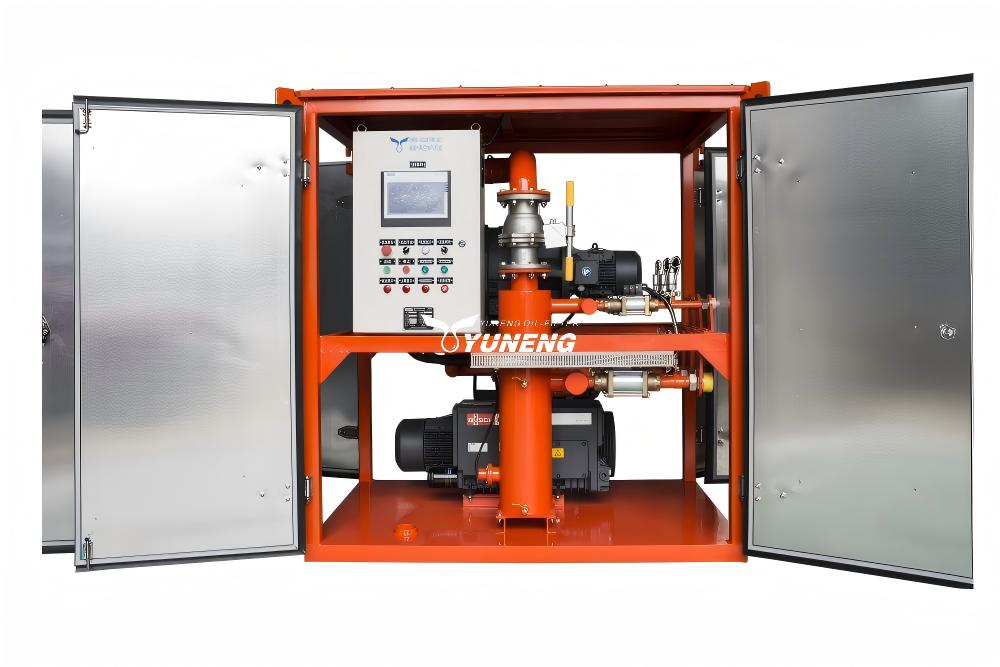
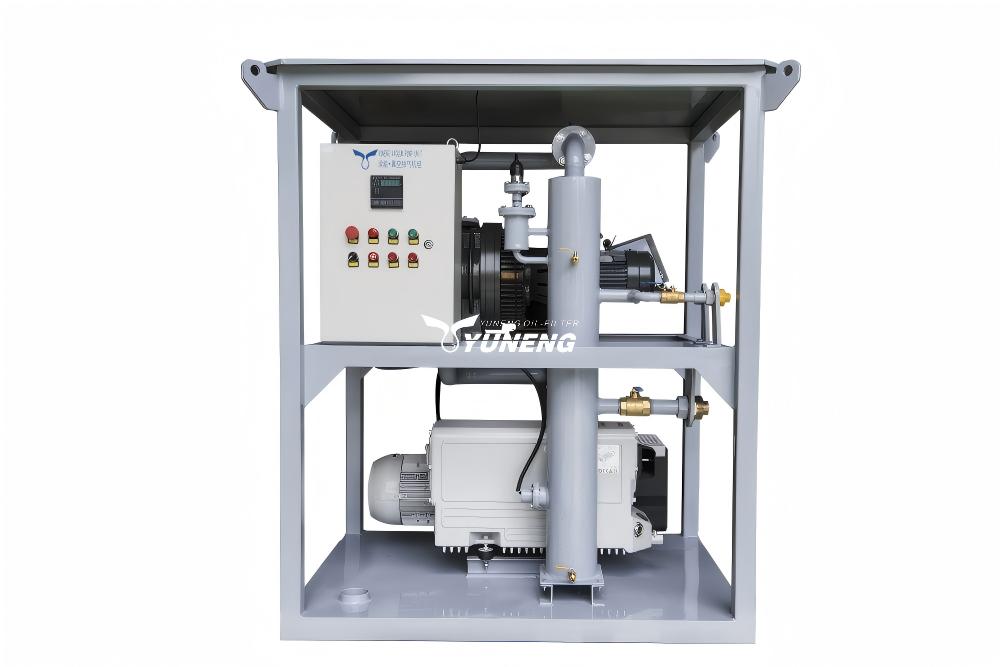
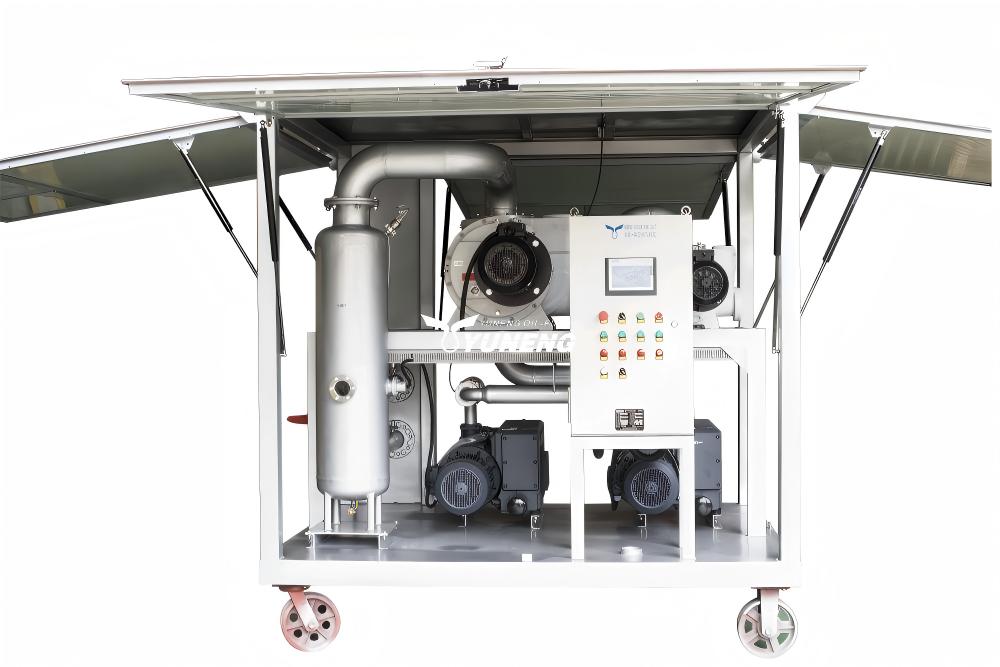
- Multiple Stages Series Setup: The regular setup of a YUNENG vacuum pump system (e.g., ZJ series) employs a three-stages or two-stages system comprising a primary Roots vacuum pump connected to a secondary Roots vacuum pump and the backing pump, thus achieving higher speed at low-pressure levels.
- PLC Control System: Use of PLCs that are responsible for controlling the start-stop cycle to prevent the motor from being overloaded by turning the Roots pump ON while there is still atmosphere present.
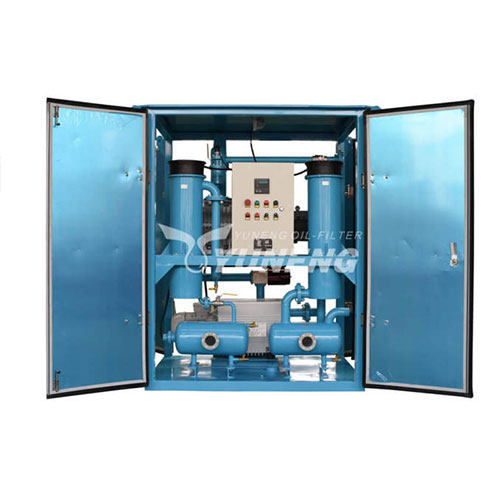
- Outdoor Application Setup: Trailer-mounted system with a waterproof enclosure, necessary for performing operations outdoors at substations.
Key Performance Indicators (KPI) and Technical Data
The technical differences are summarised in the following table based on performance data relevant to 500kV and 750kV transformer projects.
| Feature | Edwards / Leybold (Modular Units) | YUNENG (Integrated Systems) |
| Primary Pumping Mechanism | Dry Screw / Oil-Sealed Rotary Vane | Multi-stage Roots + Rotary Vane/Piston |
| Pumping Speed Range | 100 to 2,500 m3/h (Standard Modules) | 300 to 5,000 m3/h (Custom Systems) |
| Ultimate Vacuum Level | 5×10⁻² Pa to 10−3 Pa | 1 Pa to 10 Pa (Field-restricted) |
| Control Interface | Industrial Bus / Basic I/O | Full PLC Touchscreen with Data Logging |
| Anti-Suckback Protection | Integrated Internal Valve | External Solenoid Valve + PLC Logic |
| Cooling Method | Air or Water Cooled | Optimized Air Cooling for Field Use |
Technical Analysis of Pumping Speed and Moisture Handling
The efficiency of vacuum evacuation depends heavily on the “water vapor tolerance” of the pump.
Edwards/Leybold utilizes gas ballast technology and advanced temperature management to ensure that moisture does not condense inside the pump chamber. Their dry screw pumps are particularly effective because there is no oil to become emulsified by water vapor. This leads to consistent performance during the long evacuation cycles required for large-scale transformers.
YUNENG addresses moisture through integrated water-cooling or optimized air-flow systems within the cabinet. By using a multi-stage transformer vacuum pump configuration, YUNENG increases the pumping speed significantly in the critical pressure range of 1000 Pa to 10 Pa. This is where the majority of gas and moisture is removed from the transformer’s cellulose insulation.
Choosing the Correct Transformer Vacuum Pumping System
The selection of equipment is determined by the environment in which the evacuation vacuum pump will operate.
Scenario A: Transformer Manufacturing Facility
In a controlled factory environment, the priority is long-term reliability and low maintenance. Edwards and Leybold are the preferred choice here. Their pumps are often integrated into the factory’s stationary vacuum manifold system. The high initial cost is offset by the extended service intervals and the absence of oil-disposal costs in dry-pump configurations.
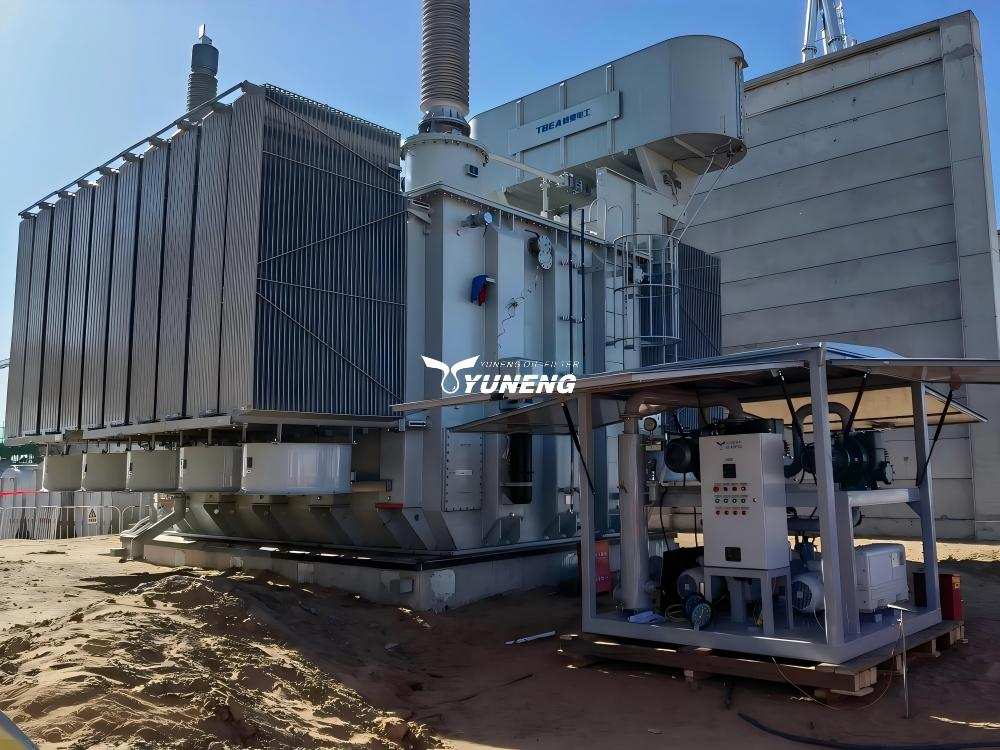
Scenario B: Substation Field Installation (220kV – 1000kV)
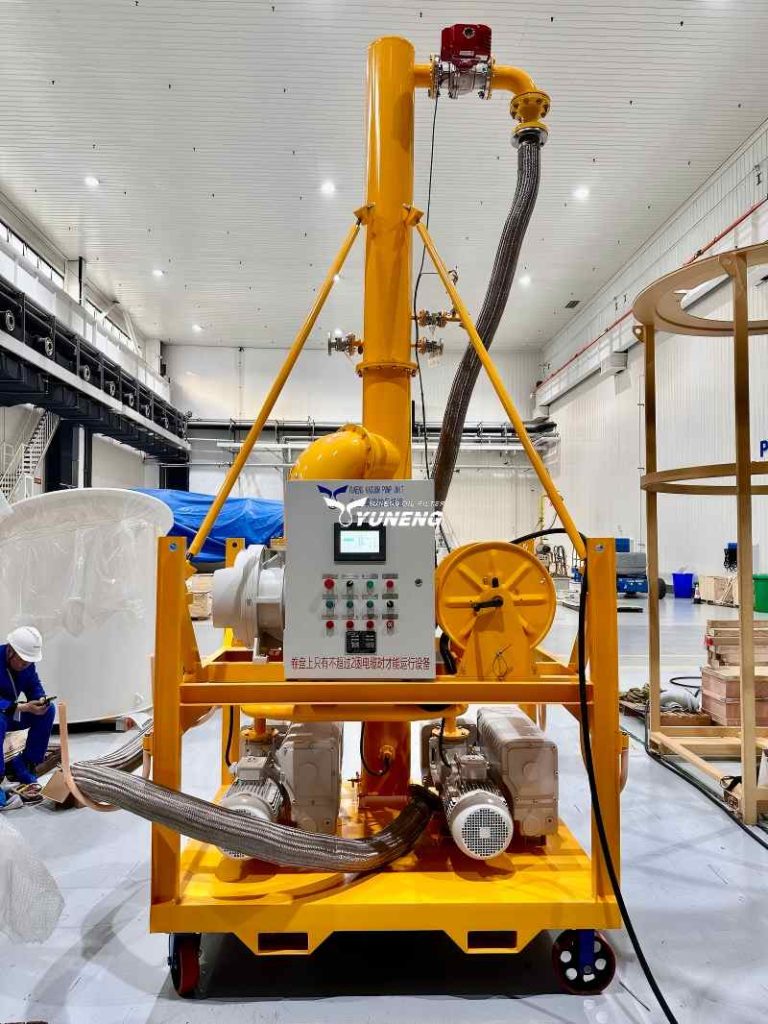
In field conditions, portability and environmental protection are paramount. YUNENG systems are designed for this scenario. A YUNENG transformer vacuum pump unit includes:
- Mobile Chassis: Allows for transport over uneven terrain at substation sites.
- Integrated Vacuum Gauge: Digital Pirani or MacLeod gauges are pre-installed and calibrated within the system.
- Oil-Mist Filters: High-efficiency filtration to prevent oil discharge into the substation environment.
- Voltage Protection: Industrial-grade electrical components that can handle the fluctuating power supplies often found at construction sites.
2026 Trends: Intelligence and Environmental Compliance
The industry is moving toward “Smart Vacuum” systems.
- Digital Twin Monitoring: Modern YUNENG systems now include IoT modules that transmit real-time vacuum curves to a cloud platform. This allows project managers to estimate the completion time of vacuum evacuation based on the curve’s slope.
- Energy Efficiency: Both Edwards and Leybold have shifted toward IE4 and IE5 efficiency class motors. In large-scale transformer drying, which can take 48 to 72 hours, the reduction in power consumption is significant.
- SF6 Handling Integration: In terms of gas-insulating transformers (GIT), manufacturers are implementing vacuum pumps in tandem with SF6 recycling plants to make sure there is no gas before air is evacuated.
As a non-standard equipment manufacturer, YUNENG offers extensive power configuration flexibility. Unlike standardized component suppliers, our systems can be customized to match any global project requirement, including 415V, 440V, or 480V power grids, ensuring seamless integration into local infrastructure without the need for additional voltage converters.
Technical FAQ for Power Engineers
Q1: Why is a three-stage system preferred over a two-stage system for 500kV transformers?
A1: The three-step system, which is typical for YUNENG setups, employs two Roots pumps connected in series. This substantially raises the compression ratio at low pressures, enabling the system to counter the high resistance of long vacuum hoses and large transformer capacities, thereby achieving the final vacuum much faster.
Q2: Can a dry screw pump be used with existing transformer oil filtration machines?
A2: Yes. Edwards and Leybold dry pumps are compatible with most filtration skids. However, the integration requires a specialized control interface to ensure the backing pressure of the dry pump remains within the manufacturer’s specified range during the vacuum evacuation of the oil.
Q3: What is the impact of ambient temperature on the evacuation vacuum pump?
A3: With the rising temperature, the viscosity of the lubricating oil in the case of oil-sealed pumps, such as the one used in YUNENG, becomes lower, possibly leading to a reduction in the ultimate vacuum performance. However, when the temperature is below zero degrees, heating becomes necessary in order to reduce the viscosity of the oil. This is not an issue with Edwards and Leybold dry pumps, but controlled cooling becomes necessary.