How to Choose the Right Dry Air Generator for Transformer Maintenance?
Table of Contents
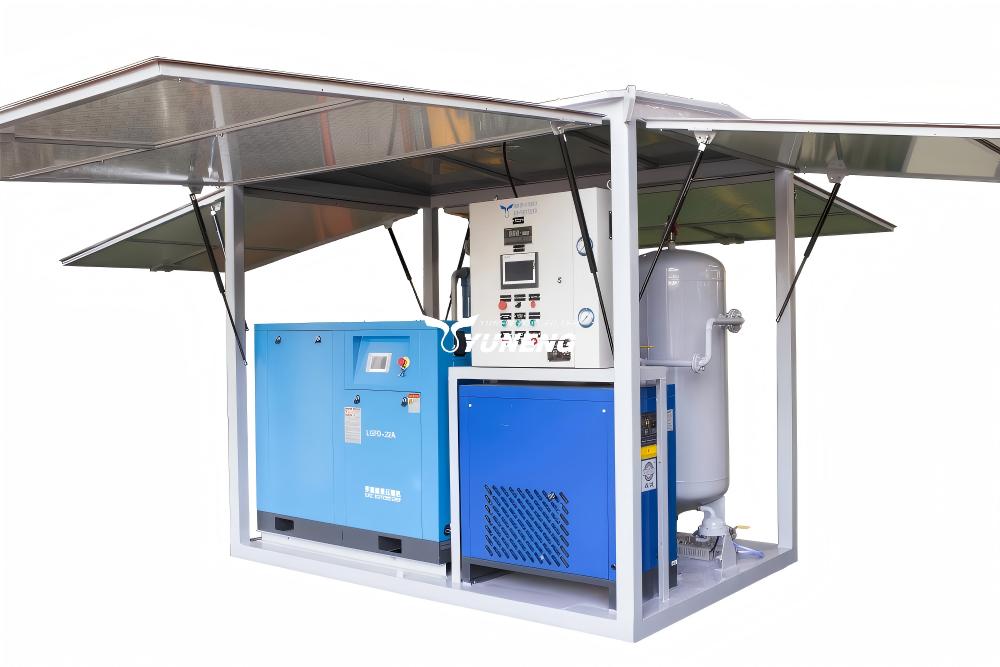
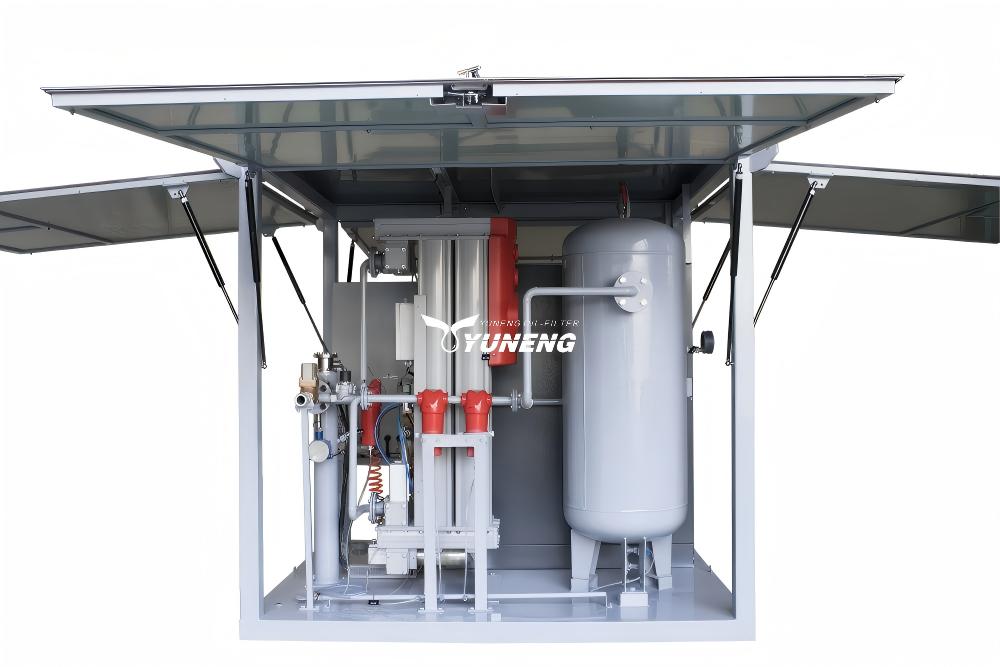
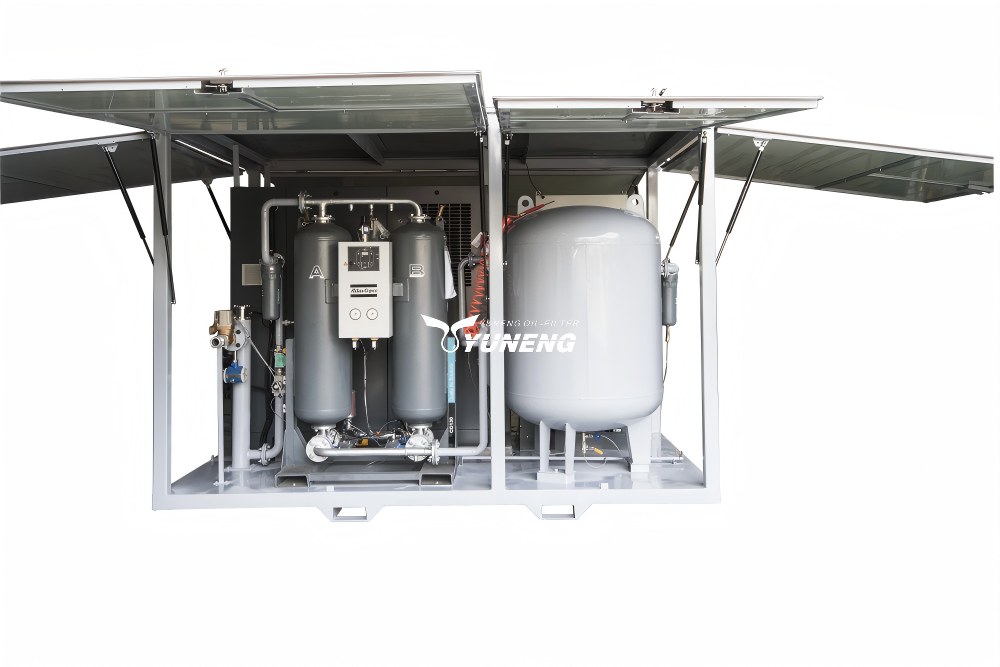
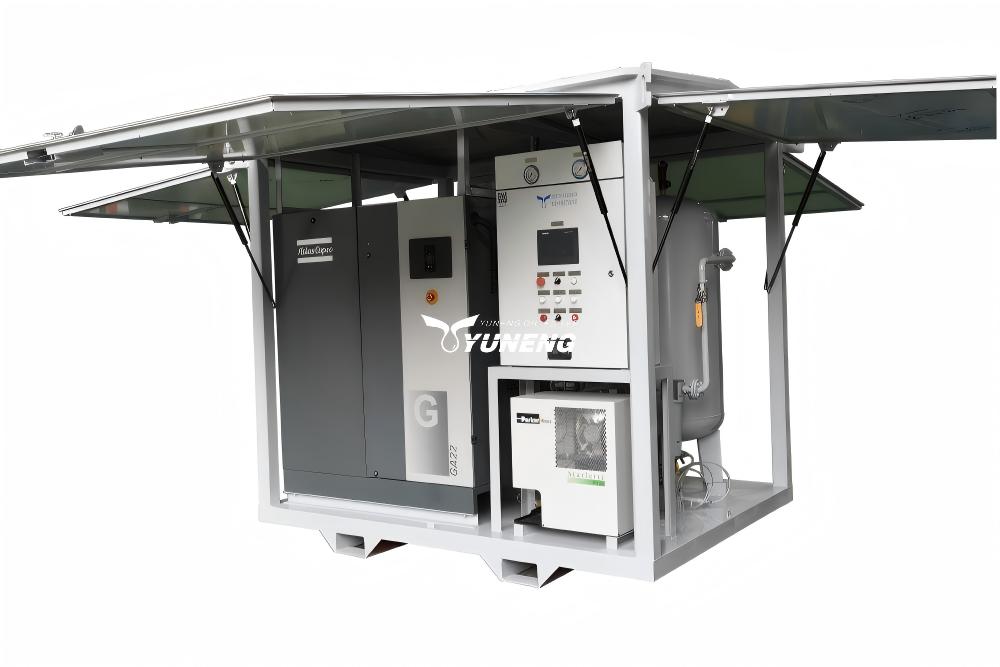
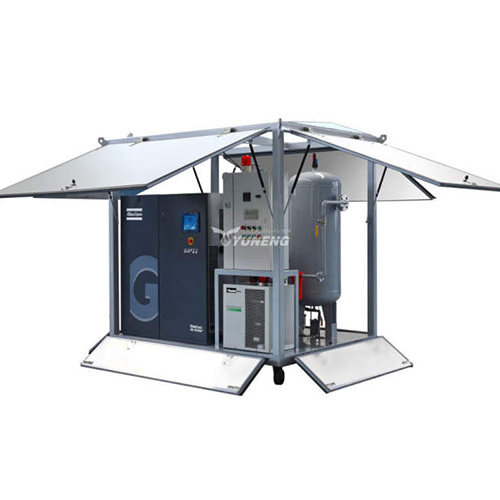
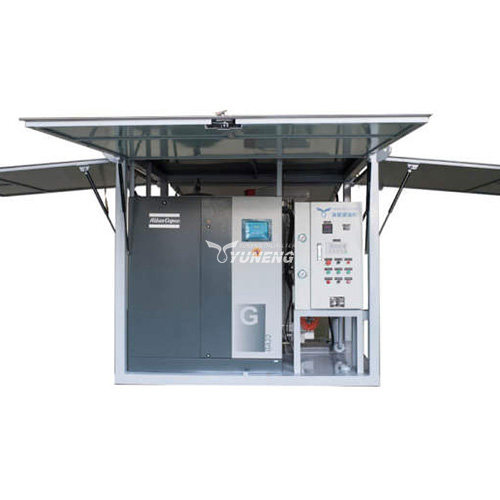
A dry air generator is used to supply clean, low-dew-point air during transformer installation, repair, and maintenance. Its main purpose is moisture removal from the internal space and protection of insulation materials from ambient humidity. In transformer maintenance work, the quality of the dry air directly affects drying efficiency and the final insulation condition.
Selecting the correct dry air generator is not only a matter of equipment capacity. It requires a clear review of dew point, flow rate, filtration quality, outlet pressure, site conditions, safety functions, and application type. This article explains the main technical criteria so engineers can choose a dry air generator that matches the actual maintenance task without over-specification or performance gaps.
Key Technical Specifications of Transformer Dry Air Generator
When choosing a dry air generator for transformer maintenance, there are specific important factors that need to be assessed due to their direct impact on the efficiency of the process and the reliability of operations.
1. Dew Point (The Absolute Priority)
Dew point defines the moisture content in the output air. Lower dew point means drier air.
A dew point of -40°C or lower is an essential requirement for transformer applications. In the case of ultra-high voltage transformers, even lower dew points up to -70°C may be required.
A low dew point ensures:
- Effective moisture extraction from insulation
- Prevention of condensation inside transformer tanks
- Stable insulation performance
When comparing a dry air generator, dew point stability under continuous operation is more important than the minimum achievable value.
2. Flow Rate (Capacity)
Flow rate determines how quickly dry air can replace moist air inside the transformer.
The required flow rate depends on transformer volume. A simplified calculation approach is:
- Small transformers: lower airflow requirement
- Large power transformers: significantly higher airflow needed
A general guideline:
- Air exchange rate should allow complete internal air replacement within a defined time frame
Insufficient flow rate leads to slow drying and inefficient maintenance. Oversized systems increase cost without proportional benefit. Therefore, matching flow rate to transformer size is essential when selecting a dry air generator.
3. Filtration and Purity
Air supplied into a transformer must be free from contaminants.
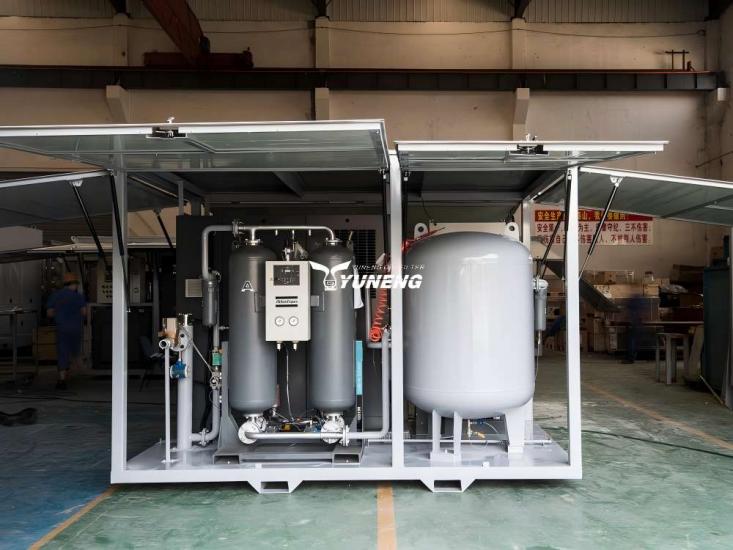
A standard dry air generator should include:
- Particulate filtration (dust removal)
- Oil mist filtration
- High-efficiency air purification stages
Contaminated air can introduce particles and oil vapor into the transformer, affecting insulation quality. Filtration accuracy should typically reach 0.01 μm or better.
4. Outlet Pressure
Stable outlet pressure ensures consistent air delivery.
If pressure fluctuates:
- Airflow becomes unstable
- Drying efficiency decreases
- Internal transformer conditions become unpredictable
A dry air generator should maintain constant pressure output with minimal variation. Adjustable pressure settings are recommended for different transformer types.
Selection Criteria: Assessing Site Requirements
Choosing a dry air generator requires more than checking specifications on paper. The actual site and application should guide the final decision.
1. Transformer Size and Application
Different transformer types have different dry air demands.
A small distribution transformer may only need a compact dry air generator with moderate flow and simpler mobility. In contrast, a large transmission transformer usually requires higher capacity, lower dew point performance, and longer operating time.
Application type also matters. Installation, inspection, oil replacement support, and internal repair work may have different airflow and purity requirements. A dry air generator used in deep transformer maintenance should be selected based on the most demanding part of the job, not only the average condition.
2. Environmental Factors
Ambient temperature and humidity affect dry air performance. A maintenance site in a hot and humid region usually places greater demand on the air drying system. A dry air generator must remain stable under the expected temperature range and local weather conditions.
Engineers should review:
- Ambient temperature range
- Relative humidity
- Altitude
- Dust level
- Indoor or outdoor operation
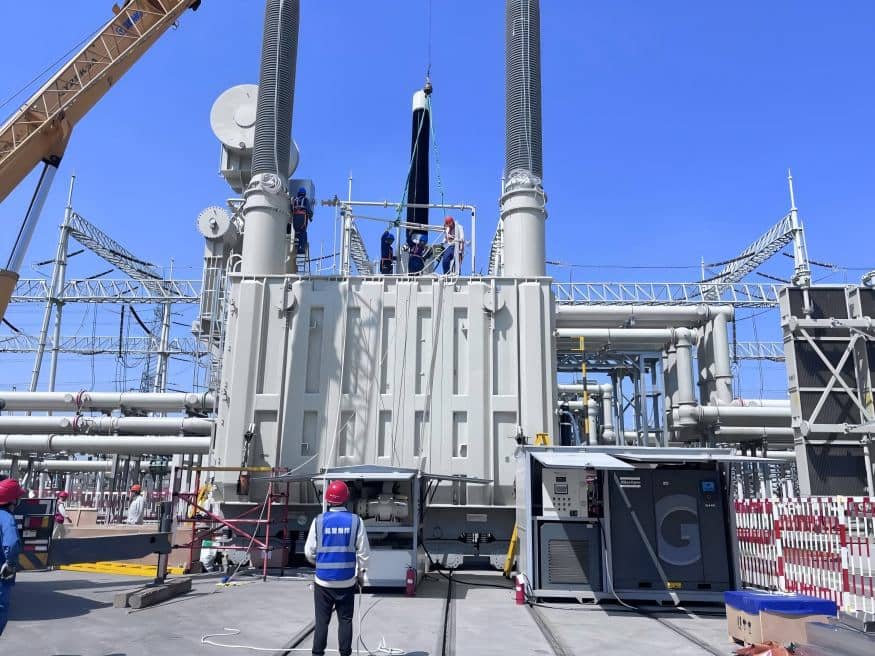
A unit that performs well in a controlled workshop may behave differently on a field site. For outdoor transformer maintenance, the dry air generator should be suitable for local environmental conditions and should maintain the target dew point even when the weather changes.
3. Portability vs. Stationary Use
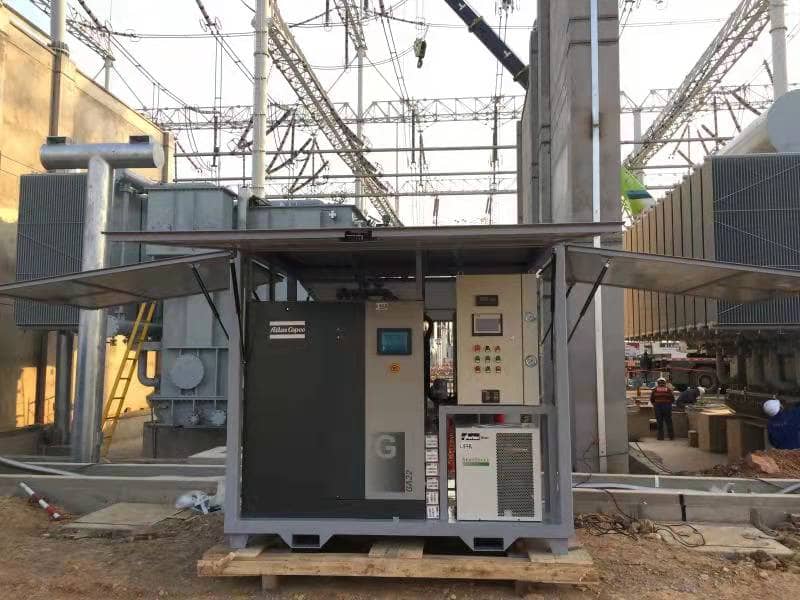
Some maintenance tasks require a mobile unit that can move between substations or field locations. Other tasks are performed in a fixed workshop where a stationary dry air generator is more practical.
Portable units are useful for site service and emergency response. Mobile systems will be better where frequent movement is required. Stationary units would be more appropriate where repeat usage is planned, or large numbers of vehicles require servicing.
A portable dry air generator should still meet the same technical standards as a stationary unit. Mobility should not replace performance.
4. Comparison Table: Recommended Dry Air Generator Specifications by Transformer Size
| Transformer Category | Typical Application | Recommended Dew Point | Recommended Flow Rate | Notes |
| Small distribution transformer | Routine transformer maintenance, short-term drying | -40°C or lower | Low to medium | Portable unit often suitable |
| Medium power transformer | Field repair, inspection, oil-related service support | -40°C or lower | Medium | Stable pressure and filtration required |
| Large transmission transformer | Heavy-duty maintenance, long opening time, deep moisture control | -40°C or lower, preferably lower if needed | High | Continuous operation and strong safety control required |
| Extra-high-voltage transformer | Sensitive insulation work, critical power system maintenance | Very low dew point | High | Precision control and reliable monitoring are essential |
This table is a general guide. The final dry air generator specification should be matched to the actual transformer volume, maintenance schedule, and site conditions.
Quality and Safety Standards
1. International Compliance
A dry air generator used in transformer maintenance should adhere to the relevant international electrical and industrial standards. The IEC is generally considered to be a key reference in terms of the quality, safety, and performance criteria being considered. A notion of compliance gives confidence that the equipment is appropriate to be used in connection with electrical power systems.
Standards are important because transformer maintenance is a critical process. Equipment that lacks proper design control may not deliver stable dew point, accurate flow, or safe operation. A compliant dry air generator provides stronger confidence in repeatability and long-term use.
2. Operational Safety
Safety features are necessary in every dry air generator used for electrical equipment drying. Important functions include:
- Automatic control system
- Overpressure protection
- Automatic drainage
- Alarm function
- Real-time monitoring of key operating data
These actions minimize errors and optimize process control. In the maintenance of transformers, the machines operate for extended periods. Automatic drainage is an important feature as moisture needs to be eliminated from the system. Overpressure protection also helps prevent damage to hoses and connections.
The best dry air generator is not only efficient. It must also support safe, stable, and controlled maintenance work.
Why Choose YUNENG Dry Air Generators?
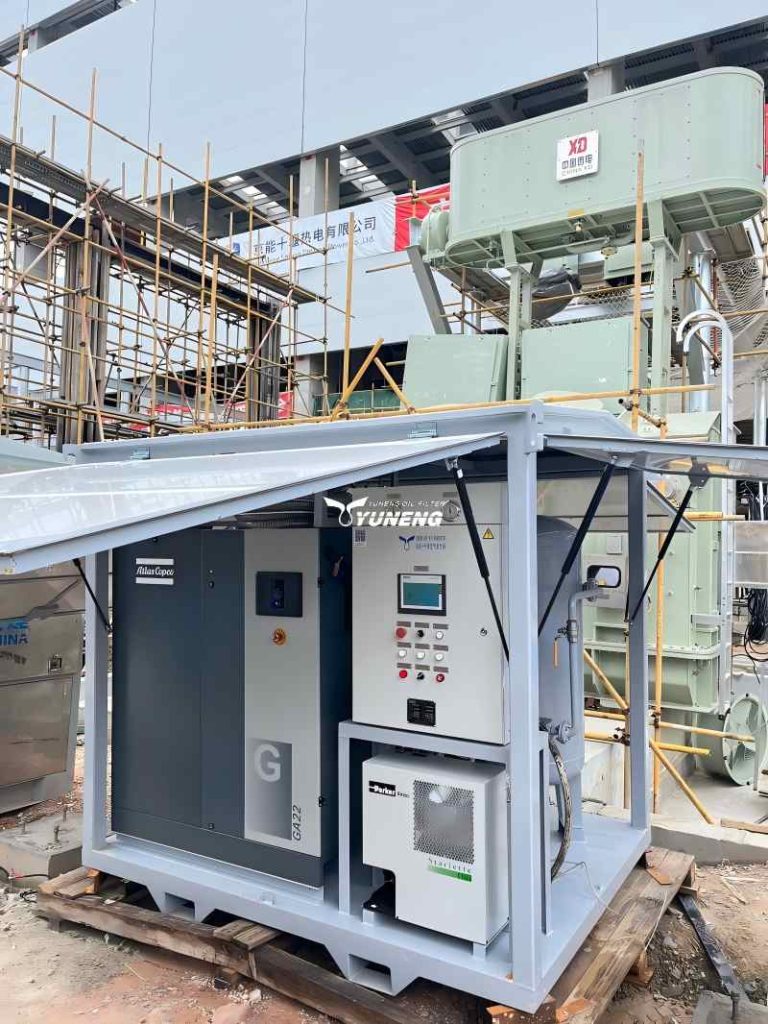
A dry air generator from YUNENG is designed for professional power equipment service and transformer maintenance. YUNENG focuses on practical performance, control quality, and long-term operation.
1. Advanced Desiccant Technology
YUNENG uses efficient adsorption materials and drying technology to support stable, low dew point output. This helps the dry air generator maintain performance over long operating periods and under changing site conditions. For transformer maintenance, stable drying performance is important because interruptions can reduce process quality.
2. Real-World Experience
YUNENG equipment has been used in different power projects and maintenance environments. This kind of experience matters because actual site conditions are often more complex than laboratory conditions. A dry air generator must work reliably in substations, workshops, field repair areas, and other operational settings.
3. Technical Support
YUNENG also provides technical support for equipment selection, installation, and operation. This is useful when engineers need help matching the dry air generator to a specific transformer type, maintenance procedure, or site layout. Custom solutions can reduce sizing errors and improve overall project results.
For transformer maintenance projects, support after delivery is often as important as the equipment itself.
FAQ
Q1: What should be the optimum dew point value when drying transformer insulation?
The dew point value should be at least -40°C; sometimes, depending upon the requirements of high-voltage transformers, dew point values lower than that are preferred.
Q2: Can a Dry Air Generator be used for other electrical equipment?
Yes, a dry air generator can also be used for drying other electrical equipment, such as switchgear, cable systems, and generators, where moisture control is required.
Q3: How do I determine the correct flow rate for my transformer?
Flow rate is based on transformer volume and drying time requirements. Larger transformers require higher flow rates. Equipment suppliers can provide calculation support based on project data.