SF6 Gas Recovery and Leakage Control: 2026 Regulations & Best Practices for Handling

Power Utility Gas & Insulation Specialist
Table of Contents
Sulfur hexafluoride (SF6) is a synthetic gas utilized extensively in the electrical power industry. Its primary application is as an insulating and arc-quenching medium in high-voltage switchgear, transformers, and circuit breakers. While the technical properties of SF6 are efficient for power distribution, its chemical stability presents significant challenges for long-term environmental safety. As of 2026, international regulatory bodies have established strict mandates regarding SF6 gas management and SF6 gas recovery to mitigate its impact on the Earth’s atmosphere.
What are the Environmental Impacts of SF6 Gas Leaks?
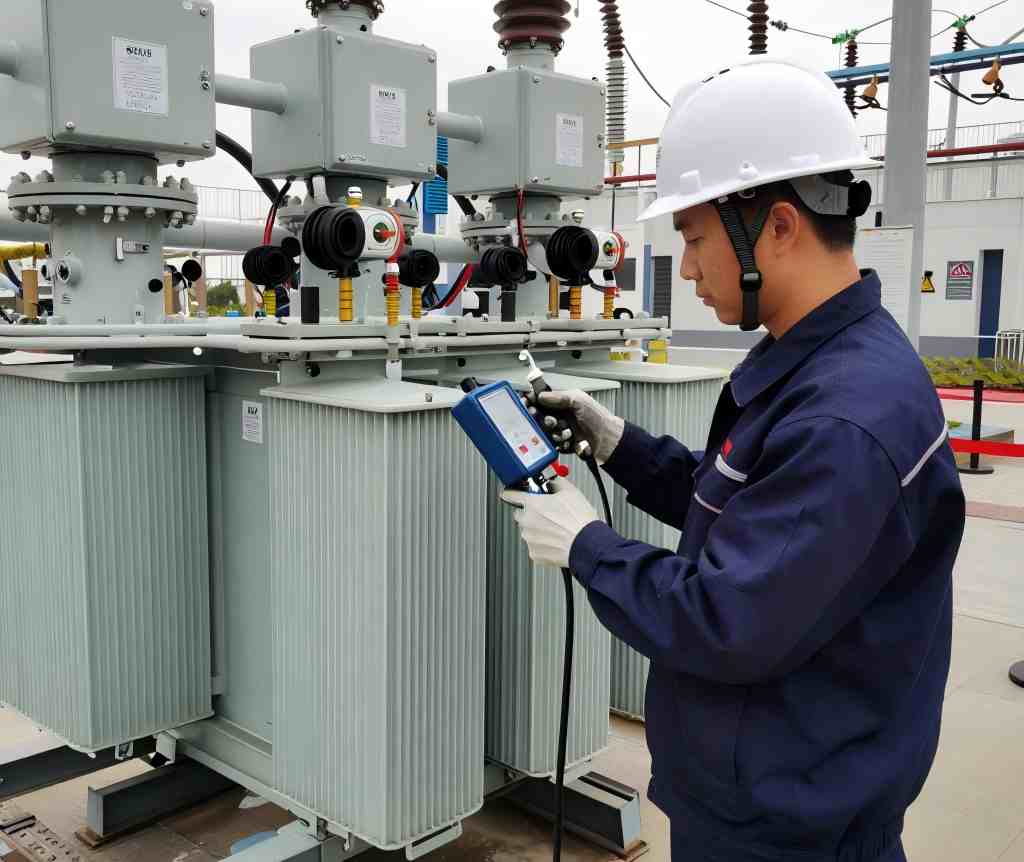
The environmental effects of SF6 gas leakage are based on how long it stays in the air and how much it can warm the planet. The Intergovernmental Panel on Climate Change (IPCC) says that SF6 is the strongest greenhouse gas that has been found so far. Over a 100-year period, it has a GWP that is about 23,500 times higher than that of carbon dioxide (CO2). This means that one kilogram of SF6 has the same effect on warming as 23.5 metric tonnes of CO2.
Apart from its high reactivity, SF6 is also known for its outstanding molecular stability. In the event of SF6 gas leakage, the gas spends around 3,200 years in the air. Unlike carbon dioxide, which is sequestered by oceans and trees, there is no ‘sink capacity’ for SF6. As a result, every quantum of it, which is let out by inefficient equipment handling of SF6, will stay in the stratosphere, and this will result in a slow global warming increment with time.
In 2026, the cumulative effect of small, undetected leaks from aging electrical infrastructure has become a primary concern for environmental regulators. Even minor leak rates—often less than 1% per year per piece of equipment—result in a substantial carbon footprint when calculated across national power grids. This has led to the current legal framework where the prevention of leakage is no longer a voluntary best practice but a mandatory industrial requirement.
2026 Regulatory Framework for SF6 Gas Recovery
Regulatory requirements in 2026 focus on the lifecycle of the gas, moving from a consumption-based model to a circular recovery model. The core of these regulations is the mandatory requirement for SF6 gas recovery during equipment maintenance, relocation, and decommissioning.
1. Mandatory Recovery Protocols
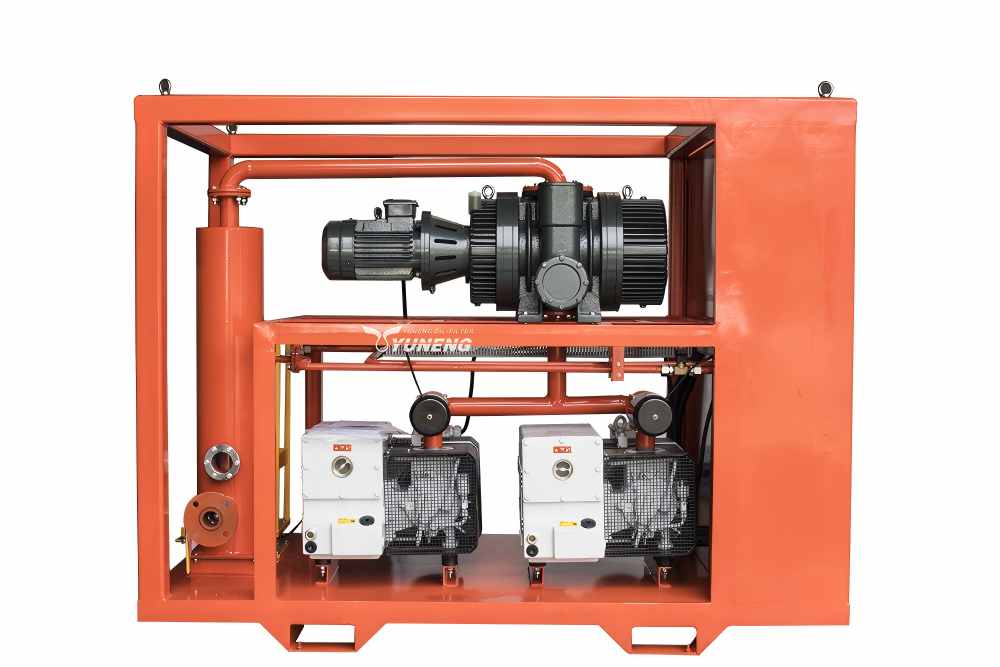
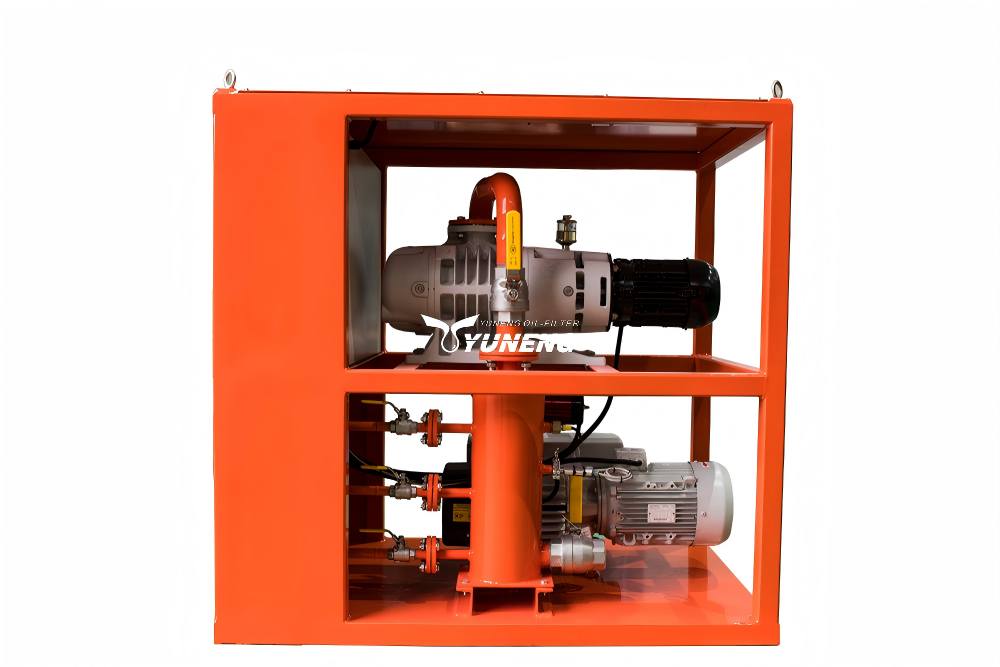
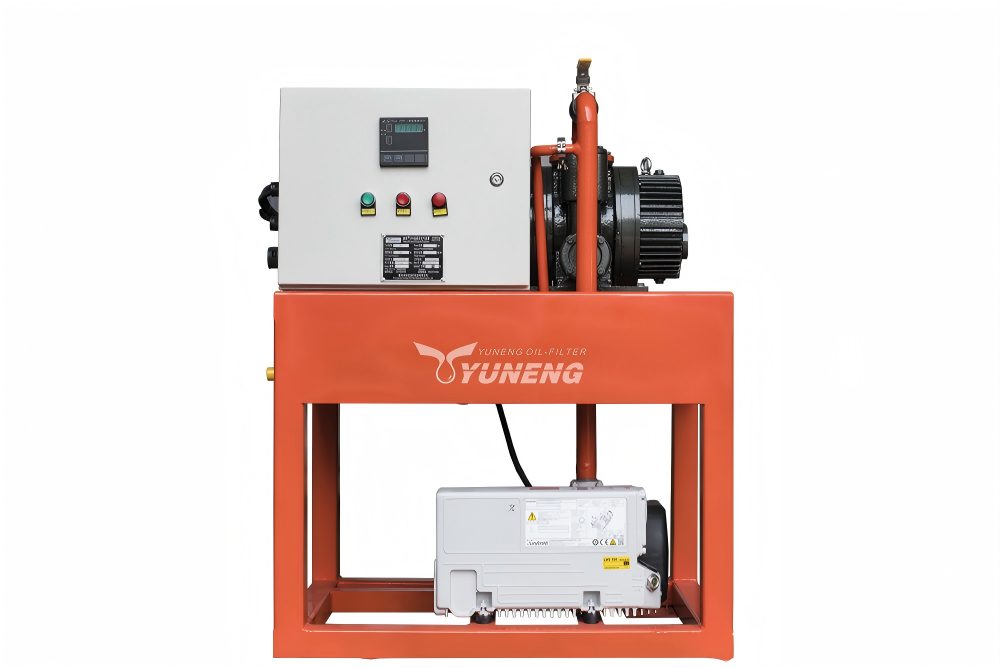
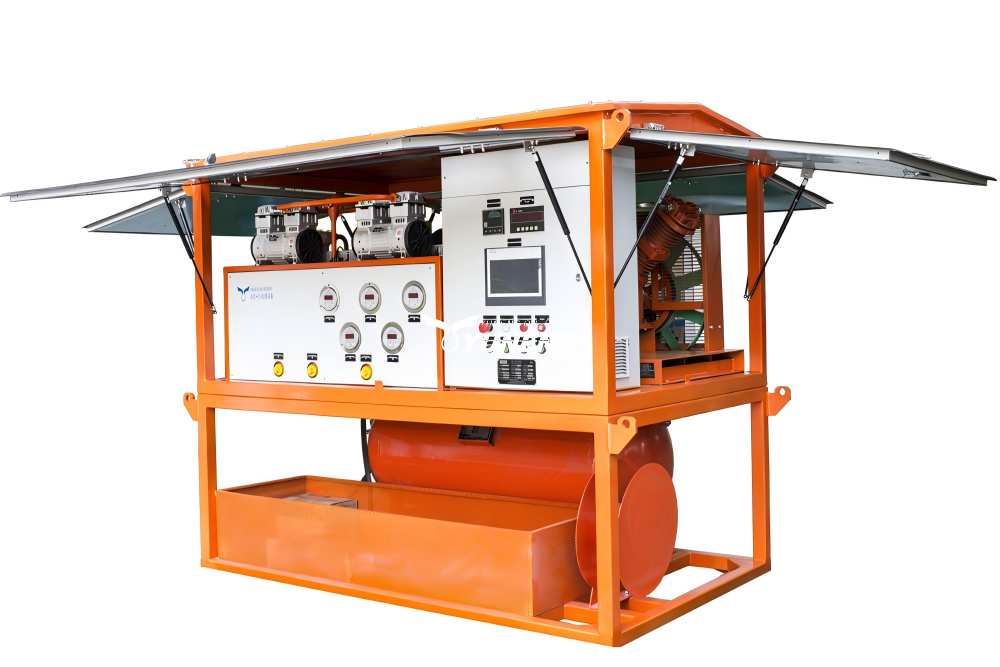
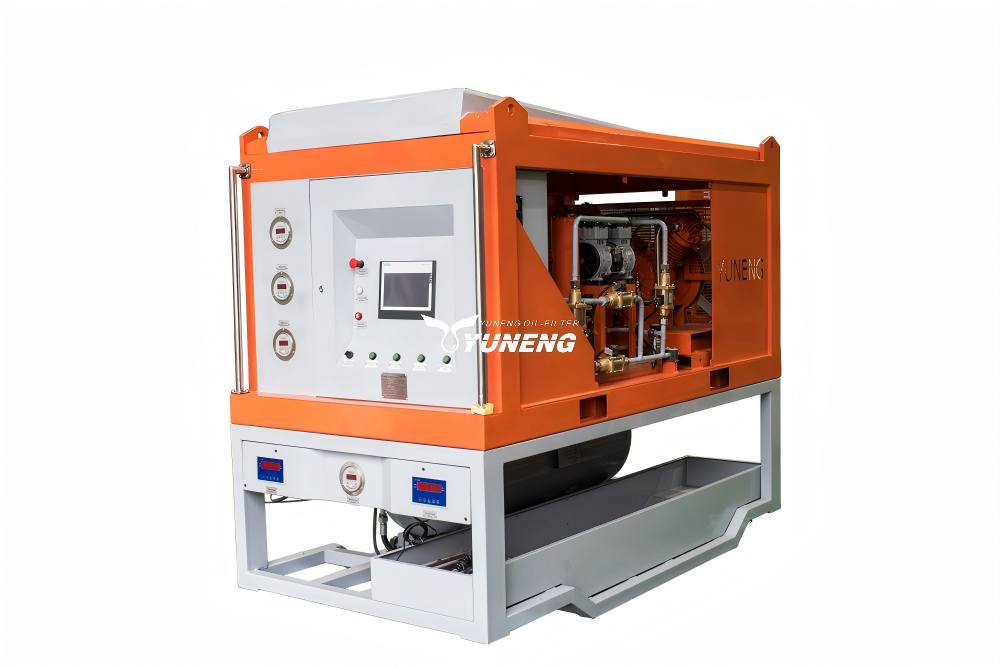
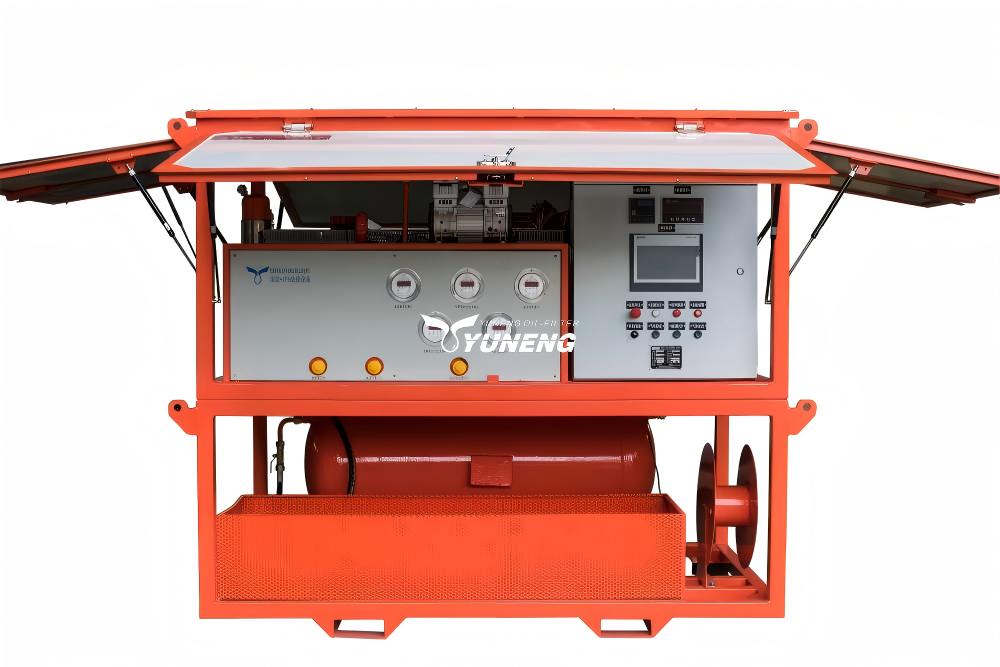
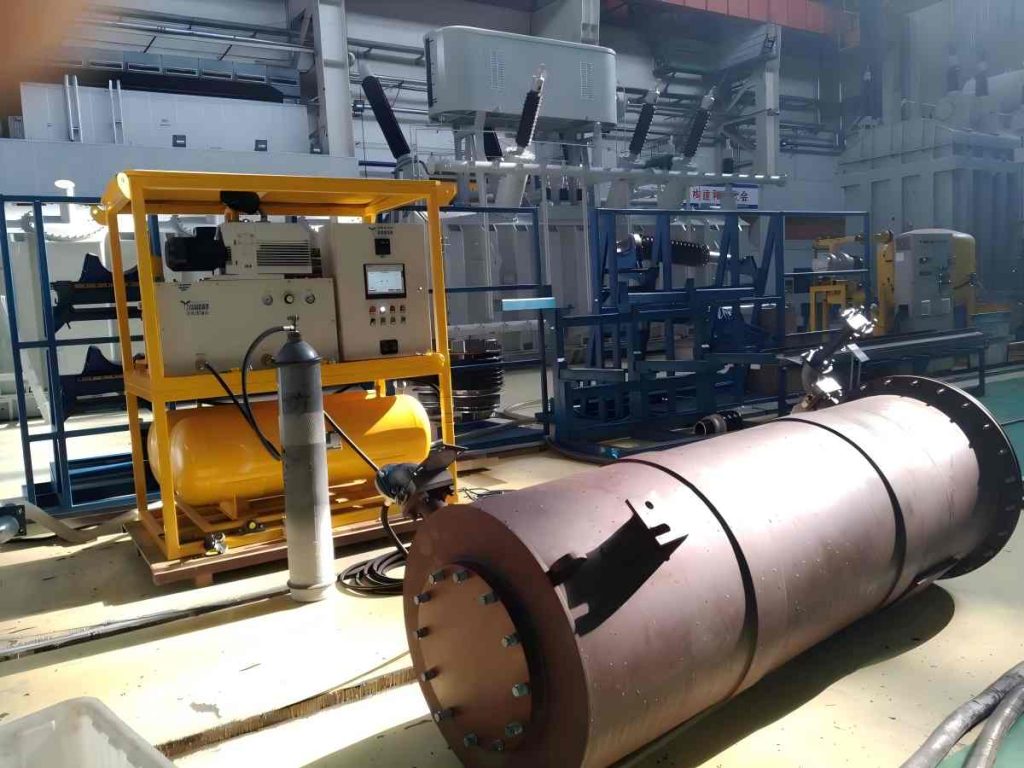
It is illegal in most countries to release SF6 into the air. However, when it comes to maintenance of gas-insulated switchgears, the operators have to use special SF6 gas recovery units. These devices are made to decant the gas from the electrical enclosure, get rid of the contaminants and the by-products of decomposition like sulphur dioxide and sulphur hexafluoride into the high-pressure gas bottles in case the refill is done.
2. Certification and Handling Standards
SF6 gas handling is restricted to certified personnel who have completed accredited training programs. These programs ensure that technicians understand the mechanical interfaces required to prevent “accidental venting” during the connection and disconnection of recovery hoses. Documentation is a critical component of 2026 regulations; every kilogram of gas purchased, recovered, or recycled must be logged in a centralized digital ledger to ensure “mass balance” accountability.
What are the Specific Requirements for Leak Control of SF6 Gas?
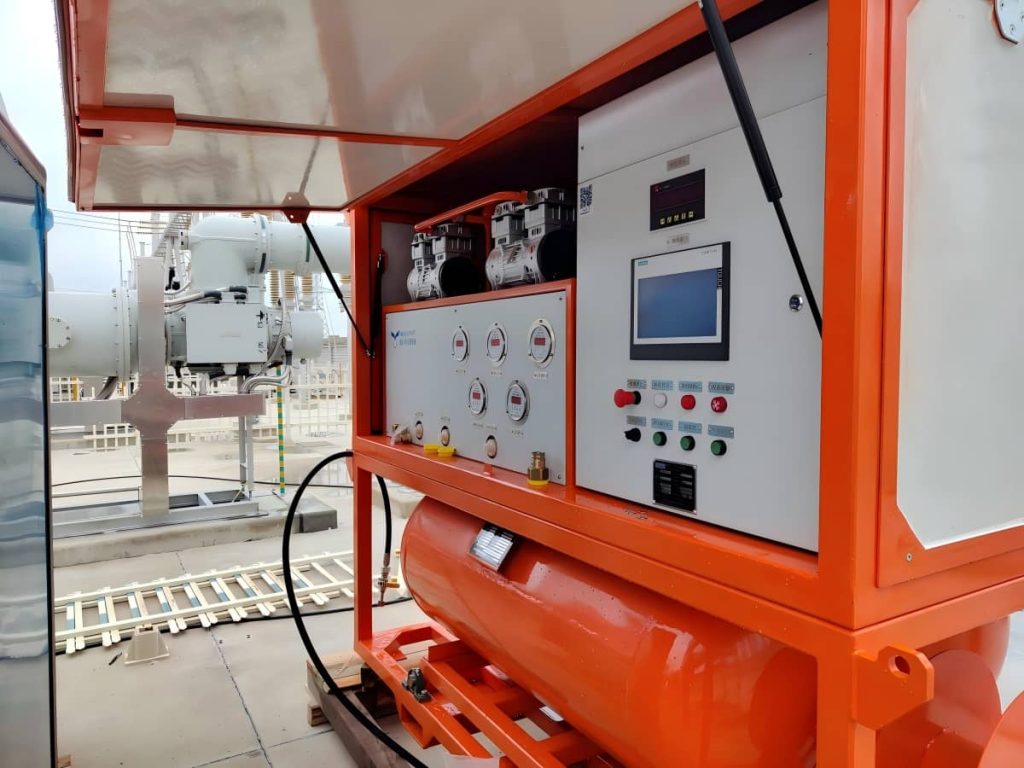
To address the risks associated with SF6 gas leakage, 2026 standards define specific technical and administrative requirements for leak control. These requirements apply to both the manufacturers of the equipment and the utility companies that operate them.
1. Maximum Allowable Leakage Rates
Starting from the year 2026, the maximum permissible leakage within the new equipment is empirically fixed at no more than 0.5% a year. For the older systems, however, such allowance is defined slightly differently, yet any piece of equipment with a rate of 1% a year must be used under immediate repair. The most important thing is that these limits are strictly controlled due to pressure profiling and the density meters’ database annual inspections.
2. Advanced Detection Technologies
Manual inspections are no longer considered sufficient for compliant SF6 gas management. Operators are required to implement at least two of the following detection methods:
- Fixed Gas Density Monitoring: Detection of gas pressure within closed systems through electronic methods and alarm systems in the system that trigger upon pressure decrease and take the variation in temperature into account.
- Infrared Optical Gas Imaging (OGI): A type of infrared camera that is used to detect SF6 gas by scanning the gas molecules’ vibrational spectra. Allowing to find and pinpointing of the location of gas leaks that are impractical to see unaided.
- Laser Leak Detection: Precision handheld types that can read out SF6 ppm in the parts per billion range, in contrast to handheld cameras at a distance of seven meters.
3. Reporting and Inventory Management
Utilities must maintain an “SF6 Inventory Log.” This log tracks the total mass of gas contained within all assets. If the total volume of gas required to top up equipment during a fiscal year exceeds the expected threshold based on nameplate capacities, the organization is subject to “leakage penalties” or carbon taxes. Effective SF6 gas management requires a systematic audit of these logs every six months.
4. End-of-Life Handling
When a piece of equipment reaches the end of its operational life (typically 30 to 40 years), the SF6 gas recovery process must achieve a vacuum level of less than 20 mbar. This ensures that the residual gas remaining in the tank is negligible before the metal hardware is sent for recycling.
Operational Standards for SF6 Gas Handling
To handle SF6 gas correctly, you must follow strict rules for safety and purity. When electric arcs hit SF6, it breaks down into harmful byproducts. So, in 2026, handling procedures stress the use of Personal Protective Equipment (PPE) and chemical filtration.
The process of SF6 gas recovery now typically involves a three-stage purification system:
- Drying: Removal of moisture to prevent the formation of hydrofluoric acid.
- Filtering: Removal of solid particulate matter (metal dust from arcing).
- Scrubbing: Utilization of activated alumina or molecular sieves to remove gaseous decomposition products.
Once the gas has undergone purification treatment, it must be tested to ensure it complies with the IEC 60480 standard, for the reuse of sulfur hexafluoride gas. If the gas cannot be restored to the required purity level, it must be transported to a specialized facility for thermal destruction treatment. Through high-temperature plasma incineration, the sulfur hexafluoride molecules are decomposed into harmless fluorides.
The process of managing SF6 gas in 2026 demands three essential components, which include technological advancements, complete and accurate documentation, and specialized technical expertise. The gas has an extremely high global warming potential, so SF6 gas leaks create serious environmental harm and corporate compliance problems. The electrical industry can achieve grid reliability through its mandatory SF6 gas recovery regulations, together with its exact SF6 gas handling procedures, which reduce global climate change effects. Environmental protection against this powerful greenhouse gas depends on two main strategies, which are continuous monitoring and the use of zero-emission recovery systems.