How to Reduce Acidity in Aging Transformer Oil: Purification vs Regeneration

Oil Purification & Vacuum Technology Expert
Table of Contents
In the power distribution and transmission industry, the dielectric health of transformer oil determines the operational lifespan of high-voltage assets. While routine maintenance often involves the use of a vacuum transformer oil purifier, many maintenance engineers encounter a persistent technical challenge: the total acid number (TAN) remains high even after multiple filtration cycles. This article examines the technical reasons behind persistent acidity and provides a detailed methodology for restoring oil quality using a transformer oil regeneration plant.
The Technical Limitation of Vacuum Purification
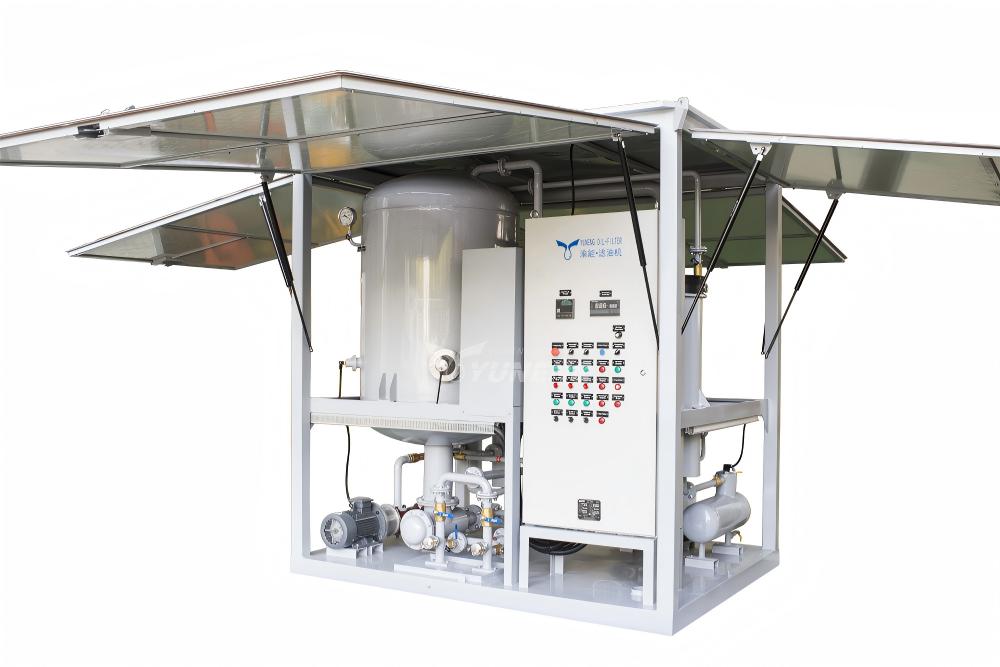
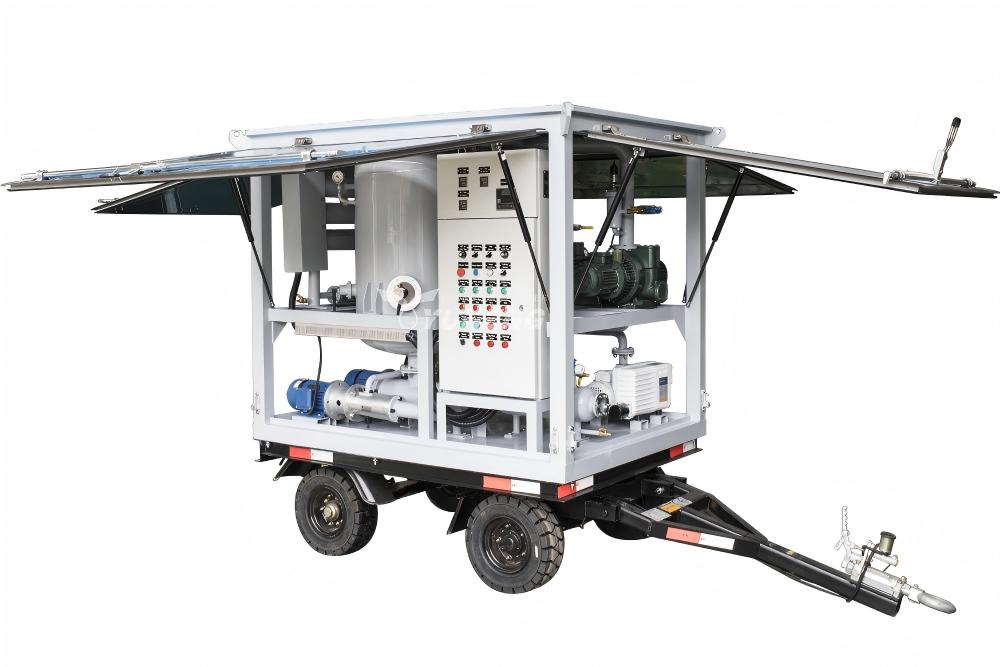
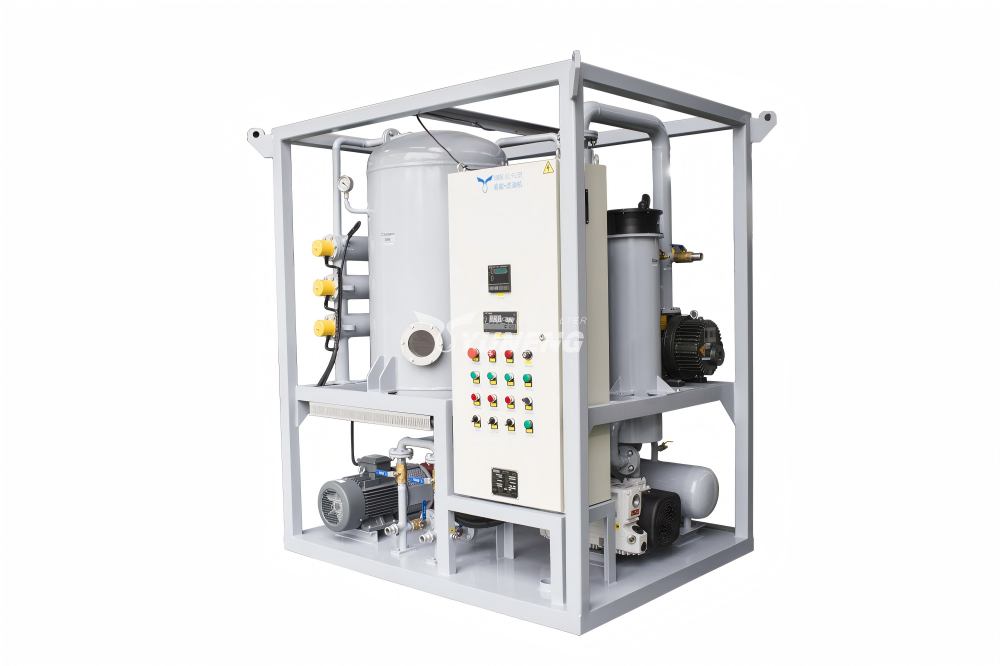
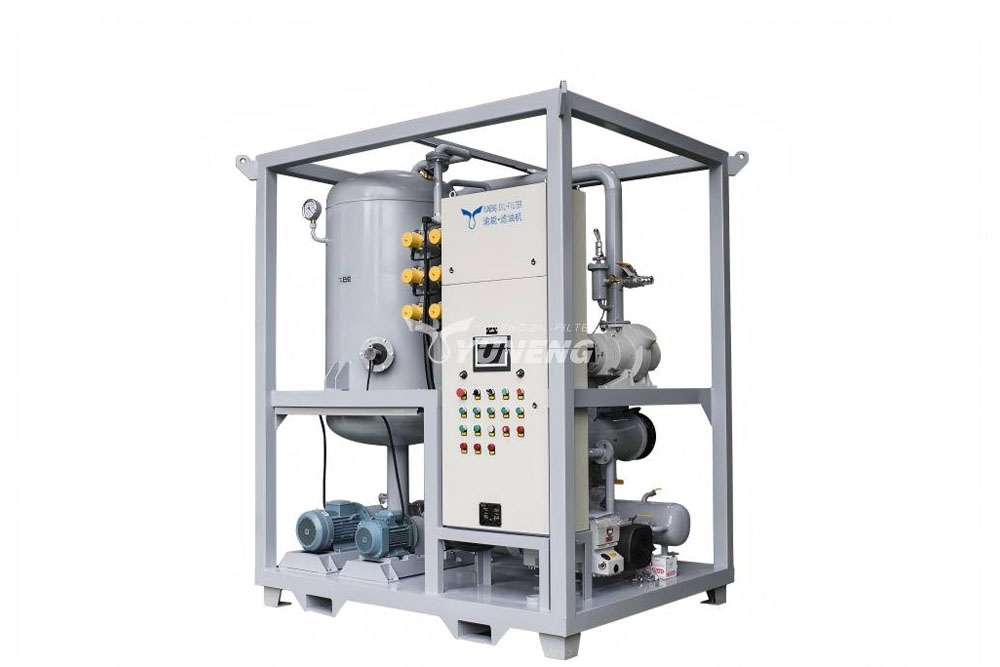
A standard vacuum transformer oil purifier is designed primarily for the physical conditioning of insulating oil. This equipment excels at removing dissolved water, combustible gases, and solid particulate matter. It utilizes the principle of vacuum distillation, where oil is heated and exposed to a low-pressure environment to flash off moisture and gases.
However, as transformer oil ages, it goes through a chemical process called oxidation. This process forms polar impurities such as peroxides, alcohols, aldehydes, and organic acids. Such acidic substances are not easily removed from the oil by vacuum and mechanical filters, since they are chemically bound within the hydrocarbon material of the oil with high boiling points. This means that visual clarity can be regained after the use of purifiers, and moisture can also be eliminated with ease, but it is difficult to reduce chemical acidity in aging oil.
Addressing Low Breakdown Voltage After Filtration
One of the most frequent queries in transformer maintenance is why transformer oil breakdown voltage too low after filtration remains a problem. If a technician has successfully removed all water and particles, the dielectric strength (breakdown voltage) should theoretically reach its maximum. If it does not, the cause is usually related to one of the following factors:
1. Dissolved Polar Contaminants: The organic acids and oxidation by-products are polar molecules. The molecules create a conductive pathway through which electrical arcs can move across the oil at reduced operational voltage because they align under electrical stress.
2. Internal Sludge Deposits: Sludge from oxidation products accumulates on the internal windings and cooling fins of older transformers. The transformer uses clean oil as a solvent, which redissolves the acidic sludge and re-contaminates the filtered oil.
3. Inadequate Removal of Gases: The vacuum level in the purifier needs to fulfill or go beyond the transformer voltage class specifications since micro-bubbles can substantially lower the breakdown voltage.
To resolve these issues, the maintenance strategy must shift from simple physical purification to chemical regeneration.
How to Reduce Acidity in Aging Transformer Oil
To effectively manage the chemical decay of insulating fluids, operators must implement a specific chemical treatment process. Below is the technical procedure for how to reduce acidity in aging transformer oil:
1. Diagnostic Testing
Before treatment, a full physico-chemical analysis is required. This includes measuring the Total Acid Number (TAN), Interfacial Tension (IFT), and color scale. If the TAN exceeds 0.1 mg KOH/g, the oil is considered to be in the “marginal” or “bad” category according to IEC 60422 standards.
2. Integration of a Transformer Oil Regeneration Plant
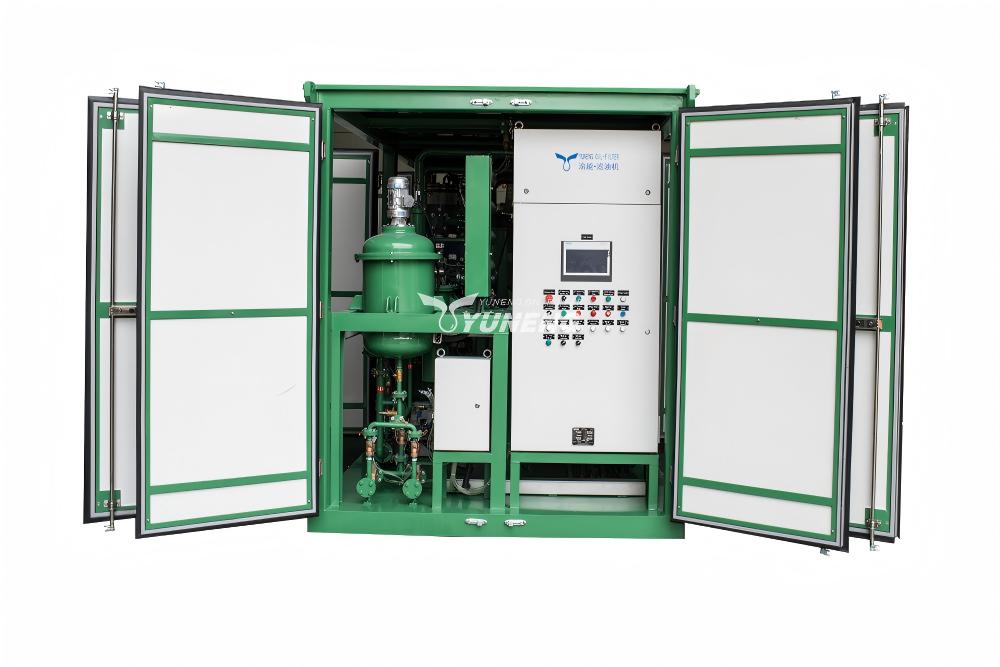
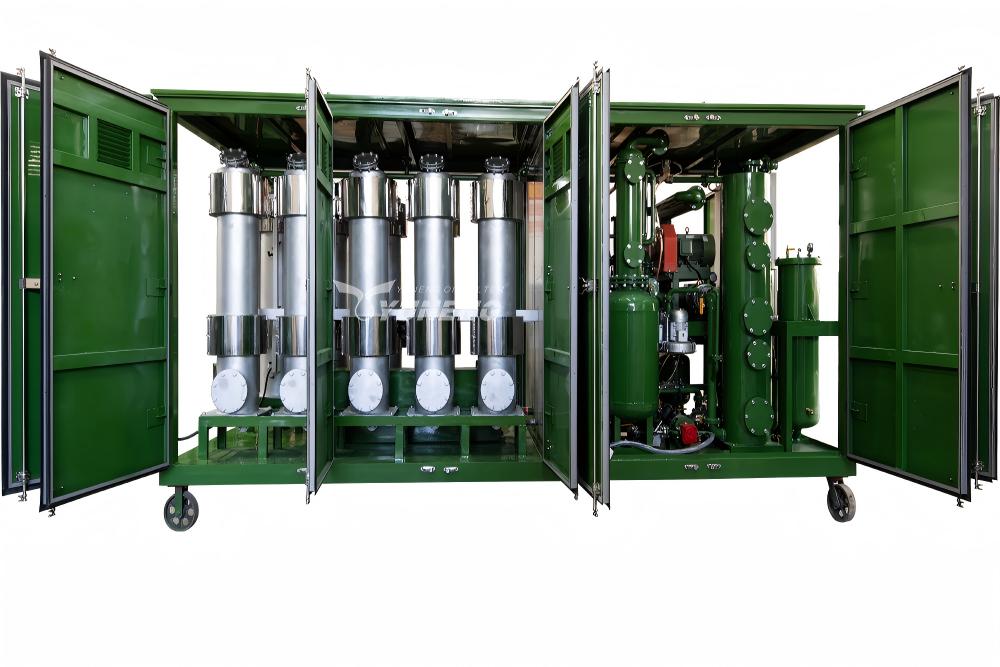
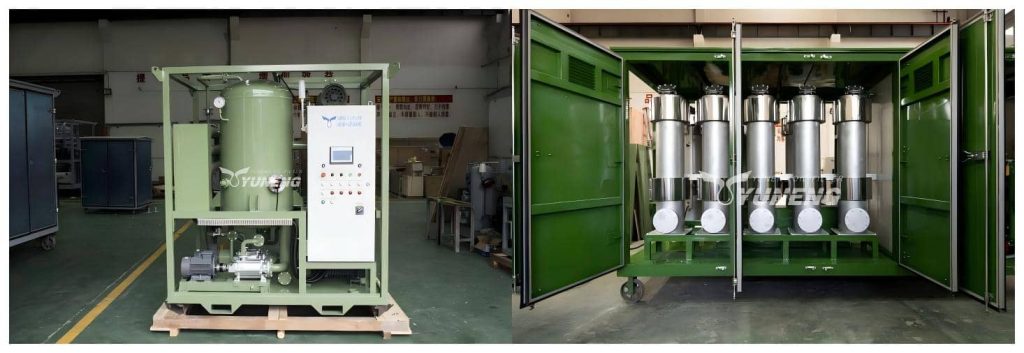
A transformer oil regeneration plant incorporates an additional chemical stage beyond standard vacuum dehydration. The system pumps the oil through columns filled with an adsorbent media, typically Fuller’s Earth (Attapulgite clay) or specialized molecular sieves.
The adsorbent media operate through a “polar adsorption” mechanism. The active sites of clay surface attract polar acidic molecules, which become trapped in its porous structure. The non-polar oil molecules pass through the media unaffected. The process successfully removes organic acids and decaying products from the oil.
3. Maintaining Temperature and Flow
For optimal desitification, the oil must be maintained at a specific temperature (usually 55°C to 65°C) to lower viscosity and improve the diffusion rate of acids into the adsorbent pores. The flow rate must be controlled to ensure sufficient contact time between the oil and the media.
4. Post-Regeneration De-gasification
After the chemical treatment, the oil must pass back through the vacuum chamber of the vacuum transformer oil purifier to remove any air introduced during the adsorption stage and to ensure final moisture levels are below 5-10 ppm.
5. Inhibitor Addition (Inhibition)
The regeneration process removes not only the harmful acids but also the natural oxidation inhibitors found in the oil. Once the oil has reached the target TAN level (typically <0.03 mg KOH/g), a synthetic antioxidant, such as DBPC (2,6-di-tert-butyl-para-cresol), must be added back to the oil to prevent rapid re-oxidation.
Comparative Performance: Purifier vs. Regeneration Plant
The following table outlines the performance differences between standard physical purification and the chemical regeneration process for aging transformer oil.
| Parameter | Before Treatment | After Vacuum Purifier | After Regeneration Plant |
| Water Content | 50 ppm | < 5 ppm | < 5 ppm |
| Breakdown Voltage | 25 kV | 55-60 kV | > 70 kV |
| Total Acid Number | 0.25 mg KOH/g | 0.24 mg KOH/g | < 0.03 mg KOH/g |
| Interfacial Tension | 18 mN/m | 19 mN/m | > 40 mN/m |
| Color | Dark Brown | Dark Brown | Pale Yellow (Clear) |

The Economic and Environmental Value of Regeneration
Utilizing a transformer oil regeneration plant provides several objective advantages for utility companies and industrial plants:
1. Asset Life Extension: The acidic oil present in the system causes faster hydrolysis of the transformer’s solid paper insulation, which results in its complete degradation. The transformer requires the oil acidity to be decreased because paper insulation cannot be removed from the system.
2. Cost Reduction: The process of regenerating used oil creates better cost savings through oil regeneration because it requires less money than buying new oil, together with the costs linked to oil disposal and transportation.
3. Operational Efficiency: The regeneration process allows “on-line” execution because transformers can remain powered without requiring any power interruptions that would affect facility operations.
4. Sustainability: The process of reclaiming oil decreases environmental damage, which results from producing new mineral oil, together with the process of burning waste oil.
Conclusion: Selecting the Correct Equipment
The equipment selection for transformer maintenance needs to match the oil condition to achieve proper maintenance. A vacuum transformer oil purifier functions as the correct equipment solution when the oil shows newness but contains water contamination from a seal leak. The purifier will not deliver permanent results when the oil shows a dark color and has operated for multiple years, and its acidity level exceeds 0.1 mg KOH/g.
In cases where the transformer oil breakdown voltage is too low after filtration, the root cause is almost certainly chemical decay. The only reliable method for reducing acidity in aging transformer oil is the application of a transformer oil regeneration plant. By removing polar contaminants and restoring the oil’s chemical balance, operators ensure the reliability of the electrical grid while achieving substantial cost and environmental benefits.