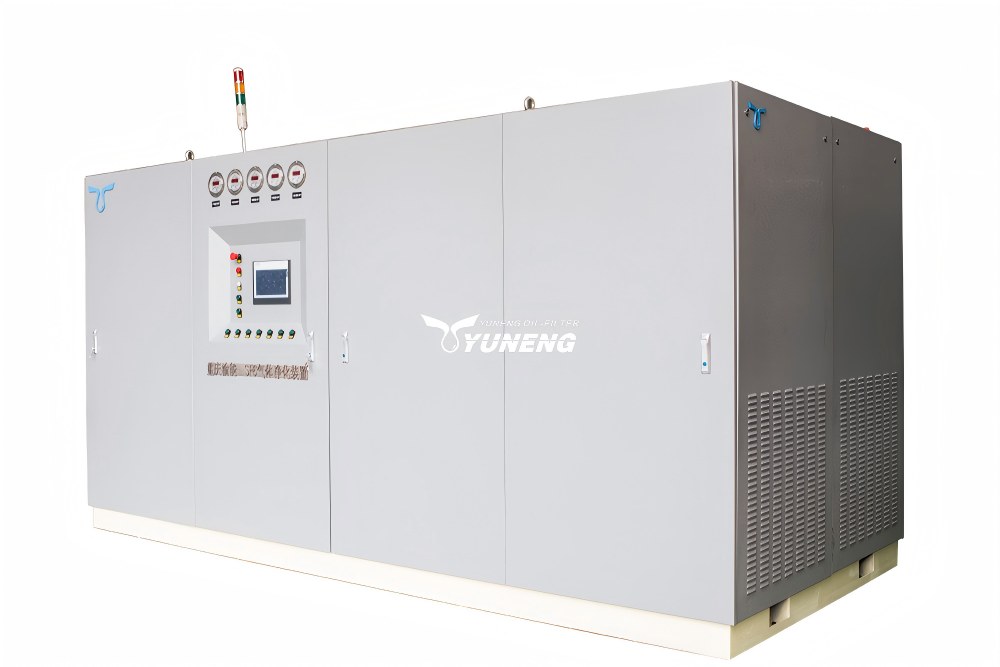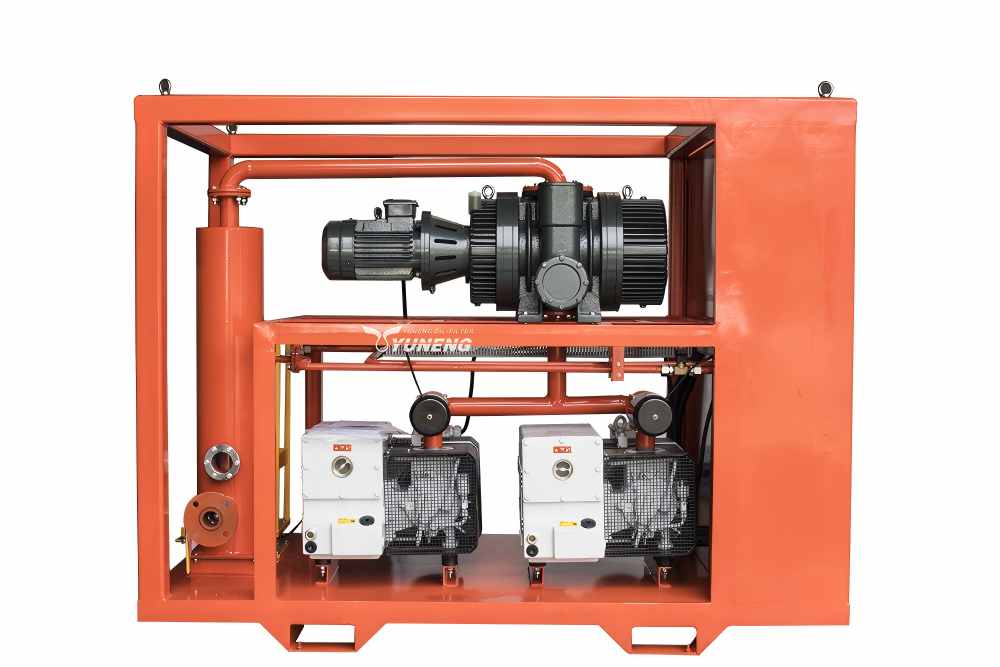
Selection Guide for SF6 Gas Handling Equipment in Small-Scale Substations
Table of Contents
In today’s electrical grid system scenario, SF6 gas management is an important operational need. By the year 2026, the global environmental laws concerning greenhouse gases will have become more stringent. The utilities now have to ensure proper monitoring, recycling, and management of SF6 assets. Substations that operate small distribution systems using voltages below or equal to 110kV need special SF6 gas handling equipment, which must be portable and precise in its performance, in compliance with the IEC 60480 standard. This paper provides practical guidance on how to acquire these SF6 gas handling assets.
Technical Indicators and Selection Parameters
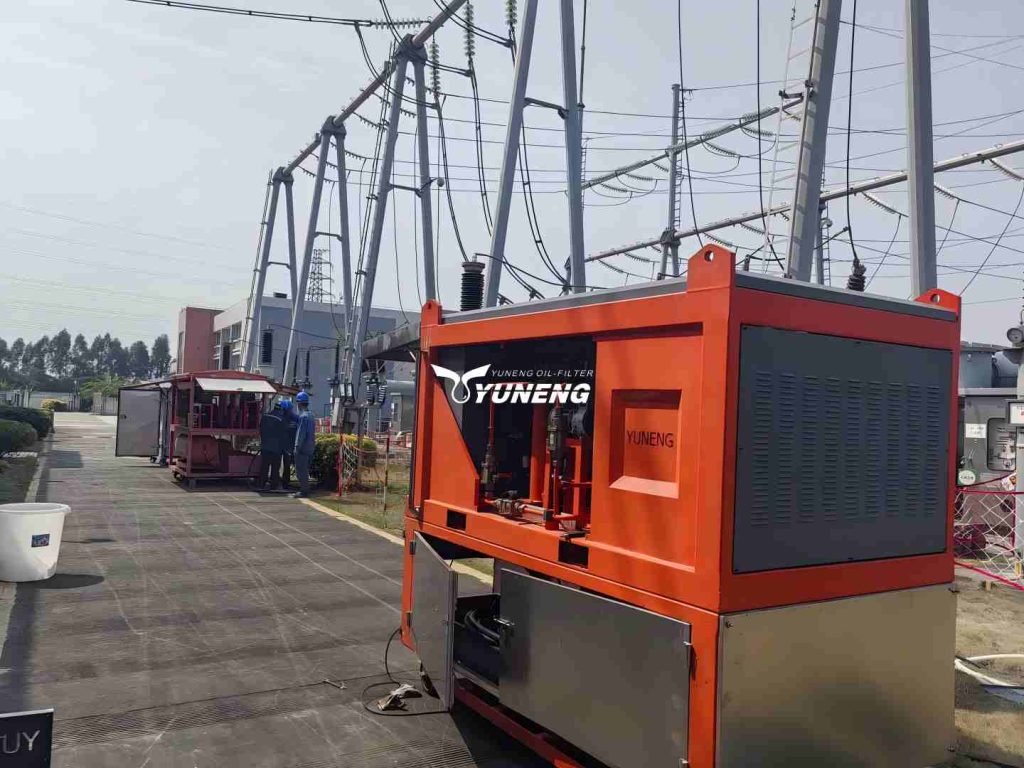
The process of selecting SF6 gas handling equipment requires an objective assessment of specific operational metrics. Because the equipment is intended for small-scale deployment, balancing weight with capacity is the primary engineering constraint.
1. Flow Rate and Processing Efficiency
The flow rate decides the time needed for maintenance works. In the case of smaller substations, it would be enough to use a flow rate of 10m³/h to 30m³/h. Flow rates higher than 50m³/h are usually used in transmission level GIS. When engaging in the selection of SF6 recovery equipment, engineers must calculate the total gas volume of the GIS compartments. A unit with a 15m³/h rating is standard for routine maintenance, whereas a 30m³/h unit is better suited for sites requiring rapid turnarounds.
2. Vacuum Performance
The final stage of the vacuum attained by the evacuation pump determines the well-being of the GIS devices. Portable SF6 gas management equipment must always attain an ultimate vacuum of less than 10 Pa (ideally 1 Pa in superior quality units). This guarantees the effective elimination of moisture and air prior to recharging the device with reclaimed SF6 gas. Operating a device that does not meet this requirement may lead to moisture buildup inside the switchgear, forming acids from their breakdown.
3. Purification Standards
Recycling is a core function of any SF6 gas recycling machine. The purification system must effectively remove three primary contaminants: moisture, oil mist, and solid particles (decomposition by-products). Modern units utilize molecular sieve desiccant filters and high-efficiency particle filters. In terms of the evaluation of an SF6 gas purification unit, the datasheet of such equipment should indicate moisture removal capacity along with filtration micron ratings. IEC 60480 standards are commonly used as a reference in terms of reusing SF6 gas.
How to Choose Correct SF6 Gas Handling Equipment in Different Phases?
Substations require different configurations of SF6 gas handling equipment depending on the specific maintenance or installation phase. Identifying the correct unit type prevents capital expenditure on unused features.
Phase 1: General Maintenance and Routine Inspection
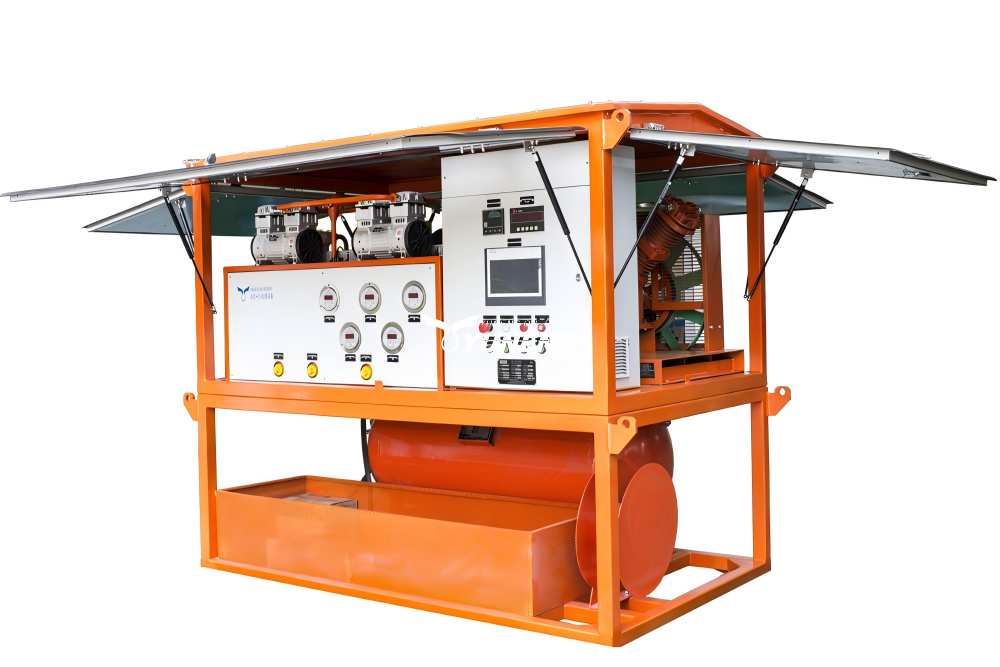
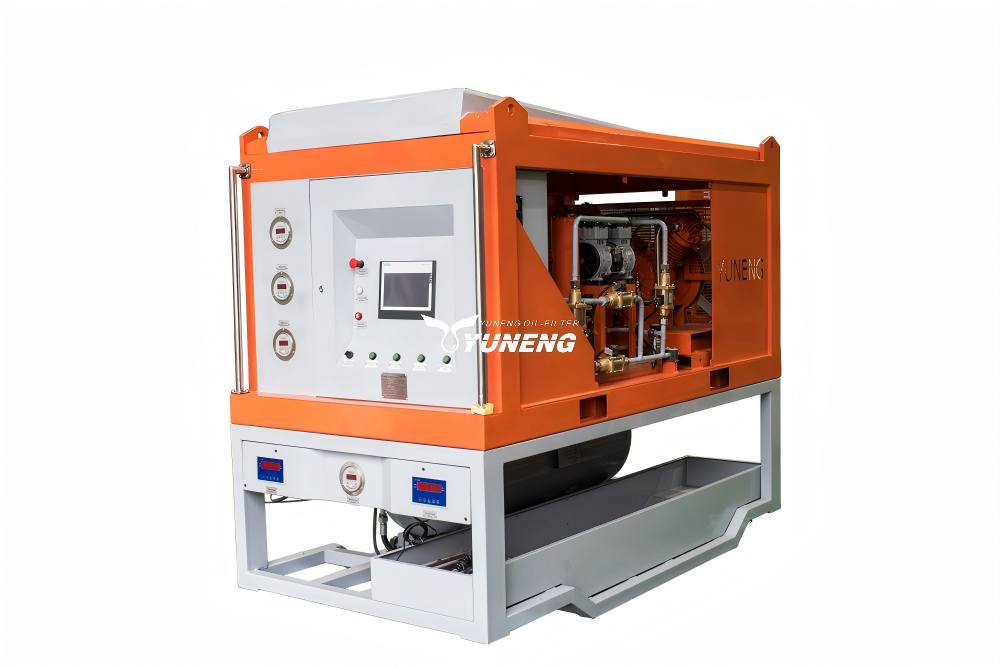
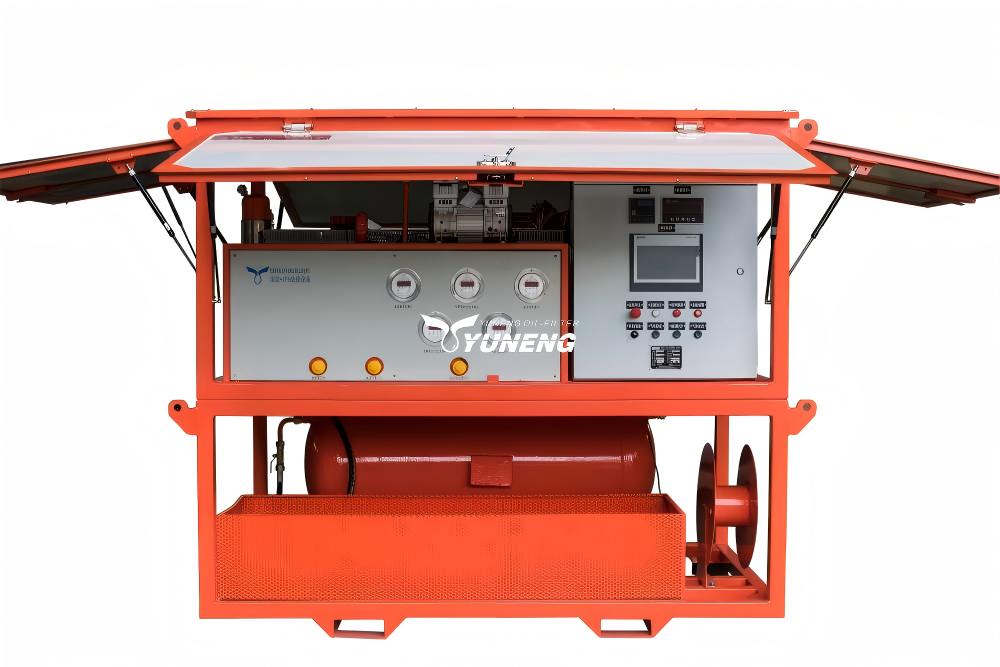
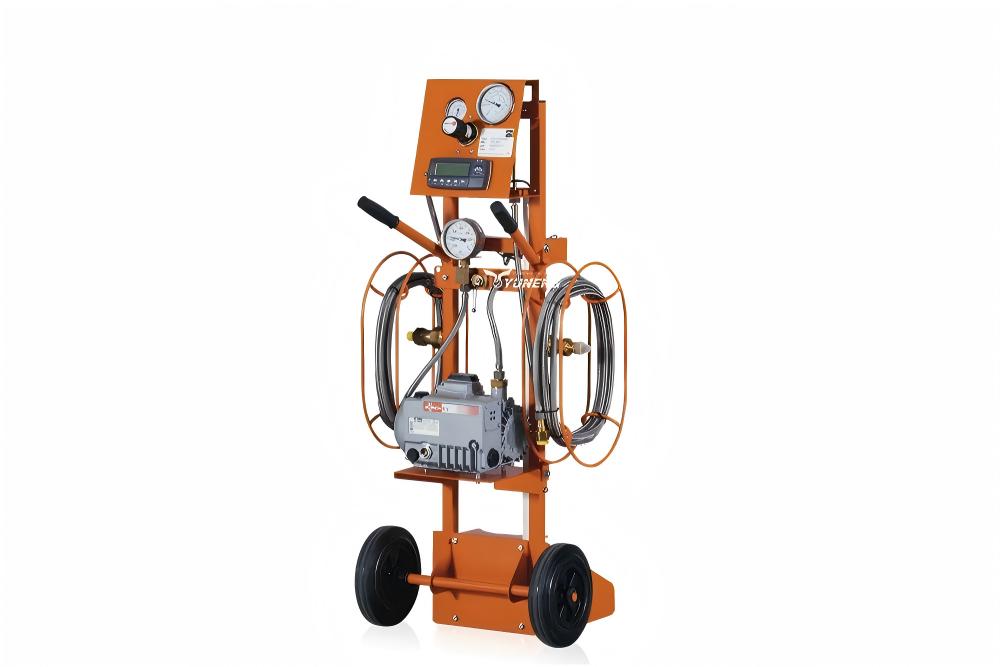
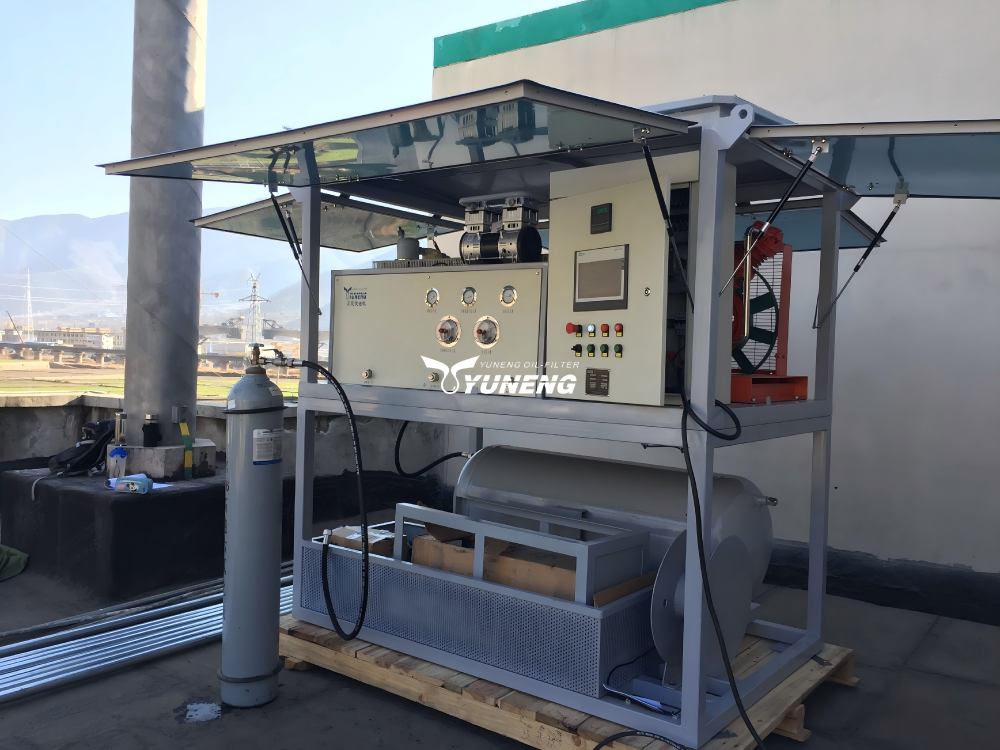
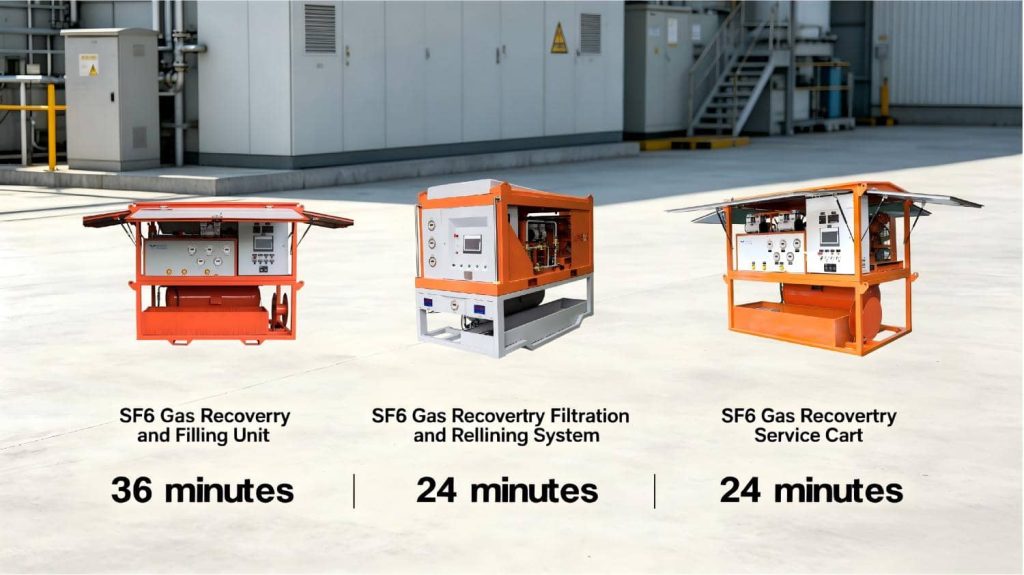
For routine maintenance, where the primary objective is the recovery of gas for equipment testing or the addition of small volumes, an integrated unit is recommended. The use of SF6 gas handling equipment that integrates SF6 recovery, filtration, and storage processes simplifies the entire process flow. Such equipment is usually designed with wheels so that it can easily be moved from bay to bay within the substation premises.
Phase 2: High-Demand Replenishment
In scenarios involving leak repairs or the expansion of switchgear capacity, the priority shifts to SF6 gas filling equipment. Precision is the requirement here. The device must provide accurate mass flow control or electronic weighing to ensure the correct density of gas is injected. While an SF6 gas recycling machine is built for suction and cleaning, dedicated filling devices are engineered for high-pressure delivery and stabilization. In small substations, a modular system that can be upgraded with a dedicated filling module is a cost-effective strategy.
Phase 3: Deep Purification and Regeneration
Older substations with long-standing SF6 assets often contain gas that has degraded over time. In these instances, a specialized SF6 gas purification unit is necessary. Unlike standard recovery units, these systems utilize multi-stage distillation or high-capacity catalytic conversion to restore gas purity to new-gas specifications. This is essential for preventing the failure of older insulation systems.
Decision Matrix for SF6 recovery equipment Procurement
When evaluating the selection of SF6 recovery equipment, the following table outlines the technical decision-making process based on substation operational profiles.
| Operational Factor | Requirement | Equipment Metric |
| GIS Gas Volume | < 50 kg | 10m³/h – 15m³/h Flow Rate |
| GIS Gas Volume | > 50 kg | 30m³/h+ Flow Rate |
| Maintenance Frequency | Low (Annual) | Mobile recovery cart |
| Maintenance Frequency | High (Monthly) | Integrated recovery/purification system |
| Environmental Target | 99.9% Purity | Regeneration-grade purification unit |
| Operation Space | Restricted | Compact, low-profile chassis |
Compliance and Operational Best Practices
The 2026 landscape for power grid operations places high emphasis on the “closed-loop” handling of insulating gases. Every time a technician operates the SF6 gas handling equipment, the process generates data that may be subject to an environmental audit.
1. Digital Record Keeping
Modern systems now include PLC-based control panels that log the amount of gas recovered, the pressure achieved, and the quantity of gas returned to the GIS. The creation of the digital footprint becomes imperative when computing the leakage rate annually. Systems without this capability of logging data will become obsolete since they will not be able to prove their carbon footprints.
2. Operator Safety and Containment
It is equally important for the safety of the technician as for maintaining the GIS. The SF6 gas handling equipment should have the capability of double-seal quick-connect couplers. They will not allow any gas leakage when making or breaking the connections between the hose line. In addition, it is imperative that there be moisture monitors incorporated within the system to indicate the saturation point of the desiccants.
In terms of choosing the SF6 recovery unit, one must take into account the product’s lifecycle. The choice of a modular design provides for possible upgrades to hoses or filter units in case the utility decides to manage other gas mixtures at some point in the future. The importance of providing long-term maintenance services by the equipment manufacturer cannot be underestimated.
Conclusively, efficient management of SF6 assets in small substations involves the use of the correct technical equipment with high precision. It is achieved by matching the flow rate and purification ability of the SF6 gas handling equipment to those that are required for proper functioning within the substation.
FAQ
Q1: What should be the SF6 gas handling apparatus flow rate for small substations?
A1: In a small substation, where the voltage level does not exceed 110kV, it is suggested that their flow rate ranges from 10m³/h to 30m³/h. The exact number can be chosen considering the total gas volume of GIS compartments, which is usually 15m³/h for normal work, and 30m³/h for faster completion of tasks.
Q2: Why is there a need for an SF6 gas purifier in old substations?
A2: In old substations, due to moisture content in the SF6 gas as well as sulfur fluoride gases from electric discharges, purification will be needed to make the gas usable again.
Q3: Can a portable SF6 recovery unit perform both vacuum pumping and gas filling?
A3: Yes, high-quality, modern portable SF6 handling systems are designed as multifunctional units. They are equipped with high-vacuum pumps for air and moisture removal, followed by compressor-driven cycles to recover gas into storage tanks and precisely refill the GIS after maintenance.