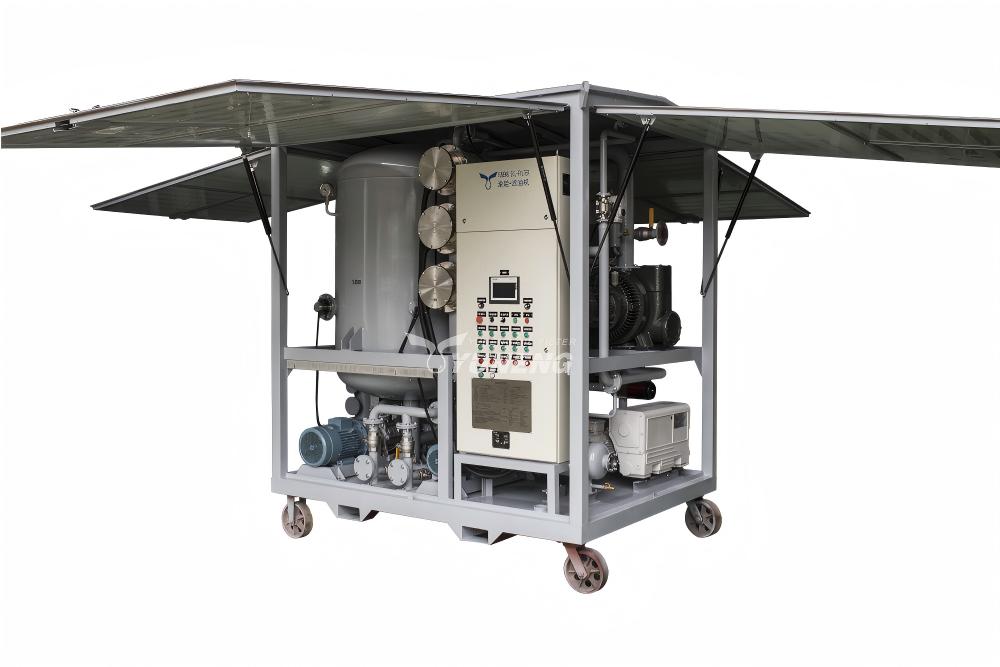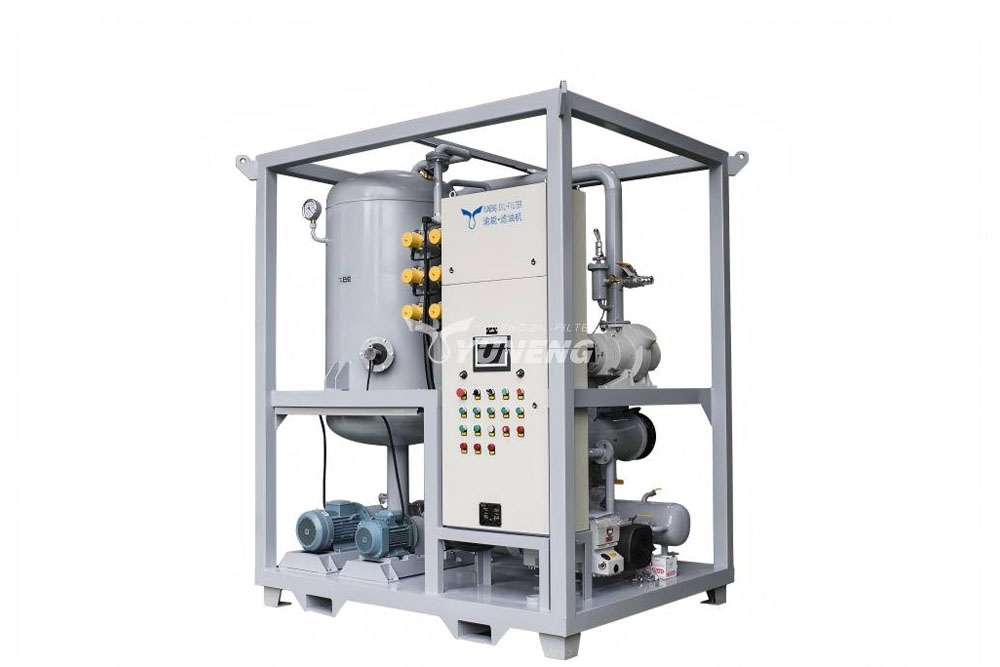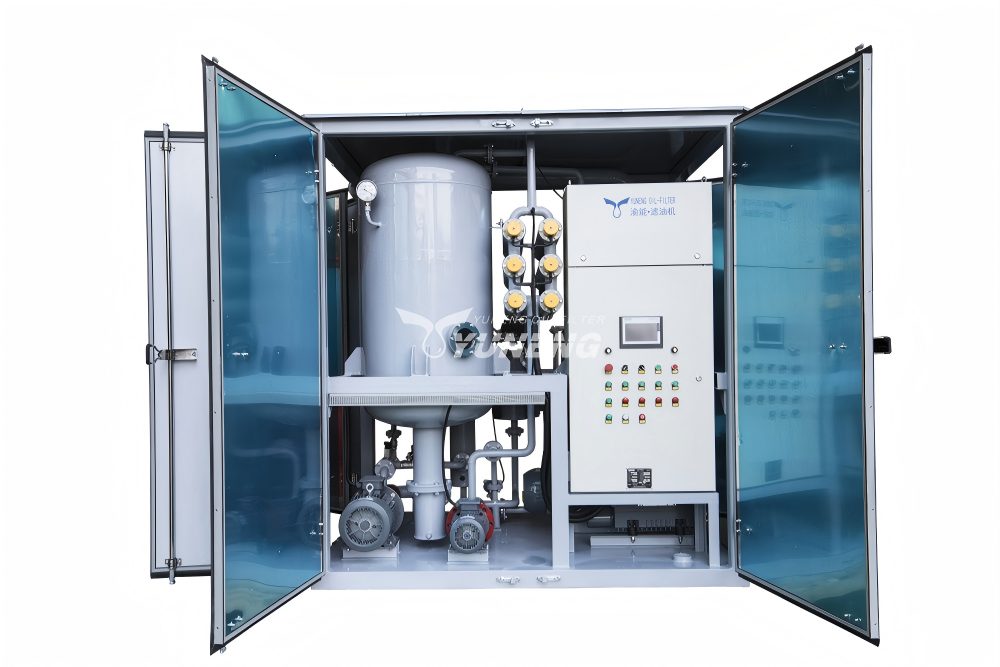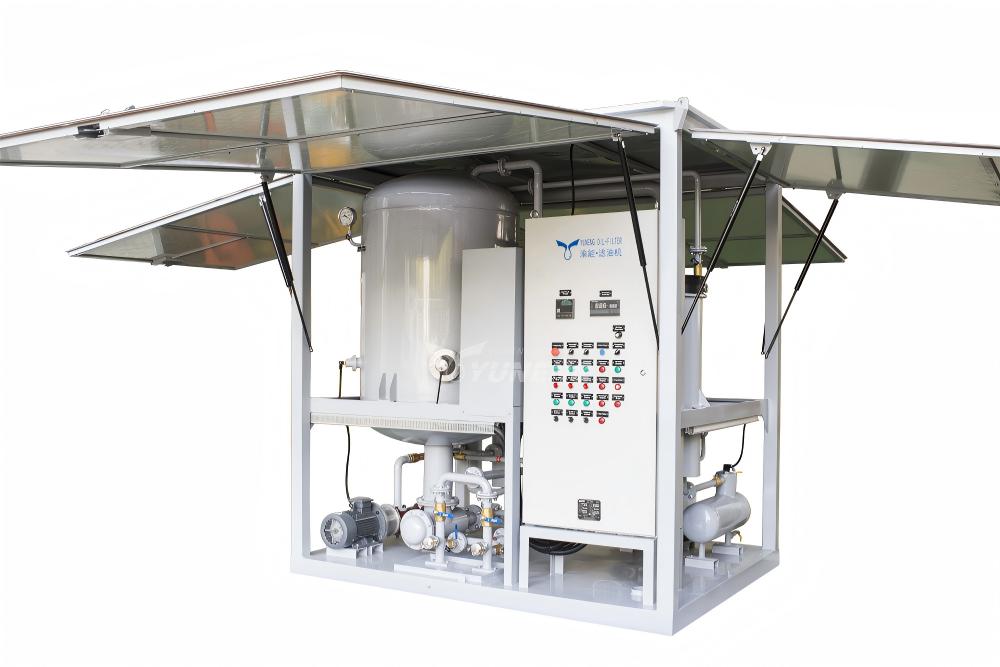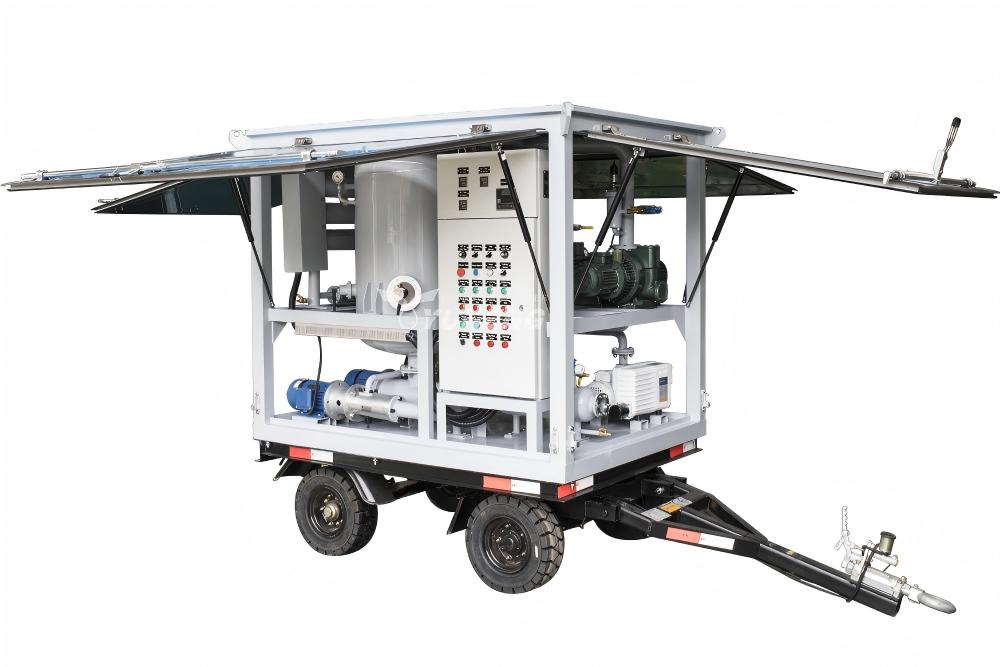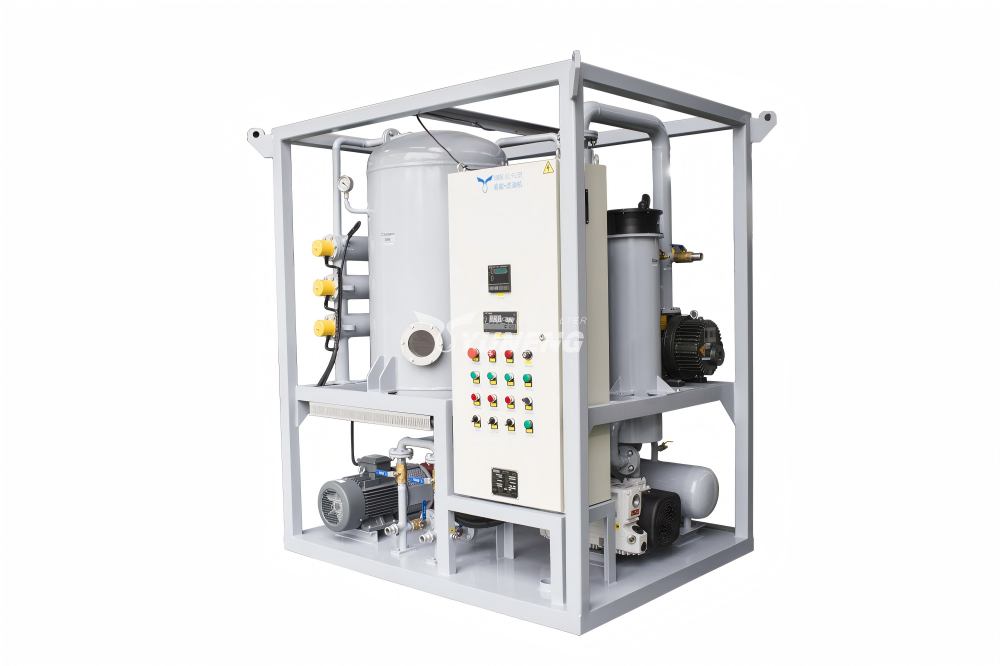
Cloudy Oil After Using a Transformer Oil Filtration Machine

Oil Purification & Vacuum Technology Expert
Table of Contents
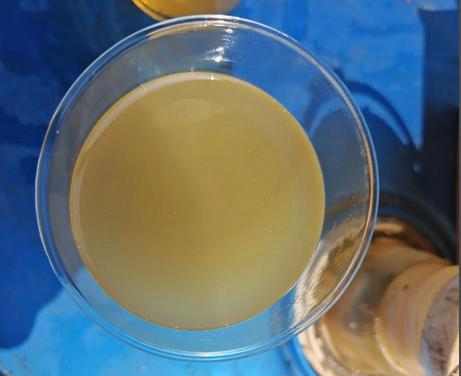
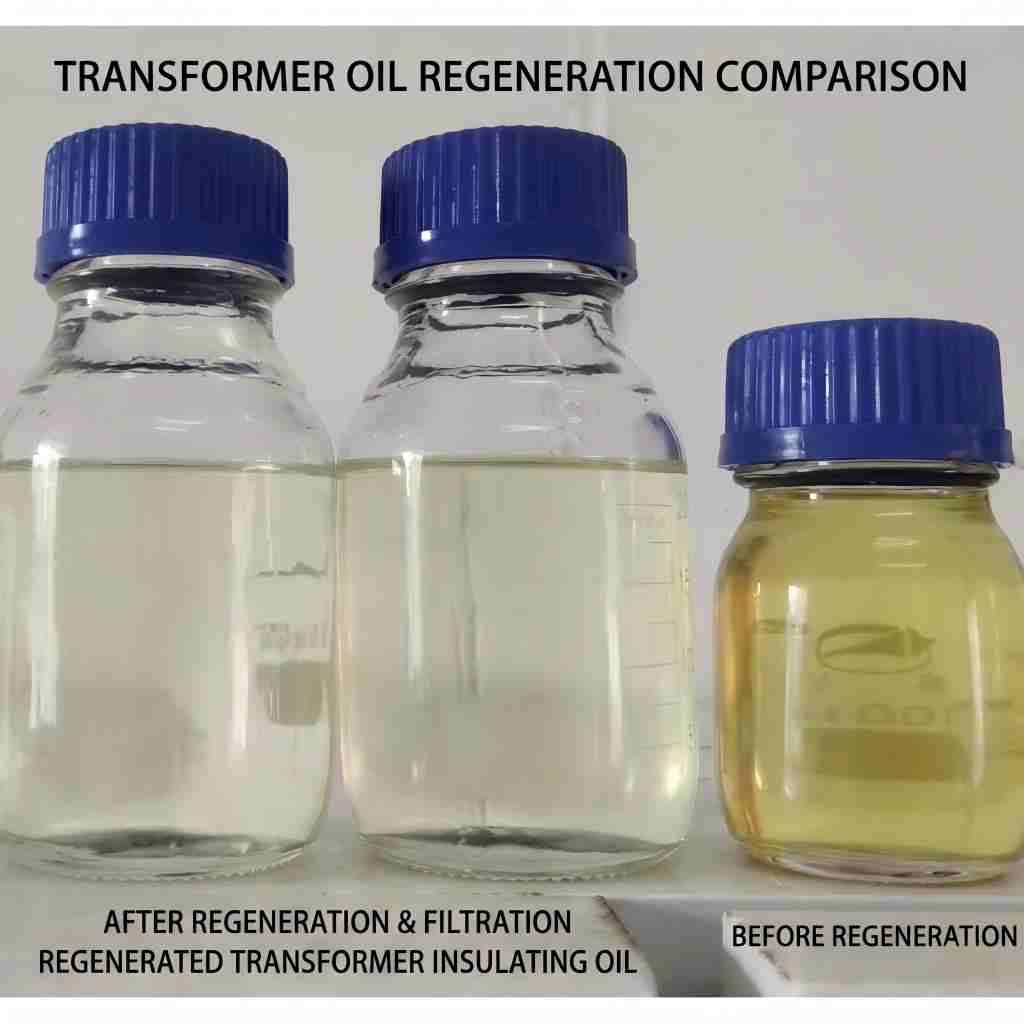
I have been a field maintenance engineer for over 10 years, working on high voltage substations, and have seen just about every oil anomaly there is. But few things can frustrate a field crew more than this: You hook up a high-performance transformer oil filtration machine, circulate several passes, and instead of crystal-clear, amber-tinted insulating oil, the oil coming out of the machine looks cloudy, milky, or hazy.
If you are facing this issue right now on-site, don’t panic. Cloudy transformer oil post-filtration does not necessarily mean the batch is ruined. In 90% of field cases, this phenomenon is triggered by micro-moisture emulsification due to mechanical shearing, unreleased micro-bubbles trapped in the oil matrix, or temperature-induced additive precipitation.
Let’s break down the exact physics behind why your transformer oil filtration machine might be producing cloudy oil and look at the step-by-step diagnostic protocol we use in the field to identify and fix the root cause.
Top 5 Reasons for Cloudy Insulating Oil Post-Filtration
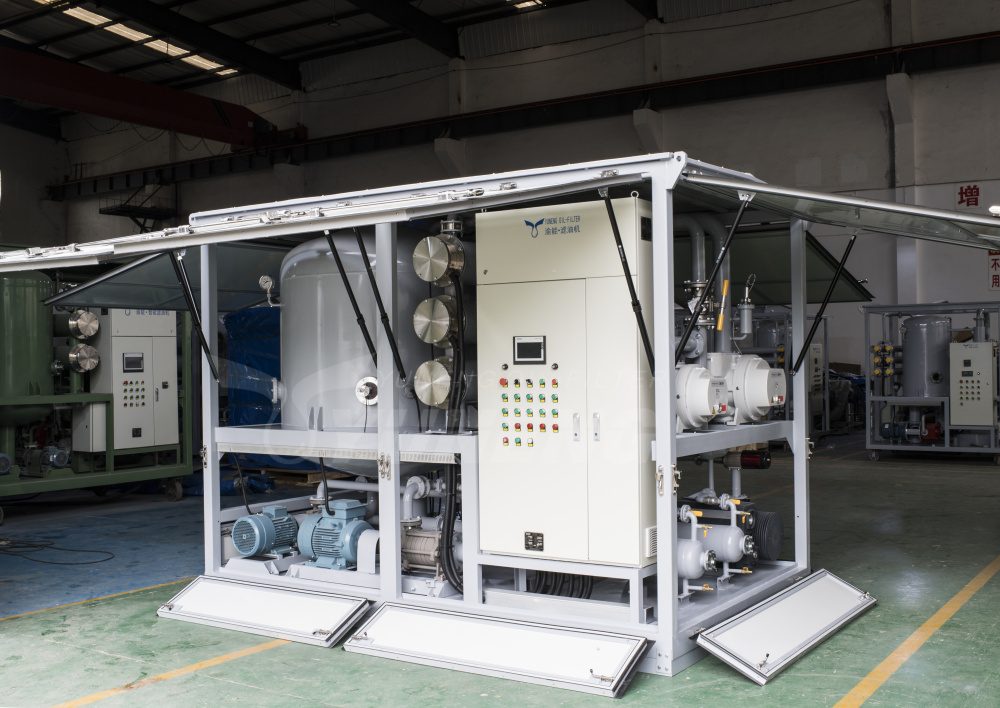
Understanding why your insulation fluid degrades in clarity requires looking closely at how an industrial transformer oil filtration machine interacts with the oil’s physical and chemical properties under pressure and vacuum.
1. Micro-Moisture Emulsification (The Most Common Culprit)
Before filtration, trace amounts of free or dissolved water might sit quietly in the oil without altering its transparency. However, when the oil passes through the high-pressure positive displacement pumps and heating elements of a transformer oil filtration machine, it undergoes extreme mechanical shearing.
If the machine’s vacuum dehydration system is underperforming, this intense mechanical agitation breaks down the water droplets into sub-micron sizes, dispersing them thoroughly into the oil matrix. This results in a very stable Water-in-Oil (W/O) emulsion. The emulsion scatters light and gives the oil a milky or cloudy appearance. To verify this on site, we immediately take a sample for a Karl Fischer coulometric titration test.
2. “Pseudo-Turbidity” Caused by Micro-Bubbles
Sometimes, the oil isn’t really contaminated; it is more like it’s suffering from “pseudo-turbidity”. If you have a tiny microscopic air leak on the suction side of your oil transfer pump, or maybe the degasification chamber’s discharge pump is drawing a slight vacuum against a somewhat restricted outlet, air gets sheared into micro and nano bubbles. Those bubbles are so small that their buoyancy can’t really beat the viscosity of the oil, so they stay suspended and sort of imitate that hazy, cloudy look.
3. Temperature Drop & Additive Precipitation
Most modern vacuum oil purifiers heat the insulating oil to a range of 60°C to 70°C to lower viscosity and optimize water vaporization. However, if you are working in a cold ambient environment and the heated oil is quickly pumped back into a cold storage tank or a de-energized transformer main tank, the sudden thermal shock causes a drop in solubility. Micro-crystalline wax or crucial anti-oxidation additives (such as Inhibited Oil additives like DBPC/T501) can precipitate out of the solution, creating a distinct hazy shroud.
4. Cross-Contamination from the Oil Purifier
A transformer oil filtration machine is a shared asset. If the mobile unit was previously used to purify highly aged oil, tap-changer oil loaded with carbonaceous particles, or a different brand of oil with incompatible chemistry, residual oil trapped inside the housing, pipes, or heaters can contaminate your current batch. When mixed under turbulent flow conditions, these incompatible chemical structures can react and cloud the entire volume.
5. Media Migration (Filter Fiber Shedding)
If your crew is utilizing an older plate-and-frame filter press or cheap, unbonded fiberglass elements in the multi-stage fine filtration housings, high differential pressures (ΔP) can cause structural failure. When the filter medium is compromised or becomes water-logged, microscopic cellulose or synthetic fibers break free and migrate into the clean oil stream, leading to physical turbidity and a poor NAS particle cleanliness rating.
Step-by-Step Field Diagnostics for Maintenance Engineers
When a batch turns hazy on-site, we follow a strict Standard Operating Procedure (SOP) to diagnose the root cause before making the decision to halt operations or reject the oil.
Step 1: The Visual Sedimentation Test
Draw a sample of the cloudy oil into a clean, transparent glass oil thief bottle. Let it sit undisturbed in a warm field office for 30 to 60 minutes.
- Observation A: Oil is being cleaned up slowly from the bottom up, and small bubbles are accumulating on the surface. You have encountered micro-bubbles, which cause turbidity.
- Observation B: In case your oil appears cloudy or has a clear, hazy coating, you have a problem with moisture emulsion, additive precipitation, or particle contamination.
Step 2: Dielectric Strength & Karl Fischer Water Content Test
Run a Breakdown Voltage test using an on-site transformer oil BDV tester. Emulsified water will catastrophically tank your dielectric strength—often dropping it well below 30 kV. Follow up with a Karl Fischer test; if your ppm count is rising despite processing, your machine is not pulling out moisture effectively.
Step 3: Check Purifier Vacuum Levels & Seals
Inspect the vacuum gauges on your transformer oil filtration machine. If the vacuum cannot hold below -0.085 MPa (or less than 100 Pa absolute pressure for high-voltage systems), the water cannot flash into vapor at 60°C, turning your purifier into a highly efficient emulsifying blender instead of a dehydrator.
How to Restore Oil Clarity: Solutions That Work
If you have confirmed that the cloudiness is a real oil defect (moisture or contamination), here’s how to rectify it with your transformer oil filtration machine:
- Optimize and Maximize the Vacuum Parameters: Heat the heating elements to stabilize the oil at 65°C (never exceed 75°C to avoid thermal cracking). Make sure your vacuum pumps are running at full speed. Re-circulate the oil in a closed loop through the degasification chamber until the moisture content is less than 10 ppm.
- Implement a Degassing Phase: If the cloudiness is micro-bubbles, lower the flow rate of your discharge pump. Allow the oil to rest in a conservator or holding tank for several hours to allow natural de-aeration before applying voltage.
- Flush and Replace Elements: When cross-contamination or media migration is suspected, discard the used filter elements without delay, purge the internal pipelines of the transformer oil filtration machine using clean oil, and replace them with new high-efficiency polymer coalescent and particulate filters.
Key Takeaways for Preventing Transformer Oil Turbidity
To ensure your insulation maintenance goes smoothly without unexpected turbidity scares, keep this quick field checklist handy:
| Maintenance Checklist Item | Target Standard | Preventative Field Action |
| System Vacuum Level | ≤100 Pa (Absolute) | Check vacuum pump oil condition daily. |
| Processing Temperature | 60∘C to 70∘C | Monitor PLC heaters to prevent localized overheating. |
| Purifier Internal Cleanliness | Zero cross-contamination | Perform a 50-liter sacrificial flush when changing oil types. |
| Filter Element Delta P | Below ΔP limit (e.g., <0.2 MPa) | Replace staging elements if pressure spikes occur. |
FAQ: Frequently Asked Questions about Transformer Oil Purification
Q1: Can I energize the transformer if the filtered oil looks slightly cloudy?
No. Never energize a transformer with cloudy oil. The presence of emulsified water severely reduces the dielectric breakdown voltage of the oil, presenting the risk of a catastrophic internal flashover under operational stresses. BDV test always first.
Q2: Why does my transformer oil filtration machine fail to remove moisture, causing cloudiness instead?
This happens when there is a mismatch between the oil temperature and the chamber vacuum level. If the vacuum pressure isn’t low enough to meet the boiling point of water at your current operating temperature, the water will stay in a liquid phase and get whipped into an emulsion by the oil discharge pump.
Q3: How do I know if the cloudiness is just T501 inhibitor precipitation?
Take a small sample of the cloudy oil and gently heat it to around 50°C – 60°C in a controlled container. If the cloudiness completely disappears upon heating and returns when cooled, it is an indicator of additive or wax precipitation rather than water contamination.