How to Reduce Transformer Oil Filtration Time Without Compromising Oil Quality

Oil Purification & Vacuum Technology Expert
Table of Contents
The capacity rating of an oil purification machine does not dictate the transformer oil filtration time. Incomplete preparation, unstable operating conditions, unexpected downtime, and poorly coordinated quality checks are what delay a job. Obviously, These delays can be minimized through proper preparation, stable operation, and well-planned oil quality checks.
For example, preparing equipment before startup, monitoring operating conditions, preventing contamination, plan quality verification ahead of time, when transformer maintenance teams are involved. These practices increase performance without the need for high flow rates or condensation treatment cycles.
Learn Why Transformer Oil Filtration is Time-Consuming
Even if your oil purifier operates at its rated capacity, the overall filtration job may still take longer than expected.
| Source of delay | Operational impact | Recommended action |
| Incomplete equipment preparation | Delayed startup | Complete pre-operation checks |
| Unstable oil supply | Interrupted processing | Inspect hoses, valves, and connections |
| Increasing filter differential pressure | Reduced flow or shutdown | Monitor pressure trends |
| Poorly coordinated testing | Waiting for test results | Schedule sampling in advance |
| Contamination during oil transfer | Repeat treatment may be necessary | Keep transfer equipment clean and dry |
Differentiate between real processing time and total job time. Total job time also includes testing, final acceptance, sampling, setup, and interruptions. By documenting each stage, you’ll be able to identify where time is lost, rather than to simply assume that the filtration machine is too slow.
Prepare Filtration System Prior to Startup
One of the most practical ways to reduce avoidable delays is to prepare. Prior to installing a transformer oil filtering system, review equipment configuration, site needs, treatment goals, and initial oil condition.
Examine hoses, valves, attachments, filter elements, vacuum components, and power source. Look for sanitary, dry transfer tanks/equipment. Prepare sampling bottles, arrangements for tests, and operating records before operating the machine.
Determine treatment objective based on the initial oil test, the need of usage, and the project specification. This allows operators to set the quality requirements prior to processing.
The project should also match the equipment capacity. See YUNENG’s transformer oil purifier capacity calculation guide for specific sizing calculations. We will not repeat the capacity calculations here but rather focus on specific solutions to minimize delays in operation.
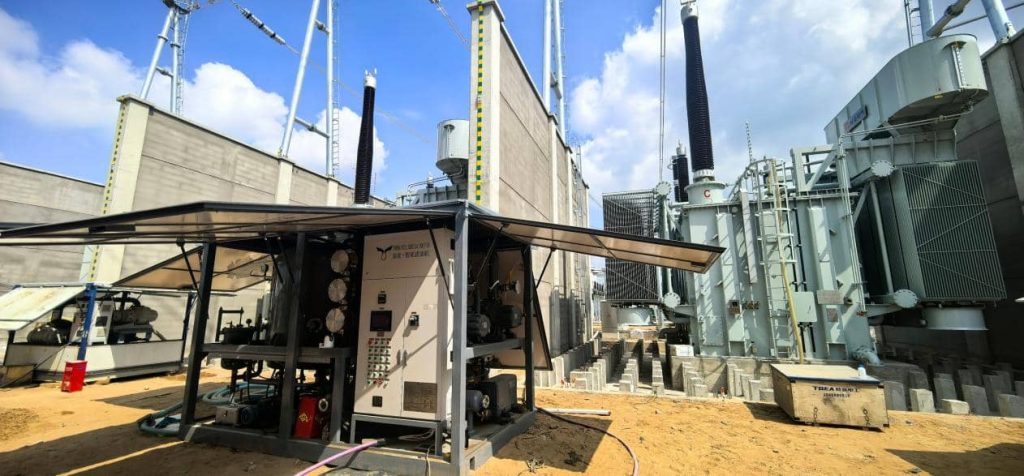
Change the Operating Conditions Without Overloading the Purifier
Increased flow rates do not necessarily mean reduced treatment times. Excessive or variable flow may reduce treatment effectiveness, increase pressure drops, or cause devices to operate outside the design range.
1. Keep oil at proper temperature
Oil temperature affects the viscosity and pumping conditions as well as moisture removal. Adhere to the equipment manufacturer’s operating advice and oil supplier requirements. Higher temperatures do not necessarily provide faster speeds in all applications.
2. Monitor differential pressures and vacuum performance
Vacuum performance, oil flow, and filter differential pressure measurements are taken in the field, as well as during processing. These parameters may indicate surging and restriction formation.
3. Adjust operation with verified conditions
Record operating parameters periodically. Do not replace equipment when flow or vacuum performance decreases; determine the cause. If a limitation is not being addressed at all, boosting the pump output can cause the creation of more problems.
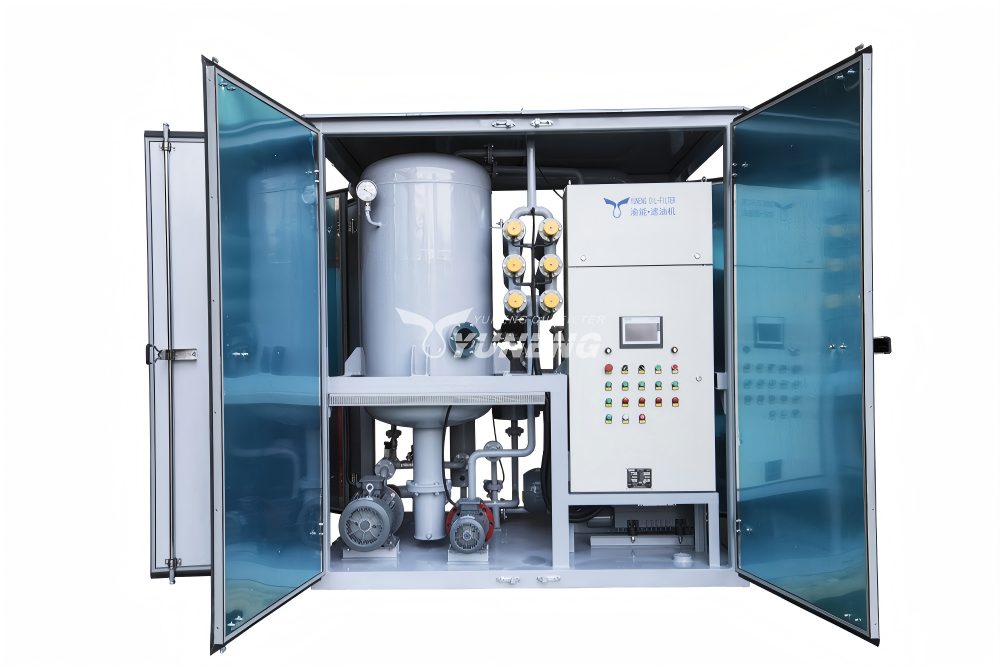
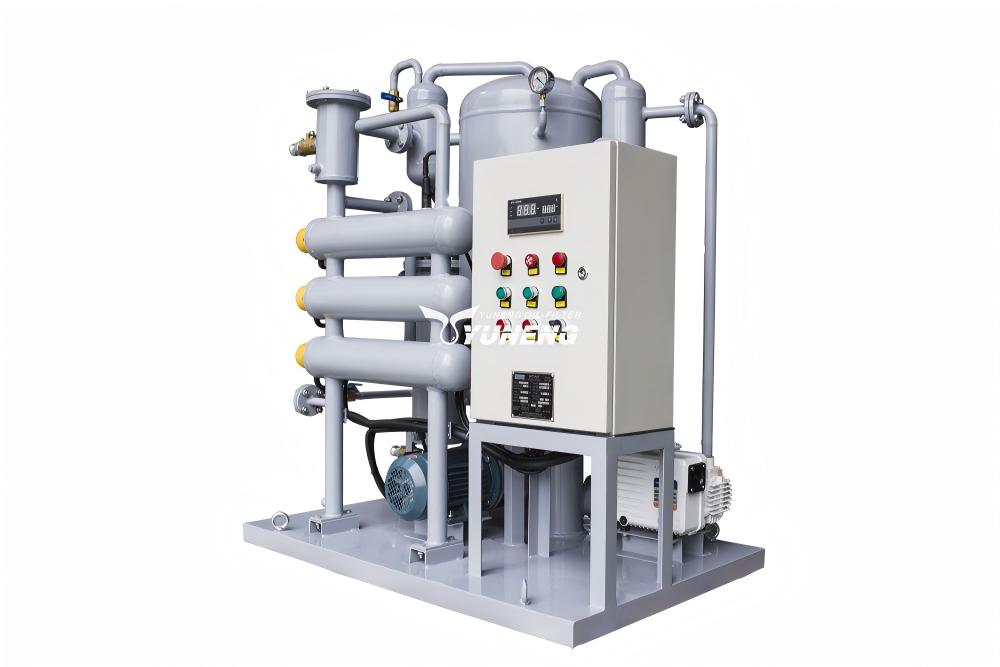
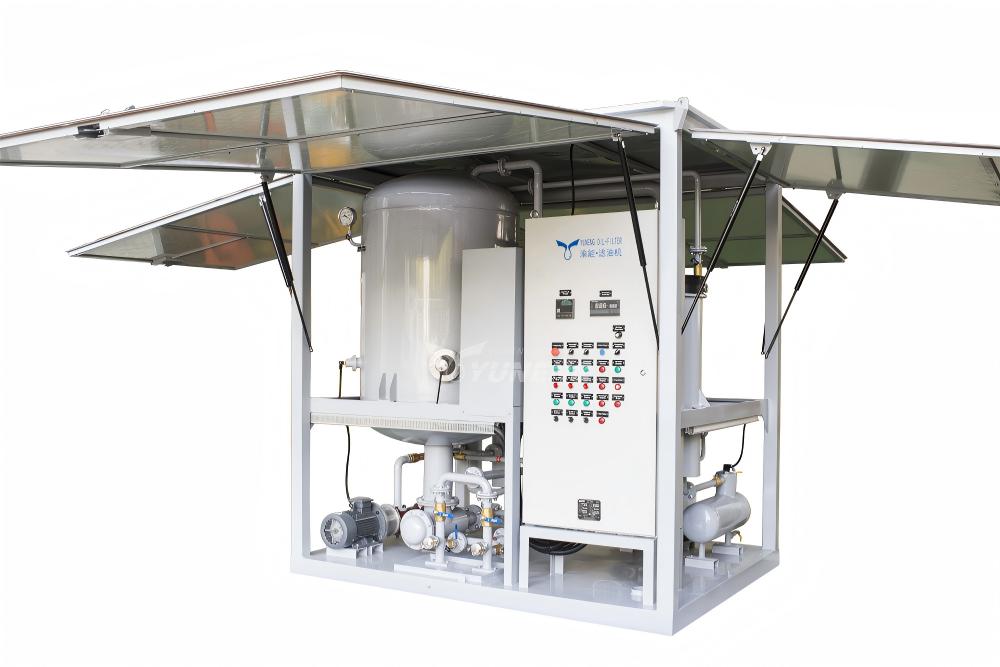
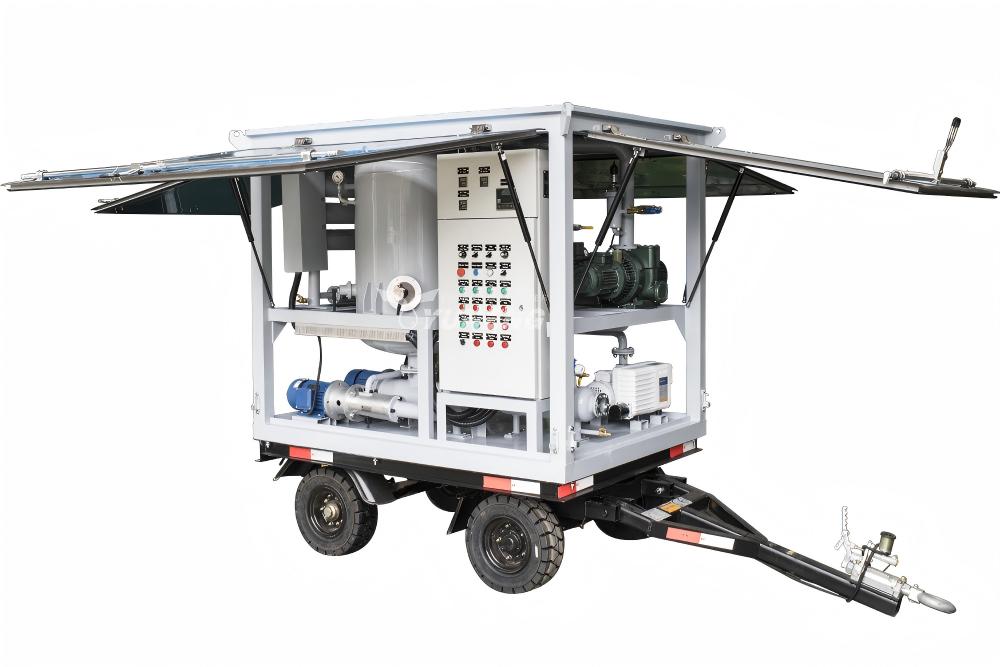
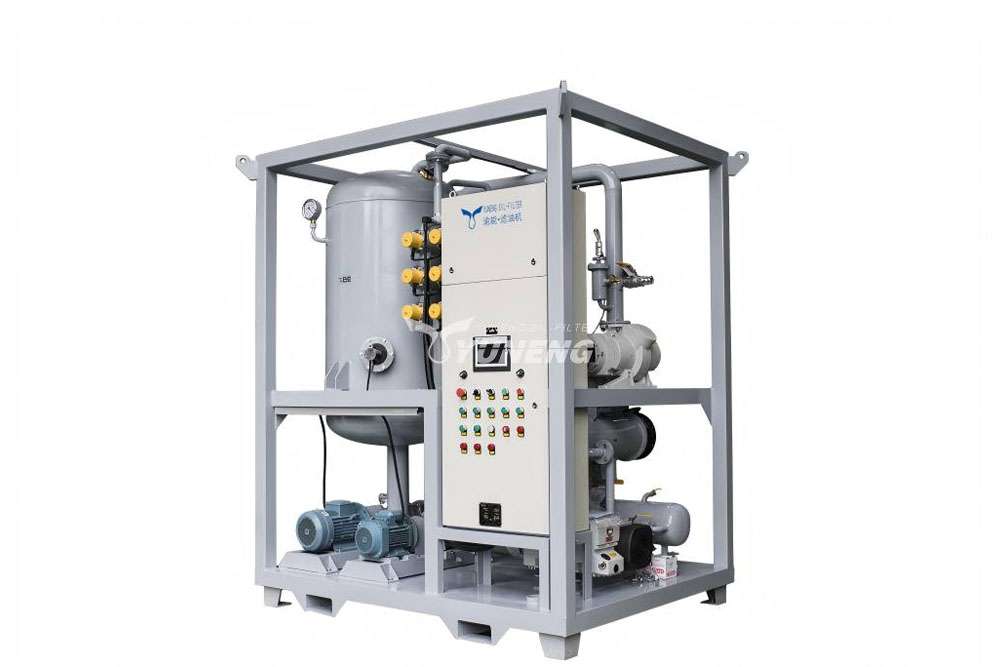
YUNENG provides a variety of transformer oil purifier equipment for different oil treatment applications. There is also the right combination based on the application, type of oil, and even treatment capacity needed.
Preventive Monitoring Minimizes Downtime
Unscheduled downtime can result in long filtration jobs and disrupt a maintenance schedule. Regular monitoring can help operators to identify and correct problems before a delay occurs.
- Check differential pressure: Inspect differential pressure for increases compared to manufacturer limits and maintenance schedules.
- Monitor steady flow: Investigate oil, valves, hoses, and pumps if the flow becomes unsteady.
- Check vacuum performance: Investigate unexplained vacuum fluctuations promptly.
- Preventative maintenance: Consult conditions of service and continuing maintenance recommendations, as well as manufacturer user guides, to determine when consumables should be inspected/replaced.
Document these actions in operating procedures. The aim is not to eliminate necessary maintenance but to avoid unnecessary downtime.
Maintaining Oil Quality and Improving Efficiency
Reducing transformer oil filtration time is only advantageous if the desired oil quality is obtained. Stopping criteria based on quality always take priority over stopping criteria based on the time of processing.
Define treatment, testing, sampling, and acceptance criteria before you begin. Requirements will vary depending on the type of oil, transformer application, initial condition, and project specification.
Equally as important is preventing recontamination. Use clean and dry transfer equipment, cover open connections, and use correct sampling procedures. It is counterproductive to create contamination during handling and will create more work.
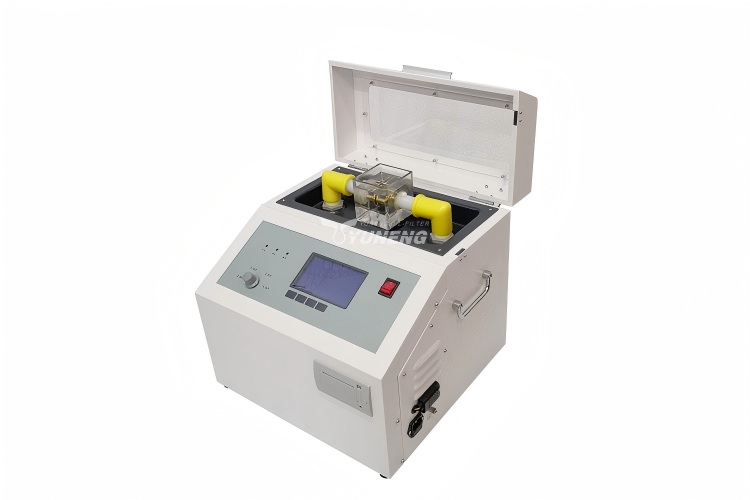
Plan for sampling and lab work in advance of beginning the job. Schedule test times with the operating team so they do not have to wait around, but don’t avoid required testing to save time.
IEC 60422, Mineral insulating oils in electrical equipment – Supervision and maintenance guidance. Set acceptance limits according to applicable standards, manufacturer instructions, and project specifications. Do not assume one set of limits will work for all oil and all operating conditions.
For more on how to evaluate treatment results accurately, see YUNENG’s guide to verifying transformer oil filtration and regeneration results.
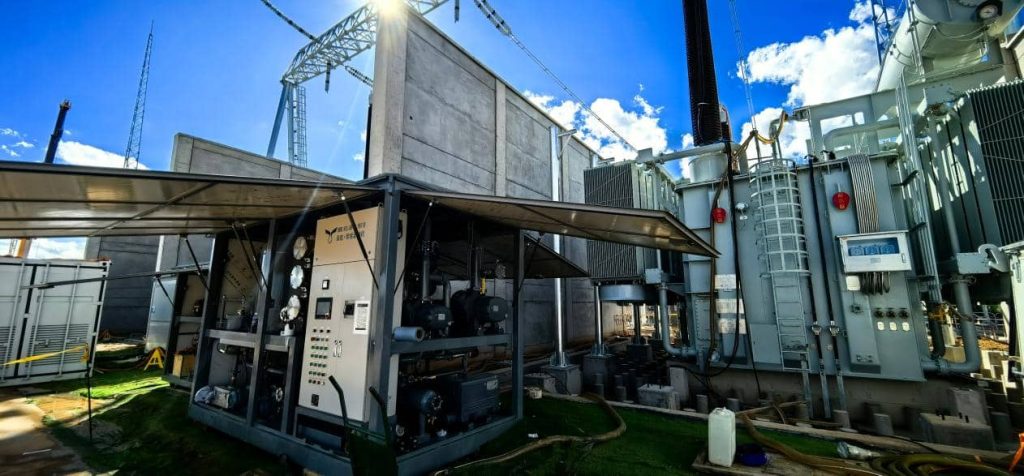
Create a More Efficient Filtration Workflow
A repeatable workflow allows maintenance teams to cut delays and track performance consistently from project to project.
| Stage | Key action | Record or check |
| Before the job | Confirm oil condition and treatment objectives | Initial test results and acceptance criteria |
| Equipment preparation | Inspect the complete system | Equipment readiness checklist |
| Startup | Establish stable operating conditions | Initial flow, temperature, and vacuum |
| Continuous operation | Monitor parameters and respond to changes | Operating logs and interruption records |
| Quality verification | Collect representative samples | Test results and acceptance status |
| Job completion | Review performance and document outcomes | Total duration, downtime, and corrective actions |
Compare planned and actual job durations after each project. Record actual machine runtime distinct from setup, downtime, and delays for testing. This helps identify recurring bottlenecks and improve future maintenance plans.
For instance, if equipment operation is steady but there is a large amount of downtime to wait for testing, then your next improvement may be better communication with the testing team instead of buying a larger capacity machine.
Mistakes That Increase Transformer Oil Filtration Time
Several “shortcuts” that increase work rather than saving time.
- Increasing flow without regard to operating limits: This can compromise treatment effectiveness.
- Ignoring early warnings: Unresolved restrictions or vacuum swings result in more extended interruptions.
- Starting unprepared: Unscheduled sampling and lack of tools for product release cause unnecessary delays.
- Stopping treatment prematurely: The oil can fail acceptance criteria.
- Failure to record operating conditions: Incomplete records make it difficult to diagnose recurring problems.
Clear responsibilities, consistent operating records, and standardized procedures help prevent recurring problems and unnecessary delays.
Frequently Asked Questions
Q1. What determines transformer oil filtration time?
Total job time is a function of oil initial condition, job configuration, stability of operation, filter restrictions, unexpected stops, and job quality control.
Q2: Does higher flow rate decrease transformer oil filtration time?
However, the optimal flow rate to increase throughput should be established; when the flow is increased too high, it will reduce the treatment quality. Follow established operating limits as recommended by the equipment manufacturer.
Q3: What can operators do to reduce transformer oil filtration downtime?
Proper equipment preparation, regular flow and vacuum monitoring, timely filter maintenance, and well-planned oil sampling and testing.
Q4: When should I stop filtering transformer oil?
You don’t stop just on time—you stop upon meeting the agreed treatment objectives and criteria for accepted oil quality.
Q5: Does less filtration time mean lower maintenance costs?
No. The cost of processing should be analyzed along with energy costs for running the process, labor, downtime, consumables, retesting, and such.
Optimizing Process Control to Improve Transformer Oil Filtration Efficiency
Your best shot at reducing transformer oil filtration time is better preparation, stable operating conditions, preventive monitoring, and quality-based process control. They ensure that maintenance crews do not experience delays and that the oil quality does not compromise a project.
YUNENG provides industrial transformer oil purification equipment. Please contact the team with your oil type, initial test results, treatment objectives, and site conditions to discuss a suitable equipment configuration.