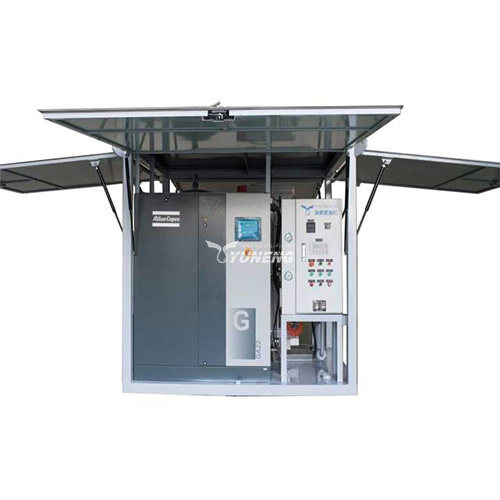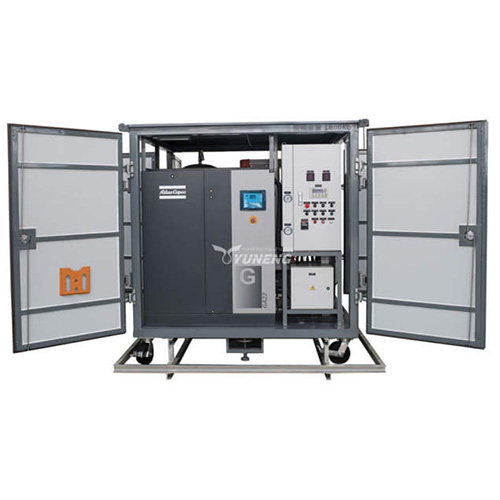
Why Does a Transformer Dry Air Generator Fail to Reach Its Target Dew Point?
Table of Contents
The transformer dry air generator shall provide air that satisfies the moisture-control requirements of the job. But what if the outlet dew point is too high or varies during operation? When you have a dry air generator dew point problem, it isn’t always a case of equipment failure. Performance can be affected by excess inlet moisture, poor desiccant regeneration, high airflow, air leaks, and measurement errors.
The best approach is to first confirm the reading, narrow down the likely cause, and fix one thing at a time. This guide provides information on how to troubleshoot high or unstable dew point readings and ensure a reliable dry air supply during transformer maintenance.
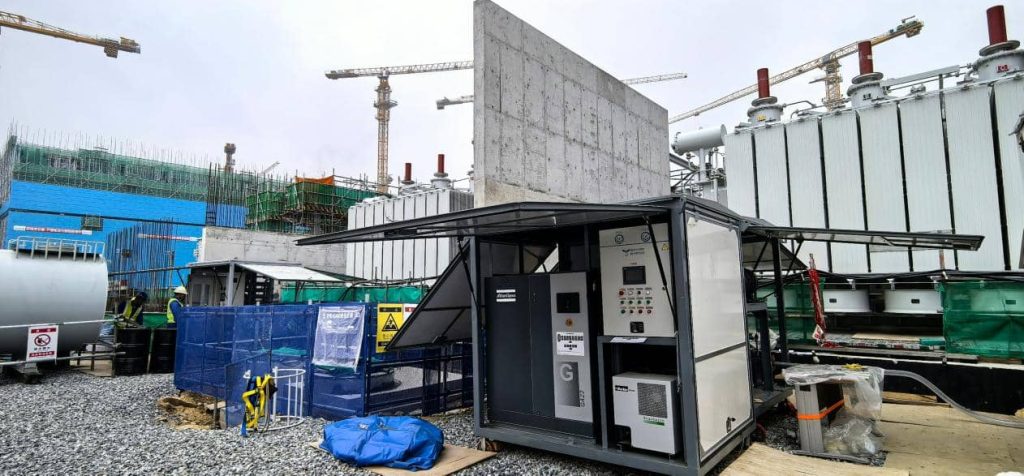
But before you adjust the equipment, make sure the reading is a true indication of performance. If the dew point is higher than the target, there is more moisture in the air at the stated pressure. For example, a -40C reading at the same pressure basis indicates a higher moisture content than a -60C reading.
Start with three checks:
- Measurement point: Compare the generator outlet with the downstream supply point, if accessible.
- Operating conditions: Record airflow, pressure, inlet conditions, and the current operating cycle.
- Instrument accuracy: Check sensor calibration, sampling connections, and instrument stabilization.
Pressure dew point and atmospheric dew point are not directly interchangeable. Confirm the measurement basis before comparing results. If the reading remains outside the required range under consistent conditions, investigate the following seven causes.
Seven Common Causes of Dry Air Generator Dew Point Problems
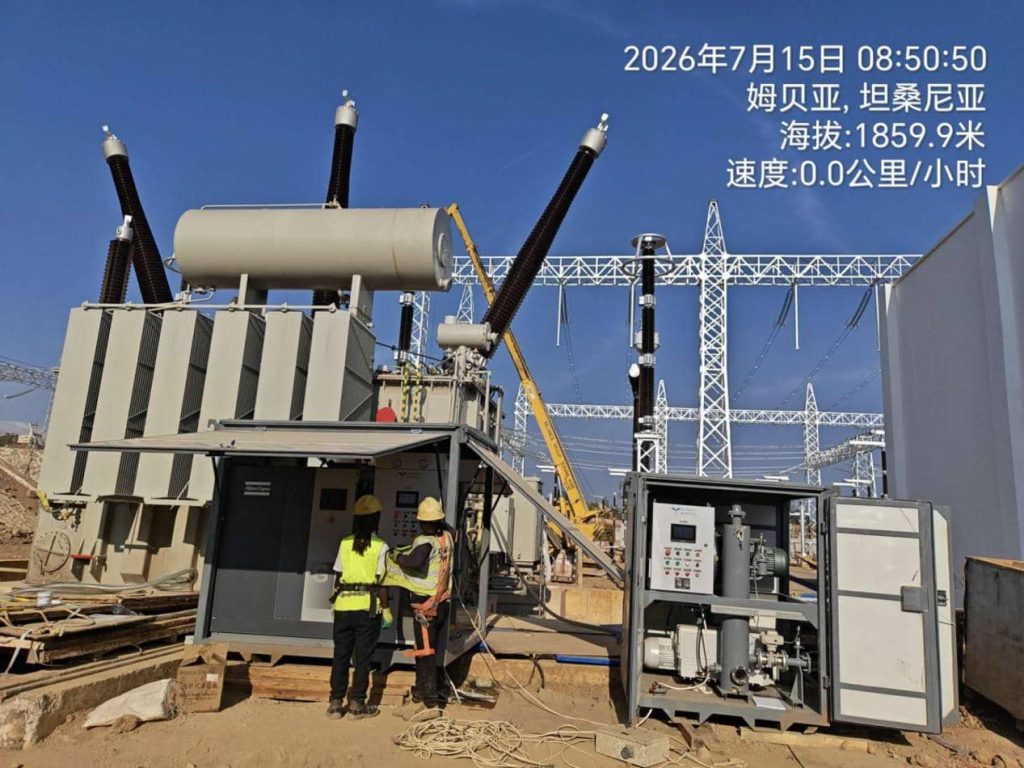
1. High Humidity in the Inlet Air
Increased inlet humidity increases the moisture load on the drying system. Changes in ambient conditions or poor performance of upstream moisture separation may worsen the problem.
How to Check: Check inlet conditions and check pre-treatment equipment for water carryover or poor drainage.
How to fix it: Restore specified inlet conditions and service upstream filters or moisture separators as required.
2. Desiccant Damage or Contamination
Adsorption dryers absorb water vapor by a desiccant. Over time, the material can deteriorate due to aging, contamination or exposure to liquid water. A slow decline in performance over time may be an early warning sign, especially if airflow and pressure are consistent.
How to check: Check maintenance records, regeneration history and signs of oil or liquid-water contamination.
How to fix it: Test the desiccant and replace it when testing or when the manufacturer’s service criteria indicate that it is no longer effective.
3. Partial desiccant regeneration
Regenerative dryers have to vent out the moisture taken up during the previous adsorption step. If regeneration is incomplete, the desiccant may not recover sufficient capacity for the next cycle. Possible causes include insufficient regeneration time, incorrect temperature, restricted regeneration airflow, or defective valves and controls.
How to test: Check regeneration temperatures, cycle time, alarms, and valve operation.
How to fix it: Restore the specified regeneration sequence and repair any components that are not functioning properly. Check the equipment manual before changing control settings.
4. Airflow Exceeds the Effective Drying Capacity
A dryer can meet the dew point target at a flow rate, but then struggle with increased demand. Excessive airflow can reduce the contact time between the air and desiccant, depending on the design. This is often important when several maintenance tasks are drawing air from the same supply system.
How to check: Measure actual airflow and compare with the manufacturer’s performance data at the operating pressure and required dew point.
How to solve this: Reduce demand to within the rated operating range or consider an appropriate upgrade in capacity. Do not size a generator based solely on transformer MVA.
5. Air Leaks or Moisture Ingress in the Delivery Line
The generator may produce acceptable air at its outlet, yet the downstream dew point may be higher. Damaged hoses, poor seals, leaking connections, or moisture entering through an unsuitable delivery arrangement can affect air quality or distort measurements.
How to check: Compare outlet and downstream readings under consistent conditions. Inspect hoses, joints, valves, and sampling connections.
How to fix it: Repair leaks, replace damaged parts, and protect the air supply from humid ambient air.
6. Blocked Filters or Abnormal Pressure
Restricted filters may increase pressure drop and reduce the air available to the application. Performance may also be affected by pressure outside the specified operating range. But a blocked filter does not necessarily explain all the high dew point readings. The real effect depends on the design of the dryer and the variations in flow and pressure.
How to check: Check filter differential pressure, inlet/outlet pressure and alarms.
How to fix this: Service the filters and restore to the specified operating conditions as per the manufacturer’s instructions.
7. Faulty Sensors or Incorrect Test Procedures
Sometimes the dryer is operating normally, but the measurement is unreliable. A sensor may be out of calibration, contaminated, or unsuitable for the required measurement range. Poor sampling practices can also affect low-moisture measurements.
How to check: Inspect the sampling setup and compare the reading with a suitable calibrated reference instrument where practical.
How to fix it: Correct the sampling arrangement and calibrate or replace the sensor as needed. For measurement background, consult NIST humidity calibration resources.
Dry Air Generator Troubleshooting Checklist
Use this sequence to identify the cause before replacing parts or changing operating settings.
| Step | What to check | What it helps identify |
| 1 | Sensor calibration and sampling point | Measurement errors |
| 2 | Inlet air and pre-treatment | Excessive moisture loading |
| 3 | Actual airflow and working pressure | Capacity or operating-condition issues |
| 4 | Regeneration cycle and control records | Incomplete desiccant regeneration |
| 5 | Filters, valves, seals, and hoses | Restrictions or moisture ingress |
| 6 | Stable outlet dew point after correction | Whether performance has recovered |
Take readings before and after each corrective action. If you change many settings at once, it’s hard to tell which one solved the problem.
Allow the dryer and measuring instrument to attain a steady state. The time required is a function of equipment design, sample layout and cycle of operation. If the reason is not evident, consult with the equipment supplier before making major adjustments.
How to Prevent Dew Point Problems During Transformer Maintenance
Preventive checks reduce interruptions during transformer overhaul and installation.
Prior to starting, check filters, valves, delivery connections and control systems. Check that the generator operates within its specified airflow and pressure range.
During operation, record dew point along with airflow, pressure, alarms and cycle status. Monitoring these values over time can highlight slow performance shifts before they interfere with maintenance work.
Follow the manufacturer’s instructions for desiccant inspection, sensor calibration, filter replacement, and servicing of the valve. For routine service instructions, see YUNENG’s transformer dry air generator maintenance guide.
Most importantly, do not assume that a low outlet dew point is proof that transformer insulation is completely dry. Air moisture and moisture in solid insulation are different measurements. Use the approved maintenance procedure and applicable insulation assessment requirements.
When Should You Repair or Replace a Dry Air Generator?
The selection should be made on the basis of verified defects, service record, and required performance. If the source is a sensor, filter, valve, or leaking connection, fixing that part may restore normal operation. More extensive service may be needed on degraded desiccant or a failed regeneration system.
When the generator repeatedly fails to meet the required dew point at the actual operating flow and pressure, even after measurement errors and maintenance issues have been addressed, consider a capacity review.
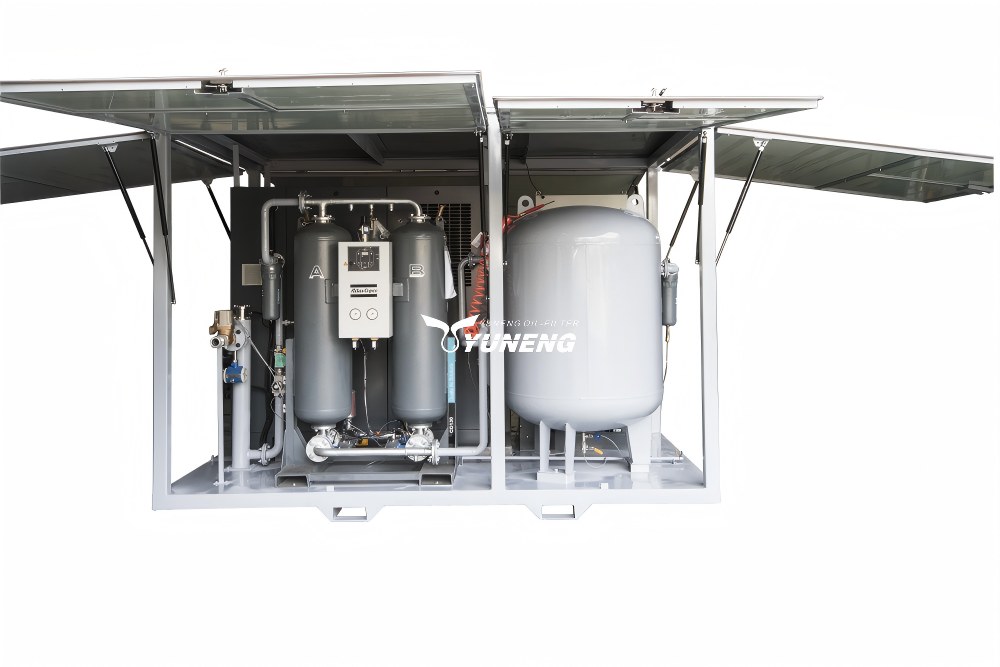
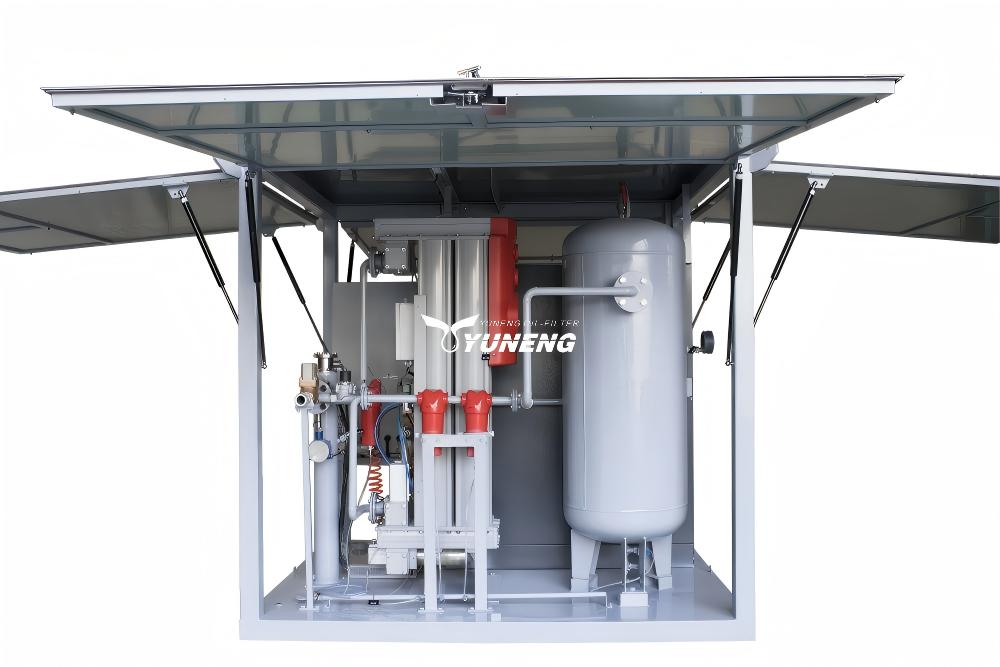
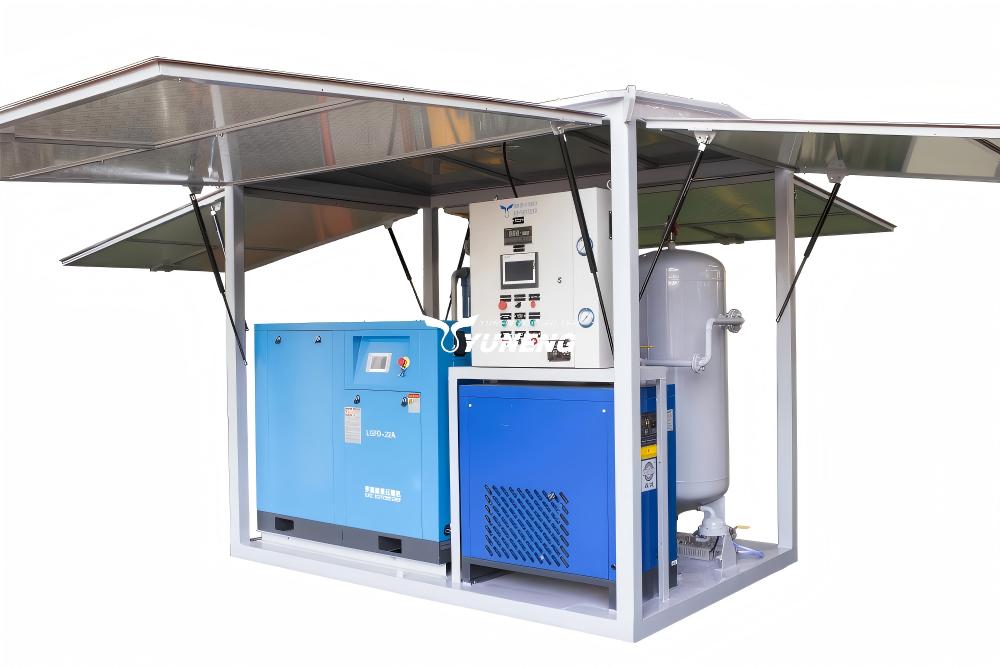
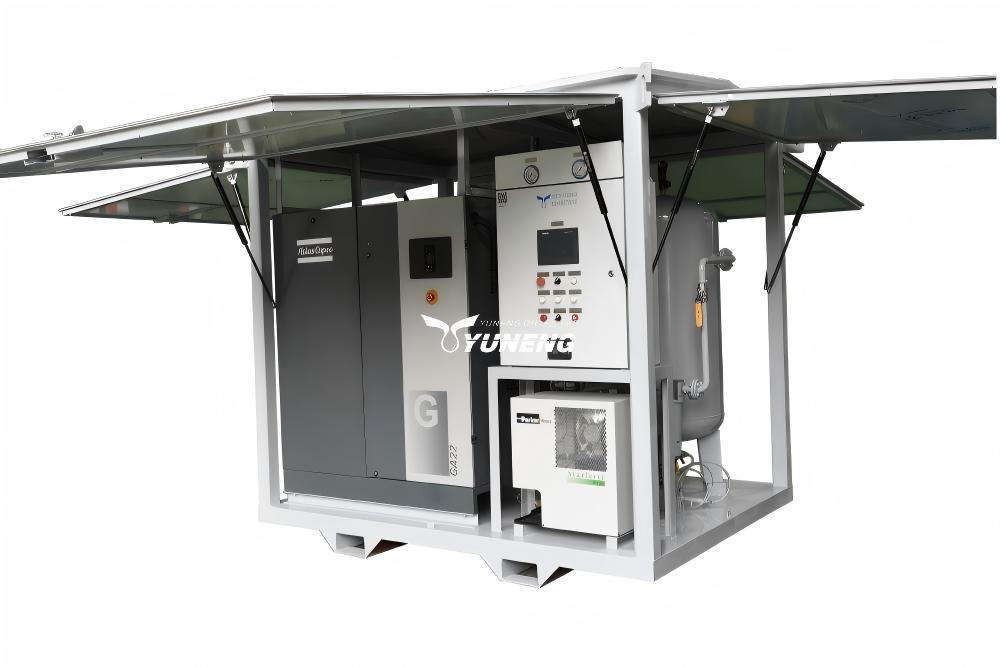
YUNENG provides equipment for transformer and reactor maintenance with its dry air generator. When selecting a replacement, consider airflow, working pressure, outlet dew point, inlet conditions and site requirements.
For a useful technical assessment, prepare these details:
- Required outlet dew point and measurement basis
- Actual airflow and working pressure
- Inlet air conditions
- Operating hours and duty cycle
- Current symptoms, alarms, and maintenance history
These details help determine whether the best solution is repair, process adjustment, or a different equipment configuration.
Frequently Asked Questions
Q1: Why is the dew point high in a dry air generator?
Common causes of this are high inlet moisture, deteriorated desiccant, incomplete regeneration, airflow in excess of the effective drying capacity, leaks and measurement errors. Before replacing parts, check the instrument and the operating conditions.
Q2: Why does the dew point oscillate during operation?
Such fluctuations can be caused by regeneration cycles, changing flows, unstable pressures, changes in inlet conditions or sensor responses. Check readings for abnormal changes against the equipment operating sequence.
Q3: Can too much air flow raise the outlet dew point?
Yes. If the air flow is greater than the effective capacity of the dryer at the present operating conditions, the air may not be adequately dried. Check real flow and compare with manufacturer’s performance data.
Q4: What is the calibration interval of a dew point sensor?
Follow the manufacturer’s recommendations for the sensor and your site’s calibration program. The right interval depends on the sensor type, operating conditions, measurement requirements and prior calibration results.
Q5: What should you check before restarting a transformer dry air generator?
Check filters, air connections, valves, control system, airflow and working pressure. Do not feed air to the transformer until the faults found have been corrected and the outlet dew point is within the required limit.
Conclusion
If a transformer dry air generator fails to produce its target dew point, begin with the measurement, not immediate equipment replacement.
Check inlet conditions, desiccant performance, regeneration, airflow, pressure and the delivery line in a consistent order. Check results after each correction. Record operating conditions.
A structured troubleshooting process allows maintenance teams to find the true cause, cut down on unnecessary downtime, and keep the dry air quality needed for transformer work. If the problem continues, contact YUNENG to discuss the application requirements and the suitable configurations of the dry air generator.