Transformer Oil Purification Equipment Specifications: Buyer’s Guide

Oil Purification & Vacuum Technology Expert
Table of Contents
When you buy transformer oil purification equipment, you can’t just compare rated flow, vacuum values and purchase prices. Two systems with comparable headline specifications may vary widely in equipment configuration, control functions, filtration components, electrical requirements and included services.
Reviewing technical specifications of a transformer oil purifier is an important step for procurement teams, maintenance engineers and EPC contractors before approving a quotation. A structured review provides a way to confirm that the equipment being proposed is meeting the project requirements, that the technical deviations are identified prior to signing the contract, and also minimises the risk of unforeseen costs during installation and operation.
A reliable technical specification review should answer three questions:
- What should be checked? Identify the required parameter, function, or equipment component.
- What evidence should be requested? Verify the information through technical data sheets, drawings, component lists, or test documentation.
- How should quotations be compared? Distinguish compliant offers from incomplete specifications, optional components, and technically different proposals.
The objective is to make every critical specification measurable, documented, and comparable before purchase.
Check the Equipment Scope and Configuration
The first step is to clarify exactly what each supplier includes in the quoted transformer oil purification system. One quote could be for a full treatment package, while another quote could be for the main unit only and exclude any auxiliary equipment needed to operate the site.
What buyers should check
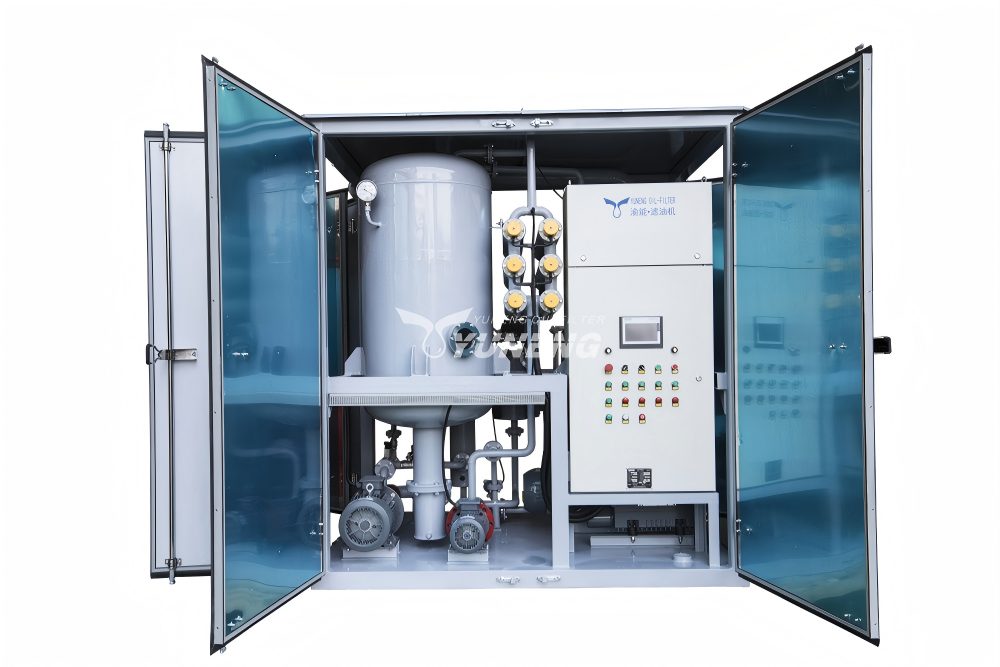
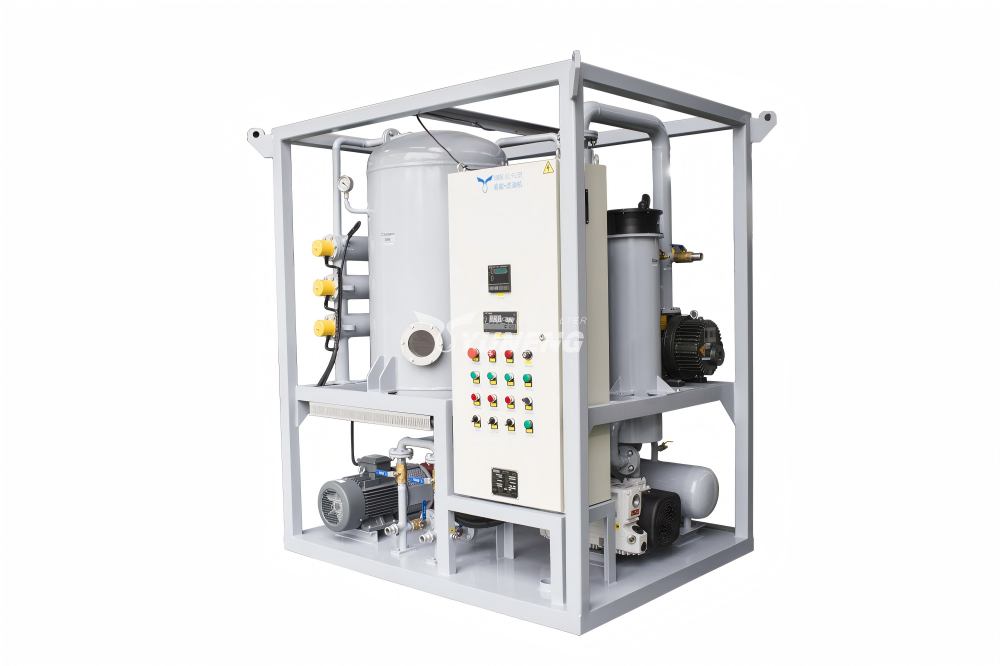
Review the proposed equipment configuration, including:
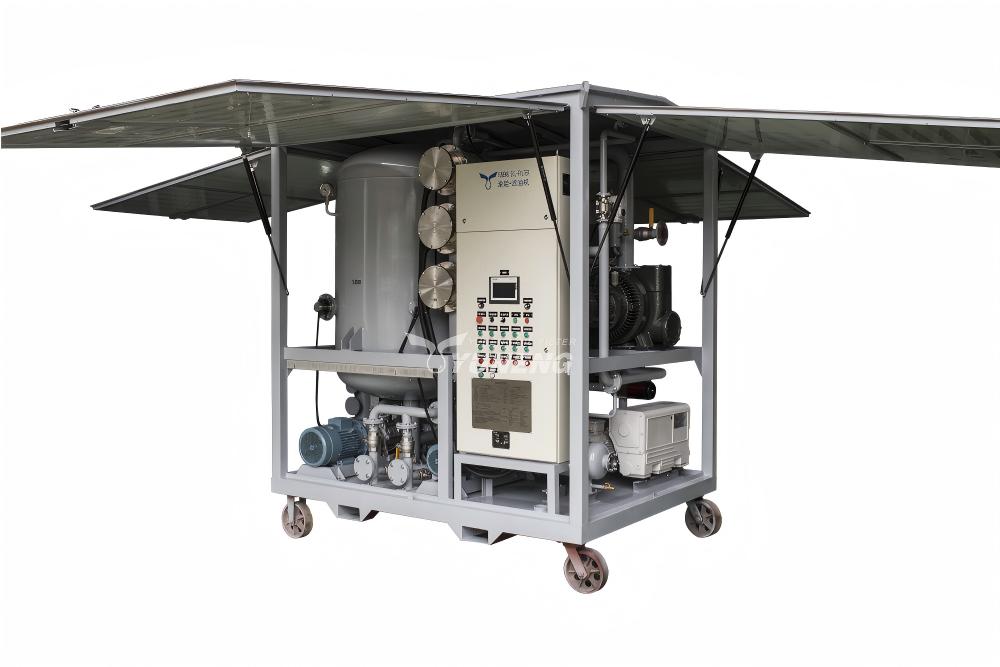
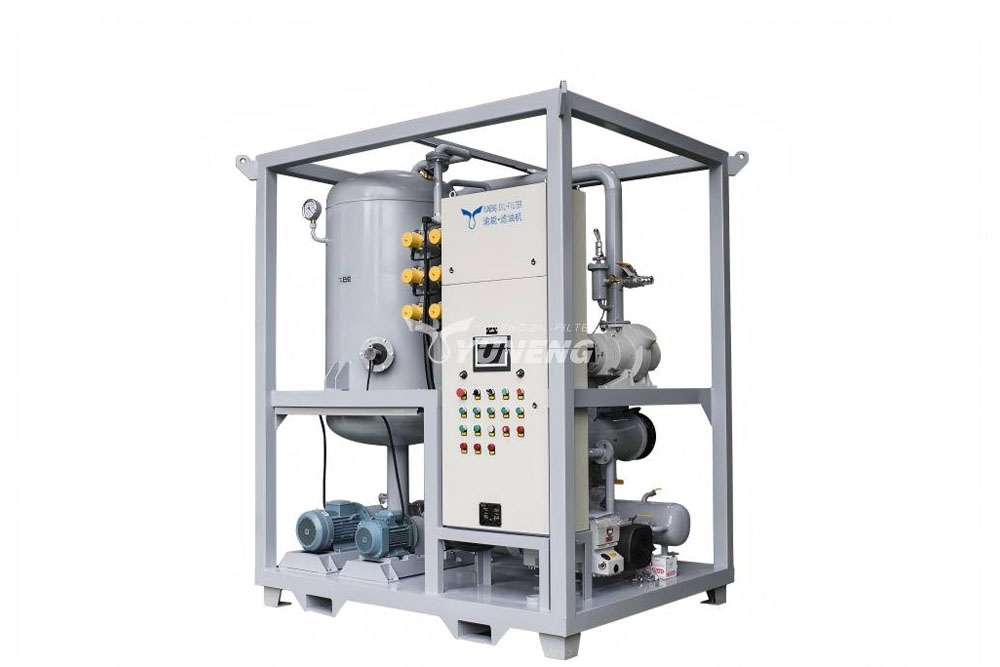
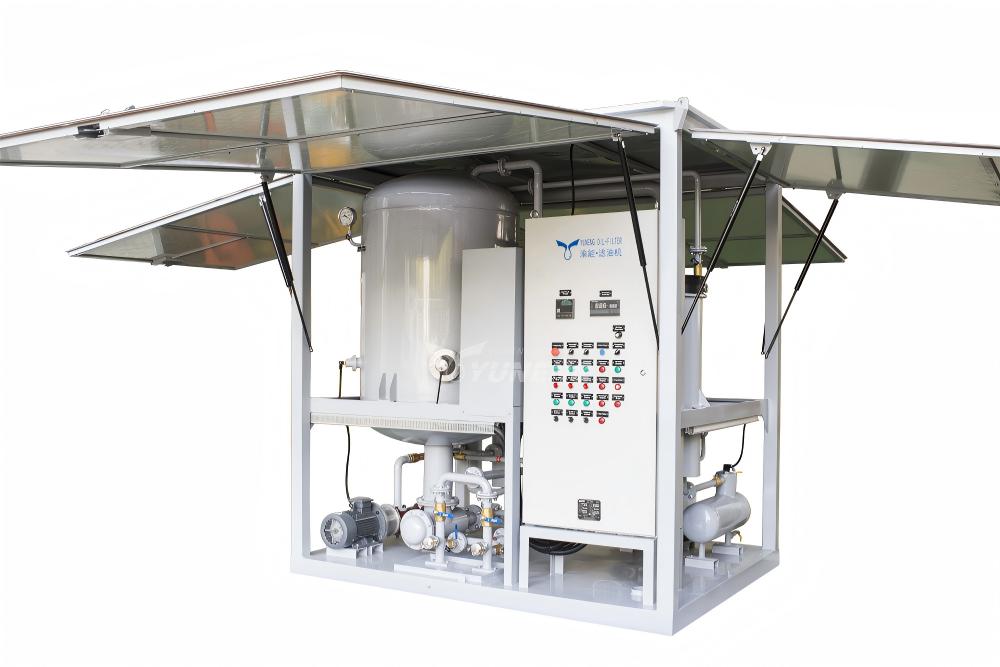
- Main purification unit and treatment stages.
- Vacuum pumps and associated vacuum components.
- Oil feed and discharge pumps, where applicable.
- Heating system and temperature-control components.
- Primary and fine filtration stages.
- Condenser, moisture separation, and gas-handling components, where applicable.
- Control cabinet, instrumentation, piping, valves, and connecting hoses.
- Optional accessories, spare parts, and installation-related items.
The required configuration depends on the application and treatment objectives. Equipment used for routine maintenance may have different requirements from systems used for transformer commissioning, oil processing in manufacturing, or mobile maintenance services.
Buyers should distinguish between standard supply, optional equipment, and items that must be provided by the purchaser.
What evidence should be requested?
Request the following documents:
- A detailed equipment and component list.
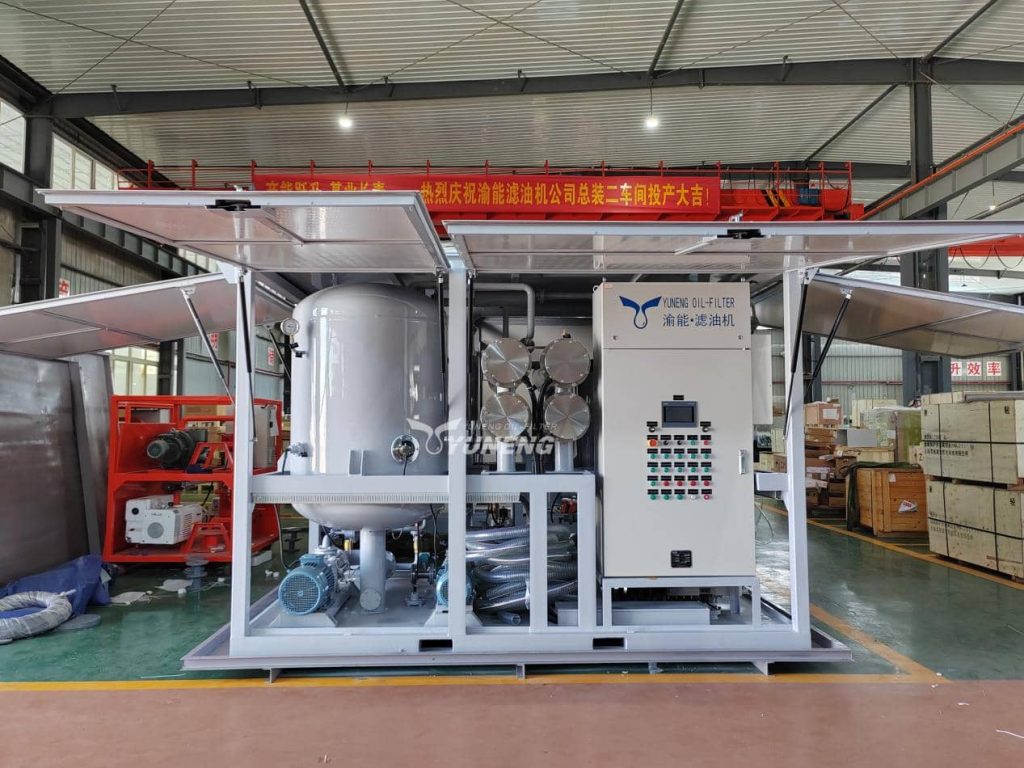
- A general arrangement drawing showing the overall system layout.
- A process flow diagram identifying the principal treatment stages.
- A list of standard accessories and optional equipment.
- A clear statement of the supply boundary, including exclusions.
- How to identify quotation differences
Suppose that Supplier A has quoted for a complete skidded system including the vacuum and oil-pumping equipment required, and Supplier B has offered a lower price but not included some auxiliary equipment. These quotes cannot be directly compared until their scopes of supply are aligned.
Create a comparison table and tick off each item as included, optional, excluded or unconfirmed. Work out these differences before the final purchase price is set.
For buyers who are comparing complete transformer oil purification equipment packages, the goal is to establish a common scope of supply, rather than compare model names.
Review Rated Operating Parameters and Their Definitions
Technical data sheets often emphasize headline figures. However, a specification is useful only when its meaning, unit, and operating conditions are clearly defined.
What buyers should check
Review the principal operating parameters relevant to the project.
| Specification | What to verify | Common issue to clarify |
| Rated oil flow | Rated flow and the conditions under which it applies | Flow rate is listed without defining operating conditions |
| Vacuum performance | Working vacuum, ultimate vacuum, units, and measurement conditions | Different vacuum terms or units are compared as equivalent |
| Oil temperature | Permitted operating range and temperature-control arrangement | Maximum temperature is stated without defining normal operating limits |
| Heating system | Heating power, control method, and protective functions | Installed heating capacity is unclear or difficult to compare |
| Filter rating | Filter stages, nominal or absolute rating where applicable, and element specifications | Filter ratings use different definitions |
| Pumping system | Pump type, configuration, and relevant performance data | A pump’s nominal rating is treated as proof of complete system performance |
| Electrical load | Supply voltage, frequency, phase, and connected power | Only partial electrical information is provided |
These parameters should be assessed together. Rated flow alone does not establish treatment effectiveness, and a vacuum pump’s individual performance does not automatically establish the performance of the complete purification system.
Filter ratings also require careful comparison. A nominal rating and an absolute rating should not be treated as interchangeable unless the supplier explains the test basis and specification method.
What evidence should be requested?
Ask for a technical data sheet that defines each major parameter, its unit, and the applicable operating conditions. Request additional component specifications when a headline figure depends on a particular pump, filter element, heater, or other component.
If the project requires a specific operating range or performance condition, state it explicitly in the procurement specification and ask the supplier to confirm compliance in writing.
How to identify quotation differences
Watch for specifications that appear similar but are defined differently. One supplier may list working vacuum while another lists ultimate vacuum. One may describe filter performance using a nominal rating while another uses an absolute rating.
These differences do not necessarily mean that one system is inferior, but they prevent a reliable like-for-like comparison until the definitions are clarified.
For detailed guidance on treatment capacity and rated flow, refer to the existing guide on transformer oil purifier capacity. For vacuum-specific requirements, consult the dedicated transformer oil purification vacuum level guide.
Verify Instrumentation, Controls, and Protective Functions
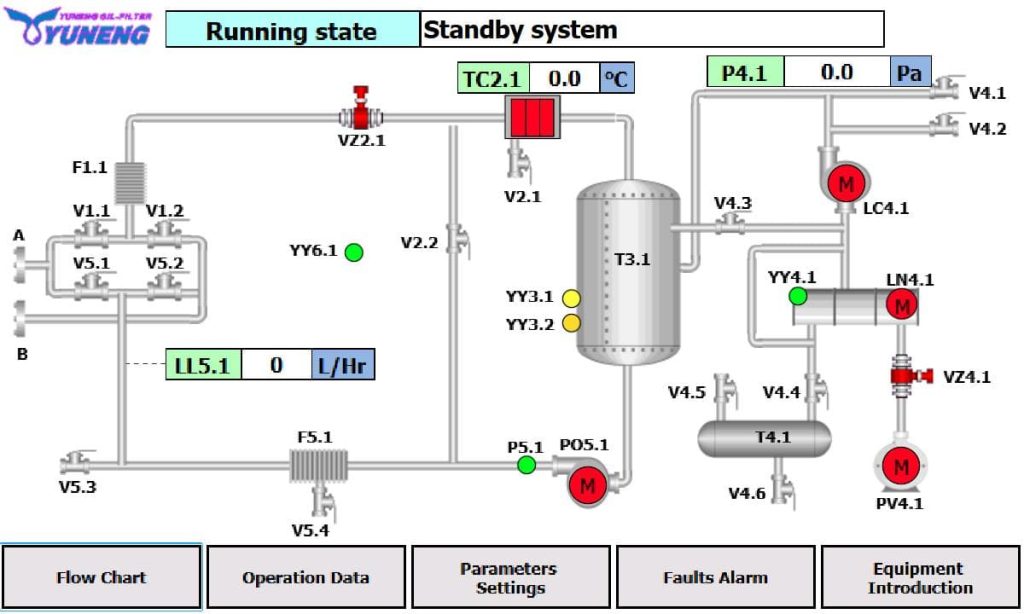
Instrumentation and control functions influence how operators monitor the equipment, respond to abnormal conditions, and maintain consistent operation. Buyers should evaluate what the system actually measures, controls, and protects, rather than relying on a general claim that the machine has automatic control.
What buyers should check
Review the instrumentation and control requirements for the intended application.
Important items may include:
- Oil temperature measurement and control.
- Vacuum indication and monitoring.
- Oil pressure and differential-pressure monitoring, where applicable.
- Flow indication, if required by the process.
- Filter blockage or differential-pressure alarms, where applicable.
- PLC-based control and operator interface, if specified.
- Manual and automatic operating modes.
- Alarm handling and shutdown logic.
- Emergency-stop functions.
- Protective functions for abnormal temperature, pressure, flow, or other defined operating conditions.
The required functions depend on the equipment design and project risk assessment. Do not assume that every monitoring or protective function is included as standard.
What evidence should be requested?
Request the control-system description, instrument list, electrical schematics, alarm list, and protective-function documentation.
For projects with defined automation requirements, ask the supplier to explain which conditions generate alarms, which conditions initiate shutdown, and which actions require operator intervention. Where a PLC or other control platform is specified, confirm the required functionality and interfaces instead of focusing solely on the controller brand.
How to identify quotation differences
A quotation stating “automatic control” may refer only to automatic temperature regulation, or it may describe a broader control system with multiple monitoring and protective functions.
Ask each supplier to map its proposed functions against the same requirement list. Mark each function as standard, optional, unavailable, or requiring confirmation. A general statement such as “automatic operation” is not a substitute for a defined list of control and safety functions.
Check Materials, Filtration Components, and Maintenance Access
The technical specification should describe the components that contact the insulating oil and the parts that require periodic inspection or replacement. General descriptions such as “high-quality components” or “industrial-grade materials” do not provide enough information for engineering review.
What buyers should check
- Wetted-part materials: Confirm the specified materials for oil-contact components, valves, piping, seals, and hoses where relevant. Material selection should be compatible with the intended insulating oil, temperature range, and operating conditions.
- Filter elements: Check the filter type, rating, dimensions, replacement method, and availability of replacement elements. Confirm whether the quoted system includes the required filter housings and initial consumables.
- Pumps and maintainable components: Identify the proposed component types and relevant model information so maintenance requirements and replacement options can be evaluated.
- Service access: Check whether operators can safely access filters, pumps, heaters, valves, and other service points without unreasonable disassembly.
- Drainage and cleaning: Confirm how residual oil is drained and how maintenance activities are performed, where these functions are relevant to the application.
What evidence should be requested?
Request a parts list identifying major equipment and relevant model information, together with material specifications for critical oil-wetted parts where required.
Request maintenance access drawings or layout details if equipment will be operating in a restricted installation space. A suggested list of spare parts and consumables can also help in forecasting future operating expenses.
How to identify quotation differences
One supplier may list filter elements by model and rating, while another provides only a general description. Some will also have an initial stock of spare components; some will charge for them separately.
Make sure that critical components are clearly identified, replaceable and supported by a defined spare parts arrangement. Also clarify replacement lead times and availability where it might impact maintenance planning.
The goal is not to automatically select the largest component specification. It is to prove that the proposed components are well documented, suitable for application and maintainable for the expected service life.
Confirm Electrical, Environmental, and Site Interface Requirements
Even a technically suitable purification system can create project delays if its electrical supply, dimensions, connections, or environmental requirements do not match the installation site.
What buyers should check
Verify the following requirements against the actual site conditions:
- Supply voltage, frequency, phase, and connected load.
- Overall dimensions, equipment weight, and installation footprint.
- Inlet and outlet connection sizes and locations.
- Required access for operation, filter replacement, and maintenance.
- Ambient temperature and environmental operating limits.
- Enclosure and ingress-protection ratings, where specified.
- Ventilation, noise, transport, lifting, and handling requirements.
- Hose or pipe routing and required interface connections.
- Hazardous-area certification or special electrical requirements, where applicable.
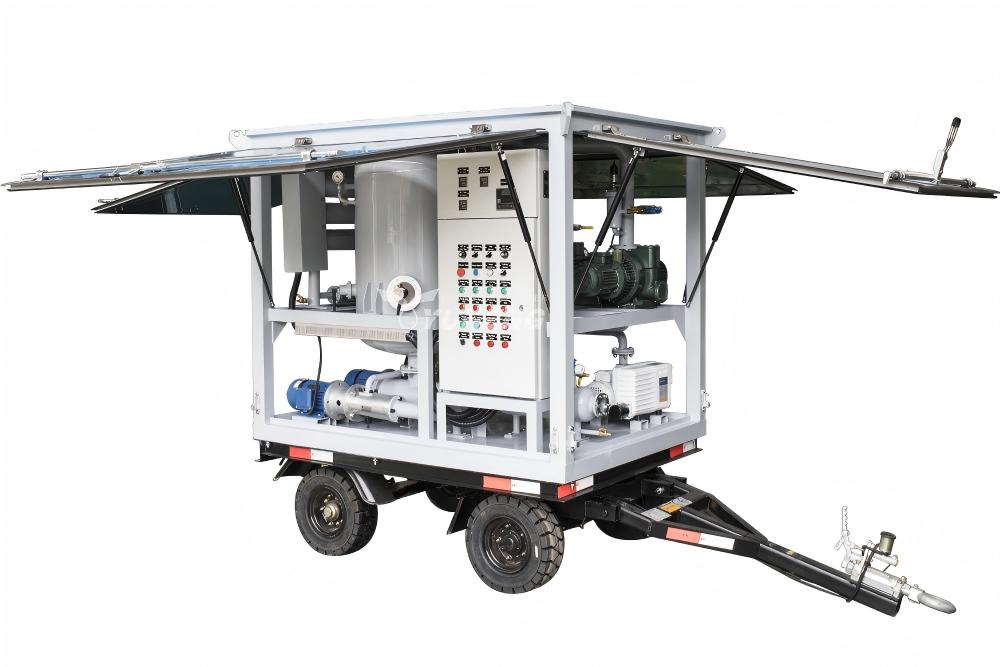
For mobile equipment, also consider transport dimensions, lifting points, mobility arrangements, and the availability of suitable site connections.
What evidence should be requested?
Ask for general arrangement drawing, utilities requirements, electrical data sheet, connection details, and equipment weight.
If the project has special environmental or hazardous-area requirements, then these should be specified in the procurement documents and evidence requested to show compliance of the proposed configuration.
How to identify quotation differences
Two systems may have the same nominal supply voltage but different total connected loads. Likewise, a machine may fit inside the installation space but not provide enough access to change out a filter or perform routine maintenance.
Don’t make general statements like “compact design” or “suitable for industrial use” – compare actual drawings and utility requirements. Any change of site, special enclosure, extended hose package, or other additional electrical interface shall be identified and priced prior to contract award.
Review Standards, Documentation, and Technical Compliance
A technically credible quotation should make it possible to trace each important requirement to a defined specification or supporting document. Broad claims of quality or standards compliance are not substitutes for documented technical evidence.
What buyers should check
Start with the equipment and intended use-specific standards and project requirements. They may include customer specifications, electrical requirements, applicable equipment standards and any inspection or testing requirements of the contract.
It must not be assumed that all standards concerning transformer insulating oil are automatically applicable to the purification machine itself. Determine the equipment requirements, the insulating-oil requirements and the treated-oil acceptance requirements;
Review the completeness and consistency of the following documents:
- Technical data sheet.
- General arrangement and process flow drawings.
- Equipment and component list.
- Electrical schematics and control documentation.
- Operation and maintenance manuals.
- Inspection and factory test documentation, as contractually required.
- Certificates for specified materials or components, where required.
- Warranty terms and documented service commitments.
- Technical compliance matrix showing deviations and exceptions.
What evidence should be requested?
Ask the supplier to submit a technical compliance matrix that responds to every line item in the buyer’s specification.
Each requirement should be marked as compliant, non-compliant, an approved alternative, optional, or requiring clarification. Supporting documents should be referenced where appropriate.
If a supplier proposes an alternative component, operating parameter, or configuration, request a written explanation of the difference and its implications for performance, operation, maintenance, and price.
How to identify quotation differences
A supplier may say its equipment meets the project specification and not respond to some requirements. Another supplier might see a deviation in the open and suggest an alternative for consideration.
An unsupported general compliance claim is more difficult to assess than an explicit deviation. Procurement teams should therefore make a distinction between verified compliance and unverified compliance. Do not accept a blank field as acceptance for critical requirements. Ensure that any missing information is resolved prior to technical approval and that agreed specifications and exceptions are included in the final purchase contract.
Conclusion: Make Every Critical Specification Verifiable
When choosing transformer oil purification equipment, it is not only a matter of choosing the highest rated flow or the cheapest offer. A good technical review will define the scope of supply, check the definition of operating parameters, verify the controls and protective functions, check compatibility on site and check the evidence for the supplier’s claims.
For procurement and engineering teams, the best way to proceed is to review each critical requirement in three phases: define what is needed, ask for proof to support it, and document every variation between the requirement and the suggested solution. Prior to placing an order, confirm in writing that significant deviations, exclusions, optional items, inspection requirements and documentation deliverables have been resolved.
YUNENG is a professional manufacturer of transformer oil purification equipment and transformer maintenance solutions. Buyers writing a project specification can share their application, site conditions, treatment objectives and technical requirements to help develop a clearly defined equipment proposal.