Transformer Oil Filtration Quality Control Checklist for Maintenance Projects

Oil Purification & Vacuum Technology Expert
Table of Contents
Transformer oil filtration is not just about running oil through a purification machine. A successful project also depends on equipment condition, oil sampling, process monitoring, contamination control, and final testing.
Without proper quality control, filtration may fail to deliver consistent results. Poor sampling, leaking connections, dirty hoses, or incorrect operating conditions can affect the treated oil and compromise the maintenance work. This transformer oil filtration quality control checklist provides a practical framework for engineers, maintenance contractors, and utility teams. It covers the main inspection points before, during, and after oil treatment.
Define Quality Control Requirements Before Filtration
Before starting a project, establish what the filtration process needs to achieve. The required treatment depends on the transformer condition, oil type, initial test results, and maintenance objective.
Start by confirming the following information:
- Transformer voltage level and oil volume.
- Transformer operating condition and maintenance history
- Oil type, such as mineral oil or ester-based insulating liquid.
- Initial oil condition and laboratory test results.
- Main contamination concerns, including moisture, dissolved gases, or particles.
- Required treatment process, like filtration, dehydration, degassing, or oil regeneration.
- Applicable project specifications and acceptance requirements.
Do not use one set of acceptance criteria for every transformer oil treatment project. Requirements should be based on the oil manufacturer’s recommendations, relevant standards, equipment specifications, and the condition of the transformer.
For mineral insulating oils, IEC 60422:2024 provides guidance on supervision and maintenance, including testing and treatment considerations. It is also important to distinguish between filtration and regeneration. Vacuum oil purification can remove moisture, gases, and certain solid contaminants. It does not automatically remove dissolved oxidation products, acidity, or sludge. These conditions may require a separate regeneration process.
Pre-Filtration Equipment Inspection Checklist
The condition of the purification equipment directly affects treatment stability and contamination control. Before connecting the machine to the transformer, inspect the complete oil circulation system.
| Inspection Item | What to Check | Quality Control Purpose |
| Oil purifier | General condition, leaks, and operating status | Confirm equipment readiness |
| Vacuum pump | Oil level, connections, and operating condition | Maintain stable vacuum operation |
| Oil pump | Pressure, flow, leakage and abnormal noise | Ensure stable oil circulation |
| Heating system | Temperature controls and protection | Avoid uncontrolled heating |
| Filter elements | Correct type, filtration rating, condition, and installation | Prevent particle bypass |
| Oil hoses | Cleanliness, material compatibility, and damage | Avoid external contamination |
| Valves and fittings | Tight connections and correct installation | Prevent leaks and air entry |
| Instruments | Pressure, temperature, and vacuum readings | Support reliable process monitoring |
| Electrical system | Power supply, grounding, and protection | Ensure safe operation |
Pay particular attention to hoses, valves, and temporary connections. These components may become contamination sources if they are dirty or have been used for other fluids.
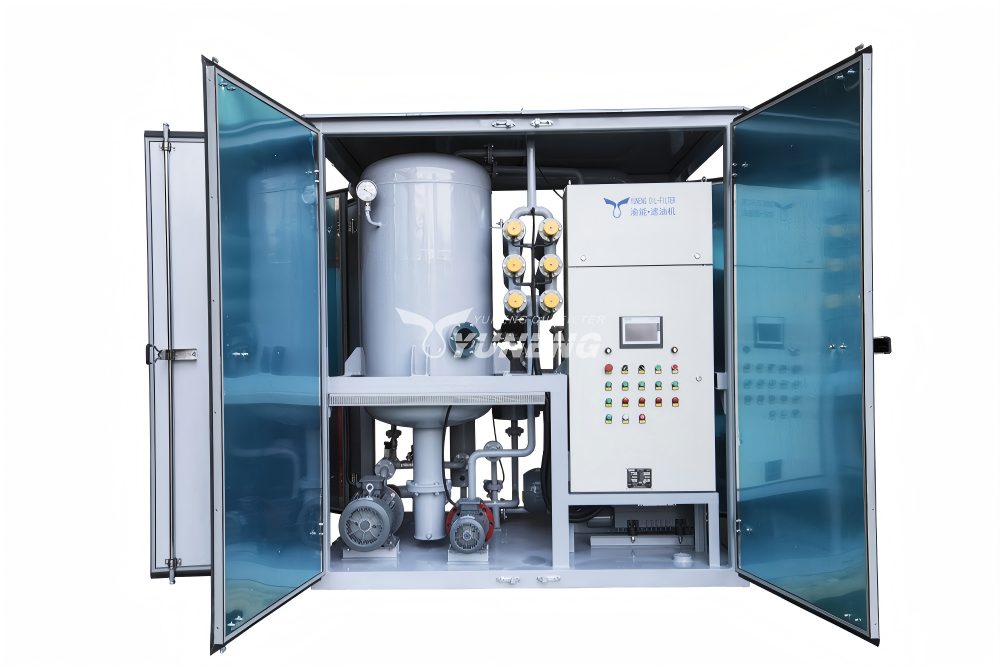
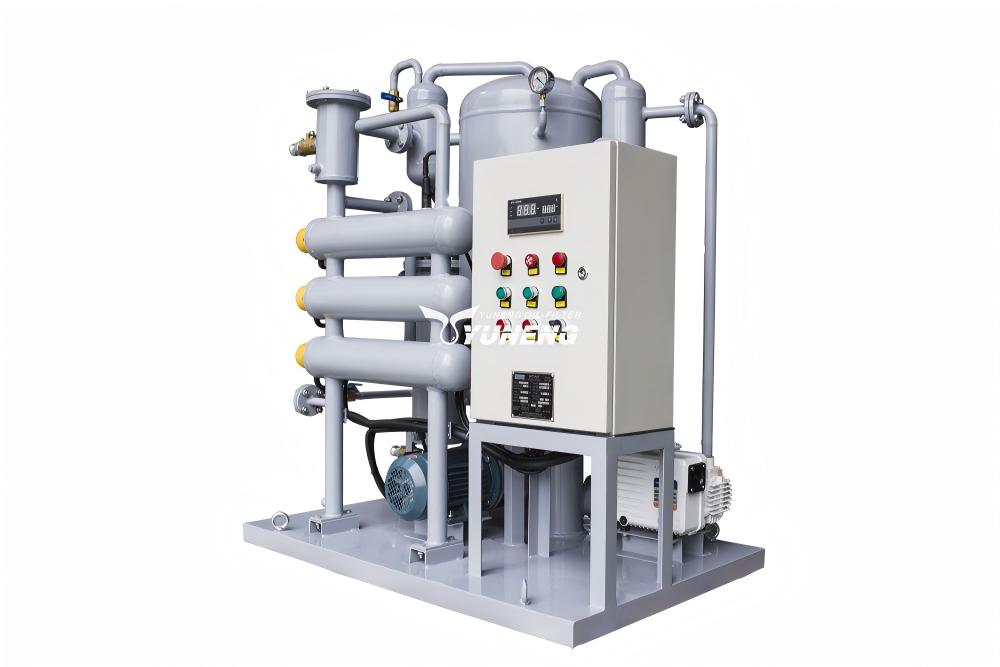
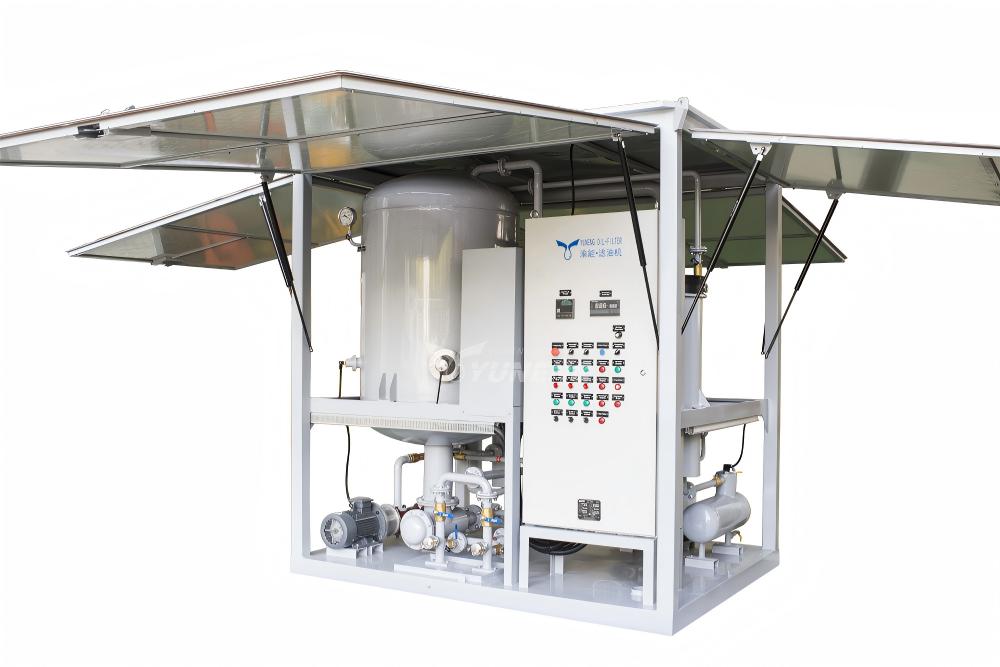
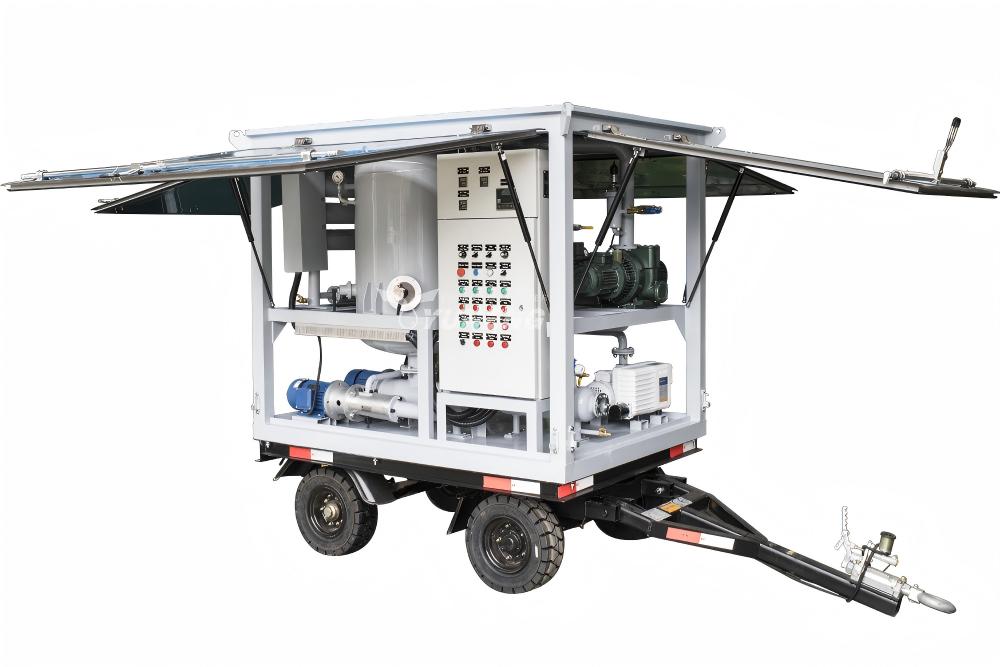
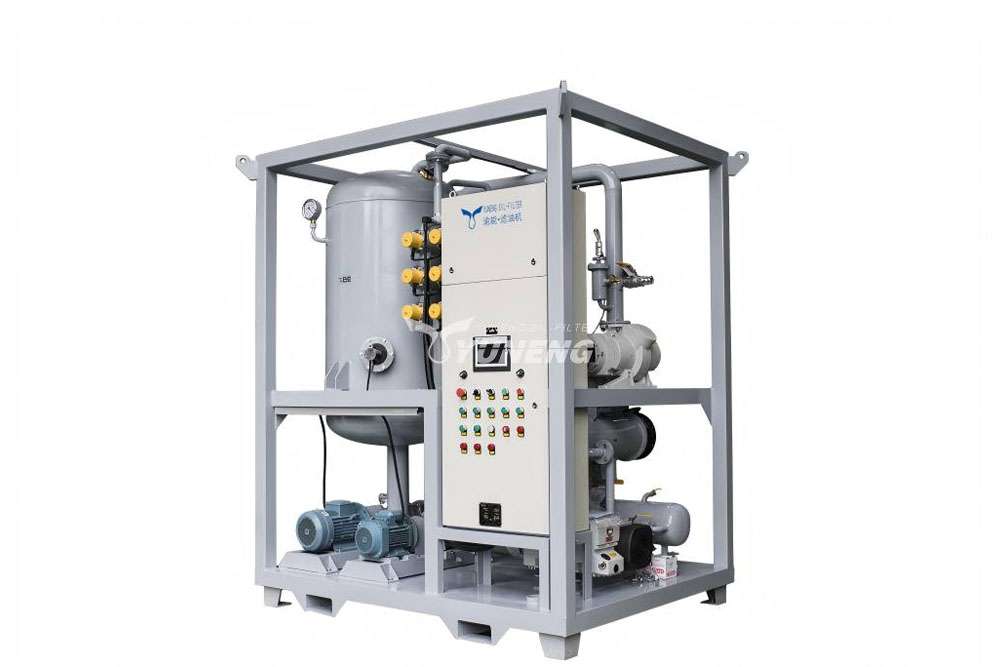
The selected equipment should also match the project requirements. Review the available transformer oil purification machines and confirm that the configuration, flow rate, heating capacity, and vacuum system are suitable for the application.

Pre-Treatment Oil Sampling and Testing Checklist
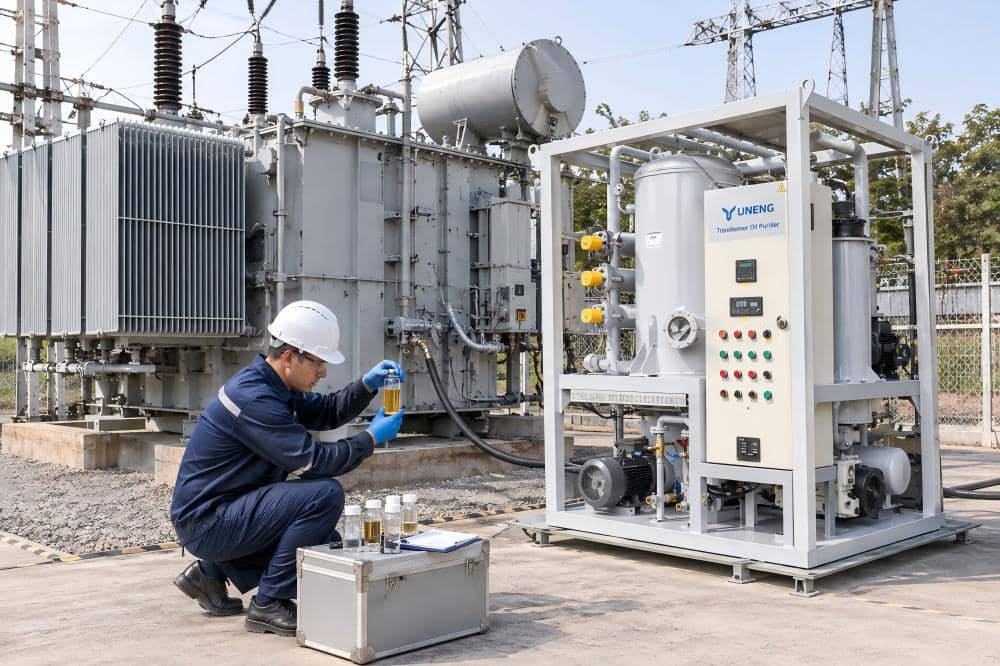
A reliable quality control process starts with an accurate baseline. Collect representative oil samples before treatment. Use clean, dry, compatible sampling containers and follow the laboratory’s sampling instructions.
Depending on the project, the initial oil assessment may include:
| Test | What It Indicates | Why It Matters |
| Breakdown voltage (BDV) | Electrical breakdown performance | Helps assess dielectric strength |
| Water content | Moisture concentration | Identifies moisture-related risks |
| Acidity | Acidic compounds in the oil | Helps assess oil deterioration |
| Interfacial tension (IFT) | Changes associated with polar contaminants | Supports oil condition assessment |
| Dissipation factor | Dielectric losses | Provides additional electrical information |
| Particle contamination | Solid contaminants | Helps identify cleanliness issues |
| Appearance | Color, cloudiness, and visible contamination | Provides an initial visual assessment |
Not every project requires every test. Select the test items according to the oil condition, transformer application, and maintenance requirements.
BDV alone is not enough to determine overall transformer oil quality. An oil sample may show improved breakdown voltage while still containing oxidation products or other contaminants. Record the sampling location, date, operating condition, and test method. This makes it easier to compare the results after treatment.
Transformer Oil Filtration Process Monitoring Checklist
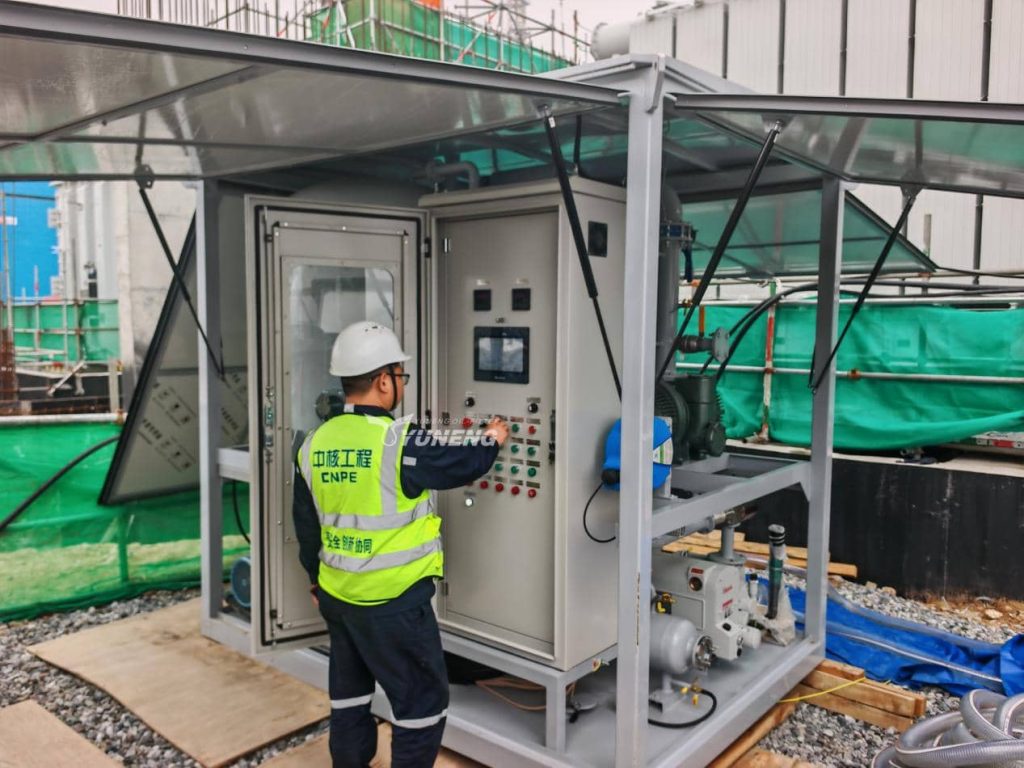
During filtration, operators should monitor the machine and the oil treatment process continuously. The purpose is not simply to maintain a target reading. It is to identify abnormal operating conditions before they affect treatment quality or equipment safety.
| Monitoring Parameter | What to Record | Possible Warning Signs |
| Oil temperature | Actual temperature and changes over time | Unstable or excessive heating |
| Vacuum level | Operating vacuum readings | Sudden fluctuations or failure to stabilize |
| Oil flow rate | Actual circulation rate | Unexpected reduction or instability |
| Inlet pressure | Pressure at the machine inlet | Abnormal suction conditions |
| Outlet pressure | Pressure at the machine outlet | Unexpected pressure changes |
| Filter differential pressure | Pressure difference across the filter | Rapid increase may indicate filter loading |
| Operating time | Start, stop, and total running time | Unexpected interruptions |
| Oil circulation cycles | Treatment progress and circulation arrangement | Incomplete circulation or poor process control |
The correct operating conditions depend on the purifier design, oil characteristics, and project requirements. Operators should follow the manufacturer’s instructions rather than apply universal temperature or vacuum settings.
Watch for these common warning signs:
- Rapid filter pressure increase: The filter element may be loading with contaminants.
- Unstable vacuum: Check for air leakage, pump condition, and connection problems.
- Reduced oil flow: Inspect filters, valves, hoses, and pump operation.
- Unexpected temperature changes: Check the heating system and temperature controls.
- Visible leakage: Stop and inspect the affected connection before continuing.
Keep a process log throughout the project. Recording readings at consistent intervals helps identify operating changes and supports the final quality report.
Prevent Secondary Contamination During Oil Treatment
Secondary contamination is a common quality control risk during field filtration. Even when the purifier is operating correctly, dirty equipment or poor handling practices can introduce new contaminants into the oil.
Use the following controls:
- Clean and inspect hoses before connecting them to the transformer.
- Use dedicated or properly cleaned oil transfer equipment.
- Keep oil containers sealed whenever possible and protect them from moisture and external contamination.
- Prevent rainwater, dust, and foreign materials from entering the system.
- Check hose connections and seals for leaks.
- Avoid mixing different oil types unless compatibility has been confirmed.
- Keep sampling equipment clean and dry.
- Protect treated oil during temporary storage and transfer.
The cleanliness of the entire oil circulation path matters, not just the filter elements inside the purifier. For projects involving old or severely deteriorated oil, determine whether ordinary purification is sufficient or whether regeneration is necessary. YUNENG also provides transformer oil regeneration and reclamation equipment for applications requiring more than moisture removal and particle filtration.
Post-Filtration Oil Testing and Quality Verification
After treatment, collect new samples and compare the results with the pre-filtration baseline. Whenever practical, keep the sampling locations and laboratory test methods consistent. This improves the reliability of the comparison.
| Quality Indicator | Pre-Treatment Result | Post-Treatment Result | What to Evaluate |
| BDV | Record initial value | Record final value | Change in dielectric breakdown performance |
| Water content | Record initial value | Record final value | Moisture removal performance |
| Particle contamination | Record initial condition | Record final condition | Filtration effectiveness |
| Acidity | Record initial value | Record final value | Whether chemical deterioration remains |
| IFT | Record initial value | Record final value | Changes in polar contaminants |
| Dissipation factor | Record initial value | Record final value | Changes in dielectric characteristics |
| Appearance | Record initial condition | Record final condition | Visible changes in oil condition |
Do not assume that every indicator will improve through ordinary vacuum filtration. For example, moisture removal may improve the oil’s dielectric performance, but it does not necessarily reduce acidity or remove dissolved oxidation products.
If the results do not meet the project requirements, investigate the cause before repeating the treatment. Possible causes include:
- Moisture entering the system during treatment.
- Incomplete oil circulation.
- Incorrect equipment configuration.
- Contaminated hoses or storage tanks.
- Deteriorated oil requiring regeneration rather than filtration.
- Differences in sampling or laboratory testing methods.
For a more detailed explanation of post-treatment assessment, see YUNENG’s guide on how to verify transformer oil filtration and oil regeneration results.
Final Project Documentation and Handover Checklist
Quality control should continue until the project documentation is complete. A clear handover record helps the owner verify what was done, what equipment was used, and whether the agreed requirements were met.
The final report should include:
- Project Information
- Transformer identification and oil volume.
- Site location and treatment dates.
- Oil type and maintenance objective.
- Project specifications and acceptance requirements.
- Equipment Information
- Purifier model and configuration.
- Rated and actual operating flow rates.
- Filter element information.
- Relevant equipment inspection records.
- Process Records
- Start and stop times.
- Temperature and vacuum readings.
- Oil flow and pressure records.
- Filter differential pressure.
- Abnormal events and corrective actions.
- Test Results
- Pre-treatment laboratory report.
- Post-treatment laboratory report.
- Sampling locations and dates.
- Test methods and laboratory information.
- Comparison against project acceptance requirements.
- Handover Records
- Final operating report.
- Equipment inspection confirmation.
- Outstanding issues, if any.
- Customer or project representative sign-off.
A complete record makes future maintenance easier and provides traceability for the oil treatment process.
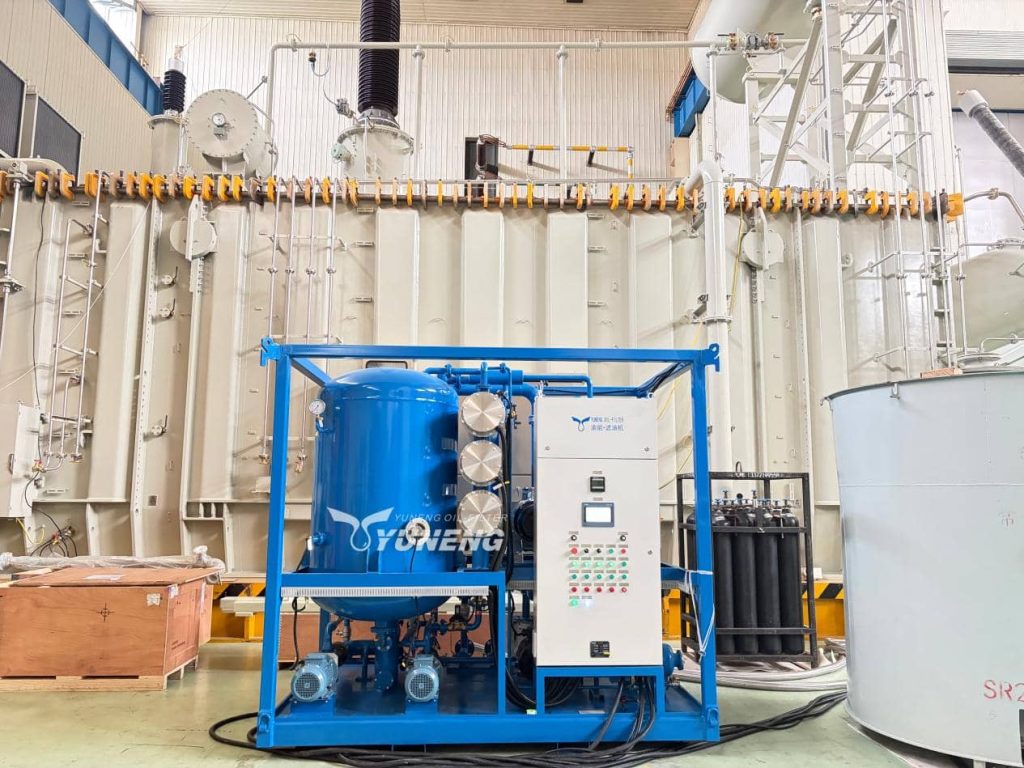
How Does Oil Purification Equipment Support Quality Control?
The equipment configuration should match the actual oil condition and project objective. Different machines perform different functions. Selecting the right system is an important part of transformer oil filtration quality control.
| Equipment Type | Main Function | Typical Application |
| Vacuum transformer oil purifier | Removes moisture, dissolved gases, and certain solid contaminants | Routine oil purification and maintenance |
| Transformer oil regeneration machine | Helps remove acidic and other polar oxidation products through suitable regeneration media | Treatment of deteriorated mineral insulating oil |
| Portable oil purifier | Provides flexible oil treatment at different locations | Field maintenance and smaller projects |
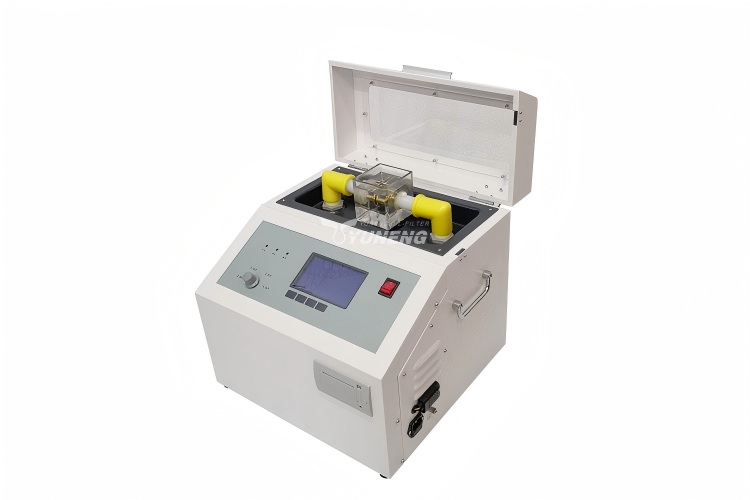
| BDV testing equipment | Measures oil breakdown voltage | Pre-treatment and post-treatment testing |
For example, a vacuum purifier may be suitable when the main concern is moisture and gas contamination. If the oil has significant oxidation-related deterioration, a regeneration system may be more appropriate.
YUNENG offers different oil purification and regeneration configurations. You can review the available oil treatment equipment to compare equipment options for different project requirements.
The best equipment is not necessarily the machine with the highest rated flow rate. It is the system that matches the oil condition, treatment objective, site conditions, and required quality results.
Frequently Asked Questions
Q1: What Should Be Done Before Transformer Oil Filtration?
Check the purifier, vacuum pump, oil pump, heating system, filter elements, hoses, valves, and instruments. Perform oil sampling and test treatment requirements.
Q2: What tests are important in transformer oil QC (for filtration)?
Typical tests include BDV, free and dissolved water content, acidity, IFT, dissipation factor, and particle contamination. Different tests are performed according to the requirements of the project and the state of the oil.
Q3: How often should the operating parameters be logged for filtration?
Critical operating parameters should be recorded at intervals over a treatment. The interval should be based on manufacturer recommendations and project procedure.
Q4: Does filtration of the transformer oil remove all contaminants?
No, vacuum filtration is pretty effective with water, dissolved gases, and some solids. It may not necessarily remove dissolved oxidation products, acidity, or sludges. These may need regeneration or other treatment as appropriate.
Q5: Why is oil testing performed after treatment?
Post-treatment sampling provides evidence of treatment performance. Comparing pre- and post-treatment results helps determine whether the process achieved the project’s requirements.