Transformer Oil Regeneration: Online vs. Offline Solutions Explained

Oil Purification & Vacuum Technology Expert
Table of Contents
Transformer oil regeneration is one of the most effective methods of transformer maintenance, which extends service life and reduces operational costs. Numerous studies have shown the power industry that a large percentage of transformer failures are directly or indirectly related to the degradation of insulating oil and solid insulation. Over time, transformer oil collects oxidation products, moisture, acids, sludge, and other contaminants that degrade its dielectric strength, accelerate the deterioration of paper insulation, and increase the risk of unexpected outages.
Transformer oil regeneration uses sophisticated purification and adsorption technologies to restore the original chemical and electrical properties of aged insulating oil, rather than replacing large quantities of insulating oil or investing in costly transformer replacement. Compared to complete oil replacement, transformer oil regeneration is a more economical, environmentally responsible, and technically effective solution to modern transformer maintenance. The process, online or offline, allows utilities, industrial plants, renewable energy operators, and transmission companies to maximize asset reliability while minimizing downtime.
In this article, we describe the process of transformer oil regeneration, compare online and offline regeneration, discuss why transformer oil reclamation is often a better alternative to oil replacement, and outline best practices for achieving consistent long-term results.
What is Transformer Oil Regeneration?
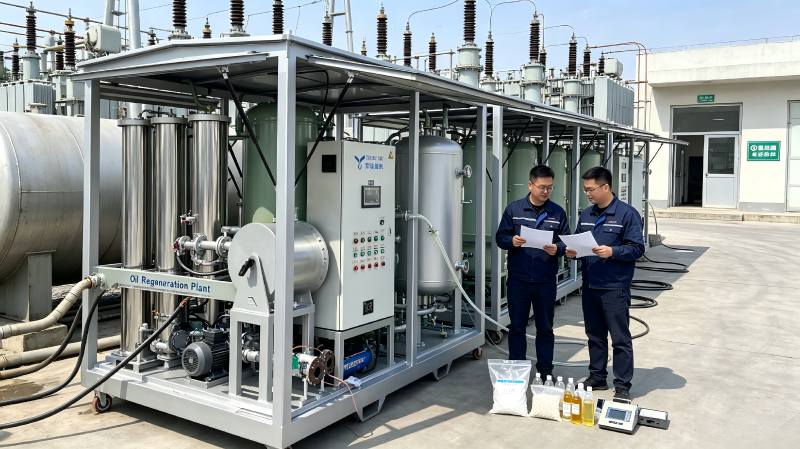
The transformer oil regeneration is a complete restoration process, the goal of which is the restoration of the chemical, physical and electrical properties of the aged insulating oil. Unlike conventional oil filtration, which mainly removes moisture and solid particles, the regeneration of transformer oil removes the oxidation by-products and recovers the insulating performance of the oil.
Typically, the process removes:
- moisture
- dissolved gases
- Solid impurities
- Oxidation sludge
- Organic acids
- Polar substances
- Carbon particles
- Colloidal impurities
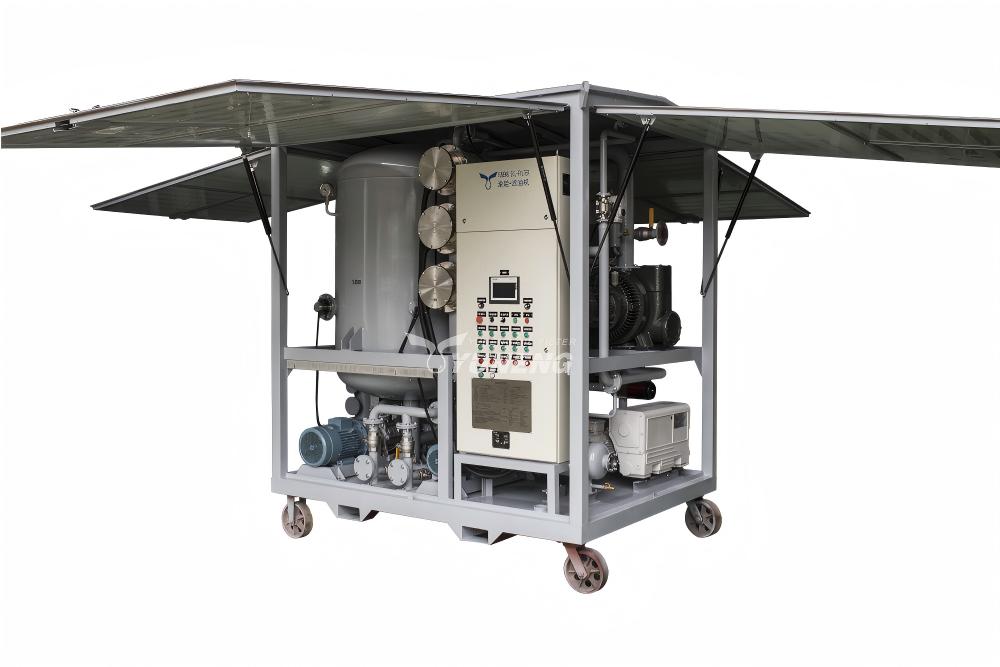
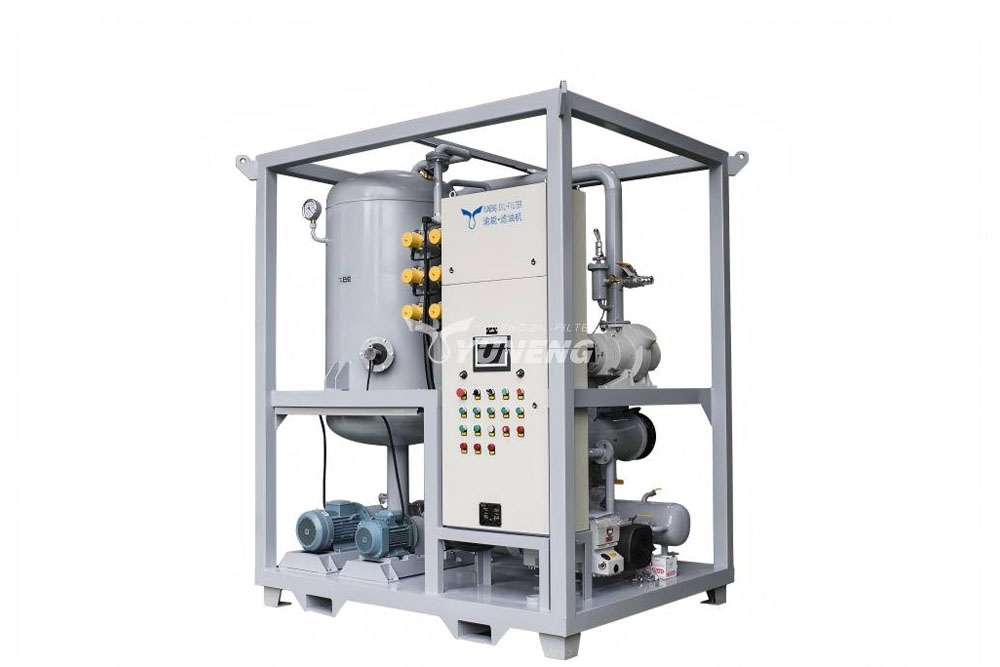
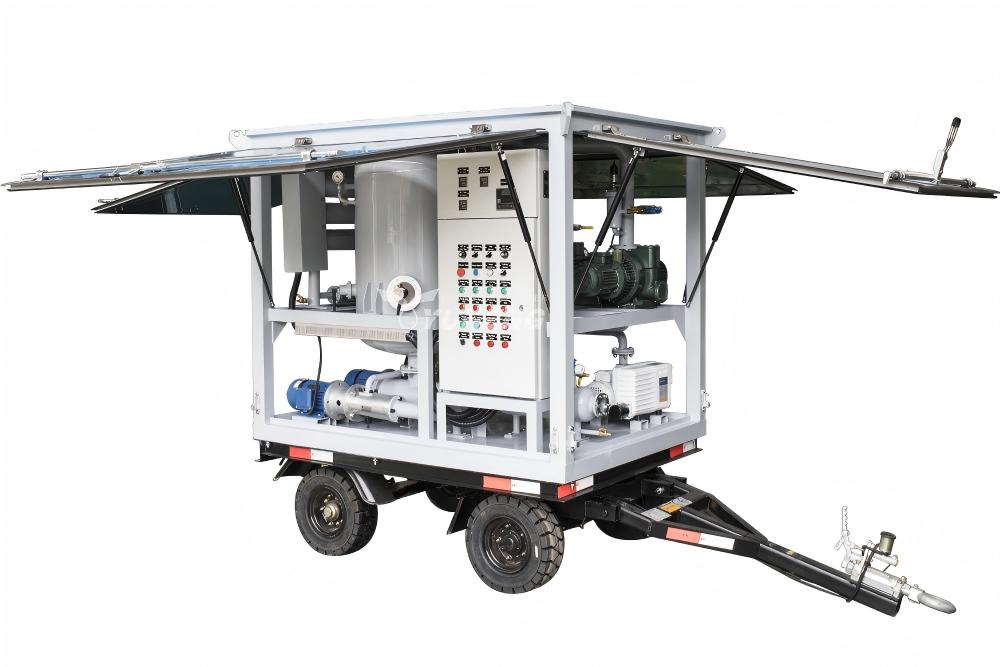
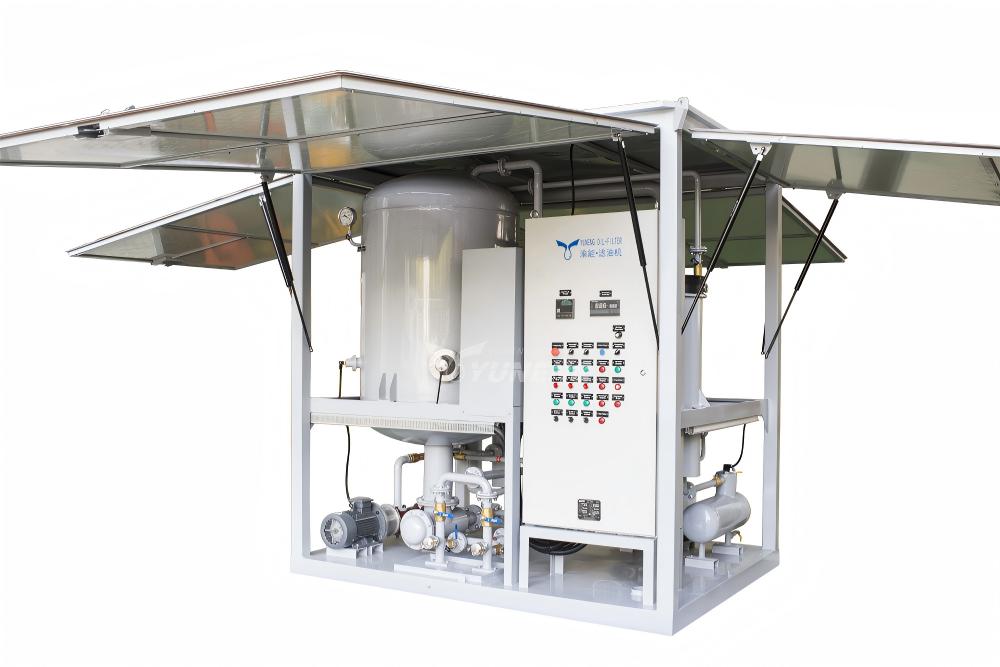
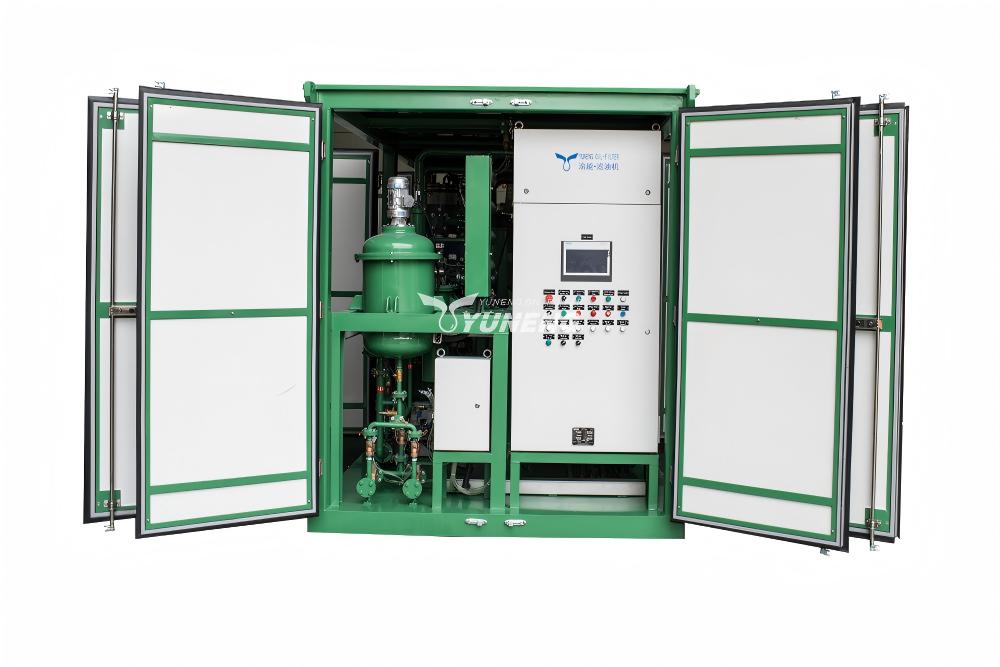
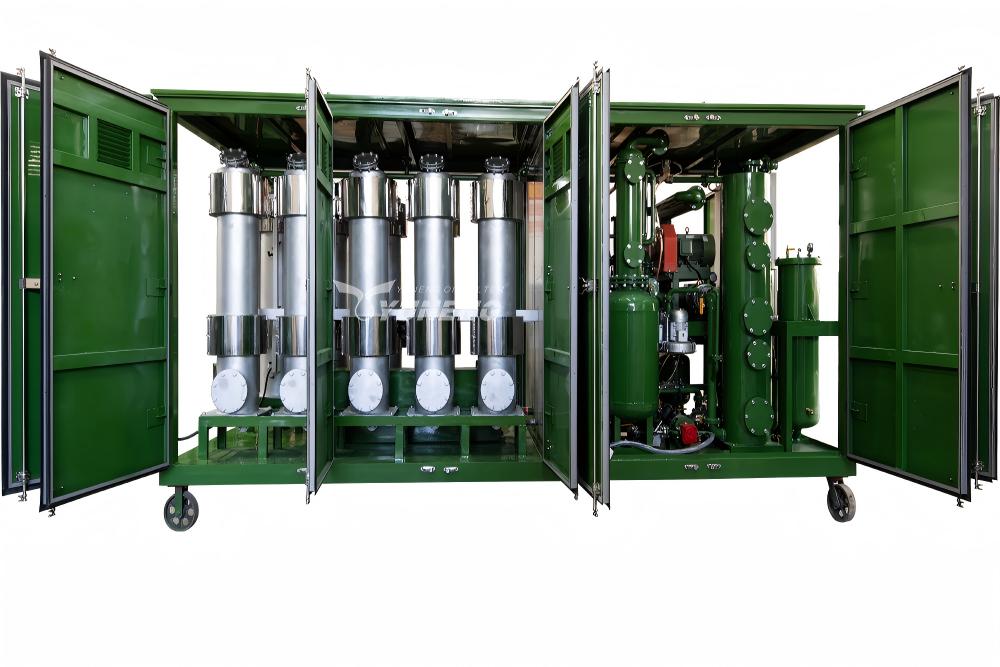
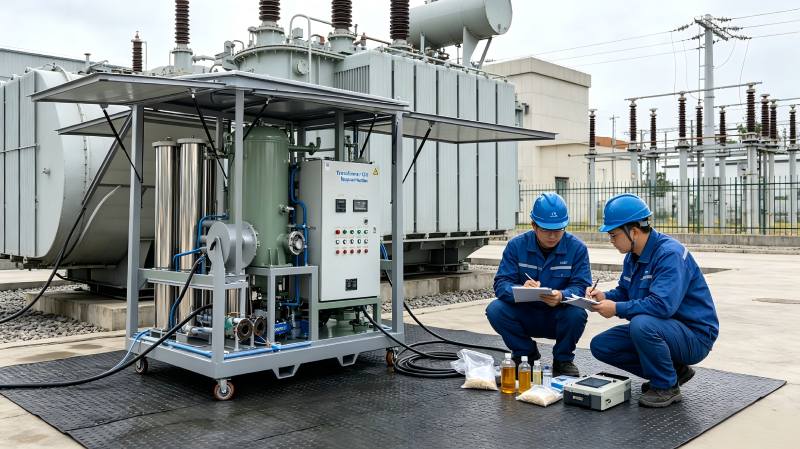
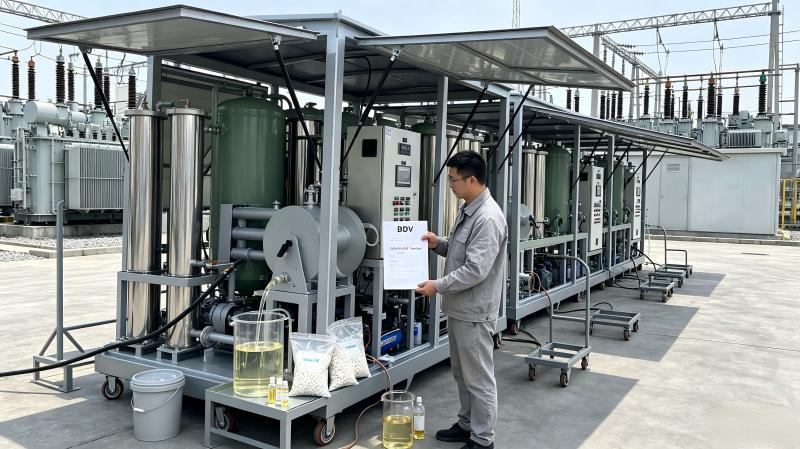
A professional transformer oil regeneration machine typically incorporates several treatment steps, such as vacuum dehydration, fine filtration, degassing, heating, and chemical adsorption. High-performance adsorbents such as activated alumina or Fuller’s Earth selectively remove acidic compounds and oxidation products without damage to the base insulating oil.
This distinction is important because filtration alone can not reverse chemical aging. Transformer oil regeneration is a chemical restoration and not a simple mechanical cleaning. The oil recovers important parameters, such as:
- BDV (dielectric strength)
- Interfacial tension (IFT)
- Acid value
- Humid content
- Dielectric dissipation factor (tan δ)
- Color stability
Therefore, transformer oil reclamation not only restores oil quality but also retards cellulose paper insulation aging by removing catalytic oxidation products that accelerate insulation degradation.
Online vs. Offline Transformer Oil Regeneration: A Detailed Comparison
The choice between online and offline transformer oil regeneration depends on the condition of the transformer, the desired maintenance results, the operational requirements and availability of an outage.
| Comparison Item | Online Transformer Oil Regeneration | Offline Transformer Oil Regeneration |
| Transformer Status | Energized during treatment | De-energized |
| Downtime | None | Planned outage required |
| Maintenance Impact | Minimal interruption | Suitable for major maintenance |
| Oil Treatment Speed | Continuous | Faster intensive treatment |
| Risk Level | Lower operational disruption | Complete system inspection possible |
| Suitable Transformer Size | Large power transformers | All transformer types |
| Paper Drying Efficiency | Moderate | Excellent with vacuum drying |
| Overall Restoration | Continuous improvement | Maximum restoration effect |
| Typical Applications | Utility substations, grid operation | Factory maintenance, overhaul |
When to Opt for Online Transformer Oil Regeneration
Online transformer oil regeneration is suggested if:
- Power interruption unacceptable.
- Critical substations should be in operation 24×7.
- Utilities apply predictive maintenance programs.
- Transformer condition is stable but oil quality has begun to deteriorate.
- Long term condition monitoring is available.
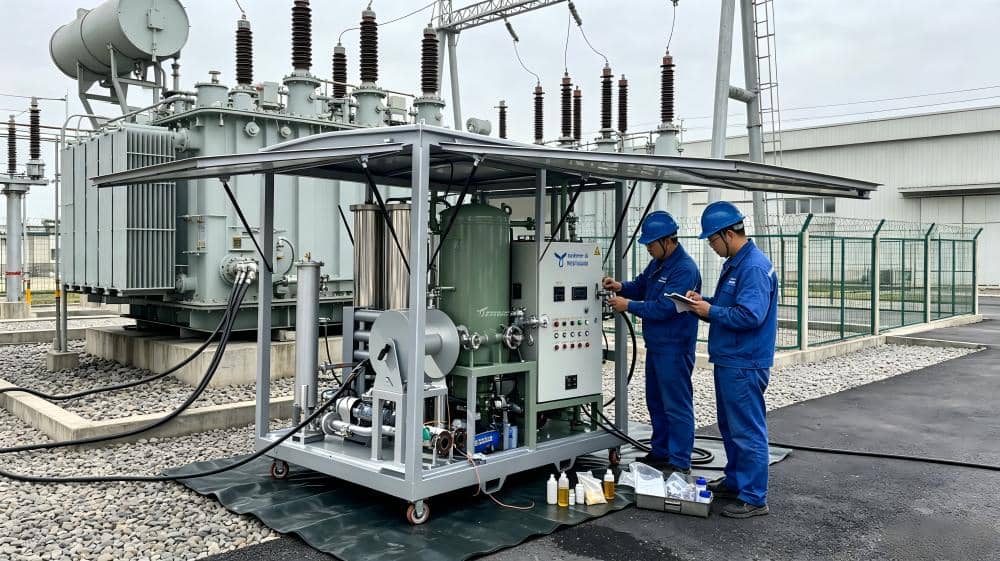
The transformer is energized, so online transformer oil regeneration allows the removal of contaminants without power interruption. This is where smart grid asset management programs are increasingly going.
When to Opt for Offline Transformer Oil Regeneration
Offline transformer oil regeneration is more suitable when:
- Acid value over the recommended limit.
- Already considerable sludge formation.
- High moisture content.
- Internal inspections are scheduled.
- Major refurbishment of transformers planned.
The treatment offline can enable the transformer oil regeneration machine to operate under a deeper vacuum, which is beneficial for the dehydration and degassing efficiencies, and can achieve comprehensive maintenance of the transformer.
Why Transformer Oil Regeneration is Better Than Oil Replacement
Many asset managers automatically start to think about replacing insulating oil when laboratory test results begin to deteriorate. However, modern transformer oil regeneration is often more valuable both technically and economically.
1. Significant Cost Reductions
Complete oil replacement requires the purchase of new insulating oil, transportation, disposal of used oil, labor costs, and equipment shutdown. The cost to regenerate transformer oil is often only 20% to 30% of the cost of a complete oil replacement project.
Utilities benefit from a cost-effective process by returning the oil to within a few points of new-oil standards because the contaminants are removed and the original base stock is retained in the regenerated oil.
2. Better Environmental Sustainability
Environmental regulations are placing greater emphasis on minimizing waste and managing carbon footprints.
Transformer oil reclamation helps achieve ESG goals by:
- Less waste oil disposal
- Lower carbon emissions from the manufacture of new insulating oil
- Reduced transport needs
- Supporting circular resource use
- Longer transformer asset life
Transformer oil regeneration allows operators to regain the quality of existing oil for reuse rather than dumping hundreds or thousands of liters of insulating oil.
3. Improved Safety of Solid Insulation
One of the main advantages of the regeneration of transformer oil is the protection of the cellulose insulation in an indirect way.
Paper insulation cannot be replaced unless the transformer is dismantled. This aging of cellulose leads to a permanent decrease in the degree of polymerization.
Oxidized oil contains acids and polar compounds that speed up the deterioration of paper. By removing these contaminants, transformer oil regeneration slows down insulation aging, extending transformer service life and delaying expensive capital replacement.
Transformer oil regeneration is viewed as a preventative maintenance tool in many long-term asset management programs, not just an oil treatment process.
Best Practices to Achieve Successful Transformer Oil Regeneration
You cannot get ideal results just by running a transformer oil regeneration machine. Good planning, monitoring, and quality control are equally important.
1. Watch over key oil parameters
Engineers should evaluate before and after every transformer oil regeneration cycle:
- Breakdown Voltage (BDV)
- Neutralization Value (Acid Number)
- Interfacial Tension (IFT)
- Moisture Content l
- Dielectric Loss Factor (Tan Delta)
- Colour index
- Resistivity l
- Dissolved Gas Analysis (DGA)
Trend analysis is more useful than individual measurements, allowing maintenance teams to identify early degradation and optimize regeneration schedules.
2. Select Quality Adsorbents
The quality of the adsorbent is the main factor that affects the efficiency of transformer oil regeneration.
Premium Activated Alumina/regenerated fuller’s earth offers:
- Higher adsorption capacity
- Longer service life
- Better contaminant removal
- Stable regeneration performance
- Reduced operating costs
Bad adsorbents can saturate quickly, decreasing the efficiency of the cleaning and increasing the maintenance frequency.
3. Choose the Appropriate Transformer Oil Regeneration Machine
A professional transformer oil regeneration machine should include a multi-stage treatment:
- High vacuum drying
- Multi filtration
- Degassing system
- Column Adsorption
- Temperature control automation
- Oil circulation monitoring
- PLC automation
- Online quality control
Advanced systems minimize operator intervention and maintenance errors while improving treatment consistency.
4. Utilize Predictive Maintenance
Utilities are increasingly including transformer oil regeneration in their predictive maintenance programmes, rather than waiting for oil failure.
By combining online monitoring and periodic oil testing, engineers can determine the optimum regeneration interval before significant degradation of the insulation occurs. This proactive approach will maximize transformer availability and minimize the occurrence of unexpected outages.
Frequently Asked Questions (FAQ)
Q1: Is transformer oil regeneration safe for old transformers?
A1: Yes. The process is generally safe for aging transformers when performed by trained personnel following professional procedures and using a properly designed transformer oil regeneration machine. In many cases, the biggest benefits are seen in older transformers, since regeneration removes acids, sludge, and moisture that speed up the deterioration of insulation. Prior to any treatment, a complete oil analysis should always be carried out to determine the condition of the transformer.
Q2: How often should we regenerate transformer oil?
A2: No one maintenance interval fits all. Frequency depends on transformer loading, operating environment, oil test results, and maintenance strategy. Many utilities promote condition-based maintenance and perform transformer oil regeneration when parameters such as acid number, BDV, moisture content, or IFT are above acceptable limits, not necessarily on a fixed calendar schedule.
Q3: Does online transformer oil regeneration impact dielectric strength?
A3: No. When correctly performed, online transformer oil regeneration typically improves dielectric strength over time by continuously removing moisture, oxidation products, and suspended contaminants. Although the rate of improvement may be slower than that of offline treatment, the insulation performance steadily increases without interrupting the operation of the transformer.