How Moisture Moves Between Transformer Oil and Cellulose Insulation

Oil Purification & Vacuum Technology Expert
Table of Contents
Moisture is one of the most essential factors that determine the reliability of oil-filled power transformers. Moisture is, however, not present just in the transformer oil. Cellulose insulation (transformer paper and pressboard) can also absorb and retain large quantities of moisture. Transformer oil and cellulose insulation constitute a coupled moisture system. Water is constantly and dynamically exchanged between these materials by absorption, desorption, and diffusion. This process varies with temperature, operating conditions, and insulation ageing.
Different methods of insulating paper and oil moisture elimination solve different problems. Therefore, it is necessary for transformer maintenance engineers to understand the effects of moisture in transformer oil and cellulose insulation, master the characteristics of various treatment methods, and adopt the appropriate treatment methods to ensure the reliable performance of the insulation. As a manufacturer of transformer oil purification equipment, YUNENG concentrates on practicable technologies for helping maintainers to control moisture in oil, remove impurities, and save transformer insulation from damage in maintenance.
How Does Moisture Exist in Transformer Oil and Cellulose Insulation?
Moisture can exist in different forms throughout a transformer’s insulation system. Understanding where water is located is the first step toward effective moisture management.
Moisture in Transformer Oil
Transformer insulating oil can contain:
- Dissolved water: Water molecules distributed within the oil. The amount the oil can hold depends partly on temperature and oil properties.
- Free water: Water that separates from the oil when its concentration exceeds the conditions for remaining dissolved.
- Dispersed water droplets: Small water droplets suspended in oil, sometimes forming an unstable emulsion.
Solution moisture is important because it may not be apparent in routine oil checks, but it can have a great impact on the dielectric performance.
Moisture in Cellulose Insulation
Transformer paper and pressboard are made primarily from cellulose fibers. These materials are hygroscopic, meaning they can absorb and retain water from their surroundings.
Moisture in cellulose insulation is influenced by:
- Transformer operating temperature.
- Ambient humidity during maintenance.
- Insulation age and degradation.
- Previous drying and maintenance conditions.
- Moisture exposure during storage and installation.
However, unlike transformer oil, cellulose insulation can hold water inside its fibre structure. Therefore, a reduction in the water content of oil does not imply that the entire insulation system has dried out.
How Does Moisture Equilibrium Between Transformer Oil and Paper Work?
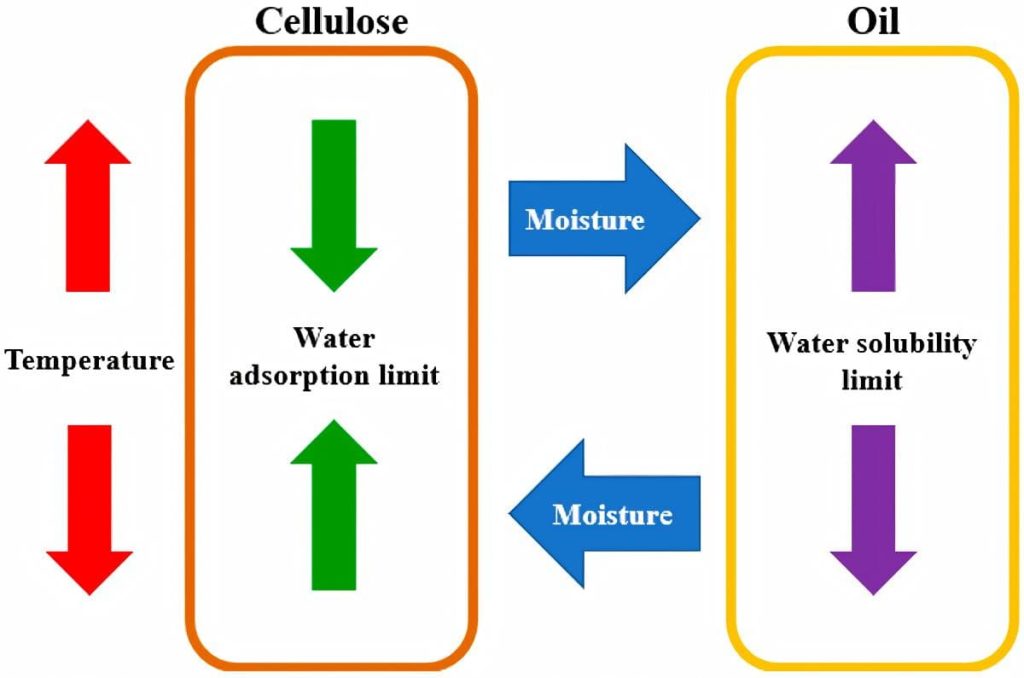
Moisture migration between oil and paper is a continuous physical process. When transformer oil and cellulose insulation come into contact, water tends to redistribute according to their respective moisture activities and the surrounding temperature.
Moisture Exchange Between Oil and Paper
When the moisture condition of oil and paper is out of equilibrium, water can migrate between the two materials.
For example:
- Cellulose insulation absorbs moisture during humid maintenance conditions.
- Some moisture remains stored inside the paper and pressboard.
- During transformer operation, temperature changes affect the moisture distribution.
- Water gradually moves between the cellulose and surrounding oil.
- A new moisture equilibrium develops under the changed operating conditions.
It is determined by the temperature, water content of the two materials, and physical properties of the insulation system. Moisture equilibrium is not equal to the equal water content of oil and paper. It is the moisture relationship between them under certain conditions.
Why Cellulose Insulation Matters
The cellulose insulation system has a significant influence on the mechanical and electrical properties of power transformers.
Excess moisture can:
- Reduce the insulation system’s dielectric strength.
- Increase the rate of hydrolytic (dry form) degradation of cellulose.
- Raise the risk of moisture-induced insulation failures.
- Affect long-term transformer operation reliability.
Therefore, the solid and liquid insulation conditions of the transformers must be taken into account during transformer maintenance.
How Does Temperature Change Moisture Distribution in a Transformer?
Temperature is one of the most important factors affecting transformer oil moisture migration. The solubility of water in transformer oil generally increases with temperature. As the temperature changes, the distribution of moisture between oil and cellulose can also change.
When Transformer Temperature Increases
When the transformer is running, the higher temperatures can force moisture from the cellulose insulation into the surrounding oil. Warmer oil can also hold more dissolved water.
This can result in higher moisture readings in the oil even when no additional water has been added to the transformer.
When Transformer Temperature Decreases
When the transformer cools down, the moisture distribution may shift in the opposite direction. Some water can migrate from the oil back into cellulose insulation. If the oil becomes sufficiently saturated, free-water formation may also become a concern.
The actual direction and rate of migration depend on the moisture condition of both materials.
| Operating Condition | Possible Moisture Movement | Effect |
| Temperature increases | Paper to oil | Oil moisture may increase |
| Temperature decreases | Oil to paper | Cellulose may absorb moisture |
| Temperature fluctuates | Redistribution in both directions | Moisture readings may change |
This is why transformer oil moisture measurements should always be interpreted together with oil temperature and operating conditions.
Why Can’t Vacuum Dehydration Immediately Remove All Moisture from Transformer Insulation?
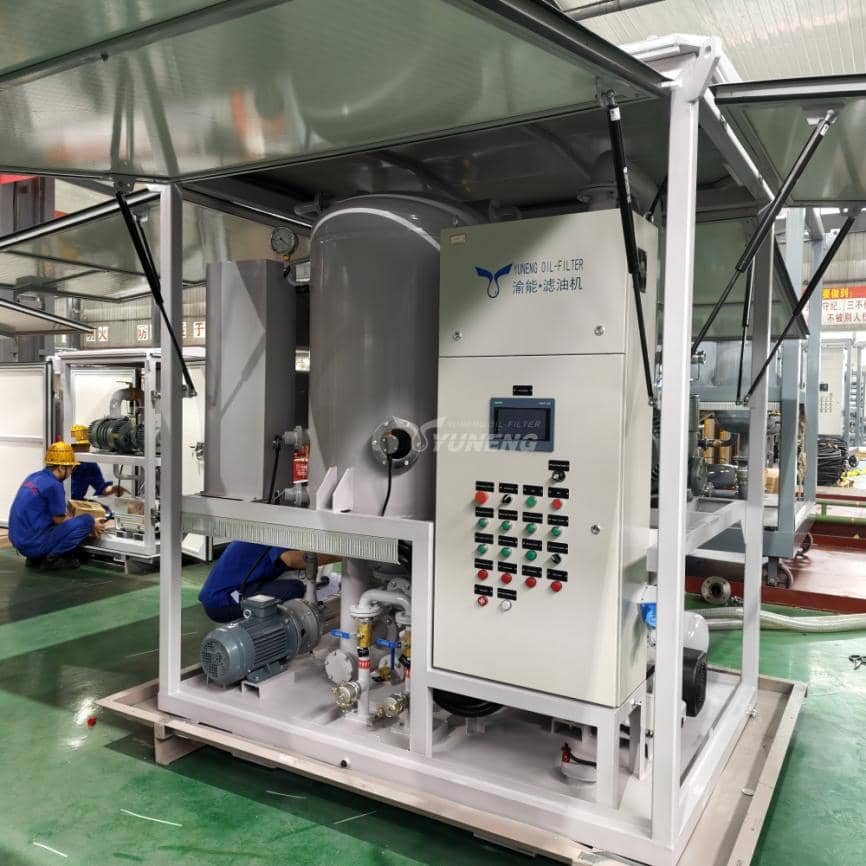
Vacuum dehydration does a good job on the removal of both dissolved and free water of the transformer oil. However, it does not eliminate all moisture contained in the cellulose insulation.
Vacuum Dehydration Mainly Treats Transformer Oil
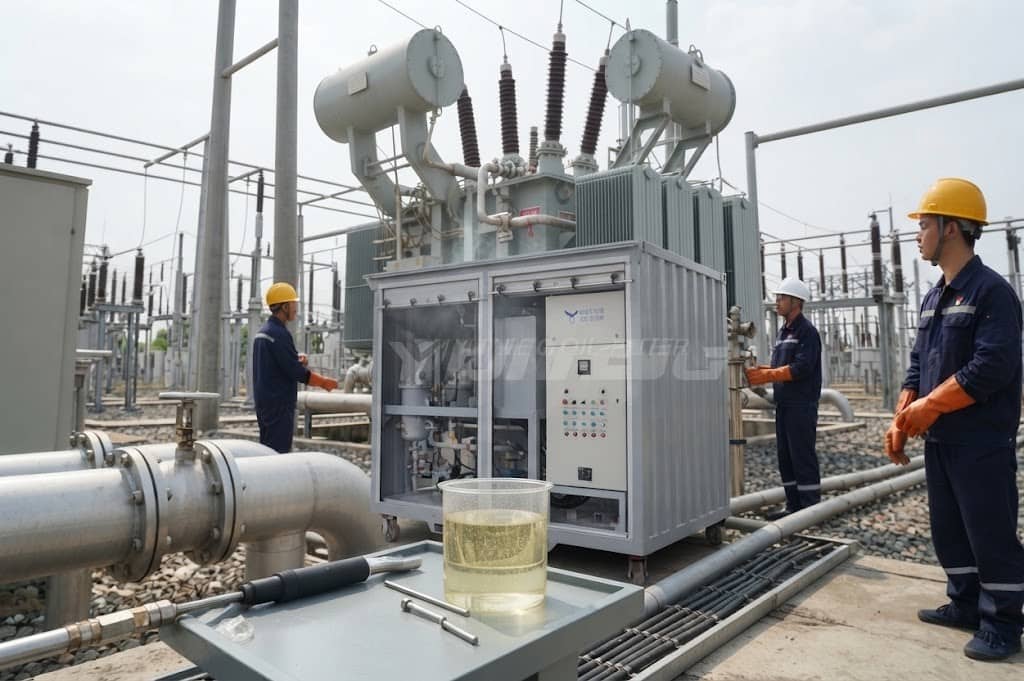
The vacuum transformer oil purifier is a device for purifying circulating oil from moisture, suspended particles, and dissolved gas by filtration and controlled heat and vacuum separation. If the transformer oil treatment is functioning properly, the treatment system dries the wet transformer oil. The cleaned oil is returned to the transformer or storage.
However, the purifier primarily processes the liquid insulation medium.
Moisture Inside Cellulose Requires More Time to Move
Water retained within cellulose fibers cannot be removed as quickly as moisture already present in circulating oil.
The migration process depends on:
- Moisture content within the paper.
- Thickness and structure of cellulose insulation.
- Oil temperature.
- Moisture concentration difference.
- Oil circulation conditions.
- Treatment duration.
A low moisture reading in treated oil does not necessarily indicate that the solid insulation has reached the same moisture condition. This distinction is important when evaluating transformer maintenance results.
For additional engineering insight, read YUNENG’s article: Why Does Transformer Oil Moisture Increase Again After Filtration?.
How Does Oil Circulation Help Reduce Transformer Moisture?
Oil circulation can support moisture management by continuously bringing treated oil into contact with transformer insulation.
Improving Moisture Exchange
During an appropriate circulation process:
- Transformer oil passes through the purification equipment.
- Vacuum dehydration reduces moisture in the circulating oil.
- Treated oil returns to the transformer.
- The relatively dry oil contacts paper and pressboard insulation.
- Moisture gradually migrates from the cellulose into the oil, depending on temperature and moisture conditions.
- The circulating oil carries some of this moisture back to the treatment system.
This process can help reduce moisture in the overall insulation system over time. However, oil circulation alone does not guarantee complete cellulose drying. The required treatment duration and method depend on transformer design, insulation condition, and project requirements.
Oil Purification vs. Transformer Insulation Drying
These two processes serve related but different purposes.
| Comparison | Oil Purification | Insulation Drying |
| Main target | Transformer oil | Solid insulation |
| Primary purpose | Remove moisture, gases and particles from oil | Reduce moisture retained in cellulose |
| Typical method | Vacuum dehydration and filtration | Controlled heating and vacuum or other validated drying processes |
| Application | Routine oil treatment and maintenance | Deeper insulation drying |
Choosing the correct process requires an assessment of both oil quality and solid insulation condition.
How to Choose the Right Transformer Oil Treatment Equipment?
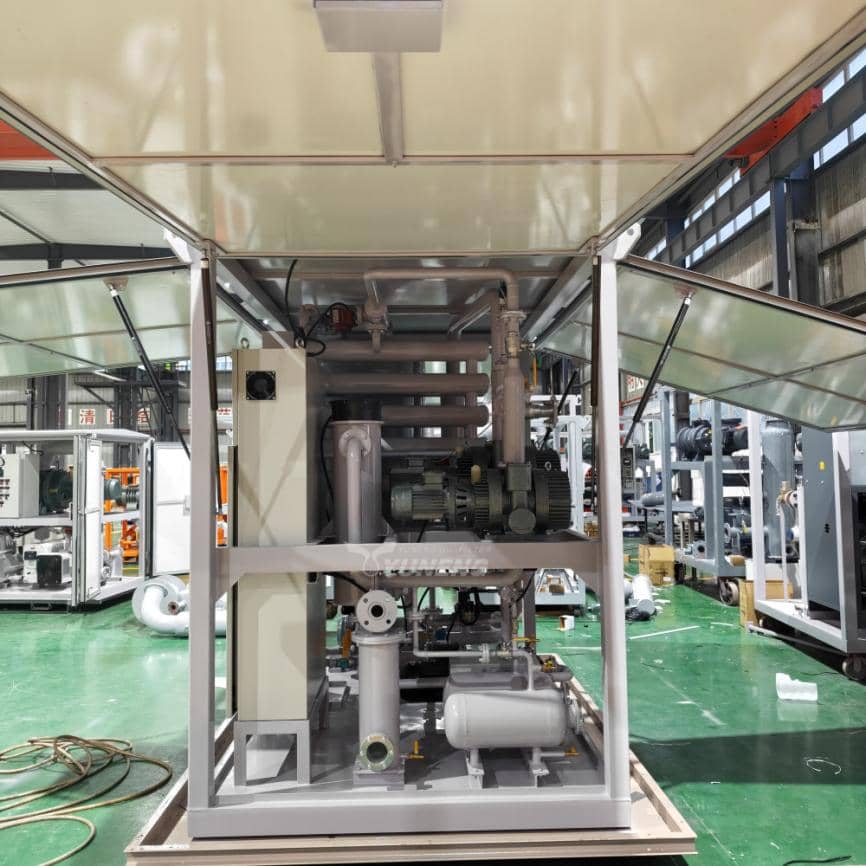
At YUNENG, we manufacture transformer oil purification and maintenance equipment for power utilities, transformer manufacturers, and industrial maintenance companies. Equipment selection should be based on the actual condition of the transformer rather than oil volume alone.
Double-Stage Vacuum Transformer Oil Purifier
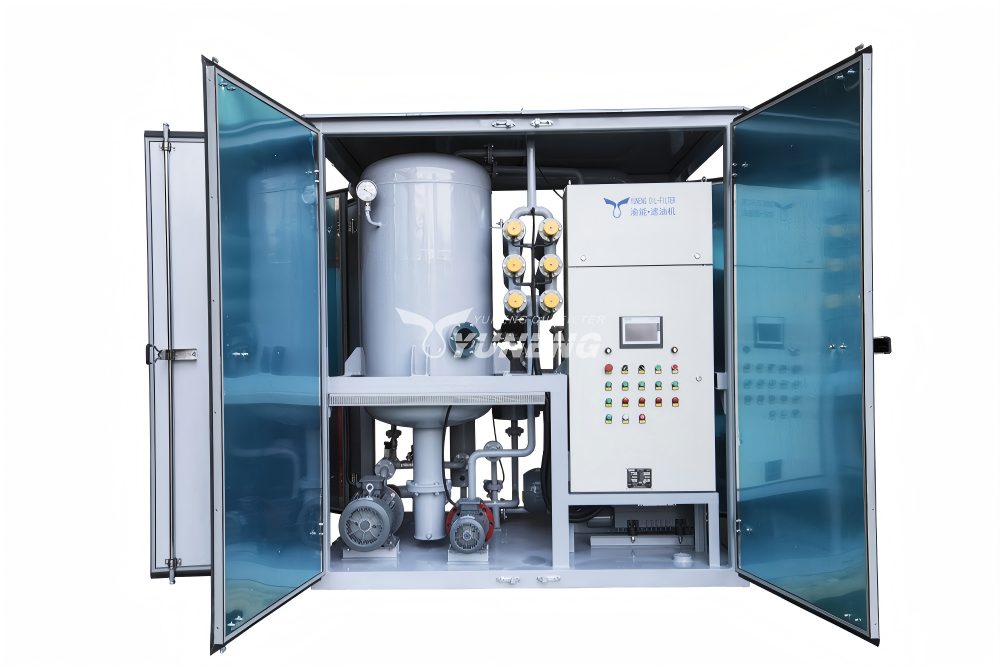
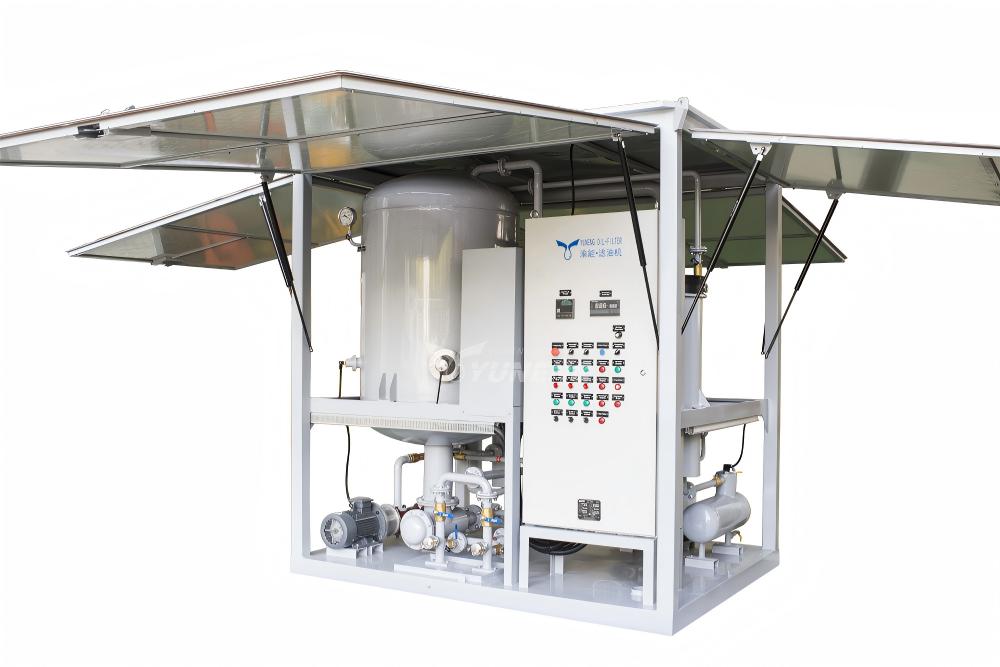
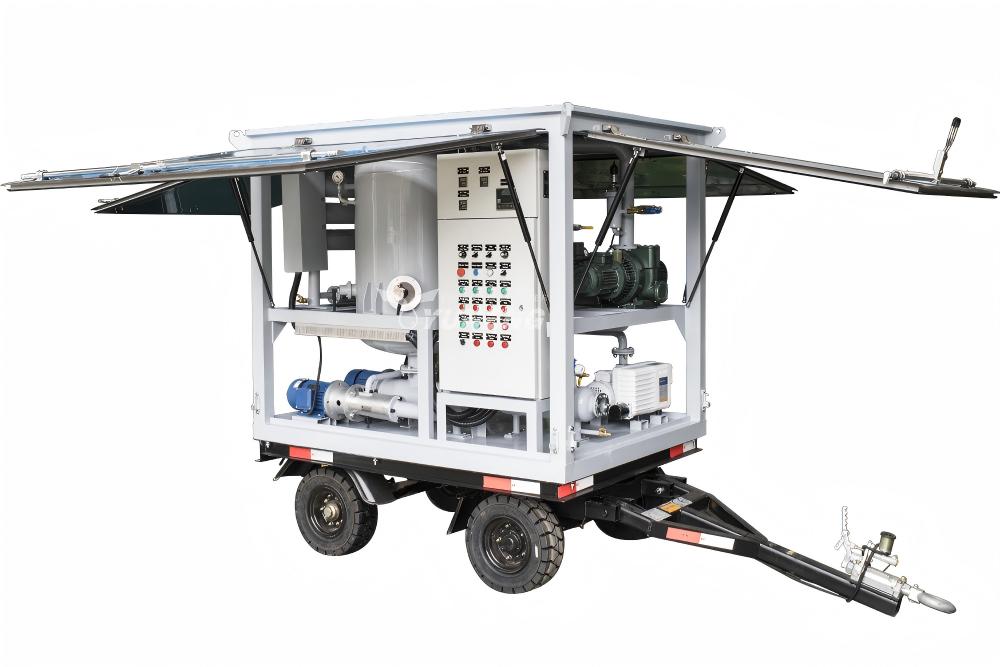
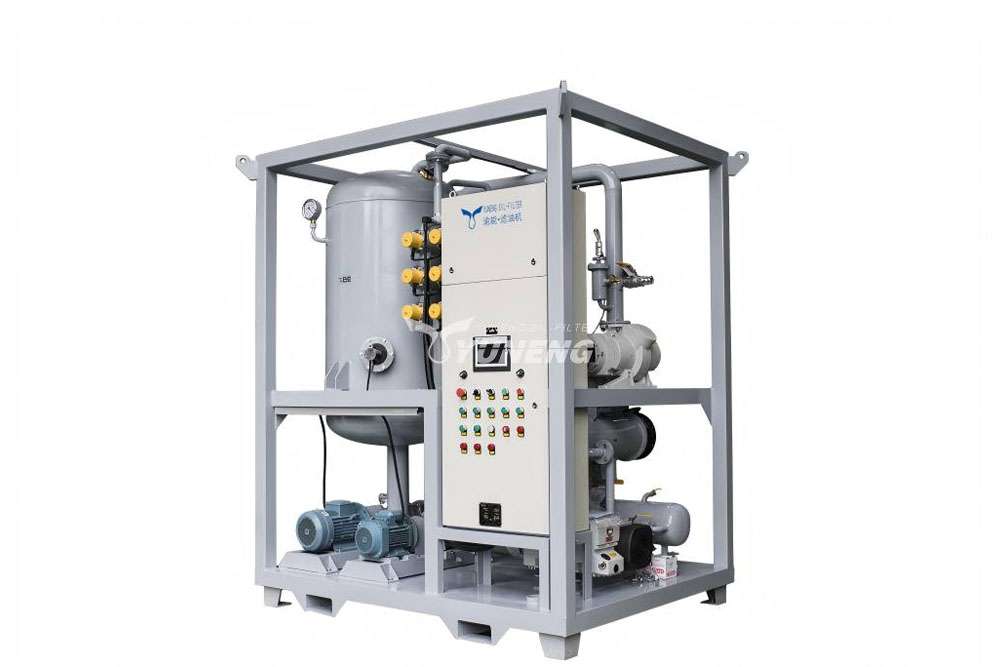
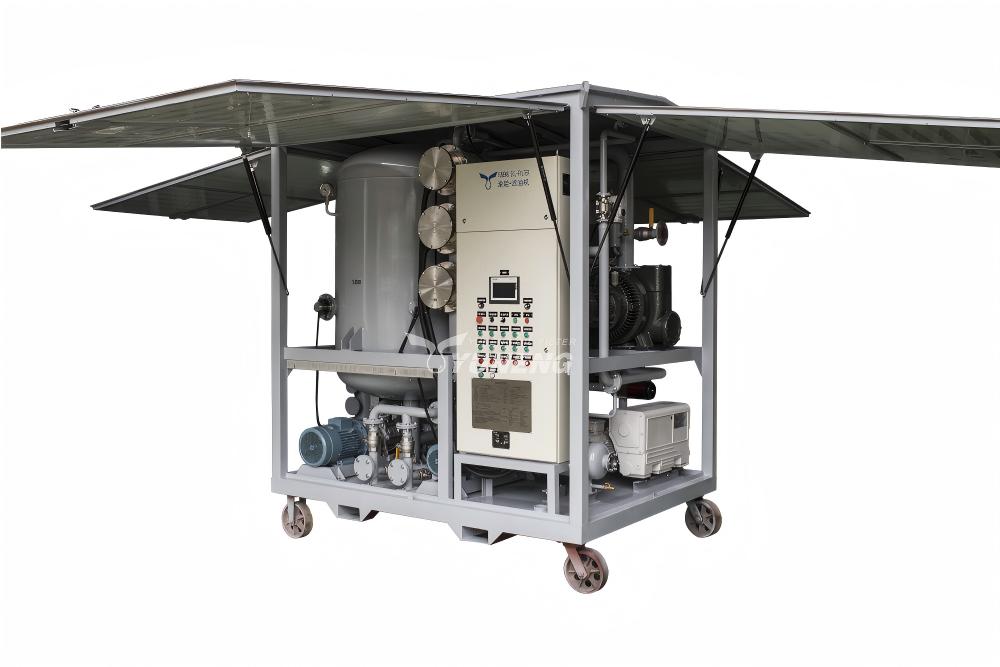
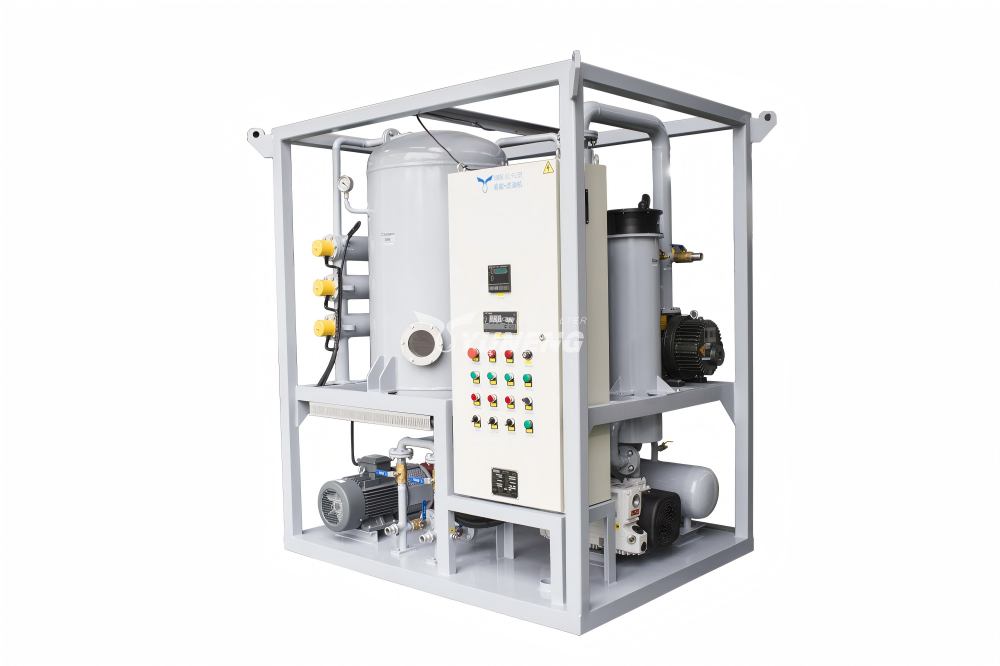
For applications involving dissolved moisture, gases, and suspended particles, a double-stage vacuum system can provide integrated oil treatment. YUNENG’s ZJA Series Double-Stage Transformer Oil Purification Machine is designed for transformer oil dehydration, degassing, and fine filtration.
Its main applications include:
- Removing dissolved and free moisture from insulating oil.
- Reducing dissolved gas content.
- Removing suspended particles.
- Supporting transformer oil maintenance and hot oil circulation projects.
Explore our ZJA Double-Stage Transformer Oil Purification Machine for technical specifications and equipment configurations.
Transformer Dry Air Generator
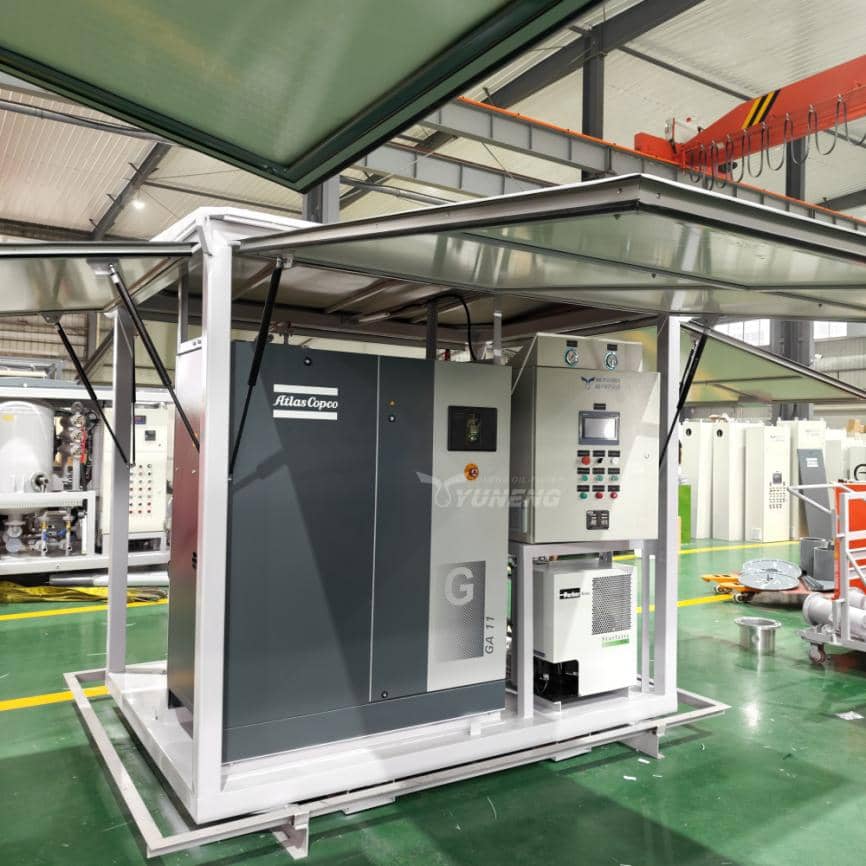
Moisture prevention is also crucial when opening transformers for inspection, installation, or maintenance. During this process, cellulose insulation materials may absorb moisture from the surrounding air. YUNENG’s transformer dry air generator can provide low dew point dry air, which helps maintain a controlled internal environment and reduce moisture intrusion during maintenance.
Explore our Transformer Dry Air Generator for different airflow capacities and maintenance applications.
Key Factors for Equipment Selection
Before selecting a treatment system, engineers should evaluate:
- Transformer voltage class and oil volume.
- Initial moisture content in transformer oil.
- Estimated moisture condition of cellulose insulation.
- Required oil processing capacity.
- Target oil quality and treatment standards.
- Site conditions and maintenance procedures.
The right equipment configuration should match the actual moisture problem. Oil purification, insulation drying, and moisture protection may need to be combined for demanding transformer maintenance projects.
Frequently Asked Questions
Q1: Can transformer oil absorb moisture from cellulose insulation materials?
Yes. When the temperature and moisture balance conditions change, moisture will migrate from the cellulose insulation material to the transformer oil.
Q2: Why does the moisture content in transformer oil change with temperature?
Temperature can affect the solubility of water in oil and the water balance between oil and insulating paper. Therefore, the measured moisture content may vary under different operating conditions.
Q3: Can the transformer oil purification device dry the cellulose insulation material?
The transformer oil purifier is mainly used to remove moisture from circulating oil. Through oil circulation, it helps to reduce the overall moisture content, but cannot ensure that the cellulose insulation material is completely dried.
Q4: How long does it take to reduce the moisture in the insulation material of the transformer?
There is no unified standard for processing time. It depends on the thickness of the insulation material, initial moisture content, temperature, transformer design, and the selected drying process.
Q5: What devices are available for controlling moisture inside transformers?
Common solutions include vacuum transformer oil purification devices, transformer drying air generators, and specialized transformer insulation drying systems. The specific combination to be chosen depends on the source of moisture and the actual condition of the insulation material.
Conclusion
Knowledge of moisture content in transformer liquids and cellulose-type insulation materials is very important for proper transformer maintenance. Moisture migrates and redistributes within the transformer and cellulose insulation materials due to the temperature difference between the liquid insulating medium and solid insulation materials. Although the vacuum dehydration technology can largely reduce the transformer oil moisture content, it requires longer time and proper drying technology to remove moisture in the cellulose insulation materials.
YUNENG is committed to providing accessories for transformer oil purification, transformer oil regeneration, and dry air preparation so as to meet different transformer maintenance needs. With suitable processing equipment and scientific moisture management, maintenance personnel can maintain oil quality, guarding the integrity of insulation and the longevity of power transformers.
Welcome to Contact YUNENG to discuss your needs for transformer oil purification and moisture control.