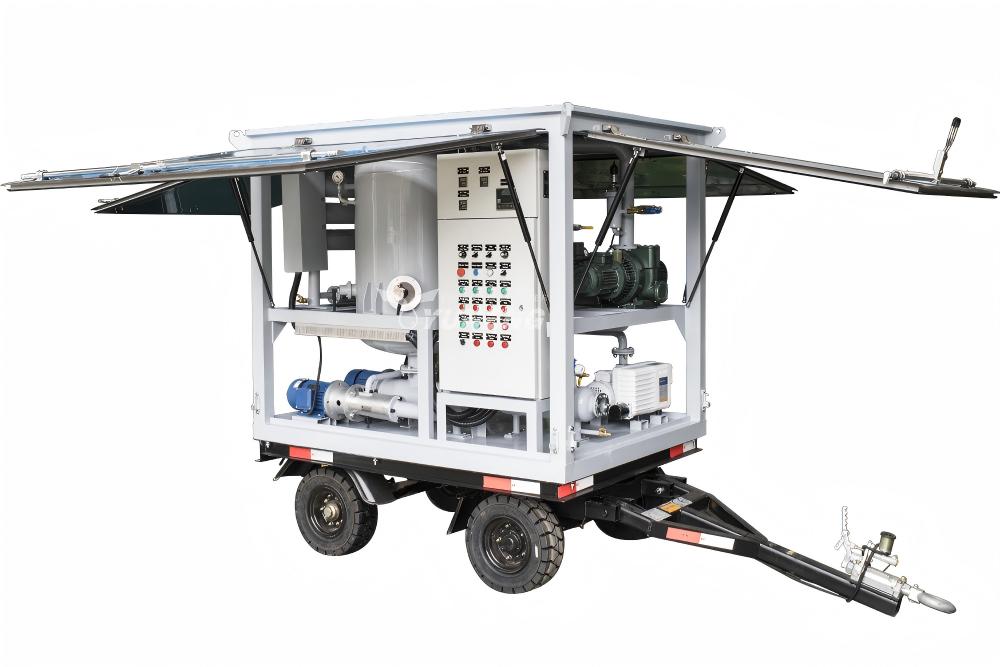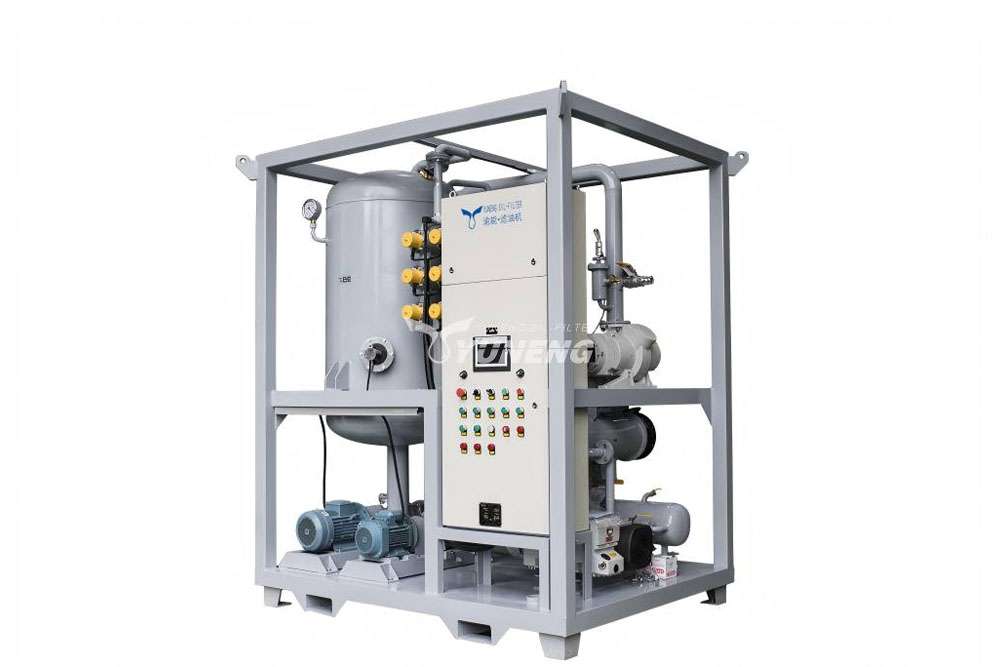
Transformer Oil Filtration Procedure: 8 Steps for Maintenance

Oil Purification & Vacuum Technology Expert
Table of Contents
Filtration of transformer oil is vital for keeping transformers in good working condition, especially during transformer maintenance. Moisture, dissolved gases, and other contaminants will degrade the quality of the oil’s insulating properties, especially over time. It is not just about purifier connection and purification time. Engineers must evaluate oil quality at the beginning, make preparations for equipment, set up safe purification lines, run tests and confirm oil quality after purification.
A Proper transformer oil filtration procedure allows engineers to avoid further damage during operation, limit risk during operation and provide maintenance with documentation of the purification. These steps will show the reader what they need to consider during a maintenance purification process of transformer oil. When there are conflicts between these procedures and those of the transformer manufacturer, site instructions, and instructions on the purifier, the last mentioned must be followed.
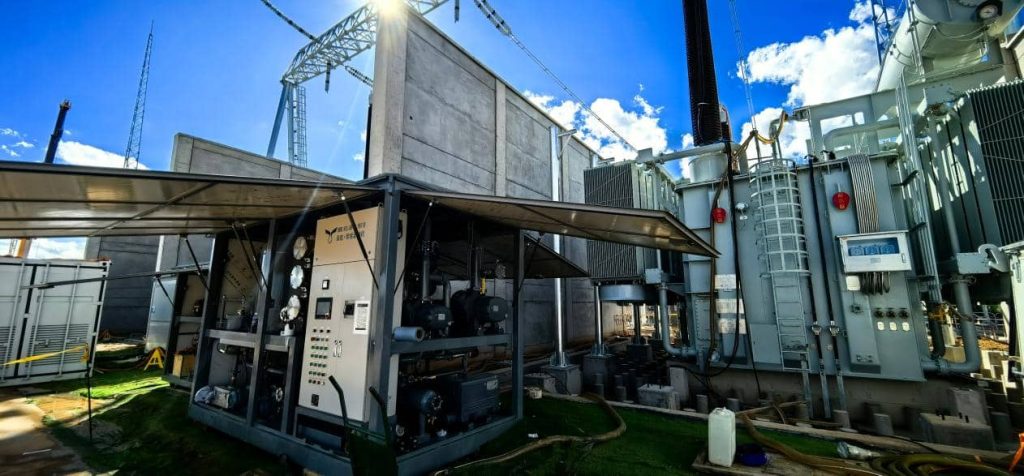
Assess Transformer Oil Condition Before Filtration
Before starting any treatment, determine what is wrong with the oil. Different contaminants require different treatment methods.
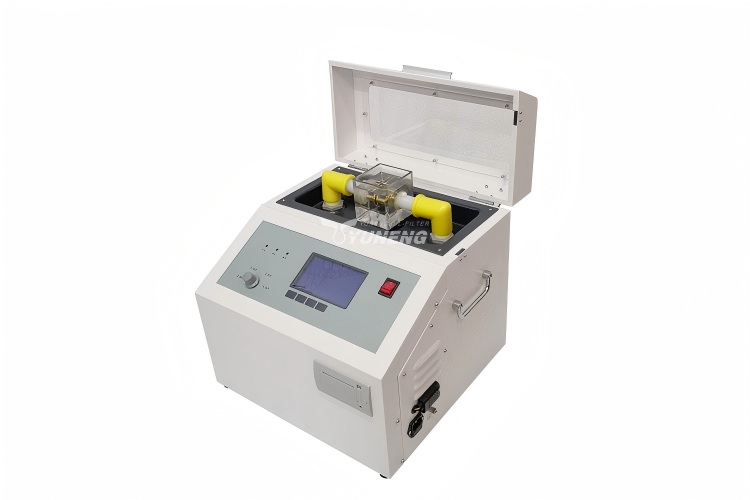
Collect a representative oil sample and arrange the tests relevant to the transformer condition and maintenance objective. Common indicators include:
| Oil test | What it helps identify |
| Breakdown voltage (BDV) | Dielectric strength and possible contamination |
| Moisture content | Water contamination in the oil |
| Particle contamination | Suspended solid particles |
| Acidity (TAN) | Chemical aging and acidic compounds |
| Dielectric dissipation factor | Dielectric losses and polar contaminants |
| Dissolved gas analysis (DGA) | Possible electrical or thermal faults inside the transformer |
BDV alone should not be the basis for filtration. A low result could be due to moisture, particles, or other contamination. Engineers need to assess this along with the moisture, acidity, and other relevant parameters. The evaluation can also consider whether the oil should be filtered physically, vacuum dehydrated, degassed, regenerated, or replaced.
For mineral insulating oil, the maintenance team can refer to IEC 60422:2024 – Mineral insulating oils in electrical equipment — Guidance on the supervision and maintenance. This standard provides for condition assessment and treatment requirements but should not supersede project or equipment recommendations.
Prepare the Transformer and Filtration Equipment
Once the oil condition is understood, prepare the transformer, vacuum oil purifier and work area.
Start by confirming:
- The actual transformer oil volume.
- The required treatment objective.
- The selected purifier configuration.
- The available maintenance window.
- The required hoses, valves and fittings.
- The power supply and grounding arrangements.
- The oil sampling and testing equipment.
- The site safety and environmental requirements.
Equipment capacity should be selected according to the actual project rather than the transformer oil volume alone. For example, the required processing rate depends on the oil volume, planned circulation turnovers and effective operating time. Preparation, connection, sampling and interruptions should also be considered when calculating the available treatment time.
For a more detailed calculation method, see our guide to transformer oil processing capacity.
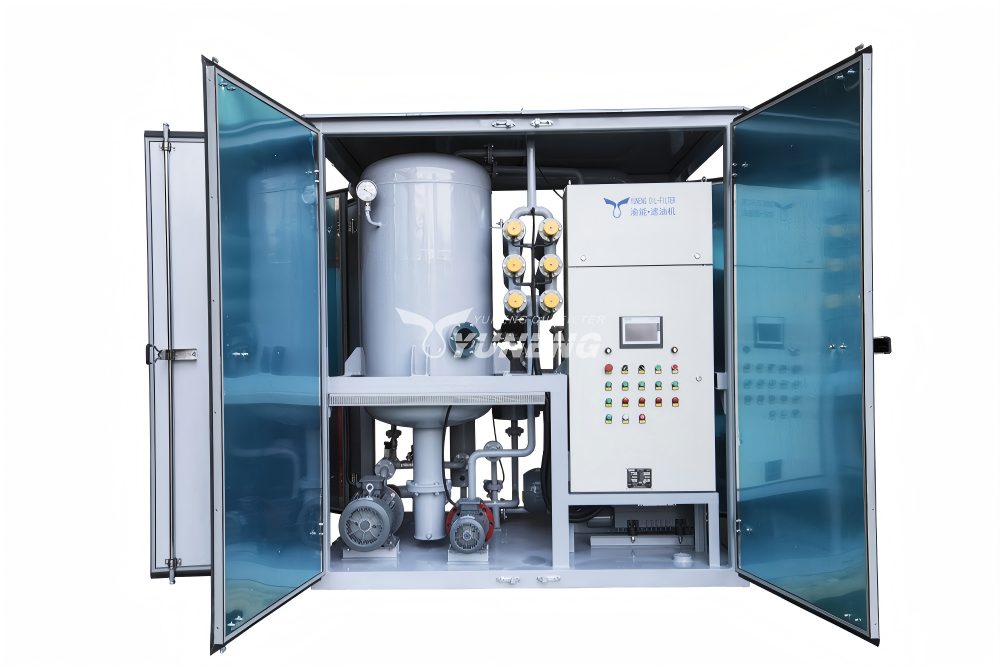
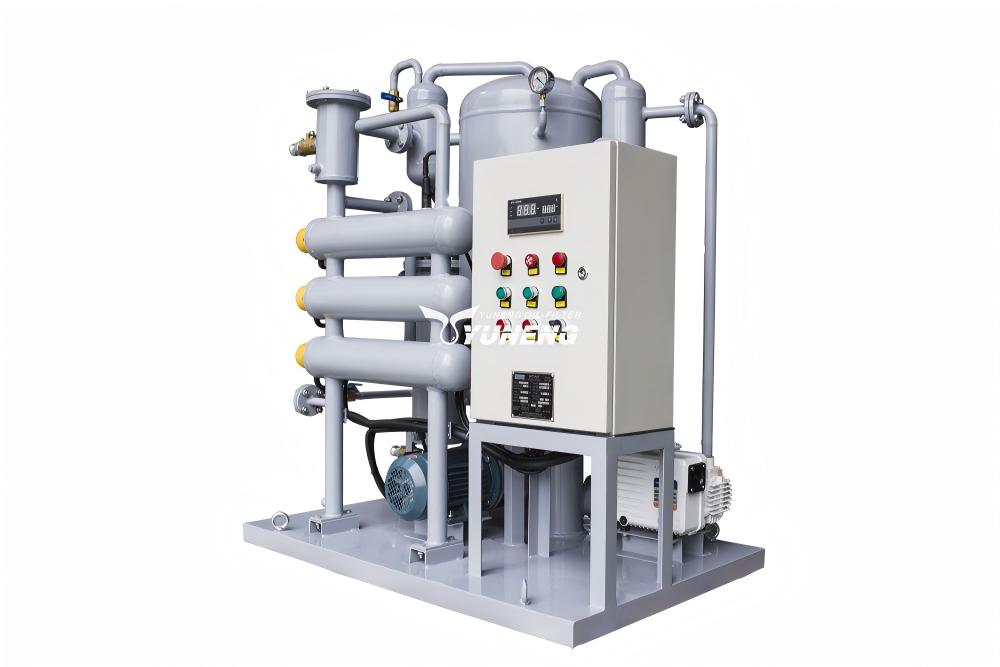
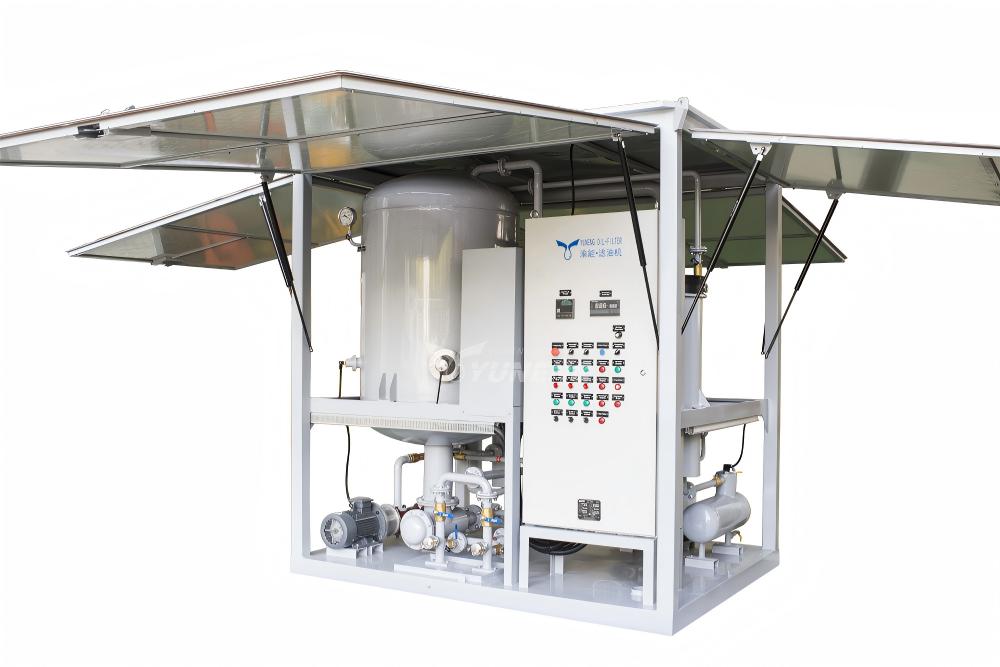
Always check all components of the purification system, including pumps, heaters, filtration systems, and the vacuum and control system, prior to operation. Make sure all components of the system are suited to the oil you plan on treating, as well as the proposed purification procedure. Do not think that all filtration equipment performs the same processes. An uncomplicated particle filter may remove solid particles, but it will not remove water or dissolved gases from the system. If degassing and dehydration of the oil are needed, choose a system that has all the purification stages.
Connect the Oil Filtration System Correctly
Incorrect hose connections can introduce contamination, cause leakage or interfere with oil circulation. Before connecting the system, confirm the inlet and outlet arrangement specified by the equipment manufacturer.
A typical connection sequence includes:
- Identify the designated oil outlet or extraction point.
- Connect the oil inlet hose to the purifier.
- Connect the purifier outlet hose to the approved transformer return point.
- Check that all fittings and connections are secure.
- Confirm that hoses are clean, dry and compatible with the insulating oil.
- Check valves and flow direction before starting the pumps.
The actual connection arrangement depends on transformer design and the approved maintenance plan.
Keep the oil circuit clean and sealed. Wet hoses, open containers and poorly maintained fittings can introduce moisture or particles into the oil after treatment has started.
Before operation, inspect the complete pipeline for leakage, loose connections and potential flow restrictions. Transformer isolation, grounding, pressure control and any requirements for live or de-energized processing must follow the approved site procedure. Do not assume that on-site filtration can be performed safely on every energized transformer.
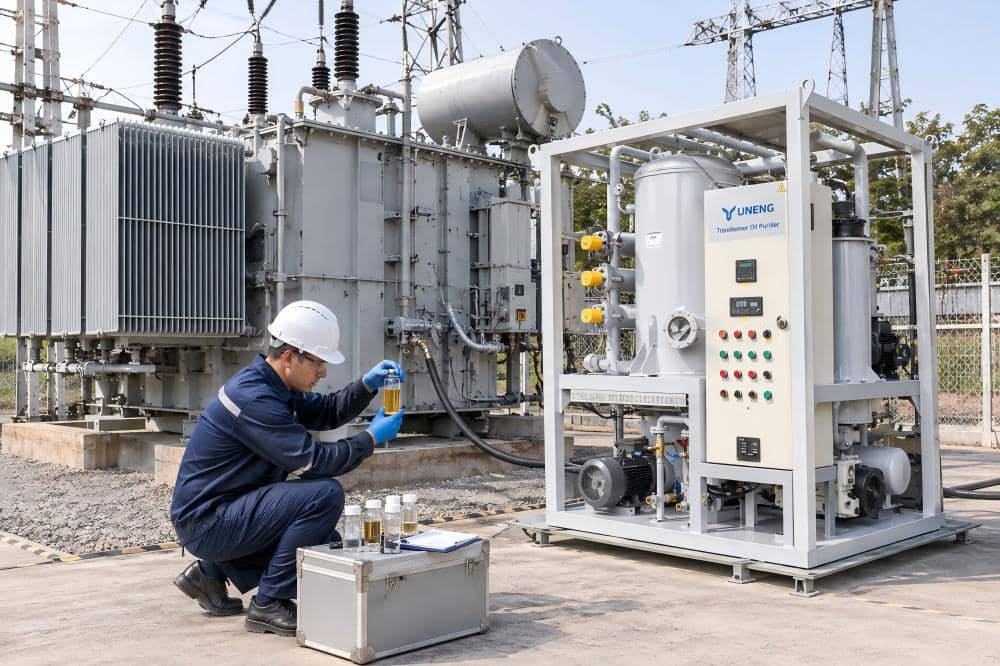
Start the Transformer Oil Filtration Process
After completing the connection and safety checks, start the purifier according to its operating manual.
A typical vacuum oil purification process may include:
- Oil pumping.
- Controlled heating.
- Coarse filtration.
- Vacuum dehydration.
- Vacuum degassing.
- Fine filtration.
- Oil circulation and return to the transformer.
The exact sequence varies with equipment configuration.
During startup, check that oil is flowing in the correct direction and that the pumps, heating system and vacuum components are operating normally.
Pay attention to:
- Oil inlet and outlet conditions.
- Pump operating status.
- Heating system operation.
- Vacuum system performance.
- Pressure and flow indications.
- Leakage or abnormal noise.
Do not adjust temperature, vacuum level or pressure based on a universal online recommendation. Operating limits must come from the purifier manual, transformer requirements and approved project procedure. If an alarm, abnormal pressure change or leakage occurs, follow the equipment shutdown and troubleshooting instructions before continuing.
Monitor Oil Quality During Filtration
The filtration process should be monitored throughout operation. A purifier running continuously does not automatically mean the oil is being treated effectively.
Maintenance engineers should record the relevant operating parameters at suitable intervals.
| Parameter | Why it matters |
| Oil temperature | Affects treatment conditions and moisture behavior |
| Flow rate | Indicates actual oil circulation |
| Vacuum condition | Helps assess dehydration and degassing operation |
| Filter differential pressure | Helps identify filter loading or blockage |
| Pump status | Confirms stable oil transfer |
| Oil appearance | Can reveal visible changes, but does not replace testing |
Where online testing instruments are available, their readings can provide additional process information. However, final oil quality should be confirmed using appropriate sampling and testing procedures.
If moisture remains high, investigate the dehydration process and possible moisture sources. If particle contamination remains elevated, check the filter elements, bypass conditions and oil circuit. A high flow rate or a large number of circulation cycles does not independently prove that the required oil quality has been achieved.
Determine When Filtration Is Complete
There is no single treatment duration or number of circulation cycles that applies to every transformer.
The completion decision should consider:
- Initial oil contamination.
- Transformer oil volume.
- Treatment method and equipment configuration.
- Actual operating conditions.
- Changes in relevant oil test results.
- Project acceptance requirements.
For example, a transformer oil purifier may complete the planned circulation cycles while the oil still fails to meet the required moisture or BDV target. In this situation, the maintenance team should review the test results and operating records before deciding whether to continue treatment or change the treatment method.
Filtration should be considered complete only when the treatment objective has been met and the relevant quality requirements have been verified. Do not use operating time, rated flow or circulation turnover as the only completion criteria.
Shut Down the Equipment and Restore the Transformer System
Once the treatment is complete, shut down the equipment according to the manufacturer’s instructions.
A typical shutdown and restoration procedure includes:
- Stop the heating system in the prescribed sequence.
- Stop the oil pumps and vacuum system as instructed.
- Isolate the purifier from the transformer.
- Drain or recover residual oil from hoses where required.
- Close the relevant valves and connection points.
- Remove hoses and fittings carefully.
- Restore the transformer valves, covers and other components to their approved operating positions.
- Check for leakage and confirm that the oil system is correctly restored.
The exact sequence may differ between purifier models and transformer designs. Follow the equipment manual and site-approved procedure rather than applying a generic shutdown sequence. Before returning the transformer to service, complete the required inspection, electrical checks and maintenance sign-off.
Perform Final Oil Testing and Complete Documentation
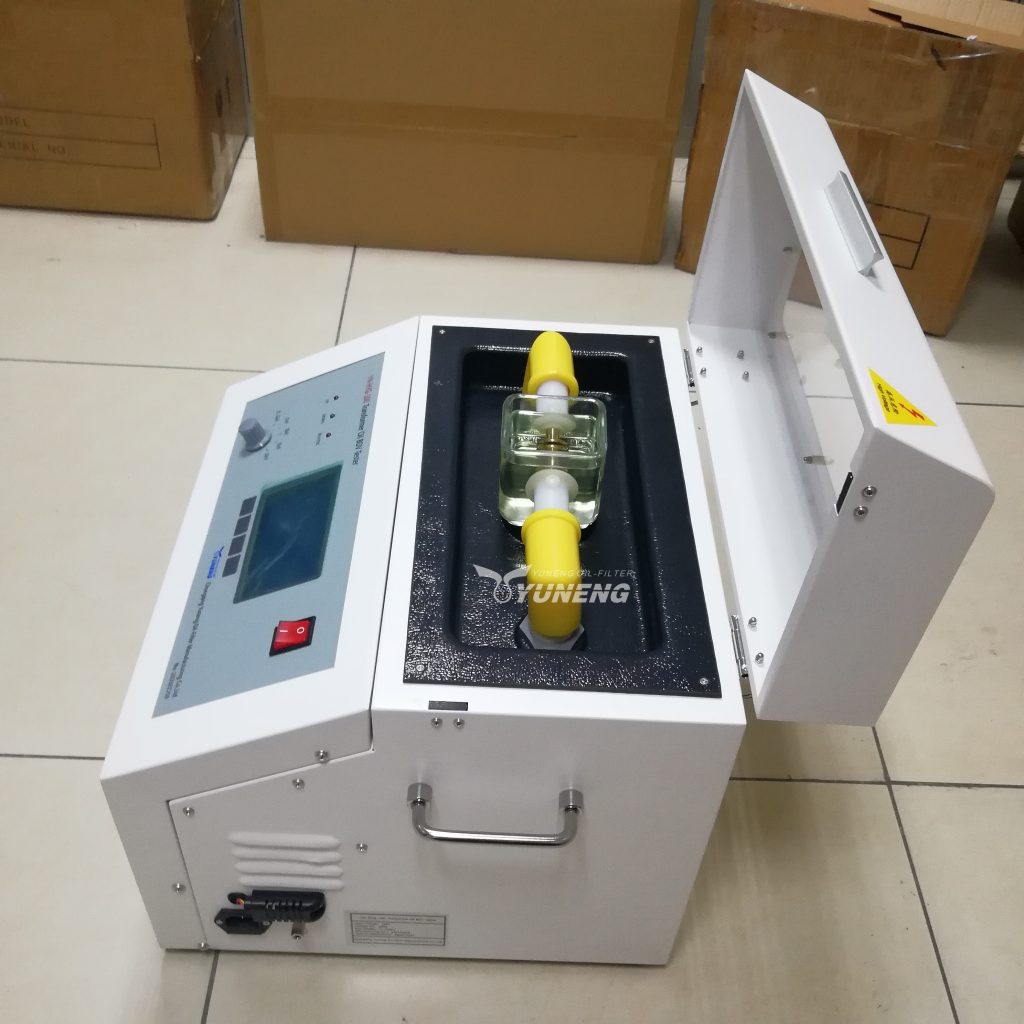
Final testing is required because operating records cannot be taken as proof that the oil is in the desired condition. After treatment, take a representative sample using a clean, dry sampling technique. If possible, sample under the same conditions as before filtration.
Repeat the relevant tests, which may include:
- Breakdown voltage.
- Moisture content.
- Particle contamination.
- Acidity.
- Dielectric dissipation factor.
- Other tests specified by the project or transformer manufacturer.
Compare the results with the initial baseline and applicable acceptance requirements. For a structured before-and-after assessment, see our guide to transformer oil test results.
For BDV testing, IEC 60156:2025 – Insulating liquids: Determination of the breakdown voltage at power frequency describes the relevant test method. It is a breakdown-voltage test standard, not a complete transformer oil acceptance specification.
The final maintenance report should record:
- Transformer identification and oil volume.
- Initial oil test results.
- Purifier model and configuration.
- Treatment start and finish times.
- Operating conditions and circulation records.
- Filter replacement or maintenance details.
- Final oil test results.
- Abnormal events and corrective actions.
- Final inspection and acceptance status.
A complete maintenance record makes the treatment traceable and provides a useful reference for future oil condition monitoring.
Transformer Oil Filtration: Field Checklist
Use this checklist to help organize an on-site transformer oil filtration project.
| Stage | Key checks |
| Before treatment | Oil sampling, test results and treatment objective |
| Equipment preparation | Capacity, power supply, filters, pumps and safety devices |
| Pipeline connection | Correct inlet/outlet, clean hoses and secure fittings |
| Startup | Flow direction, pump status, heating and vacuum operation |
| Process monitoring | Temperature, flow, pressure, vacuum and filter condition |
| Completion | Treatment objective and oil quality verification |
| Shutdown | Equipment shutdown and transformer restoration |
| Final inspection | Post-treatment testing and maintenance documentation |
Common Mistakes During Transformer Oil Filtration
Even when suitable equipment is selected, poor field practices can affect treatment quality.
1. Starting filtration without testing the oil
Without an initial baseline, engineers cannot properly identify the contamination or measure the treatment result.
2. Selecting equipment only by rated flow
Rated capacity does not automatically represent the effective processing rate under actual site conditions.
3. Using wet or contaminated hoses
Poorly maintained hoses can introduce moisture and particles into the oil circuit.
4. Treating particle filtration as complete dehydration
Mechanical filtration and vacuum dehydration perform different functions. The treatment system must match the contamination.
5. Stopping based only on operating time
The planned duration and circulation cycles are useful for scheduling, but final oil testing is needed to verify the result.
6. Ignoring chemical oil degradation
Vacuum dehydration and particle filtration do not reverse serious oil oxidation. Acidity, sludge and other aging indicators may require a different treatment strategy.
Filtration, Regeneration, or Oil Replacement?
The correct treatment depends on the actual oil condition.
| Treatment method | Main purpose | Typical consideration |
| Filtration | Remove suspended particles and certain physical contaminants | Suitable when physical contamination is the main issue |
| Vacuum dehydration and degassing | Remove water and dissolved gases | Appropriate when moisture or gas removal is required |
| Oil regeneration | Remove certain acidic and polar oxidation products through adsorption | Consider when oil has significant chemical aging |
| Oil replacement | Replace degraded or unsuitable oil | May be necessary when treatment cannot restore the required condition |
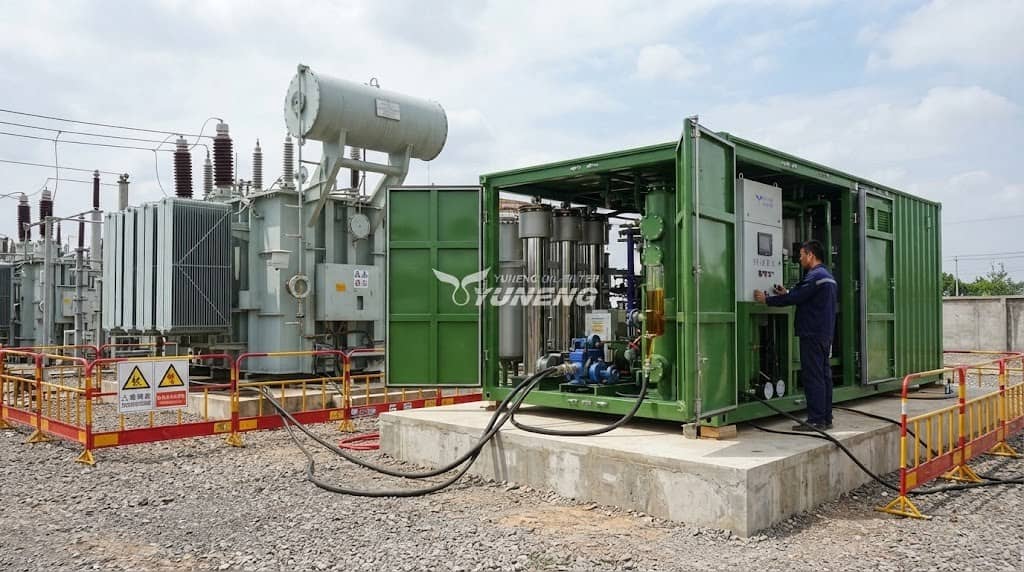
Normal filtration will not be adequate when oil is very badly chemically degraded. A specialized transformer oil regeneration system may involve filtration, vacuum dehydration, degassing, and adsorption treatment for a broader spectrum of contaminants.
For example, the YUNENG YZS Series regeneration process features fuller earth adsorption. Suitability of regeneration should be based on oil test results, equipment requirements, and the condition of the insulating system.
Keep in mind also that oil treatment does not correct the internal fault in the transformer. Another issue is that abnormal DGA readings or other indications of equipment problems require technical investigation.
Frequently Asked Questions
Q1: How long does transformer oil filtration take?
There is no fixed duration for every project. Treatment time depends on oil volume, initial contamination, equipment capacity, treatment method and the required final oil condition.
Q2: How many circulation cycles are needed for transformer oil filtration?
The required number depends on the initial oil condition, treatment objective and project requirements. Circulation cycles should not be treated as a universal performance or acceptance standard.
Q3: Can ordinary transformer oil filtration remove dissolved moisture?
Not necessarily. Basic mechanical filtration mainly removes suspended particles. Dissolved moisture generally requires a suitable dehydration process, such as vacuum treatment.
Q4: How do engineers know when transformer oil filtration is complete?
They should review operating records and compare relevant pre-treatment and post-treatment oil test results against the applicable quality requirements.