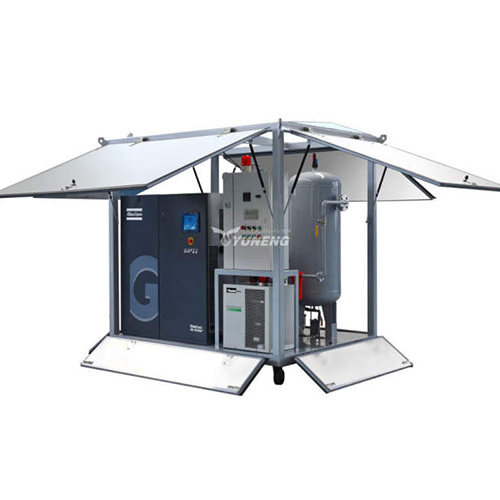
How the Dew Point of Dry Air Generator Determines Transformer Maintenance Success

Power Utility Gas & Insulation Specialist
Table of Contents
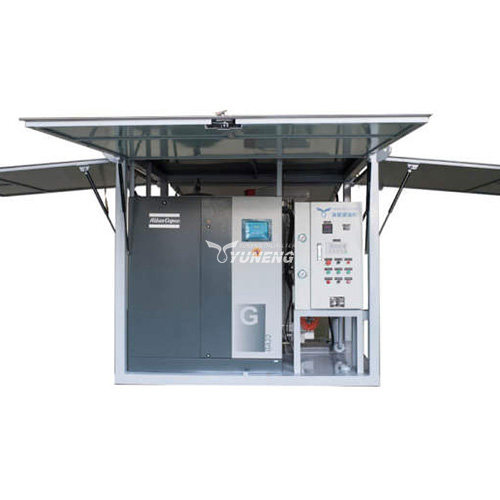
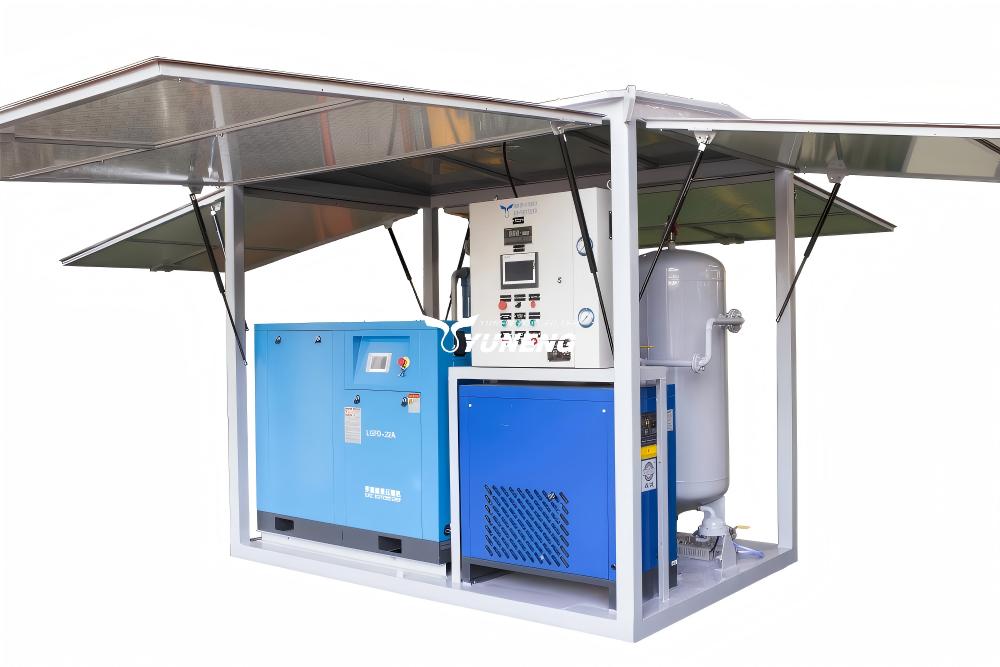
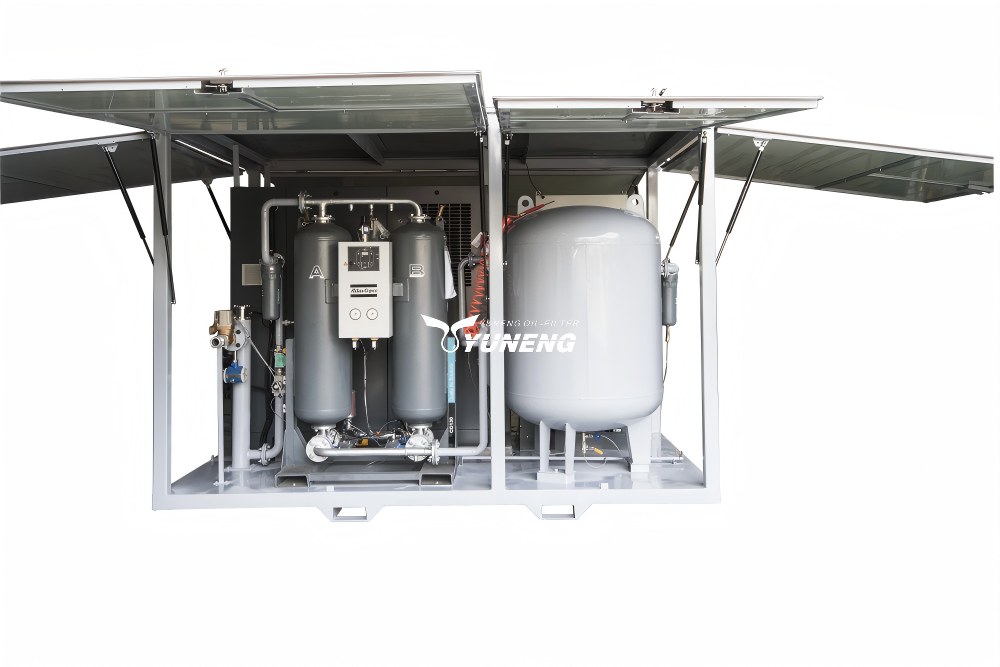
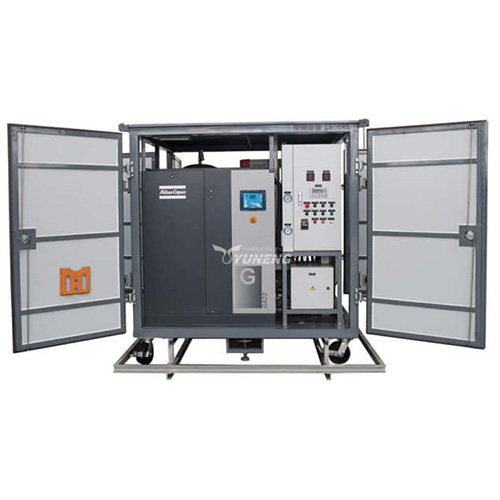
Dry air generators have been incorporated into the modern transformer maintenance practice. Their primary role is insulation integrity preservation and prolonging the life of the equipment. Transformer insulation moisture can cause accelerated aging, partial discharge, and ultimately, failure of the equipment. While purchasing dry air generators for transformer maintenance, one technical parameter has been unanimously accepted as the leading factor: dew point performance. This metric can then be understood, prioritized, and deployed to give reliability in operations and maintenance costs reduction in the long run.
What is Dew Point in Dry Air Systems?
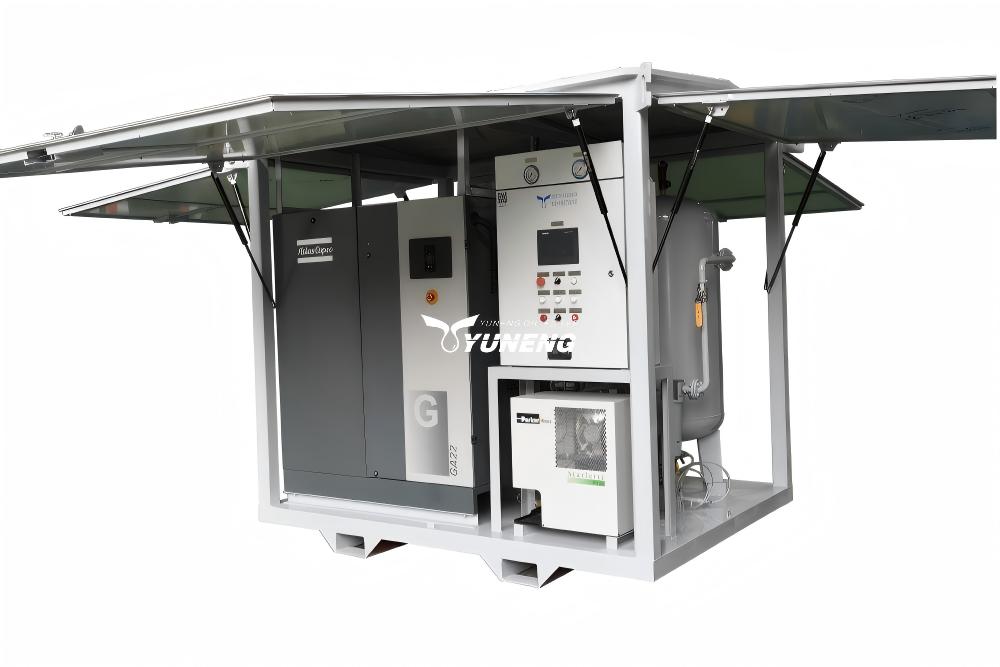
Dew point is the term for the amount of moisture in the air, and it is the temperature at which the air becomes fully saturated, resulting in the formation of water droplets (condensation). In the case of using a dry air plant for transformer, the dew point is an obvious sign of how well the air is doing in drying the transformer. For instance, a dew point of –70 °C is the absolute guarantee that no moisture would seep into the insulation and thus, no moisture-related degradation would occur, while higher dew points might mean letting the condensate form under some specified environmental conditions.
Key aspects to consider regarding dew point include:
- Moisture Control: Keeping the dew point low will stop the water vapor from getting into the oil of the transformer and the solid insulation, which will lessen the chance of dielectric breakdown.
- Operational Stability: The protection of the transformer remains constant with a stable dew point regardless of the changing environmental conditions.
- System Performance: The efficiency of transformer dry air machines is based on air flow rate, temperature control, filtration, and regeneration cycles as the main contributing factors.
The procurement departments would be able to make the right decisions on technical specifications of the equipment and ultimately secure the necessary protection for dry air generators by knowing about dew point, its implications and practices in a real sense.
What Considerations Should Be Taken into Account for Buyers?
Even though low dew point performance is vital, the purchase of a suitable dry air plant still brings problems with it. A lot of things, such as the investment to be made, operational efficiency, maintenance costs, and integration of the system, have to be balanced. Procurement teams regularly have to cope with such problems as:
- Technical Specifications: Some suppliers might state different dew point ranges, the result being that comparing them would not be straightforward.
- Air Flow vs. Dryness: The need for a careful assessment arises as high air flow rates may negatively affect dew point performance.
- System Complexity: The application of dry air generators for transformer maintenance that are technologically advanced may necessitate several stages of filtration and regeneration, which can be costly and can also affect reliability.
The balance of these factors enables procurement managers to choose equipment that will serve both short-term operational and long-term maintenance requirements.
Why is Dew Point a Key Decision-Making Metric?
Procurement professionals now view dew point performance as the most important factor to consider over other parameters, such as power usage or size. The main aspects of decision making are:
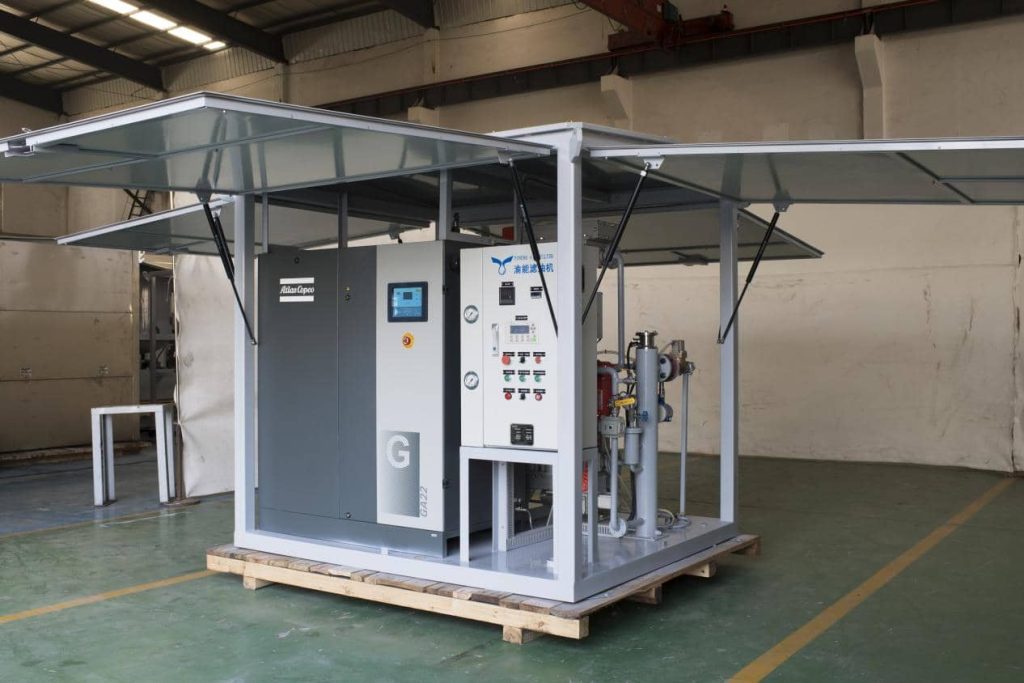
- Minimum Achievable Dew Point: This signifies the system’s maximum dryness capability, which is the necessary condition for the maintenance of high-voltage transformers.
- Stability Under Load: This assures the reliable protection all the time, even in the case of extreme conditions or when the operation is at its peak.
- Monitoring Capabilities: The most modern dry air transformers are equipped with real-time dew point sensors that make it possible for the operators to monitor performance and proactively schedule maintenance.
As a result of the application of these criteria, not only are the transformers selected that ensure protection, but also the maintenance processes are made efficient, and downtime is reduced.
Industry Standards and Certifications
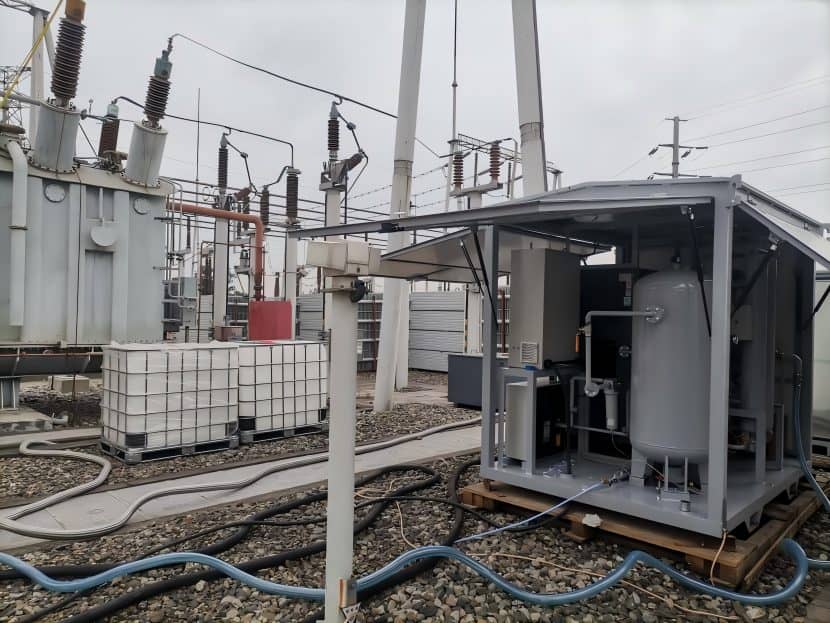
Another key factor in procurement is compliance with international standards. Certain standards, like IEC 60076 and IEEE C57.12.00, specify the performance requirements of insulation drying and dry air systems. By having a dry air plant for transformers that complies with these standards, it guarantees reliable operation, and at the same time, it facilitates the safety audit approval process. On the other hand, accreditation and compliance signify that a supplier is devoted to quality; thus, it might lower the operational risks in the long run.
Cost vs. Performance Analysis
Although high-performance dry air generators tend to incur higher upfront costs, the long-term advantages usually compensate for the initial investment. Among the main aspects are:
- Lower Maintenance Needs: Systems with excellent dew point performance minimize the requirement for multiple transformer drying cycles.
- Power Saving: The new dry air generators are very energy-efficient as they consume less power even when keeping the low dew point.
- Increasing Equipment Life: Moisture degradation of insulation is prevented through the use of drying air; thus, the transformer is used for a longer time, and the ROI is increased.
A total cost of ownership analysis should be conducted by procurement teams for this purpose, so they can assess capital expenditures against operating expenses, maintenance cuts, and risk decreases.
Recommendations for Procurement Teams
In order for dry air machines to have the maximum impact on transformer maintenance, procurement managers should take the following into account:
- Dew Point Requirements should be Specified: Offer minimum dew point and stability requirements in RFPs or tender documents.
- Supplier Performance Evaluation: Take into account historical reliability data, client references, and technical support capabilities.
- System Integration to be Done: Make certain that the dry air plant can communicate with the current transformer maintenance workflows, including monitoring and control systems.
Procurement teams that follow these steps can make informed decisions that result in a balance between technical performance, operational efficiency, and long-term cost savings.
FAQs
Q1: What is the ideal dew point for transformer maintenance?
Usually, a dew point below –50 °C is suggested in order to avoid moisture and to have the insulation intact.
Q2: Can low-cost dry air generators meet the required dew point specifications?
Low-cost systems may achieve moderate dryness but often lack stability and monitoring features, which could compromise long-term reliability.
Q3: How often should dew point sensors be calibrated?
Calibration is generally recommended every 6–12 months, depending on operational conditions and manufacturer guidelines.