Transformer Oil Purification Machine Replacement Peak 2026–2028

Oil Purification & Vacuum Technology Expert
Table of Contents
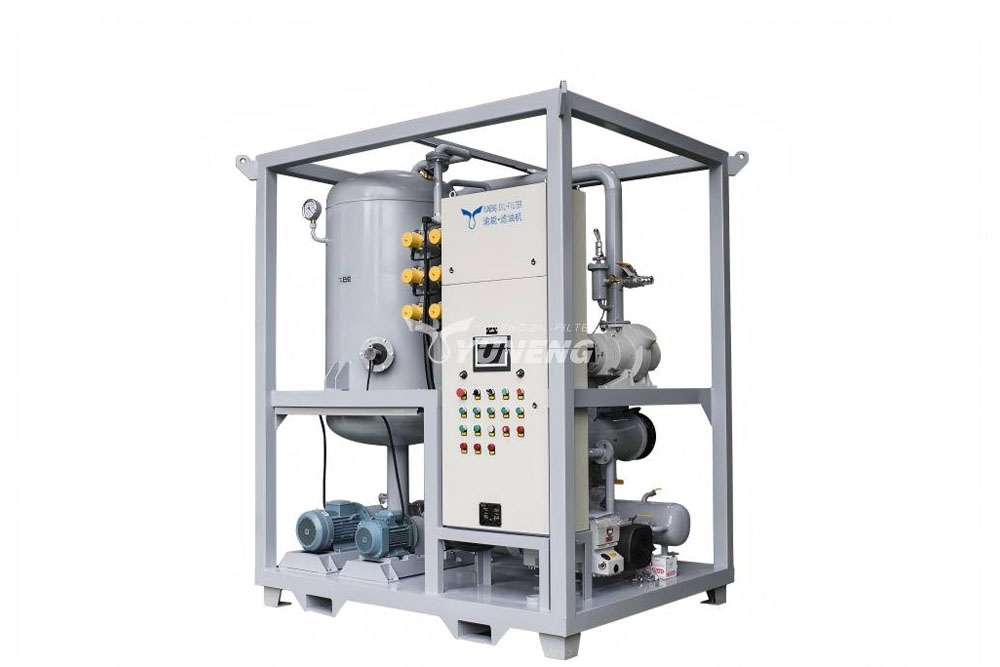
Transformer oil purification has always been a critical part of power grid reliability. However, the role of the transformer oil purification machine is undergoing a fundamental transformation. What was once treated as auxiliary maintenance equipment is now becoming a core compliance tool under increasingly strict grid operation standards.
The 2026-2028 period is forecasted to see the highest replacement cycle period for transformer oil purifier, as supported by industry data and planning documents on the utility. This is not by chance, nor is it a trivial oscillation of funds. Rather, it is driven by three factors – an aging infrastructure, beefed-up network management requirements, and the rapid growth of renewable sources of energy.
Part 1: Aging Transformer Oil Purification Machine Reaches End-of-Life
Many power utilities and substations have completed major transformer oil purification machines procurement projects between 2010 and 2015. These machines have been designed for different operating conditions: those with relatively constant loads, known service intervals, and oil quality requirements are not harsh.
Today, most of these transformer oil purification machines have been in service for 10 to 15 years, approaching or exceeding their effective design life.
Common issues reported by grid maintenance teams include:
- Declining vacuum stability and reduced dehydration efficiency
- Inconsistent degassing performance under high moisture conditions
- Increased failure rates of pumps, heaters, and seals
- Outdated control systems lacking automation and data interfaces
From a standards standpoint, these machines can no longer reliably meet modern oil quality thresholds, even if they are still operational.
Part 2: Rising Hidden Costs of Keeping Old Equipment in Service
Grid operators are increasingly evaluating equipment based on total lifecycle cost, not just upfront investment. In this context, aging oil purification machines present growing hidden risks.
Maintenance records show that older systems require:
- More frequent corrective maintenance
- Hard-to-source replacement parts
- Higher on-site labor involvement
- Longer oil treatment cycles
Furthermore, not treating oil properly can lower the lifespan of the insulating material of the transformer. In the context of medium and high voltage installations, risk in service goes up, and it may violate the standards of maintenance of the grid.
It is for this reason that a great number of electricity and gas supplying companies have decided that keeping the old transformer oil purification machines working is not rational at the present stage.
Part 3. Grid Maintenance Standards Are Being Fundamentally Upgraded
One of the strongest drivers behind the 2026-2028 replacement peak is the shift from traditional periodic maintenance to condition-based maintenance (CBM) across major power grids.
Under CBM strategies:
- Oil condition becomes a primary indicator of transformer health
- Moisture content, dissolved gases, and particulate contamination are closely monitored
- Oil treatment is no longer reactive—it is preventive and mandatory
For 220 kV and above transformers, many grid operators now require annual or more frequent deep oil treatment, especially for critical substations and transmission nodes.
This standard shift places direct pressure on equipment capability. Only high-performance transformer oil purification machines with stable vacuum systems, efficient degassing, and precise dehydration control can meet these requirements consistently.
Part 4. Compliance Pressure Eliminates Low-End Equipment
Under upgraded grid standards, technical performance thresholds are rising rapidly. Machines that once met basic requirements are now being phased out due to:
- Insufficient ultimate vacuum levels
- Poor performance under high-moisture or high-gas conditions
- Limited automation and lack of data traceability
- Inability to integrate with digital maintenance systems
This explains why replacement demand is not evenly distributed. Instead of incremental upgrades, utilities are opting for full equipment replacement, accelerating the replacement cycle into a concentrated 2026–2028 window.
Part 5. Renewable Energy Integration Accelerates Oil Degradation
The expansion of wind and solar power has introduced new challenges for transformer oil maintenance.
Renewable energy substations typically operate under:
- Large temperature fluctuations
- High humidity, dust, or salt spray environments
- Frequent load changes and start-stop cycles
These conditions significantly accelerate oil aging, increasing moisture absorption and gas formation. As a result, oil treatment frequency in renewable-related transformers is substantially higher than in traditional thermal or hydroelectric systems.
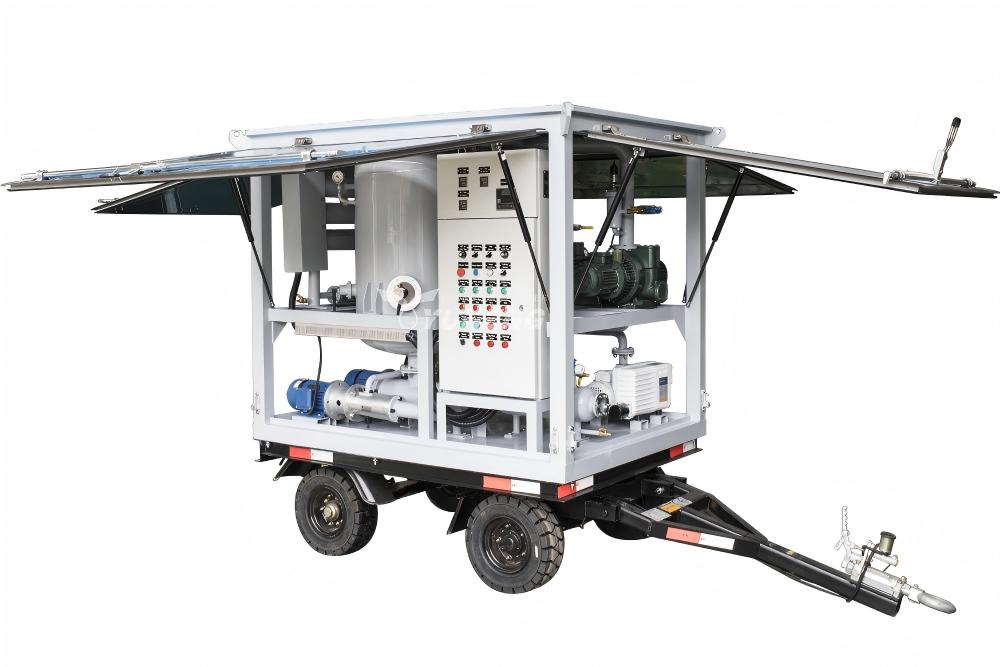
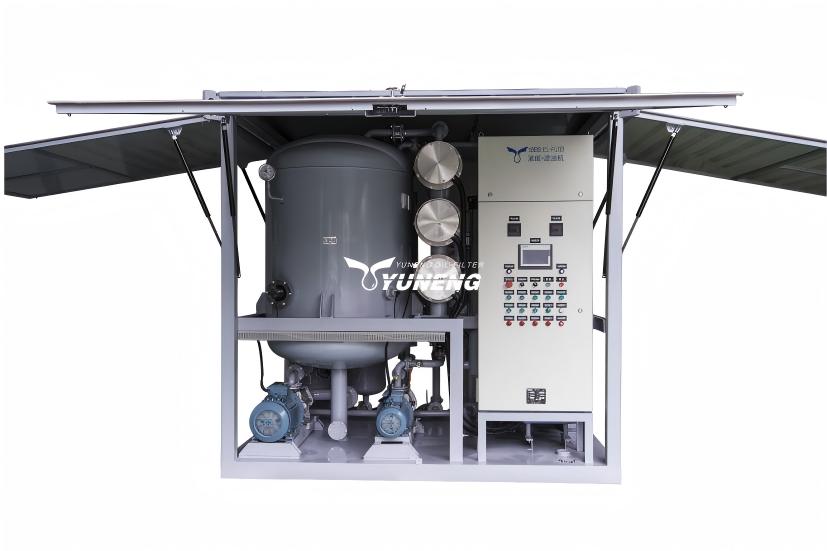
For this purpose, a transformer oil purifier that can be employed in the field effectively and around the clock becomes increasingly important. This is because the existing systems put in place in the past can no longer meet the needs of the new operational patterns.
Part 6. Technology Gap Between Old and New Oil Purification Systems
The technological gap between legacy equipment and modern systems has widened dramatically over the past decade.
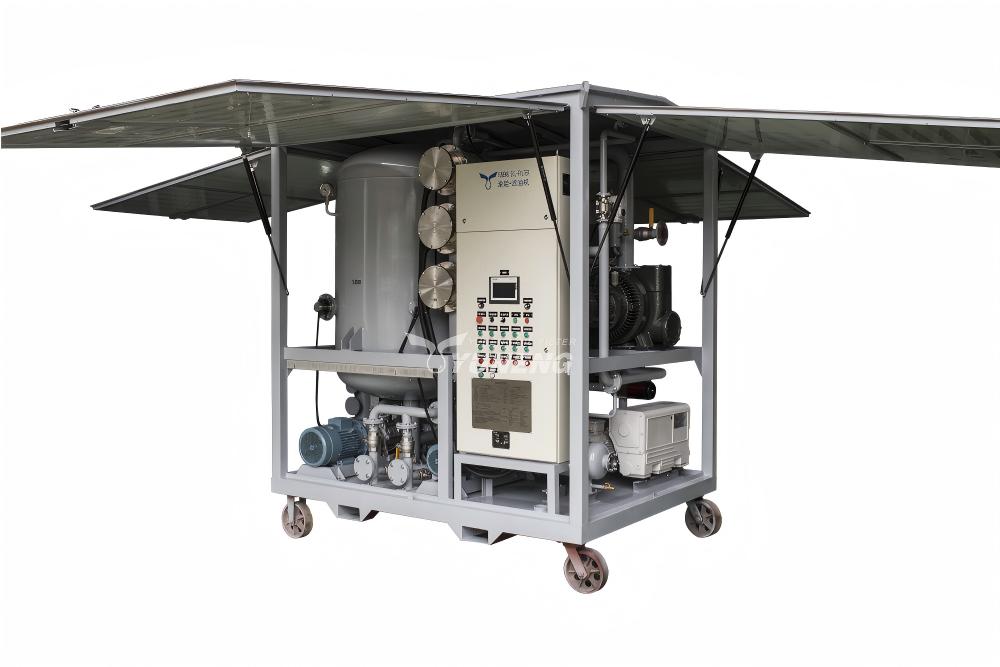
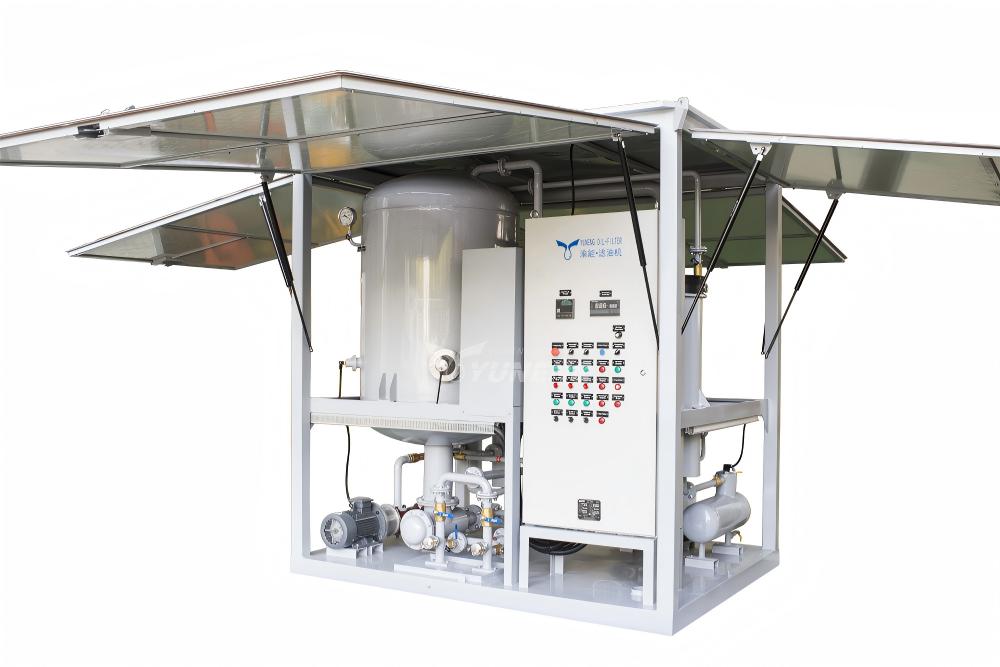
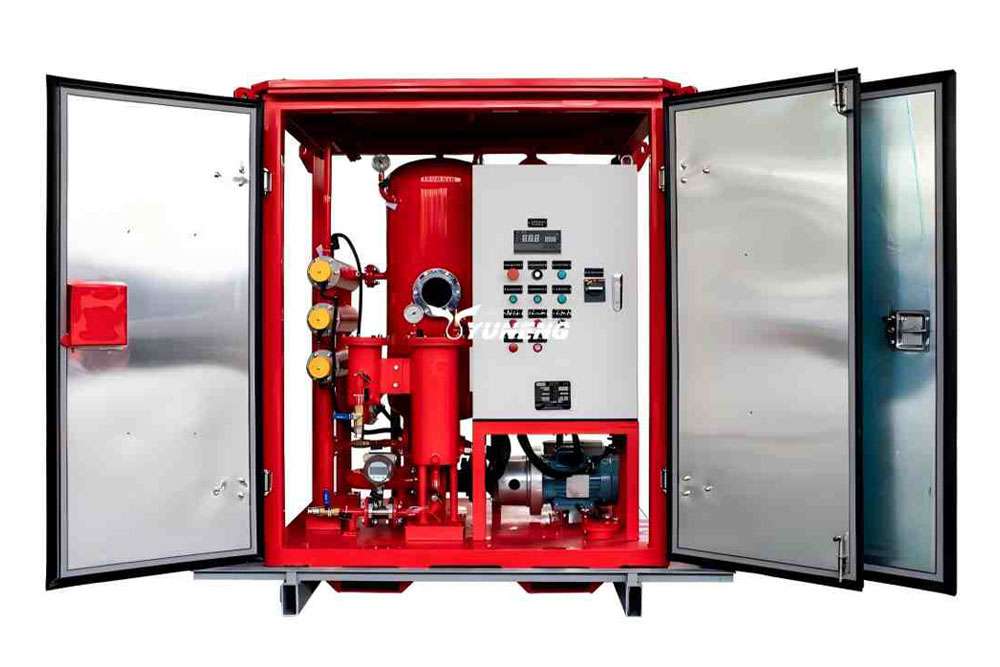
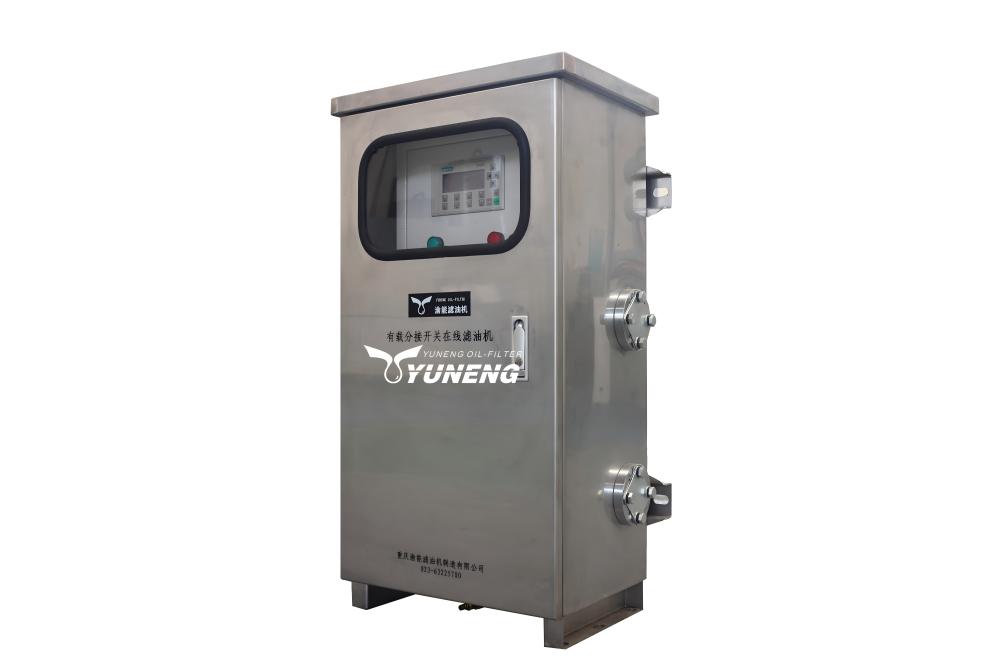
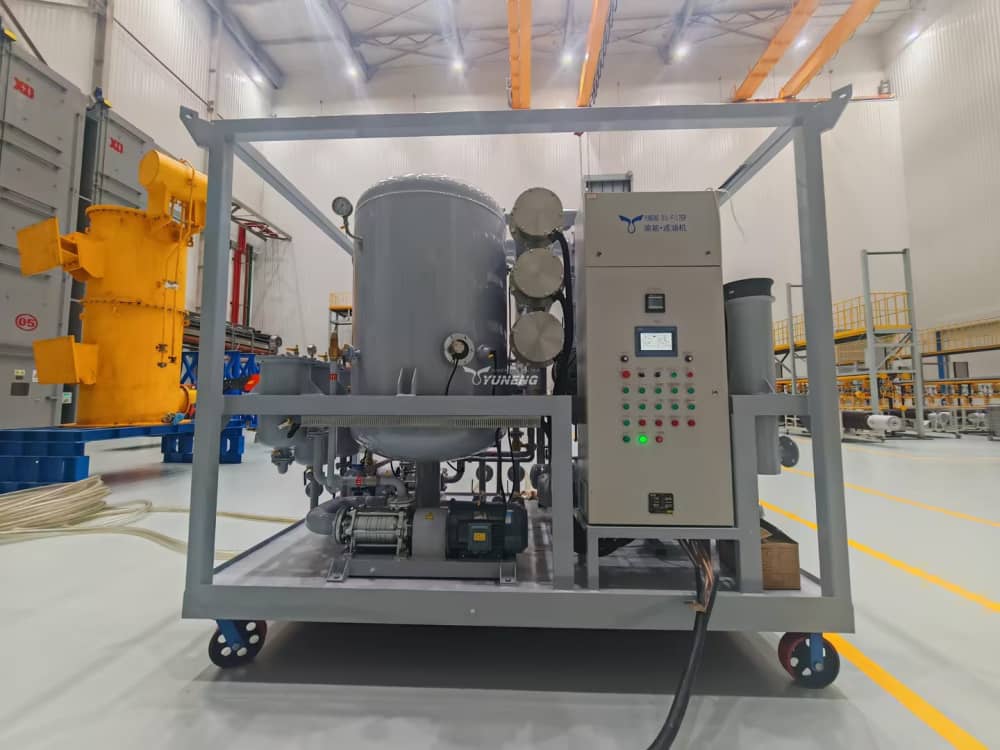
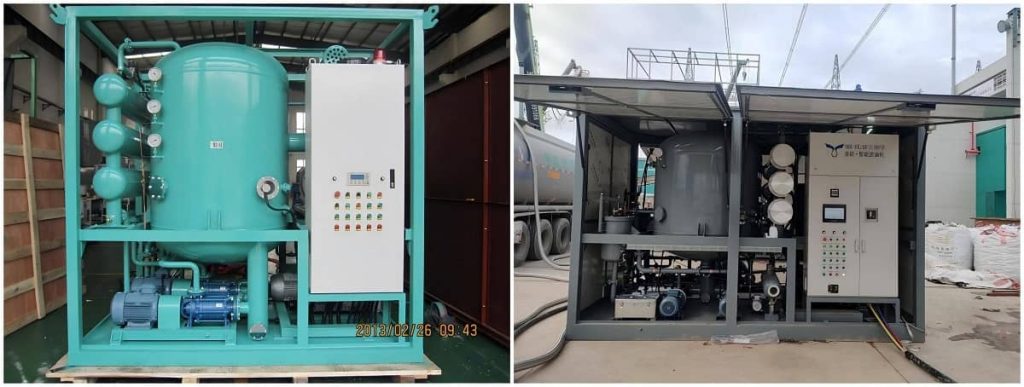
New-generation transformer oil purification machines typically feature:
- Dual-stage or high-efficiency vacuum systems
- Advanced dehydration and degassing chambers
- PLC-controlled automation with HMI interfaces
- Online oil quality monitoring integration
- Improved energy efficiency and operational stability
From a standards perspective, these features are no longer “premium options.” They are becoming baseline requirements for compliance and long-term grid reliability.
Part 7. Utility Procurement Cycles Converge on 2026–2028
Most grid operators follow 3–5 year asset planning and procurement cycles. Current planning data shows that:
- Equipment evaluations are largely being conducted in 2024–2025
- Budget approvals and technical standard alignment follow shortly after
- Procurement and deployment are scheduled for 2026–2028
Because so many utilities share similar procurement timelines and face similar compliance pressures, replacement demand is converging into a narrow time window—clearly defining the upcoming peak cycle for transformer oil purification machines.
Part 8. Procurement Strategy Shifts Toward Performance and Compliance
Another defining characteristic of this replacement wave is a fundamental change in procurement philosophy.
Utilities are moving away from lowest-price selection models and toward:
- Performance-based specifications
- Long-term operational reliability
- Compatibility with evolving grid standards
This shift is already driving up the average unit value of transformer oil purification machines, as high-performance systems replace basic filtration units.
The large-scale replacement of transformer oil purification machines between 2026 and 2028 is inevitable.
Planning and equipment selection, especially for grid operators, are essential at an early stage. This is important not only to keep expenses under control, but also for trouble-free operation, maintaining control, and resilience of the system in the conditions of a naturally changing energy market.