How to Optimize Dry Air Generators for Transformers in High-Humidity Coastal Regions

Power Utility Gas & Insulation Specialist
Table of Contents
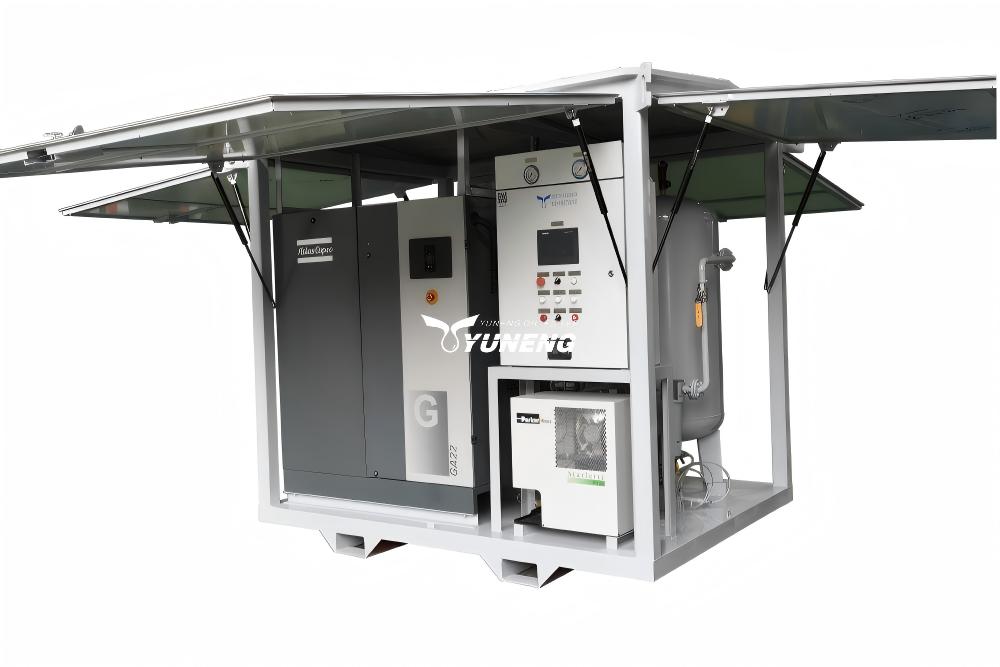
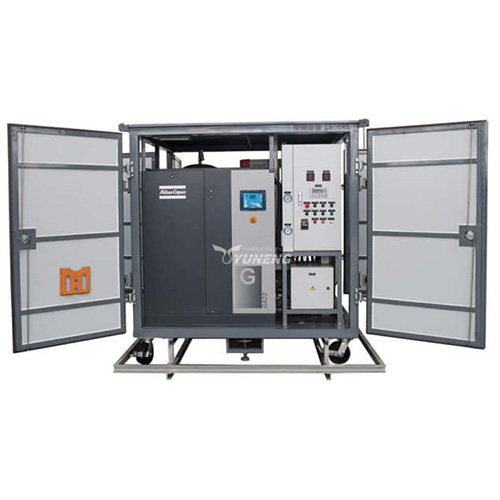
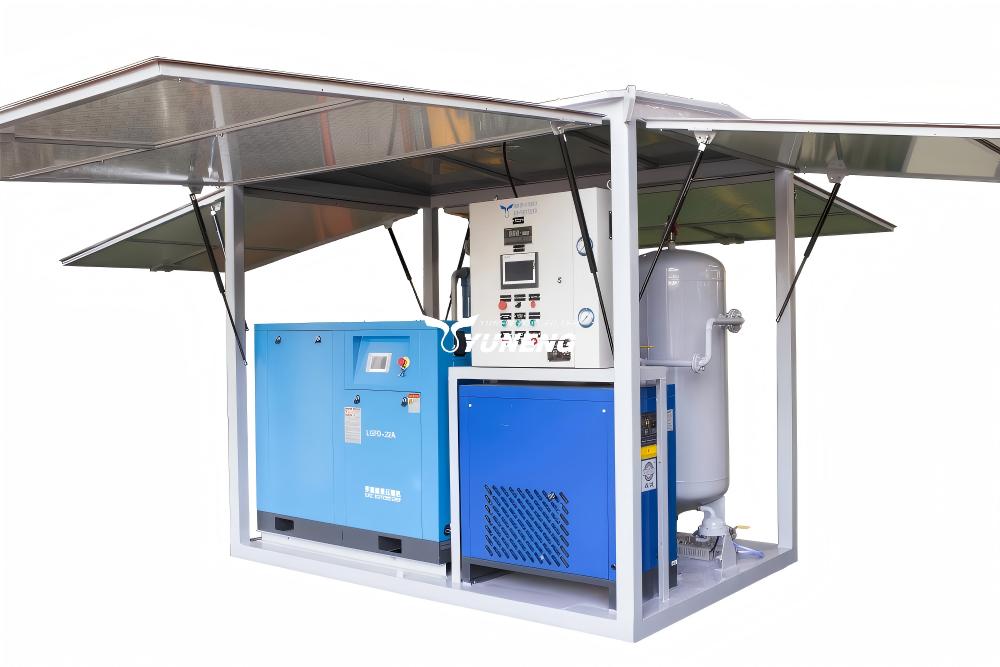
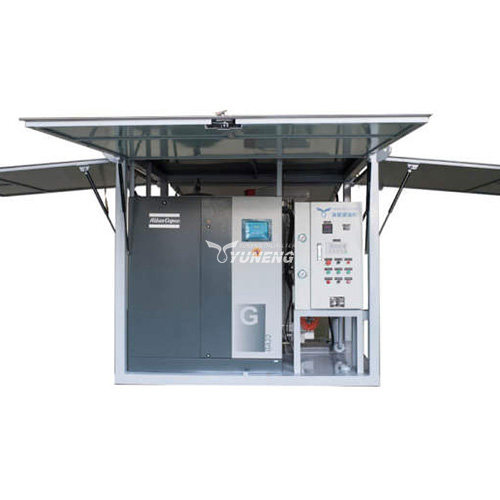
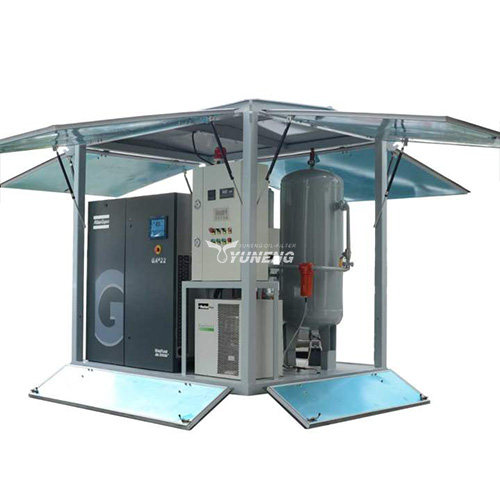
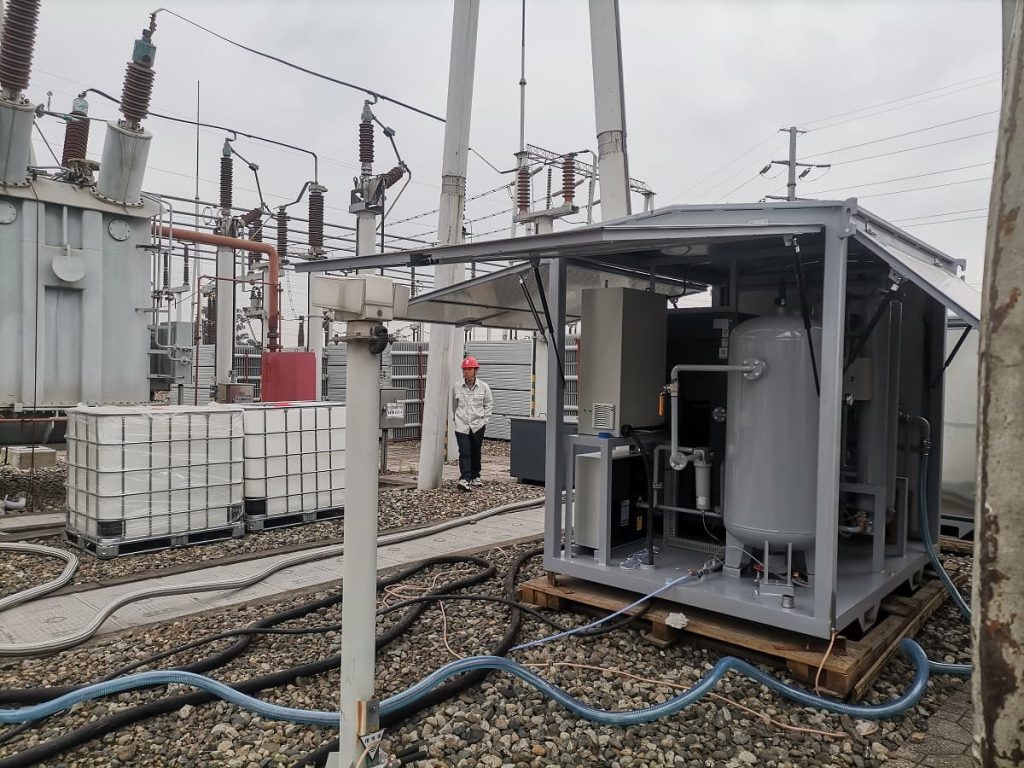
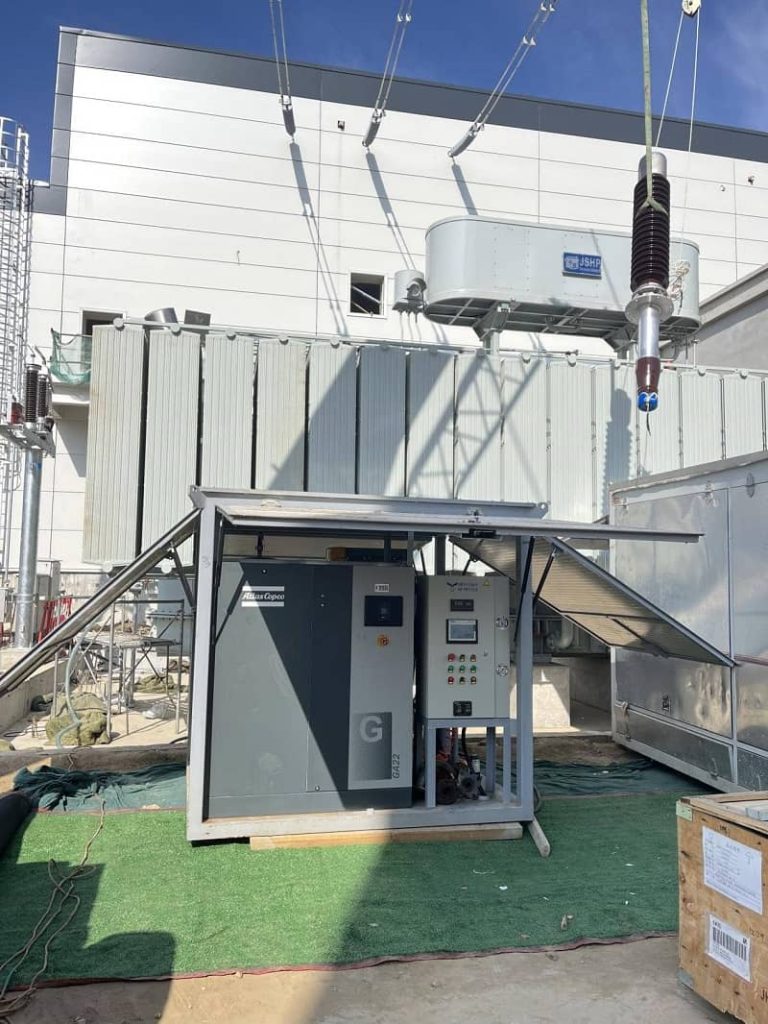
In the realm of high-voltage power transmission, the insulation integrity of a transformer is paramount. During installation, internal inspections, or major overhauls, the transformer’s active part is exposed to the atmosphere. To prevent the cellulose insulation—which is highly hygroscopic—from absorbing moisture, a continuous supply of ultra-dry air is required. This is where the dry air generator for transformer becomes an indispensable asset.
However, in coastal regions, the operational environment is notoriously hostile. Defined by a “Triple Threat” of relative humidity (often exceeding 95%), high saline concentrations (salt spray), and significant diurnal temperature fluctuations, standard dry air generators often fail prematurely. Common failure modes include dew point drift, adsorbent “poisoning” due to liquid water carryover, and rapid corrosion of critical components. This article explores advanced performance optimization strategies for dry air generators operating in coastal environments.
Chapter 1: What is the Coastal Triple Threat?
1. High Humidity and Latent Heat Load
In a typical inland environment (RH 50%, 25℃ ), the moisture content is approximately 10 g/kg of dry air. In coastal regions (35℃ , RH 95%), this jumps to over 34 g/kg. This 3.4x increase in water load puts an immense strain on the desiccant towers, often leading to premature saturation and the delivery of “wet” air to the transformer.
2. Salt Spray and Electrolytic Corrosion
Coastal air is laden with sodium chloride (NaCl) aerosols. These particles are not only corrosive to the aluminum fins of heat exchangers but also conductive. If they settle on electrical control boards or terminal blocks, they can cause short circuits or “tracking” failures, especially when combined with condensation.
3. Condensation and Micro-Climates
The high thermal mass of the equipment, combined with rapid humidity changes, leads to “sweating” on internal surfaces. Without specific design interventions, this moisture trapped inside the machine accelerates rust and degrades the insulation of the internal compressor motor.
Chapter 2: Structural and Material Optimization (The “C5-M” Standard)
In order to adapt to the corrosive vapor from the sea, the dry air generator will need to be transformed from normal industrial grade levels to a more familiar marine grade specification.
1. Stainless Steel and Protective Coatings
Its foundation particularly comprises a tubular frame within which all pipelines and the like are invariably supposed to be made in the best kind of materials. This means that the metal parts other than stainless steels should be protected with high performance coatings of class C5–M in accordance with ISO 12944. They typically contain a complex system of epoxy–zinc primer and polyurethane topcoat protected from UV rays and the atmospheric effects of the deposited salt.
2. Heat Exchanger Protection
Given that the evaporator and condenser are the most sensitive components. Ordinary aluminum fins usually become fine powder (white rust) in a matter of months. The ways to achieve these include:
- Electrophoretic Coating (E-Coating): A complete immersion procedure ensuring that the coil receives 100% of the treatment.
- Copper-Fin/Copper-Tube Coils: Though heavier and more costly, they generally offer longer service, especially in coastal areas suffering from salty air.
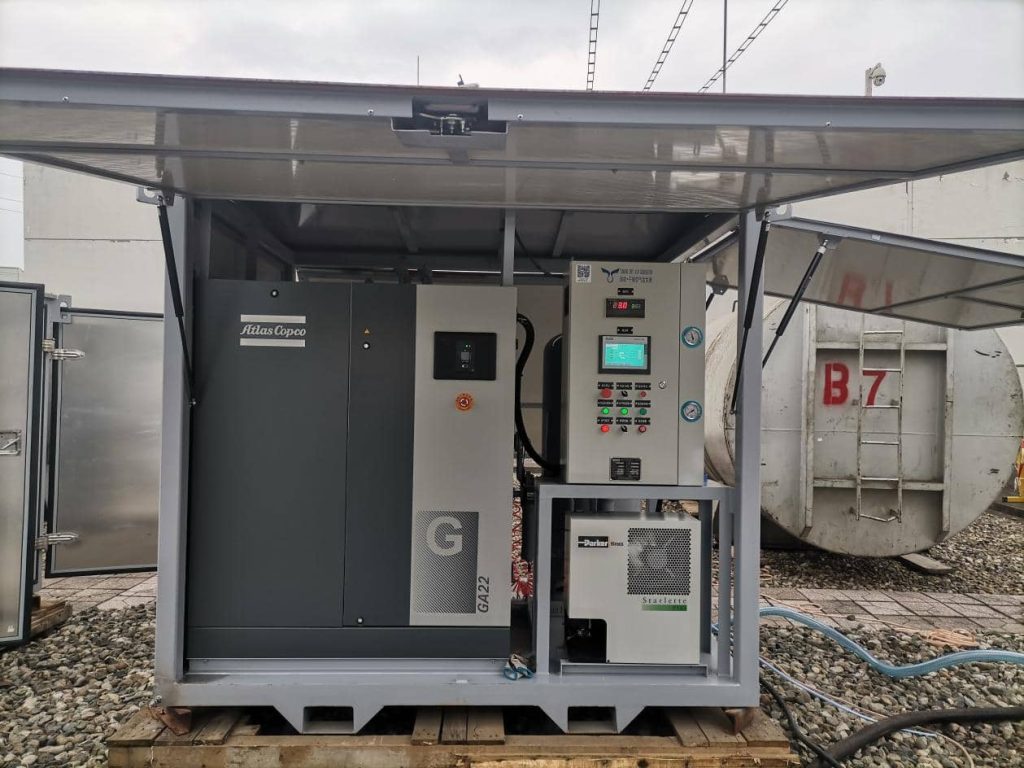
The core of a coastal-optimized dry air generator for transformer lies in its multi-stage moisture removal process. A single-stage desiccant approach is insufficient.
1. Stage 1: The “Heavy Duty” Pre-cooling Unit
The pre-cooler is the “workhorse” of the system and significantly brings down the temperature of the inlet air to between 2°C and 5°C. This enthalpy drop serves to remove up to 85% of moisture in the air before it reaches the adsorbent beds.
Selection Table: Refrigeration Capacity for Coastal Conditions (35°C, 95% RH)
| Airflow Rate (m3/h) | Required Cooling (kW) | Suggested Compressor (HP) | Condensate Output (L/h) |
| 50 | 1.95 | 1.2 | 1.7 |
| 100 | 3.9 | 2.5 | 3.4 |
| 200 | 7.8 | 4.5 | 6.8 |
2. Stage 2: Heat Recovery (The Energy Efficiency Anchor)
One critical performance element often underestimated is the Air-to-Air heat exchanger (Reheater). The cold, but saturated air, leaving the precooler, is reheated due to the incoming hot air.
- Benefit 1: It reduces the moisture in the incoming air to a Desiccant tower, preventing dust particles from being soaked in puddles of water.
- Benefit 2: No condensation will occur on the outdoor pipes because the final airstream is very close to saturation.
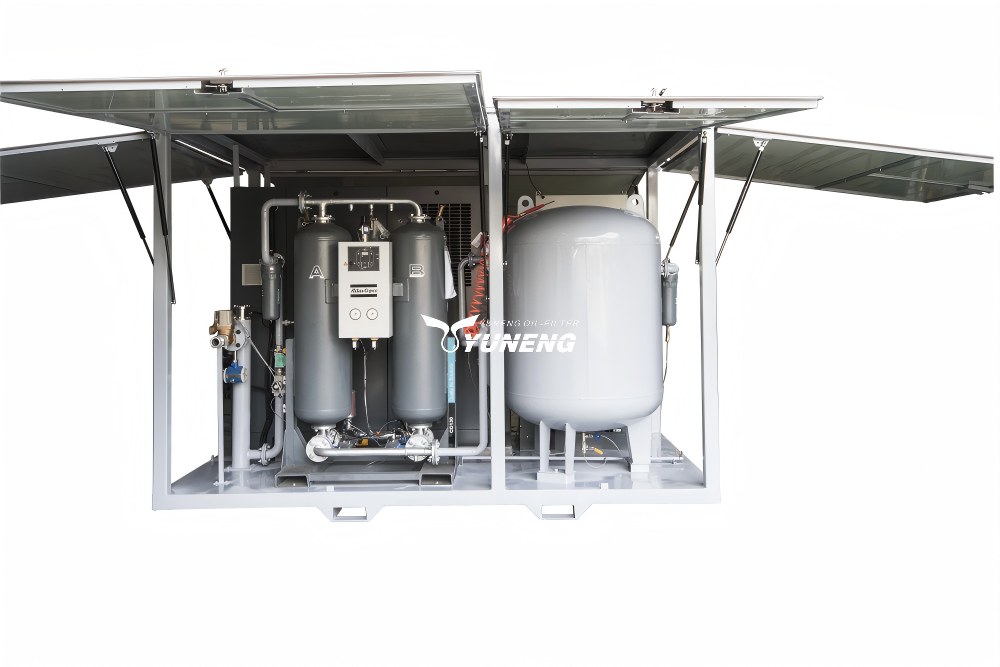
3. Stage 3: Layered Desiccant Bed Strategy
In the adsorption towers, a “one-size-fits-all” desiccant fill is inefficient. Optimization involves a dual-layer approach:
- Buffer Layer (Bottom 30%): Activated Alumina. It has high mechanical strength and high resistance to liquid water. It protects the more sensitive molecular sieves from “water shock.”
- Polishing Layer (Top 70%): 13X Molecular Sieve. This material has a high affinity for water at low concentrations, allowing the system to achieve ultra-low dew points of −60°C to −70°C.
Chapter 4: Intelligent Control and Marine-Grade Maintenance
Modern dry air generators must move beyond manual operation to sensor-driven, automated management.
1. Dew Point Dependent Switching (DDS)
In high-humidity coastal areas, fixed-timer tower switching is wasteful. If the environment is slightly drier one day, the system shouldn’t cycle as often.
Optimization: Use a high-precision, salt-resistant aluminum oxide or polymer dew point sensor. The PLC only switches towers when the outlet dew point rises above a set threshold (e.g.,- 55 °C). This extends desiccant life by reducing the number of thermal regeneration cycles.
2. Positive Pressure Standby Mode
When the unit is not in use, the coastal air will naturally migrate into the machine, saturating the desiccant.
Optimization: Implement a “Standby Pressure” logic where the system maintains a slight internal pressure (0.02 MPa) using a small amount of stored dry air. This creates a “pneumatic seal” against the salt-laden atmosphere.
3. Automated Condensate Management
With a 200 m3/h unit producing nearly 7 liters of water per hour, drainage is a major concern.
- Electronic Drain Valves: Instead of using timed solenoid valves, use those that are level sensing so as to prevent any wastage of compressed air.
- Heating Traces: The lines must be heated above the freezing point during cold night periods for regions with cold night temperatures.
Chapter 5: Maintenance Protocol for Coastal Operations
Maintenance in a coastal environment is not about fixing what is broken; it is about preventing the environment from consuming the machine.
- Filter Surveillance: Salt particles can clog HEPA filters faster than standard dust. Differential pressure gauges must be monitored weekly.
- Sacrificial Anodes: In extreme marine locations, installing sacrificial zinc anodes on the chassis can help redirect electrolytic corrosion away from critical components.
- Oil Analysis: For lubricated compressors, oil should be checked more frequently for moisture contamination, as high humidity can lead to water emulsification in the lubricant.
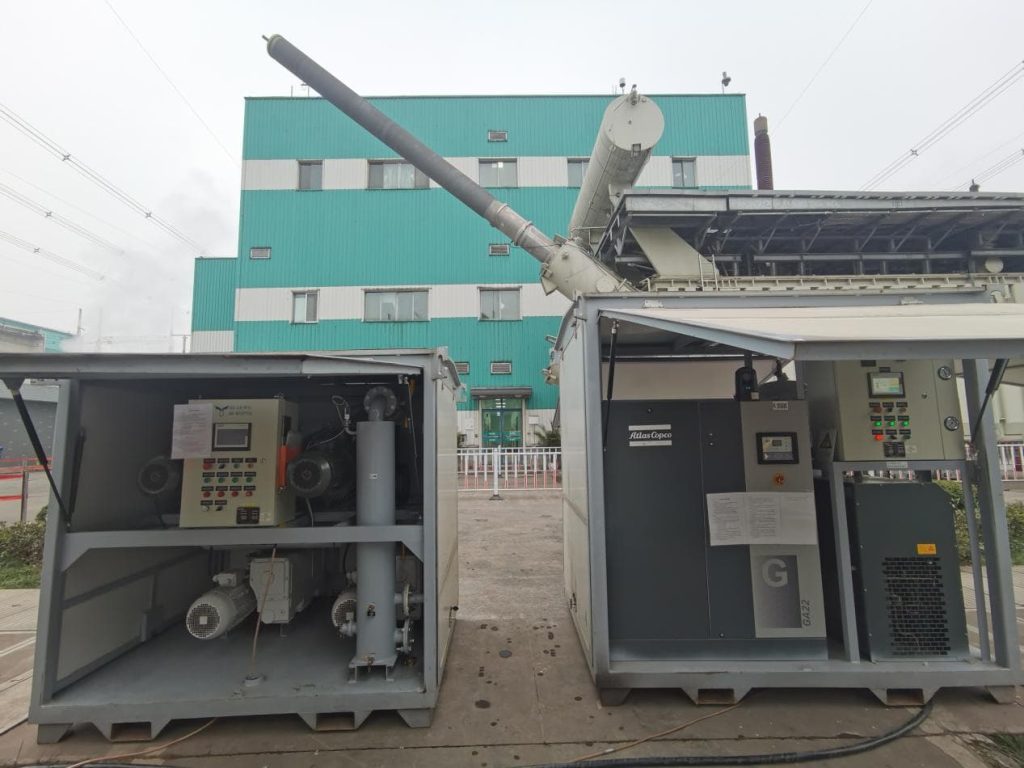
A dry air generator for transformer in a coastal setting is not just a piece of utility equipment; it is a safeguard for a multi-million dollar transformer asset. By prioritizing maritime-grade materials, robust pre-cooling stages, and intelligent dew-point-driven controls, utility operators can ensure that their equipment delivers ultra-dry air regardless of the external humidity.
There are optimization strategies that cover the use of 316L stainless steel, including the desiccant beds added in layers, providing ways of addressing sustainable development in power grid maintenance. For this legacy, it is asserted that to begin with, the coastal-optimized systems would require a higher capital cost but provide a more favorable ROI due to lower maintenance costs and failure rates of transformer insulation.
Are you planning a transformer project in a maritime region? Contact our technical team for a custom dry air generator configuration tailored to your specific site humidity and salinity profiles.