
Why 2026 Is a Turning Point for SF6 Gas Recovery in Southeast Asia

Power Utility Gas & Insulation Specialist
Table of Contents
Estimations are indicating that by 2026, the global power industry will significantly transform its approach to managing sulfur hexafluoride (SF6). While SF6 was historically considered an operational consumable, currently it is addressed from the angles of regulations, environment, and finance. The scale of this change is especially pronounced in Southeast Asia, precisely in countries like Indonesia and the Philippines, which are moving up the ranks as advanced SF6 gas recovery and treatment solutions markets.
Due to the imposition of strict ESG auditing, skyrocketing carbon levy, together with the unfavourable life expectancy of gas-insulated switchgear (GIS), every electric power operator, like-minded establishments, etc., are generally trending towards zero-waste SF6 gas recovery strategies. The market for its most advanced SF6 gas refilling units, SF6 gas vacuum pumps, and on-site SF6 gas purification machines has also reached its pinnacle today since it was generated.
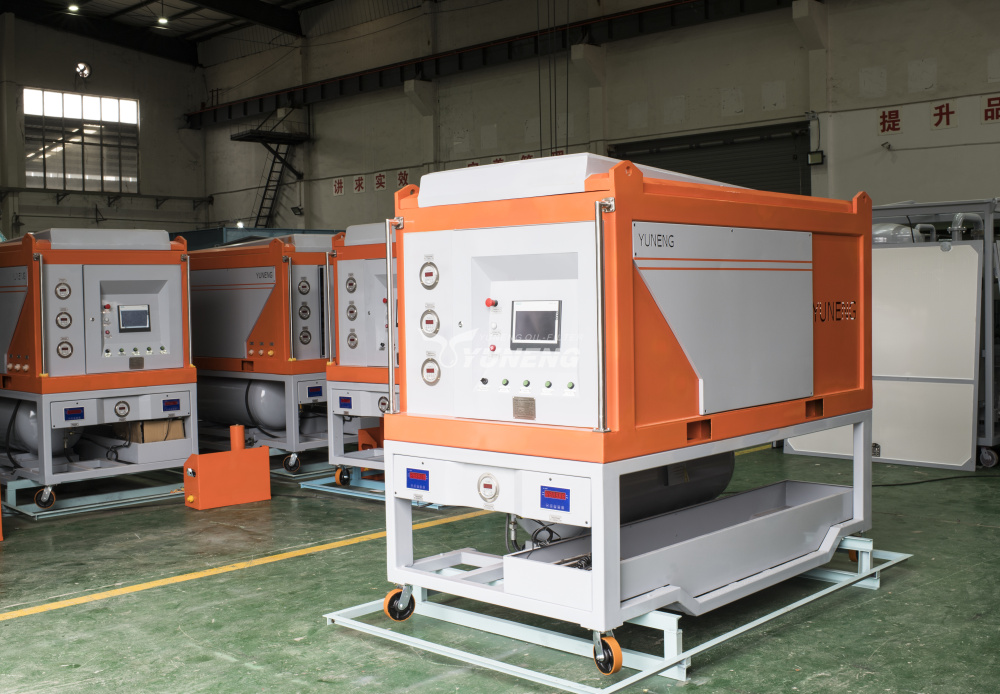
Regulatory Pressure Is Redefining SF6 Gas Management
1. Carbon Pricing and International Compliance Requirements
Although many Southeast Asian countries are still developing their own fluorinated gas regulations, regional utilities are already being affected by international policy spillover. Singapore’s steadily increasing carbon tax has raised awareness of high-GWP gases across ASEAN supply chains. At the same time, the European Union’s F-gas framework is influencing global equipment standards, spare parts availability, and service practices—even outside Europe.
The institutions like the Asian Development Bank (ADB), as well as other multilateral lending agencies, are insisting on the need of accounting greenhouse gas emissions even at the level of project approval assessment and the post project financing examination. Consequently, for utilities that do not fix their SF6 gas recovery and treatment, they risk non-compliance with the regulatory standards, higher borrowing rates, and possible delays in the implementation of their projects.
2. From Emission Reduction to Zero-Emission Recovery
Historically, SF6 handling focused on minimizing losses rather than eliminating them. Partial recovery, residual gas venting, and manual handling were often tolerated. That approach is rapidly becoming obsolete.
By 2026, tender documents across Southeast Asia are expected to specify zero-emission recovery, requiring:
- Fully sealed gas handling systems
- High-efficiency recovery with ultra-low final pressure
- Documented gas tracking and reporting
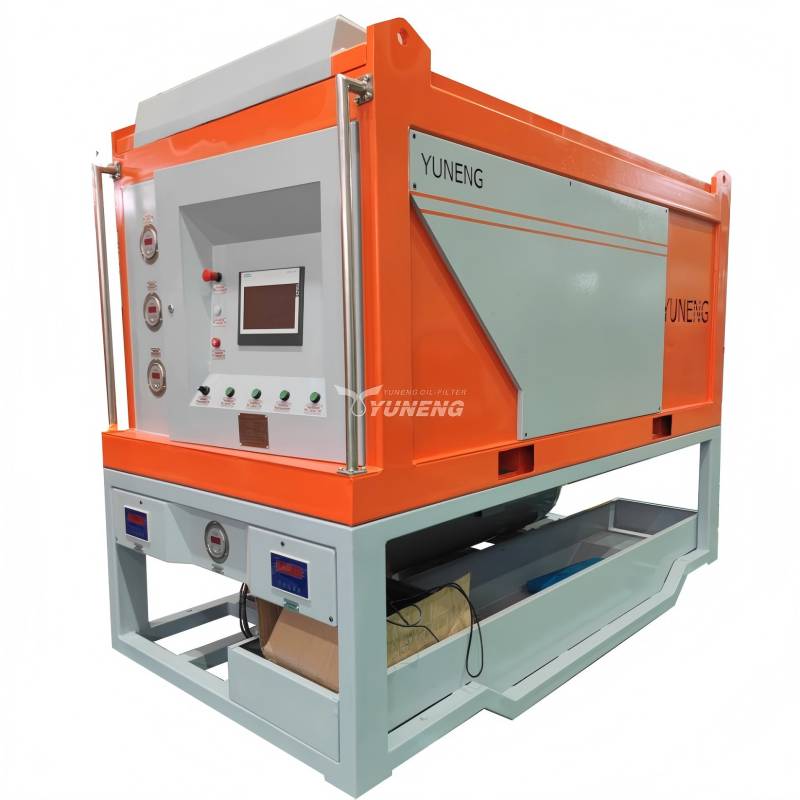
This shift is driving demand for advanced SF6 gas recovery units that integrate recovery, purification, storage, and digital monitoring into a single, closed-loop system.
Core Technologies Behind Modern SF6 Gas Recovery Units
1. The Critical Role of the SF6 Gas Vacuum Pump
For any recovery system to function effectively, however, the performance of its SF6 gas vacuum pump is crucial. High-quality vacuum pumps allow the full evacuation of GIS compartments that leads to the almost complete removal of the residual gas.
Key performance indicators include:
- Final vacuum level below 1 mbar
- Stable performance under continuous operation
- Compatibility with moisture and decomposition by-products
In practical terms, a high-performance vacuum pump directly determines recovery efficiency, emission reduction, and compliance reliability. For utilities preparing for ESG audits, this component is no longer a secondary consideration—it is the core of the recovery system.
2. Integrated SF6 Gas Treatment and Purification
Modern SF6 management extends beyond recovery. Increasingly, utilities want to treat and reuse recovered gas, reducing dependence on new SF6 supply and avoiding hazardous material transport.
Advanced SF6 gas treatment processes typically include:
- Multi-stage dehydration to remove moisture
- Chemical filtration to eliminate acidic by-products such as HF and SO₂
- Particle filtration to remove solid decomposition residues
- Final quality verification to meet IEC 60480 requirements
When regenerated, SF6 can viably be reused in new or old apparatus as is, thereby converting wasted gas to a valuable resource.
3. Digital Monitoring and Traceability
Digitalization is becoming a defining feature of next-generation SF6 recovery systems. Utilities increasingly require:
- Real-time gas purity analysis
- Automated data logging for maintenance records
- Cylinder tracking through QR codes or RFID
These capabilities not only support regulatory compliance but also enable better asset planning and lifecycle management.
Why Indonesia and the Philippines Are Key Growth Markets
1. Indonesia: Large Installed Base and Geographic Challenges
One of the largest such systems in all of the Southeast Asian region, the Indonesian power sector’s installed SF6-insulated assets are mostly remnants from the 1990s. Evidently, a significant number of such systems are now bordering on the expiry of their operational life, necessitating considerable replacement and dismantling activities.
The archipelagic character of Indonesia brings in another dimension of complexity. Withdrawing SF6 gas cylinders from outer islands to a centralized place for their reclamation is a very costly, time-consuming, and logistically dangerous undertaking.
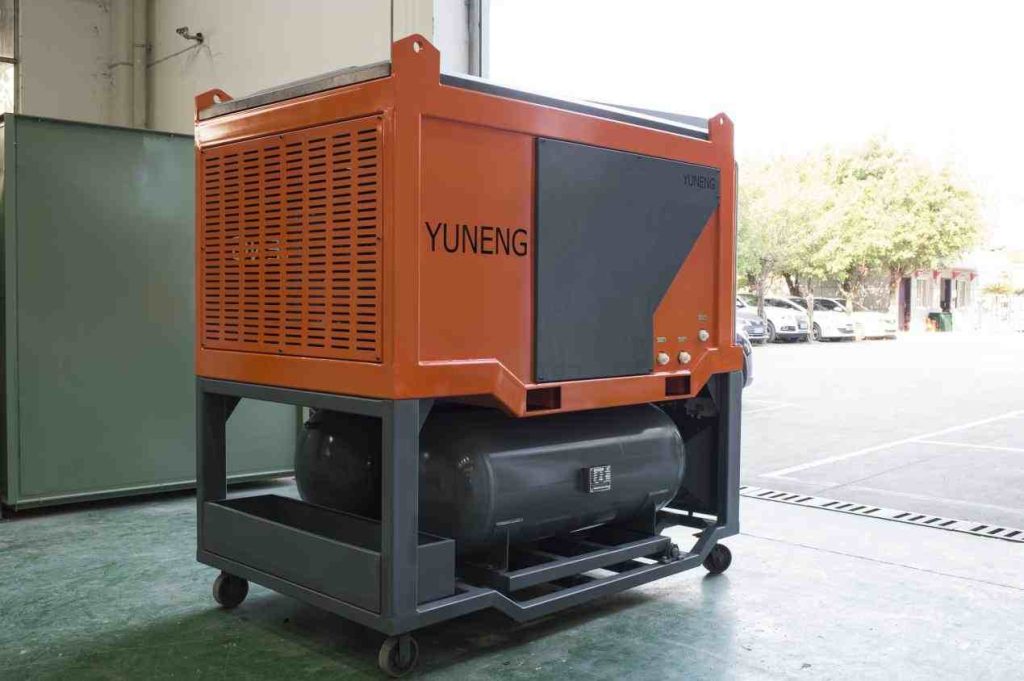
As a result, mobile SF6 gas recovery units with on-site treatment capability offer a compelling solution. By enabling recovery, purification, and reinjection directly at substations, utilities can significantly reduce costs while maintaining environmental compliance.
2. Philippines: Disaster Recovery and ESG Expectations
Frequent typhoons and extreme weather conditions in the Philippines increase the deterioration rate and emergency maintenance requirements of the equipment. During fast mending, there is a significant risk associated with the leakage of SF6 without measures.
Because there is significant private involvement in the transmission and distribution network, international financiers very closely follow the ESG progress. All this has led to a major gap in the market for professional SF6 gas recovery services being promoted with minimal time and effort, regardless of the working environment.
Business Opportunities Around SF6 Gas Recovery After 2026
1. Decommissioning and Recovery Services
As substations are retired, utilities face a critical question: how to safely handle tons of residual SF6 gas. Service providers offering integrated recovery, testing, and compliant transport solutions are well positioned to capture this growing market.
2. Mobile On-Site Treatment Solutions
Mobile units capable of both recovery and purification allow utilities to avoid hazardous material transport while maximizing gas reuse. In island nations, this capability often determines whether a project is economically viable.
3. Leak Detection and Preventive Maintenance
Advanced infrared imaging and monitoring technologies enable early detection of SF₆ leaks. Preventive recovery not only reduces emissions but also extends equipment life and lowers long-term maintenance costs.
4. Carbon Credit and Emission Reduction Value
Because SF6 has an extremely high global warming potential, even small recovery volumes represent significant emission reductions. Some utilities are beginning to explore converting verified recovery volumes into carbon offsets—adding a new financial dimension to SF6 gas recovery investments.
How to Choose the Right SF6 Gas Recovery Solutions
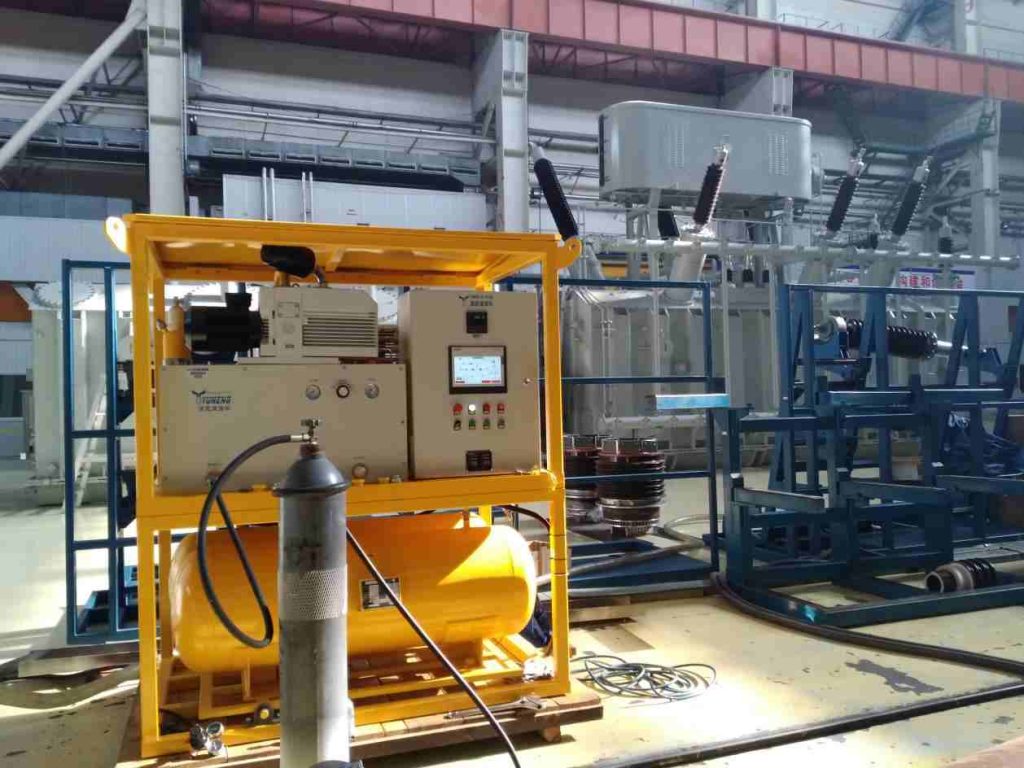
When selecting SF6 gas recovery units, utilities should consider:
- Vacuum performance and final achievable pressure
- Integrated treatment and purification capability
- Ease of use in remote or challenging environments
- Digital reporting and traceability features
For Southeast Asian conditions, systems that combine deep vacuum performance, on-site SF6 gas treatment, and operational mobility deliver the most compelling total cost of ownership and environmental outcomes.
Frequently Asked Questions (FAQ)
Q1: What is the difference between SF6 gas recovery and SF6 gas treatment?
SF6 gas recovery refers to capturing gas from equipment without releasing it into the atmosphere. SF6 gas treatment goes a step further by purifying the recovered gas to remove moisture, acids, and decomposition products so it can be reused.
Q2: Why is a high-performance SF6 gas vacuum pump important?
The vacuum pump determines how completely SF6 can be recovered. Deeper vacuum levels result in higher recovery rates, lower emissions, and reduced costs for replacement gas.
Q3: Is on-site SF6 gas treatment safe and reliable?
Yes. When performed with properly designed equipment and monitoring systems, on-site treatment can safely restore gas quality to international standards while reducing transportation risks.
Q4: Why is Southeast Asia becoming a hotspot for SF6 recovery solutions?
Aging grid infrastructure, stricter ESG requirements, geographic challenges, and rising carbon costs are converging to create strong demand for advanced SF6 recovery and treatment technologies.
Recommend Products
No posts