Chinese Transformer Vacuum Pumping Systems Are Helping Global Grid Upgrade in 2026
Oil Purification & Vacuum Technology Expert
Table of Contents
Power systems are changing faster than ever as the world moves toward cleaner energy sources. The way electricity is made, transmitted, and distributed is changing because of big initiatives to connect renewable energy sources, ultra-high-voltage (UHV) transmission lines, and cross-border connections. The power transformer is the most important piece of equipment in this change.
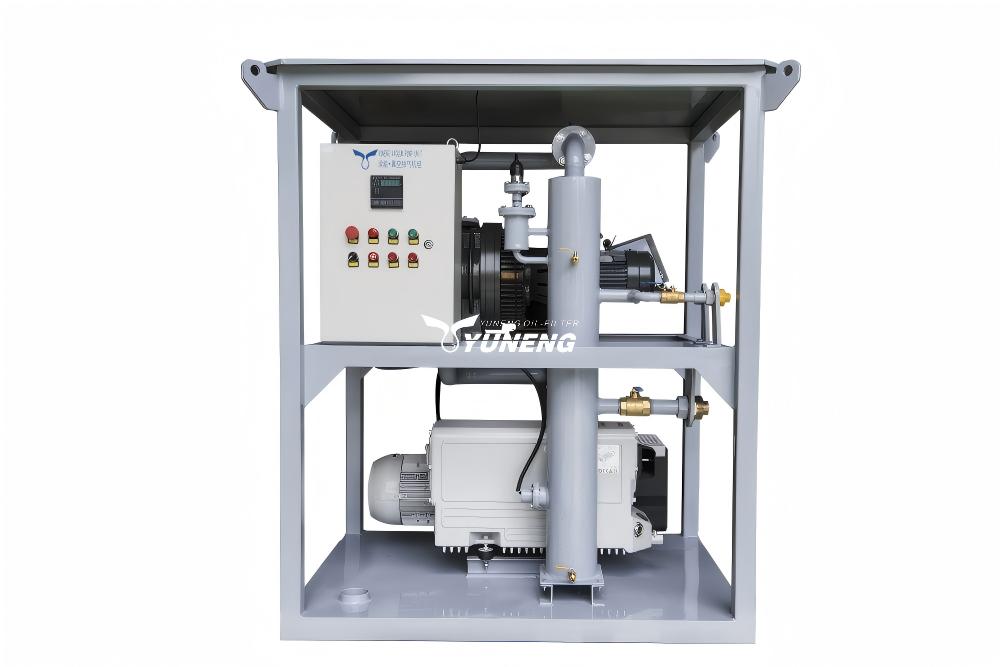
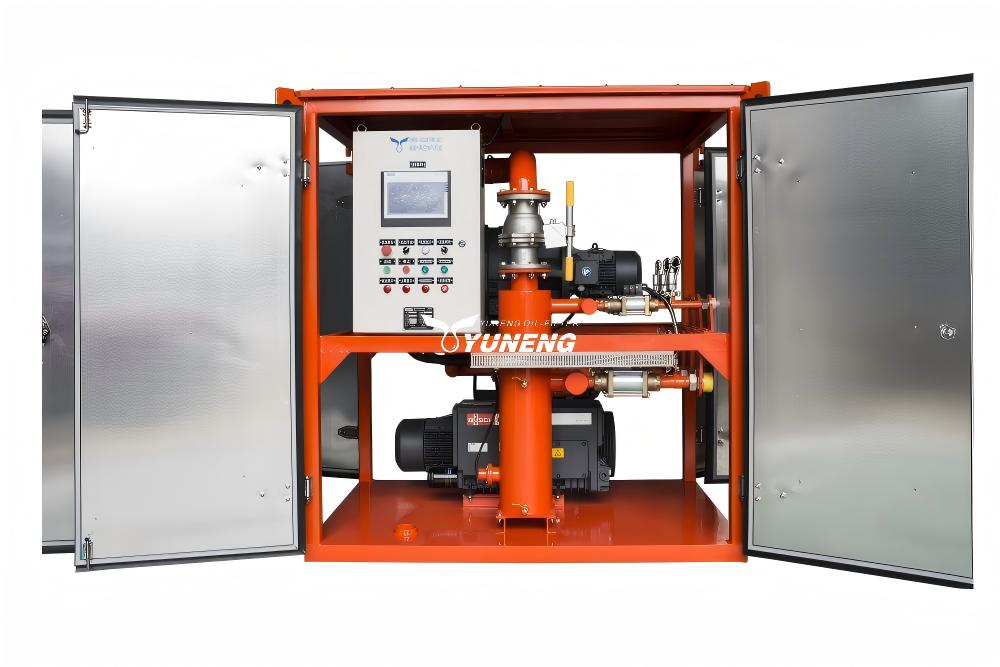
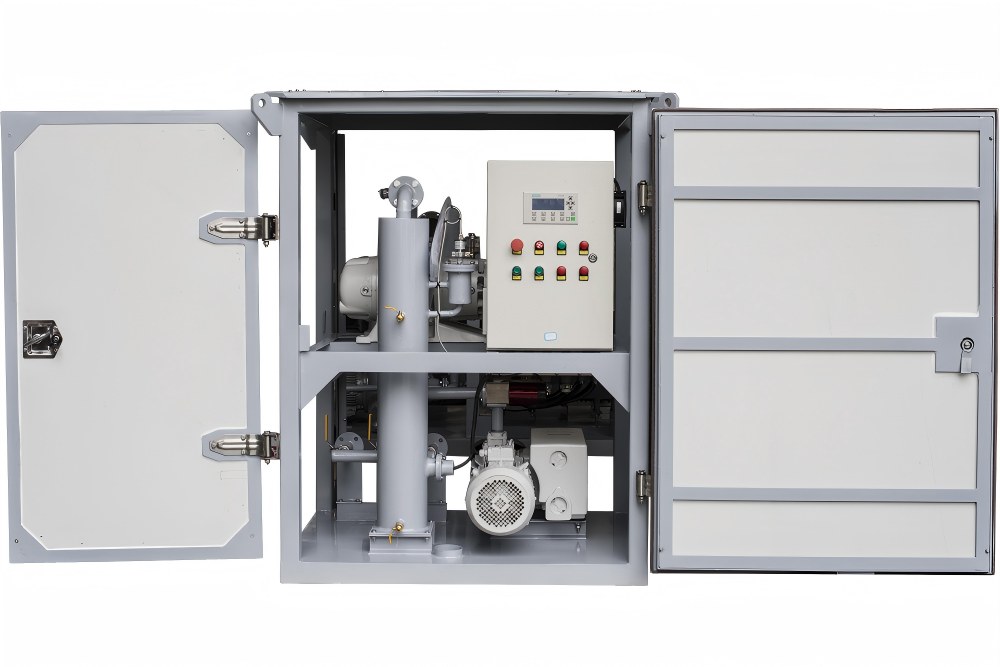
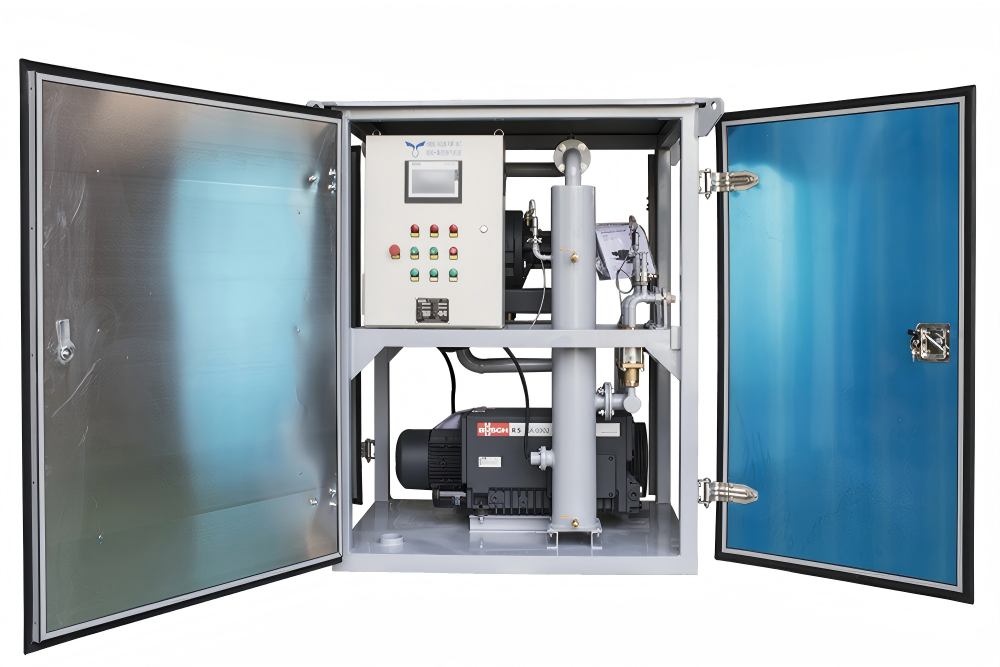
But the design and materials of a transformer don’t always make it reliable. It really depends on how well it is installed and maintained, especially the vacuum treatment. A high-performance transformer vacuum pumping system is very important for making sure that insulation is intact, dielectric strength stays strong, and long-term operating safety.
At Yuneng, we understand that vacuum technology is not just a supporting process — it is a strategic safeguard for power infrastructure worldwide.
Why Transformer Vacuum Evacuation Is Critical
During transformer installation or overhaul, moisture and residual gases remain inside the tank, windings, and insulation materials. If not properly removed:
- Moisture reduces dielectric strength
- Air bubbles cause partial discharge
- Oxidation accelerates insulation aging
- Risk of breakdown increases under high voltage
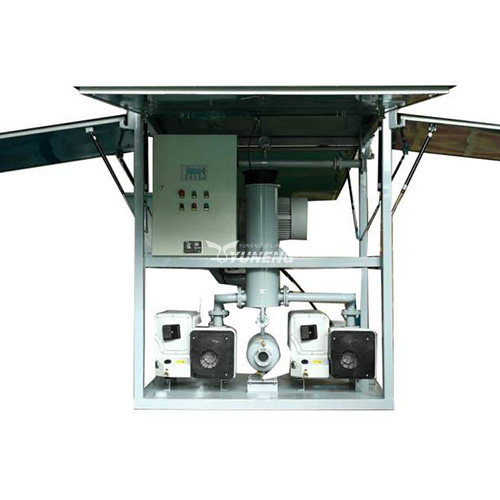
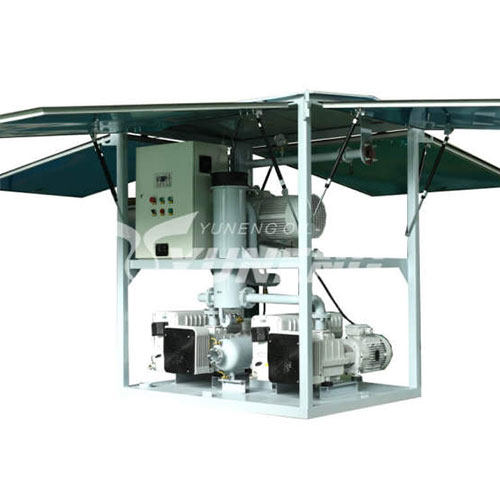
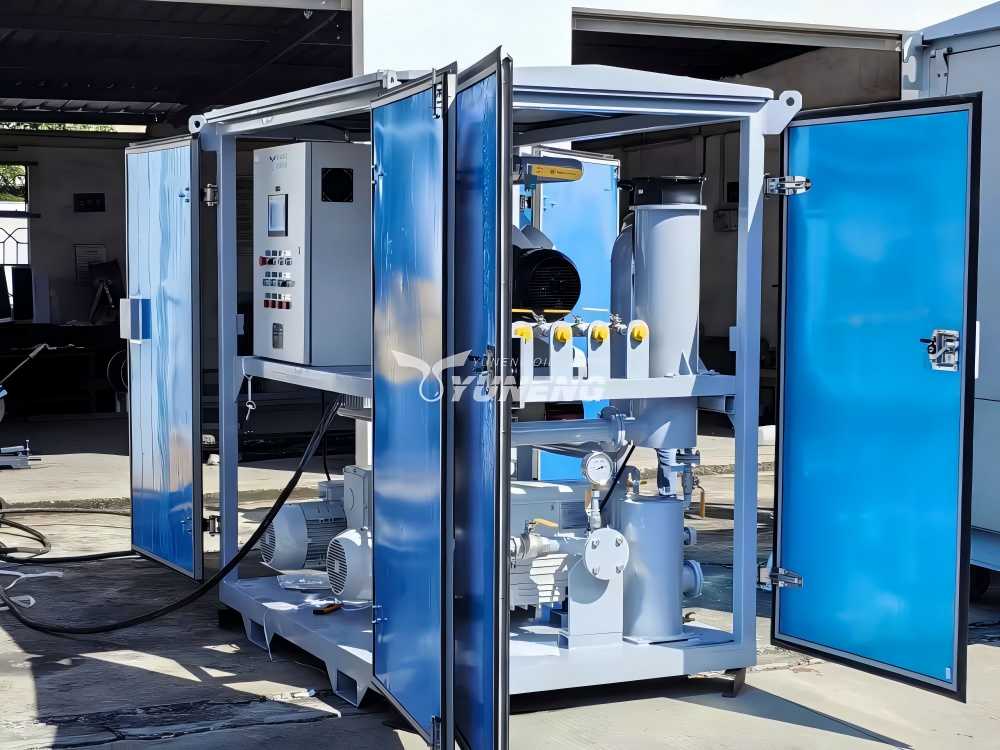
A dedicated transformer evacuation system removes moisture and air before oil filling, creating optimal internal conditions for transformer operation.
For UHV and EHV transformers, vacuum standards are especially strict. In many projects, the required ultimate vacuum must reach below 10 Pa, ensuring deep dehydration of cellulose insulation and preventing long-term insulation degradation.
This is where industrial-grade vacuum engineering becomes mission-critical.
Technical Foundation of a High-Performance Transformer Vacuum Pumping System
Multi-Stage Pumping Architecture
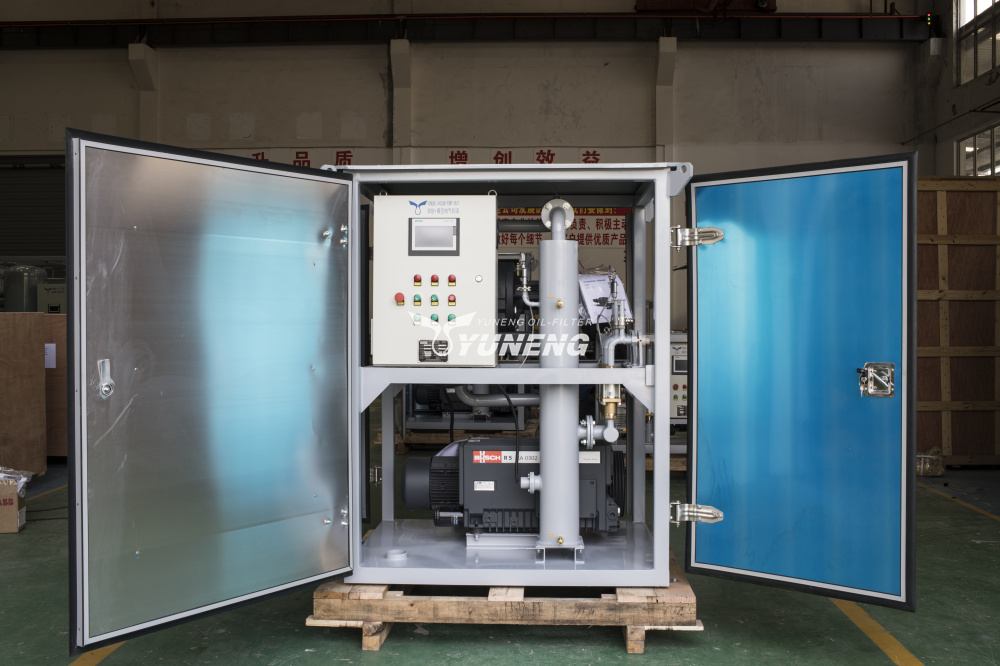
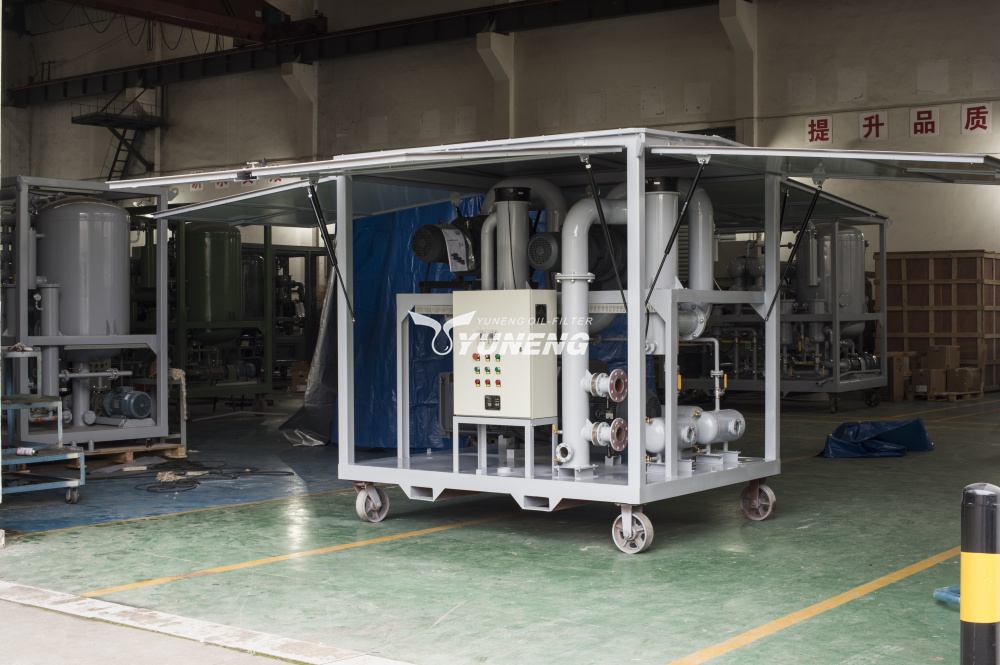
A professional system typically integrates a roots vacuum pump set with a backing pump (rotary vane or screw type). This multi-stage configuration offers:
- High pumping speed in medium vacuum range
- Stable deep vacuum capability
- Faster moisture evaporation
- Reduced evacuation time for large-capacity transformers
The roots pump increases throughput, and the backing pump keeps the compression and discharge steady. Together, they provide a vacuum environment that is both reliable and efficient, and is perfect for transformer use.
Key Performance Indicators That Matter
1. Ultimate Vacuum Level (<10 Pa for UHV Projects)
Lower vacuum levels significantly accelerate moisture evaporation from insulation paper and structural components. In large transformer tanks, achieving deep vacuum ensures:
- Higher dielectric strength after oil filling
- Reduced partial discharge probability
- Extended transformer service life
Industrial-grade systems designed for power projects must consistently maintain ultra-low pressure without leakage or instability.
2. Pumping Speed (250 m³/h – 5000 m³/h)
Transformer oil tanks vary widely in size. Large power transformers require high-capacity pumping systems.
Higher pumping speed means:
- Shorter installation cycles
- Reduced downtime during maintenance
- Improved project efficiency
For grid operators, reduced installation time directly translates into lower operational cost and faster grid deployment.
3. System Stability and Leak Control
Vacuum integrity is critical. A high-quality transformer vacuum pumping system must feature:
- Reliable sealing systems
- Stable pressure holding performance
- Low leakage rate
- Continuous operation capability
Yuneng vacuum pumping units are engineered for stable performance even under high ambient temperature or high-humidity environments.
4. Intelligent PLC Automation
Modern vacuum systems are no longer manually operated machines. Intelligent PLC integration enables:
- Real-time vacuum curve monitoring
- Automatic stage switching
- Overload and overheating protection
- Data logging for commissioning documentation
Digital monitoring reduces human error and ensures compliance with international transformer installation standards.
Global Market Trends: Why Demand Is Rising
Southeast Asia – Rapid Industrialization
Emerging economies are expanding manufacturing and urban infrastructure. High humidity in tropical climates increases moisture risks during transformer installation, making efficient vacuum evacuation even more critical.
Reliable vacuum systems are becoming standard equipment in regional grid expansion projects.
Middle East – UHV and Extreme Temperature Projects
Desert environments present unique challenges:
- Ambient temperatures exceeding 50°C
- Large-capacity UHV transformers
- Continuous high-load operation
Vacuum systems must operate reliably under harsh thermal conditions without performance degradation.
Africa – Grid Rehabilitation and Mobile Solutions
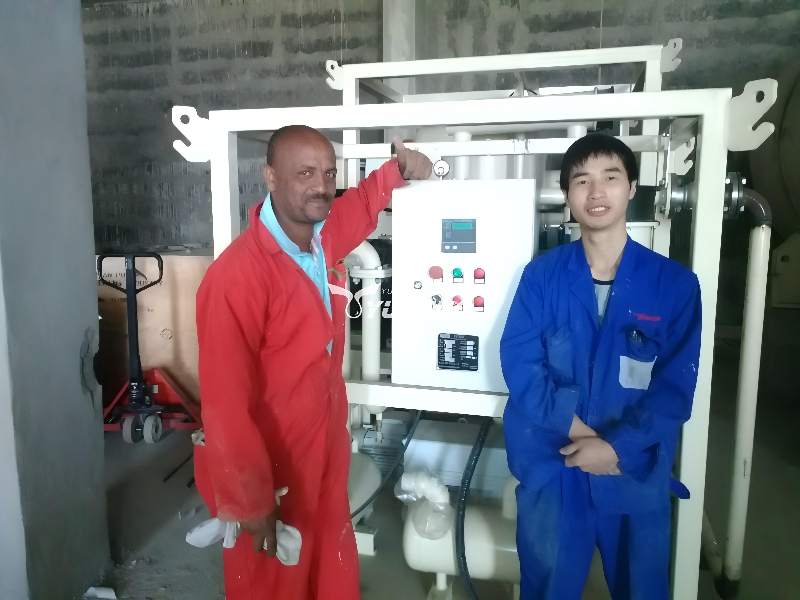
In many places, modernizing the grid means having portable or skid-mounted evacuation devices. It is important that they are flexible, easy to move, and long-lasting.
More and more people are choosing small yet strong vacuum pumping plants for transformer repair on-site.
2025–2026 Industry Challenges and Innovation
Carbon Neutrality and Energy Efficiency
With global carbon reduction goals tightening, industrial equipment must improve energy efficiency.
Modern systems now incorporate:
- Variable Frequency Drive (VFD) energy optimization
- Reduced oil mist emissions
- Improved thermal efficiency
- Optional oil-free configurations
Energy-efficient vacuum solutions align with sustainable infrastructure strategies.
Renewable Energy Substations
Wind farms and solar plants often use compact step-up transformers located in remote areas. These installations require:
- Mobile vacuum pumping units
- Fast deployment capability
- Simplified operation
- Remote monitoring support
Vacuum technology is evolving to match the distributed energy landscape.
Digitalization and Predictive Maintenance
Advanced systems now integrate:
- Cloud-enabled data transmission
- Remote diagnostics
- Predictive maintenance algorithms
This allows overseas project managers to monitor performance without physical presence, improving operational transparency and reliability.
How to Choose a Reliable Transformer Vacuum Pumping System Supplier
Selecting the right supplier is just as critical as selecting the right equipment. A dependable partner ensures long-term performance, safety, and project efficiency.
1. International Certifications and Compliance
A qualified supplier should meet recognized international standards, including:
- CE certification for safety and export compliance
- ISO 9001 quality management system
- Alignment with IEC transformer installation standards
These credentials confirm that the manufacturer follows structured quality control processes and is capable of supporting international projects.
2. Core Component Quality
System reliability depends on component integrity. Key elements to evaluate include:
- Industrial-grade motors designed for continuous operation
- High-precision vacuum gauges for accurate monitoring
- Stable PLC control systems with protection features
- High-performance sealing materials to minimize leakage
Premium components directly improve system stability, vacuum efficiency, and service life.
3. Engineering and Customization Capability
Transformer sizes and site conditions vary widely. A professional supplier should offer:
- Pumping speed selection based on transformer capacity
- Customized system configurations
- Commissioning support and technical guidance
- Clear technical documentation
Strong engineering capability reduces installation risk and improves project execution.
4. After-Sales and Technical Support
Vacuum systems are essential during installation and maintenance. Reliable suppliers provide:
- Rapid spare parts availability
- Remote technical assistance
- Clear maintenance instructions
Responsive after-sales support ensures operational continuity and long-term reliability.
Yuneng Industrial Approach: Engineering Reliability for Global Power Infrastructure
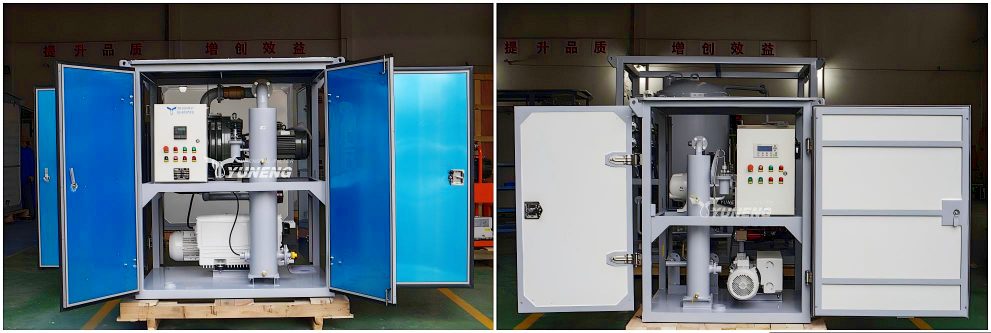
At Yuneng, we approach vacuum technology from an engineering-first perspective. Our transformer vacuum pumping systems are designed to meet the demanding requirements of:
- UHV transformer installation
- Power plant commissioning
- Grid modernization projects
- International EPC contractors
We focus on:
- Stable ultra-low vacuum performance
- High-capacity Roots vacuum pump configurations
- Intelligent automation
- Energy-efficient operation
- Adaptability to extreme climates
From tropical humidity to desert heat, our systems are engineered for reliability and long-term durability.
Frequently Asked Questions (FAQ)
Q1: Why must transformers be vacuum-evacuated before oil filling?
A1: Vacuum evacuation removes moisture and trapped air, preventing insulation breakdown and ensuring optimal dielectric performance.
Q2: What is the typical pumping speed of a transformer vacuum pumping system?
A2: Depending on transformer capacity, systems range from 250 m³/h to 5000 m³/h.We could also customize the machine according to your need.
Q3: How long does transformer evacuation take?
A3: For medium transformers, evacuation may take 8–24 hours. For large UHV units, the process can extend to 24–48 hours depending on target vacuum level.