IEC 63585:2026: DGA in Natural and Synthetic Ester Transformers

Oil Purification & Vacuum Technology Expert
Table of Contents
Dissolved gas analysis (DGA) is a critical technique for evaluating liquid-filled transformers. However, DGA interpretation for ester-filled transformers differs from that for conventional mineral oil-filled transformers. These include gas generation mechanisms, interpretation, reference values of gas concentration in ester insulating fluids, trend analysis, and suggested responses as per IEC 63585:2026 for natural and synthetic ester-based insulating fluids. The key one for transformer maintenance engineers is gaining a clear understanding of how the specificities of ester insulating fluids reflect on the gas signature trends and hence help them in maintenance decisions.
This paper describes the application of this standard in transformer condition assessment and in distinguishing relatively benign gas trends from suspicious trends that warrant further investigation.
Why Does DGA Interpretation Differ Between Ester and Mineral Oil Transformers?
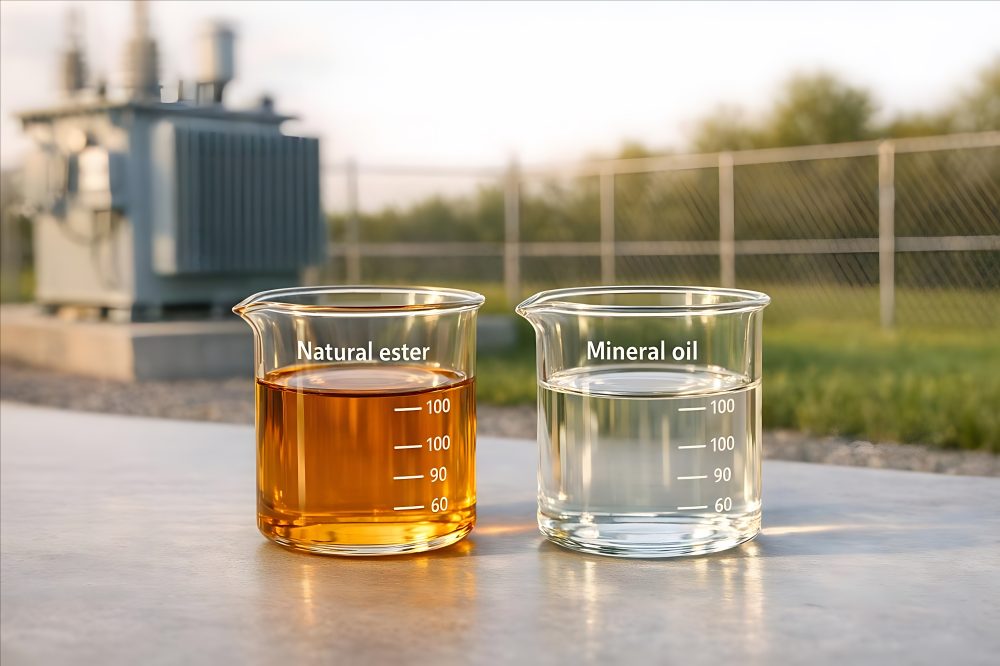
Natural esters and synthetic esters differ from mineral insulating oils in terms of molecular structure and physical properties. These differences will affect the way gas is generated and its concentration trend under the action of electrical or thermal stress. For example, for the same type of transformer fault, the proportion or rate of gas generation may not be the same in ester insulating oil and mineral insulating oil systems. In addition, the composition, oxidation characteristics, and interaction with water of natural esters can also affect the distribution of gas characteristics.
Therefore, the diagnostic criteria for mineral insulating oil should not be directly copied and used as fixed criteria for ester insulating oil transformers. The IEC 63585:2026 standard covers natural esters covered by IEC 62770 and synthetic esters covered by IEC 61099. This standard establishes a specialized dissolved gas analysis (DGA) interpretation framework for ester insulating oils, rather than treating all insulating liquids as the same.
How Does IEC 63585:2026 Explain Gas Generation in Ester-Filled Transformers?
The standard considers gas generation under different stress conditions, including dielectric breakdown, thermal stress and thermo-oxidative stress. These conditions matter because gas formation does not always indicate an active internal fault.
Several factors should be considered:
- Electrical stress: Partial discharge and disruptive discharge can cause gas generation through the decomposition of insulating materials.
- Thermal stress: Local overheating, excessive loading or cooling problems may change gas generation patterns.
- Thermo-oxidative stress: Interactions involving temperature, oxygen and ester chemistry can contribute to gas formation even without a confirmed electrical fault.
- Liquid composition: Differences between natural and synthetic ester formulations can influence the observed gas profile.
For natural esters, the chemical composition of the base fluid is particularly relevant. Some natural ester formulations may show gas generation associated with the decomposition of unsaturated fatty acid components. Engineers should evaluate gas patterns in the context of liquid type, operating conditions and transformer history instead of interpreting an individual gas result in isolation.
Which DGA Interpretation Methods Are Used for Natural and Synthetic Esters?
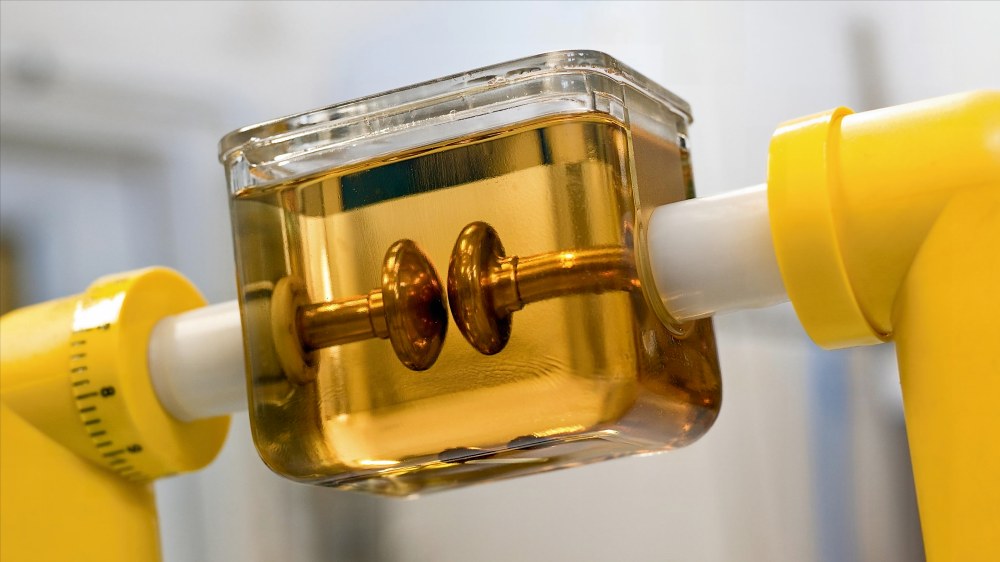
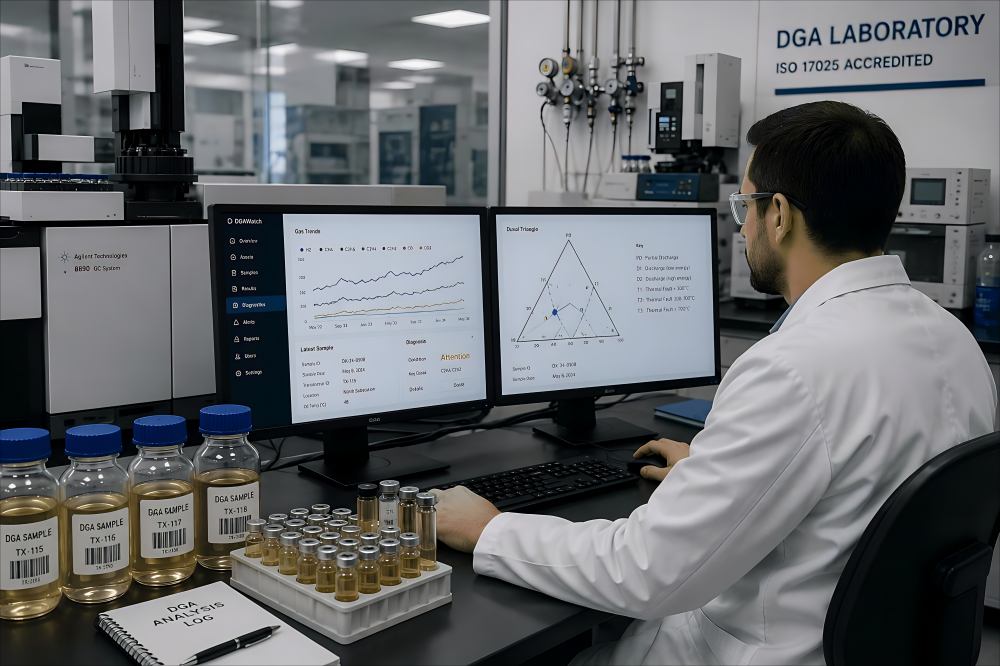
IEC 63585:2026 covers several approaches to ester DGA interpretation. These methods provide complementary information rather than independent proof of a particular fault.
1. Gas concentration percentiles
The standard discusses 90th and 95th percentile values for gas concentrations and gassing rates. These values help compare an individual transformer with a relevant equipment population.
Importantly, percentile values are not universal alarm limits or automatic fault thresholds. Their meaning depends on the database, equipment characteristics and operating conditions.
2. Gas ratios
Gas ratios can help identify patterns associated with partial discharge, electrical discharge and thermal faults. The interpretation approach needs to account for whether the insulating liquid is a natural or synthetic ester.
3. Gas increase rates and trend analysis
Changes over time can be more informative than a single measurement. A steadily increasing gas concentration may require a different response from a stable result that remains within the expected operating range.
4. Graphical interpretation and database comparison
Graphical methods and relevant equipment databases can help engineers identify patterns and compare results. However, the reliability of the conclusion depends on the quality and suitability of the underlying data.
How to Interpret Abnormal DGA Results in Ester-Filled Transformers?
When an abnormal result appears, engineers should assess several factors together.
| Assessment factor | What engineers should examine |
| Insulating liquid | Confirm natural ester or synthetic ester type and product information |
| Gas concentration | Compare results with relevant ester-specific guidance |
| Gas ratios | Check whether the pattern is consistent with a possible electrical or thermal event |
| Gas increase rate | Identify whether concentrations are stable, rising or changing rapidly |
| Operating conditions | Review loading, temperature, cooling and recent operating events |
| Historical results | Compare with previous tests from the same transformer |
For example, an increase in a particular gas should not automatically be classified as an internal electrical fault. The result may be influenced by liquid characteristics, operating conditions or thermo-oxidative processes.
A reliable ester transformer DGA assessment combines gas concentrations, ratios, increase rates and historical trends. If the results indicate a potential fault, further electrical inspection or diagnostic testing may be necessary.
What Actions Should Engineers Take After Abnormal DGA Results?
A practical response should follow a structured process:
- Verify the insulating liquid type. Confirm whether the transformer uses natural ester or synthetic ester and select the appropriate interpretation approach.
- Review sampling and laboratory reliability. Check sampling procedures, sample condition and test consistency before drawing conclusions.
- Compare historical data. Evaluate changes in gas concentrations and increase rates rather than relying on one measurement.
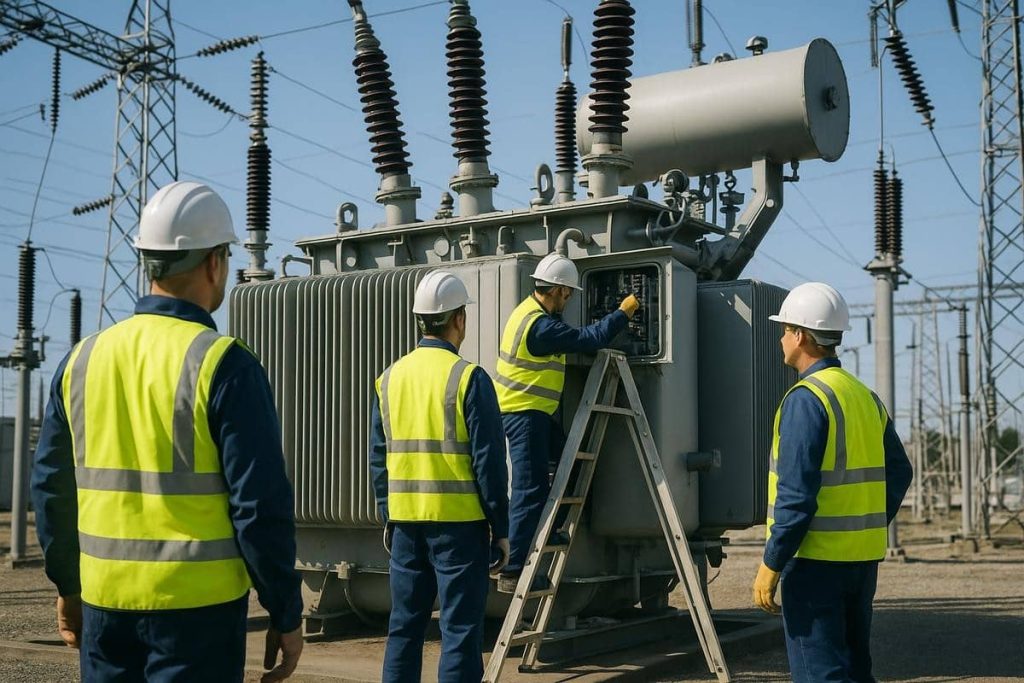
- Review transformer operating conditions. Examine loading, temperature, cooling performance and recent maintenance records.
- Arrange further diagnosis when necessary. Use appropriate electrical tests, inspections or additional monitoring to investigate suspected internal faults.
- Select maintenance measures based on the findings. Determine whether the issue requires closer monitoring, internal inspection or insulating-liquid treatment.
Oil treatment should not replace investigation of an ongoing transformer fault. Filtration or degassing may improve certain liquid properties, but it cannot repair damaged insulation, loose connections or internal electrical defects.
What Are the Limitations of IEC 63585:2026 in Practical Transformer Diagnosis?
Although IEC 63585:2026 provides a dedicated framework for ester DGA interpretation, its results still require engineering judgment.
Three limitations deserve attention:
- Database limitations: Reference values depend on the equipment population and available test data. They should not be treated as universal limits for every transformer.
- Liquid formulation differences: Natural and synthetic esters are not interchangeable. Results should be interpreted with the correct liquid category and relevant operating information.
- Diagnostic uncertainty: DGA can indicate possible abnormal conditions, but it cannot independently confirm every internal transformer fault.
The standard also identifies limited information for equipment using mono-esters and blended esters, which are addressed separately in its annex material. For this reason, IEC 63585:2026 should be used as a diagnostic reference, not as a substitute for transformer-specific engineering assessment.
How Does YUNENG Support Transformer Oil Testing and Ester Fluid Maintenance?
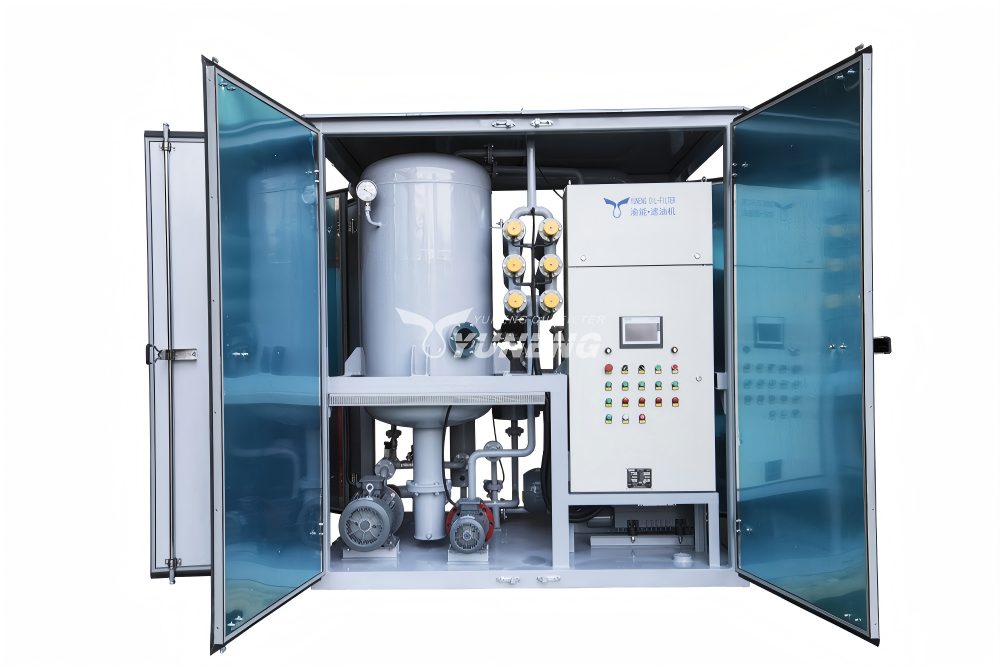
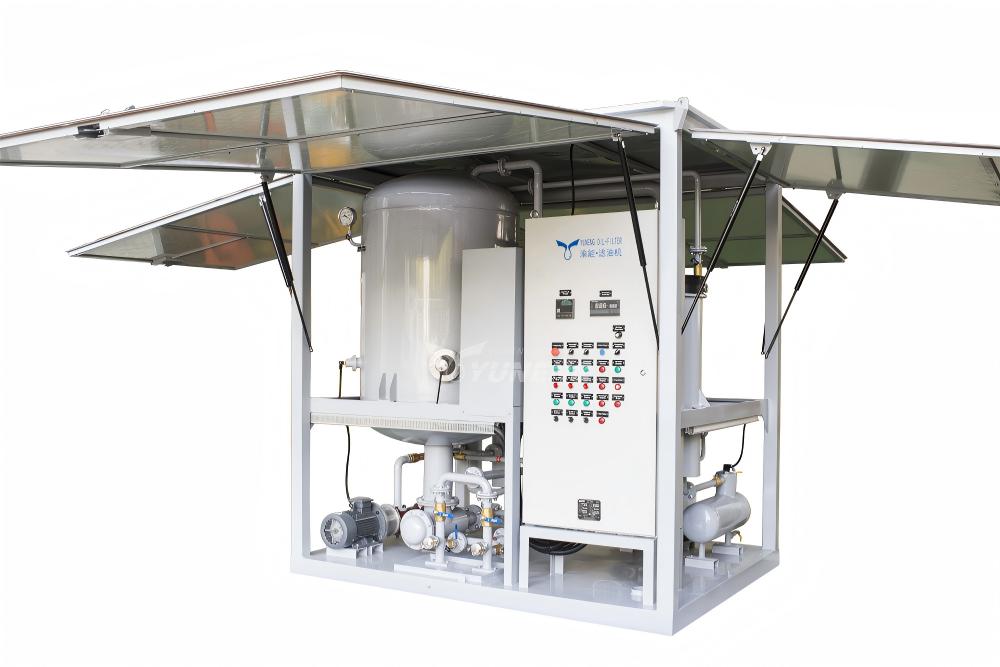
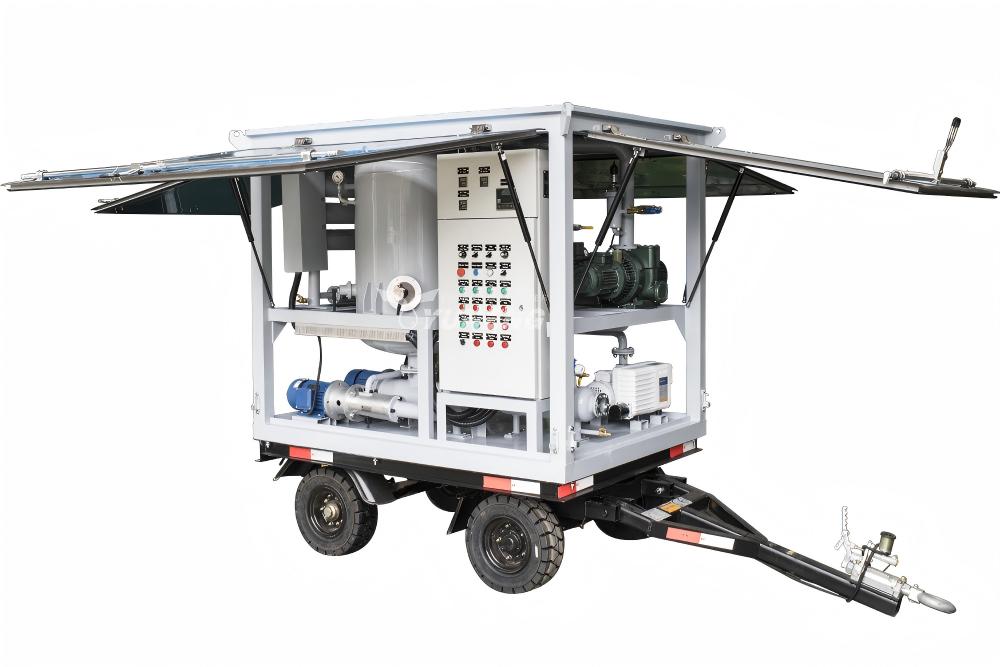
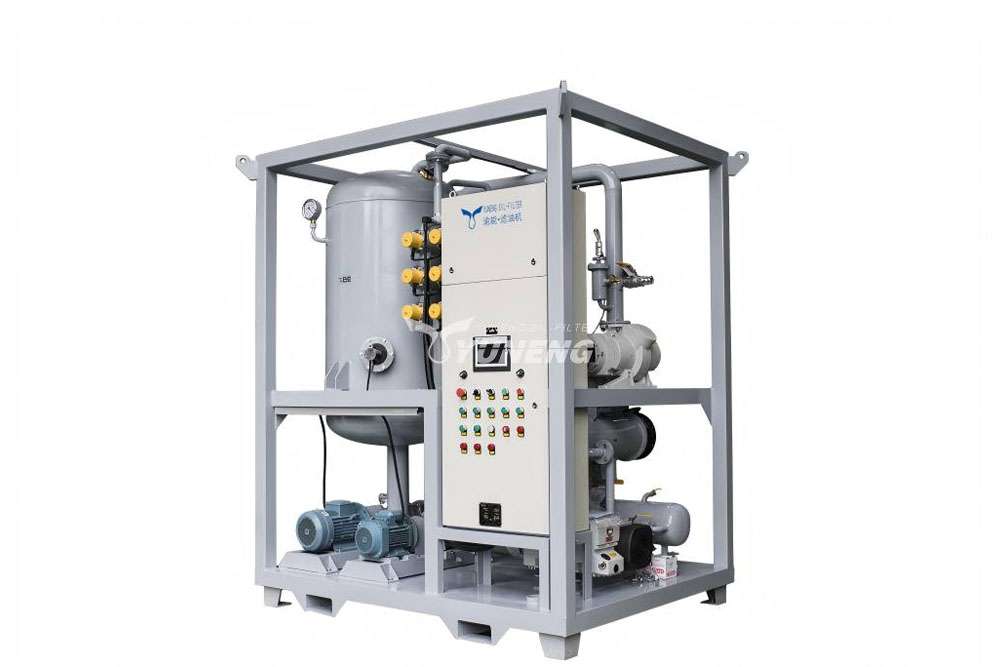
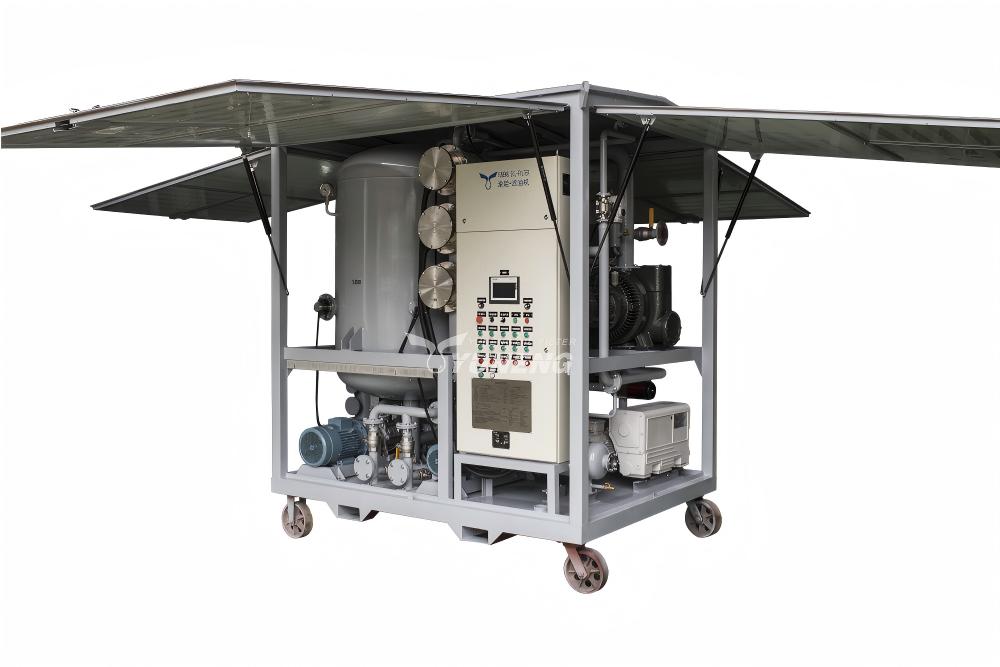
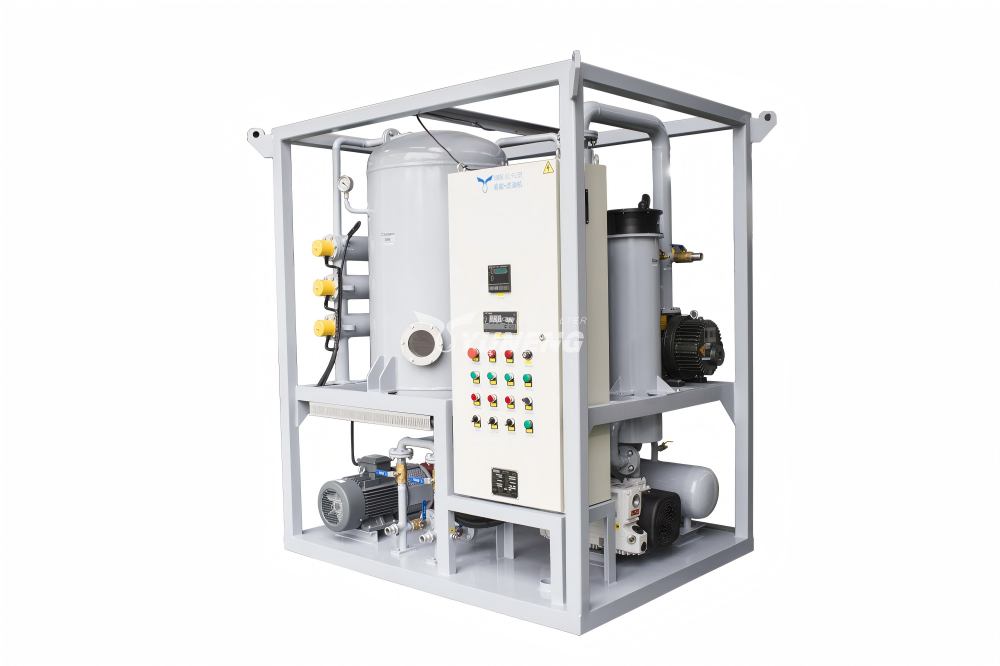
As a transformer oil purification equipment manufacturer, YUNENG provides equipment for insulating-liquid processing and transformer maintenance applications.
Depending on the liquid type, operating conditions and treatment objectives, relevant equipment may include:
- Transformer Oil Purifier for applicable oil purification and dehydration requirements.
- Transformer Oil Regeneration and Reclamation Machine for insulating liquids requiring regeneration treatment.
- Transformer Oil Purification System for integrated transformer oil processing applications.
Before handling ester insulating liquids, engineers should confirm material compatibility, sealing performance, operating temperature, and process configuration with equipment suppliers. Equipment suitability should be evaluated for specific ester formulations, rather than assuming from mineral oil applications.
YUNENG equipment can assist with maintaining insulating fluid. Fault diagnosis of transformers and decisions about transformer maintenance should still rely on laboratory analysis, as well as operational data and expert engineering evaluation.
Frequently Asked Questions
Q1: Why are there different interpretations of DGA for natural ester and synthetic ester insulated transformers?
Their chemical structure and physical properties are not only different from mineral oils, but also differ from each other. These differences will affect the generation patterns of gases and the interpretation of analysis results.
Q2: Can the DGA diagnostic criteria for mineral oil transformers be directly applied to ester-insulated transformers?
These standards should not be directly applied as fixed thresholds. Reference should be made to specialized guidance for ester insulating oils, such as the IEC 63585:2026 standard.
Q3: What suggestions does the IEC 63585:2026 standard provide for the interpretation of gas concentration and gas ratio?
This standard covers various interpretation methods for natural and synthetic esters, including concentration guidance based on percentiles, gas ratios, gas growth rates, and trend analysis.
Q4: Does an increase in dissolved gas content necessarily mean that there is a fault inside the transformer?
Not necessarily. The generation of gas may also be affected by the characteristics of insulating oil and operating conditions. Further evaluation is needed to determine the specific cause.
Q5: Can the vacuum degassing process eliminate the gas generated by the continuous faults inside the transformer?
The oil treatment process may be able to remove some dissolved gases, but it cannot eliminate the root cause of the malfunction. Before considering oil treatment as a thorough maintenance solution, it is necessary to conduct a thorough inspection of the transformer.
References and Sources
The article is an original technical explanation based on the scope and publicly available descriptions of the following standards.
- IEC 63585:2026 – Interpretation of dissolved gas analysis (DGA) in natural and synthetic esters. International Electrotechnical Commission (IEC), published July 24, 2026 – https://webstore.iec.ch/en/publication/91098
- IEC 62770:2024 – Unused natural esters for transformers and similar electrical equipment. International Electrotechnical Commission (IEC) – https://webstore.iec.ch/en/publication/70051
- IEC 61099:2010 – Specifications for unused synthetic organic esters for electrical purposes. International Electrotechnical Commission (IEC) – https://webstore.iec.ch/en/publication/4511
Note: IEC standards are copyrighted publications. Readers should consult the official documents for complete requirements, interpretation procedures and applicable technical guidance.