Transformer Maintenance 2026: Why Use Dry Air Generators & Transformer Oil Purifiers?

Power Utility Gas & Insulation Specialist
Table of Contents
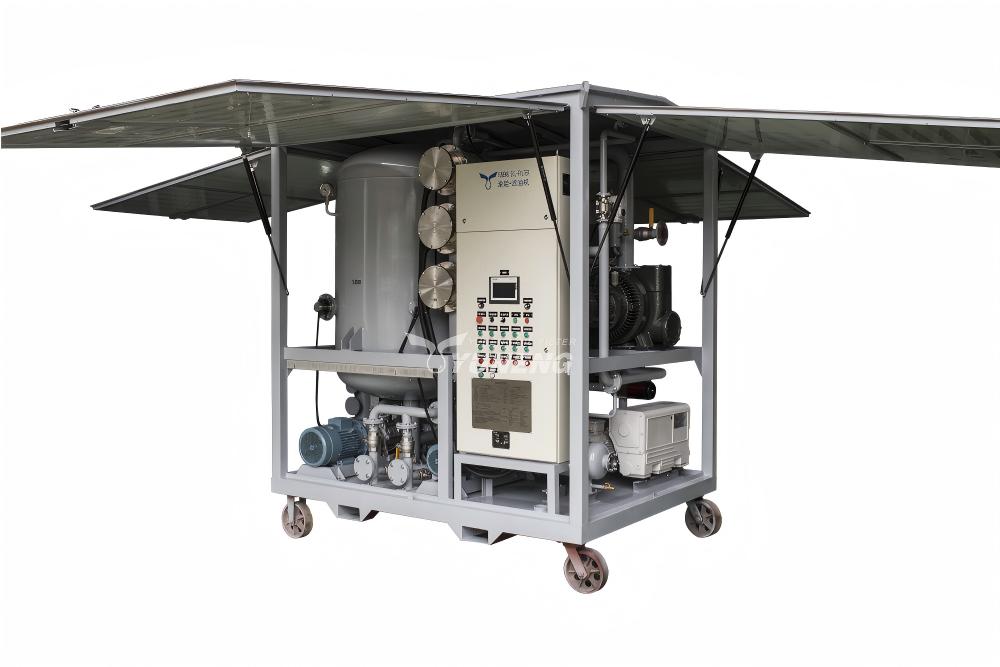
The stability of global power grids in 2026 faces increasing pressure due to the rapid expansion of high-voltage transmission networks and renewable energy integration, and the high-power demands of AI data centers. The dielectric strength of transformer insulation systems requires maintenance as an essential technical standard that protects against system breakdowns. The article examines both the technical specifications and maintenance procedures that create synergies between double-stage vacuum transformer oil purifiers and dry air generators used in modern electrical engineering systems.
Technical Standards for Transformer Oil Purification in 2026
Transformer oil functions as an electrical insulation material while also serving as a cooling agent. The process of thermal stress, oxidation, and electrical discharge results in the buildup of dissolved water and gases and particulate matter over time. The industry standard for high-voltage (EHV) and ultra-high-voltage (UHV) systems will require oil to fulfill particular purity standards by 2026 to guarantee operational reliability.
1. Performance Benchmarks for Double-Stage Vacuum Systems
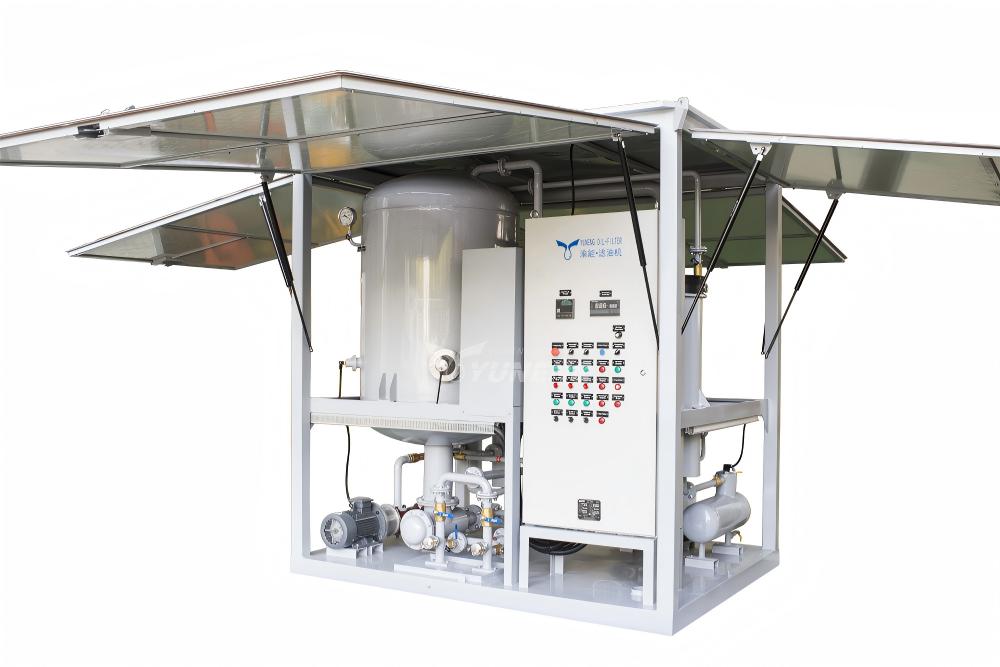
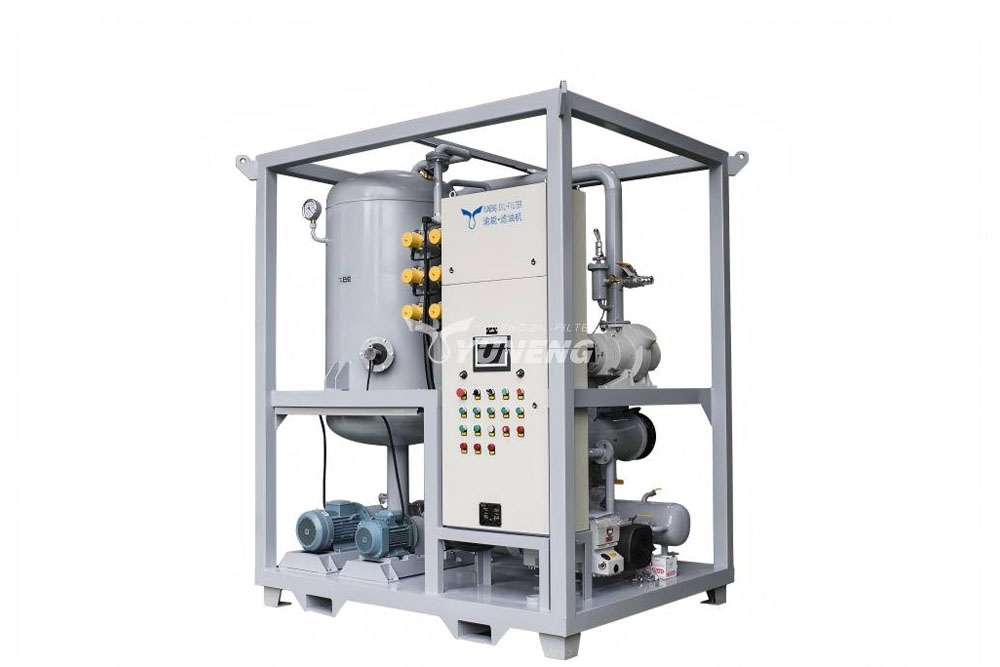
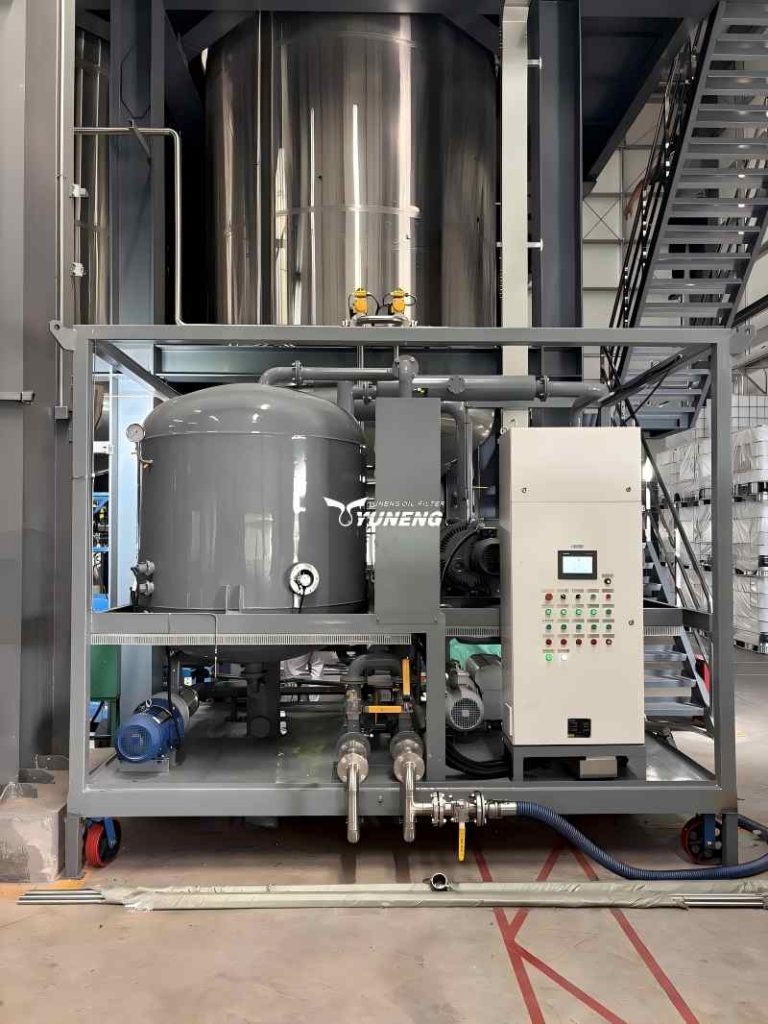
The ZJA series modern oil treatment plants use a double-stage vacuum system to provide their operations with better efficiency results than traditional single-stage systems. The technical requirements for these systems include:
- Final Water Content: Reduction to ≤3 PPM.
- Gas Content: Reduction to ≤0.1%.
- Breakdown Voltage (BDV): Improvement to ≥80 kV.
- Filtration Precision: Particulate removal down to ≤1 micron.
2. The Mechanism of Three-Dimensional Flash Evaporation
Double-stage transformer oil purifiers employ a Roots vacuum pump in series with a primary vacuum pump. This configuration increases the pumping speed and the vacuum degree (reaching ≤5 Pa absolute pressure). Inside the vacuum chamber, the transformer oil is distributed over a large surface area using specialized atomizing nozzles or Raschig rings. This process, known as three-dimensional flash evaporation, lowers the boiling point of water and gases, allowing them to escape the oil at temperatures between 45℃ and 65℃, thereby preventing thermal degradation of the oil itself.
Dry Air Generators: Preventing Internal Insulation Contamination
During transformer installation or major internal inspections (overhauls), the oil is drained, exposing the solid insulation—cellulose-based pressboard and paper—to the atmosphere. Cellulose is highly hygroscopic. If exposed to ambient air with high relative humidity, the insulation paper will absorb moisture, which significantly lowers the dielectric strength and accelerates the aging of the transformer.
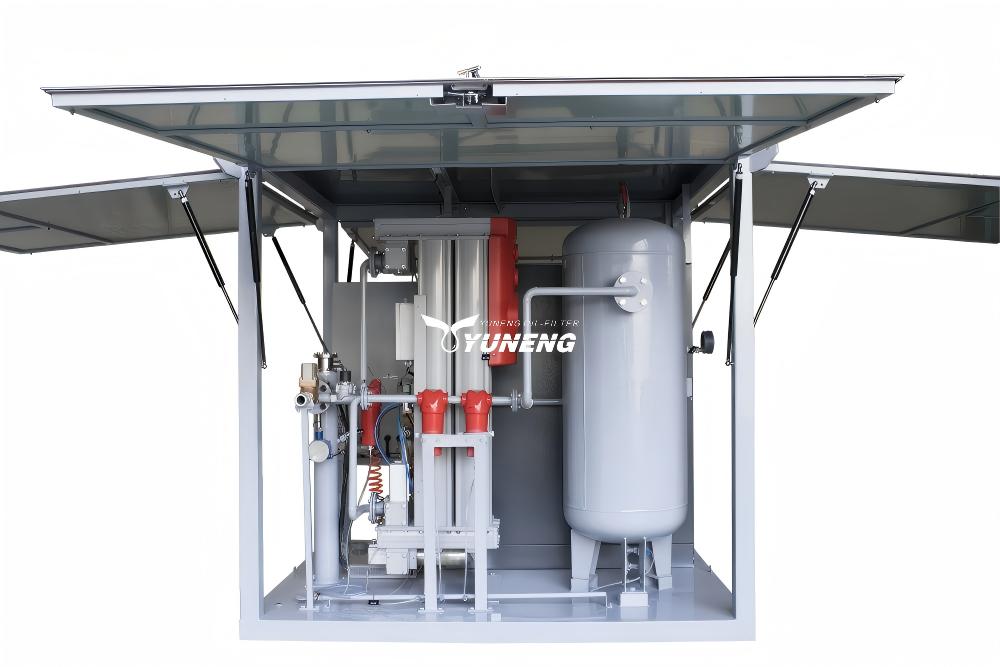
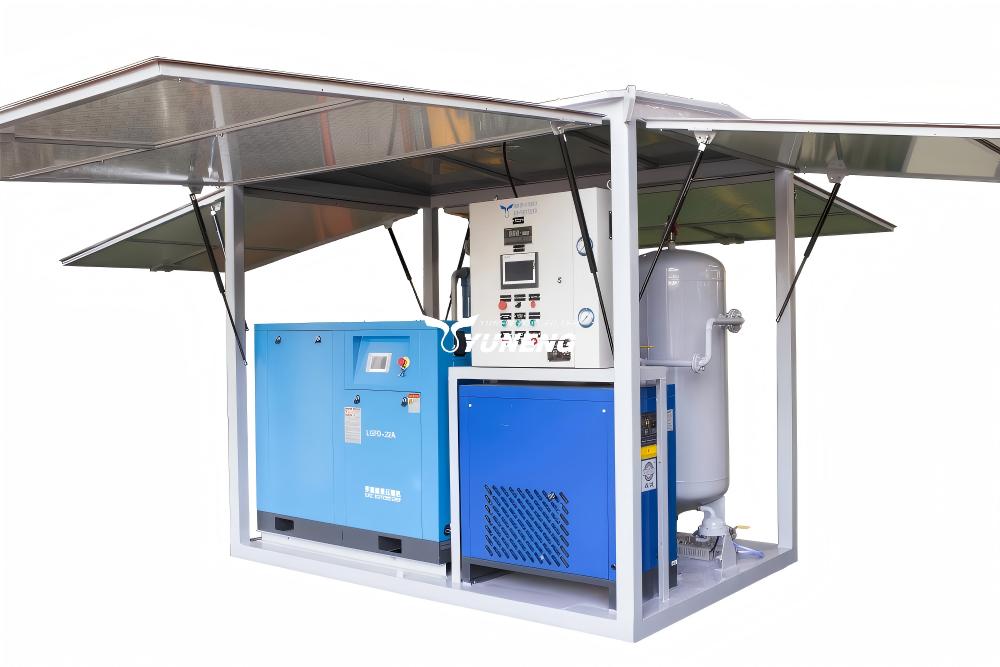
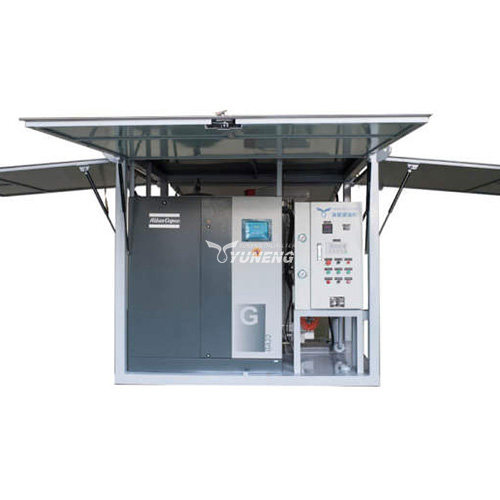
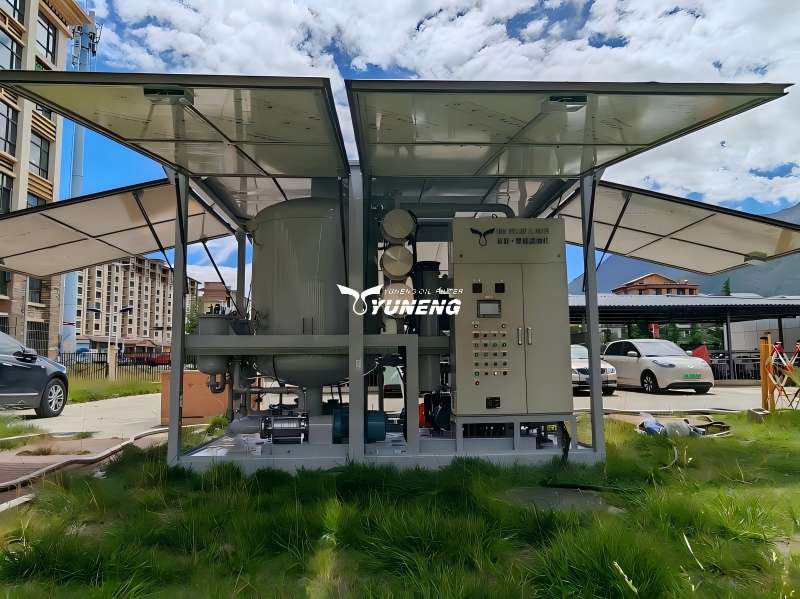
1. Product Specification: YUNENG GF Series Dry Air Generator
The YUNENG GF Series is specifically engineered to provide a continuous supply of high-purity, ultra-dry air during the assembly and maintenance of large power transformers and reactors. This series serves as a technical alternative to expensive and potentially hazardous nitrogen-filling methods.
Core Technical Specifications of the GF Series:
- Dew Point Performance: The system achieves a constant dew point output between −50℃ and −70℃, which maintains the air supply moisture content at levels below 10ppm.
- Triple-Stage Filtration: The system uses advanced filtration systems, which include precise filters that eliminate oil mist, water droplets, and solid particulates. The final stage provides filtration accuracy of 0.01μm, meeting ISO 8573-1 Class 1 standards for compressed air purity.
- Integrated Drying Technology: The system combines for its operation refrigerated dehydration with twin-tower desiccant adsorption through molecular sieve technology. The system operates continuously for 24 hours because the automatic regeneration cycle enables it to run without needing any manual tasks.
- Air Delivery Capacity: The system provides various operational options that include air delivery capacities between 50m3/h and 360m3/h, which enables quick pressurization of all UHV transformer tanks.
- Intelligent Monitoring: The system contains an online dew point analyzer and precise flow meters for intelligent monitoring purposes. The PLC control system monitors outlet pressure and temperature in real-time, ensuring the air entering the transformer is within the optimal range of 20℃ to 35℃ to prevent thermal shock or condensation.
2. Operational Benefits Over Nitrogen Filling
Historically, nitrogen was used to prevent oxidation and moisture ingress. However, the GF Series dry air generators offer specific advantages:
- Safety of Employees: Nitrogen can suffocate people. Technicians can safely enter the transformer tank without needing outside oxygen supplies by using dry air (21% oxygen). This removes the risk of suffocation.
- Operational Efficiency: The constant flow of dry air means that nitrogen purging and oxygen monitoring don’t have to be done over and over again. This cuts the total amount of time needed for maintenance by 20% to 30%.
- Cost Reduction: Making dry air from the atmosphere costs about 60% less than the costs of getting, transporting, and renting high-pressure nitrogen cylinders.
3. Synergistic Application with Oil Purifiers
The GF Series is designed to work in tandem with double-stage vacuum oil purifiers. While the oil purifier extracts dissolved water from the liquid insulation, the GF Series provides a “dry blanket” of positive pressure (0.02-0.03 MPa) inside the tank. This pressure gradient not only prevents ambient moist air from entering through seals or open manholes but also actively promotes the migration of moisture from the deep layers of the cellulose insulation to the dry air, which is then vented or circulated.
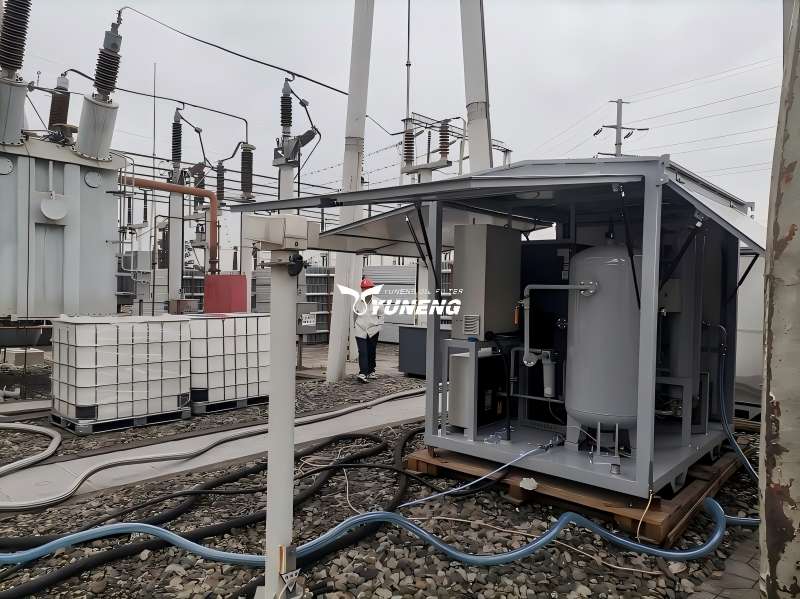
Synergistic Maintenance Protocol: Integration of Dry Air Generator and Oil Purifiers
The most effective maintenance strategy involves the simultaneous operation of the dry air generator and the double-stage vacuum transformer oil purifier. This integrated approach addresses both the liquid and solid insulation components.
1. Phase 1: Preparation and Internal Protection
Before draining the oil, the dry air generator is connected to the transformer’s top valves. As the oil is discharged into a storage tank, dry air is pumped in to fill the resulting void. This ensures that the internal transformer core is never exposed to ambient humidity. The dry air creates a “dry blanket” with an extremely low partial pressure of water vapor, which can even extract residual moisture from the surface of the windings.
2. Phase 2: High-Vacuum Oil Circulation
Once the oil is drained, the double-stage vacuum transformer oil purifier treats the oil in the storage tank. After initial purification, the oil is circulated back into the transformer. During this circulation phase, the dry air generator continues to maintain positive pressure. The vacuum system of the purifier removes dissolved gases and moisture from the oil, while the dry air prevents re-contamination from the top of the tank.
3. Phase 3: Final Indicators and Monitoring
The process continues until the online sensors—integrated into the PLC (Programmable Logic Controller) of the purifier—confirm that the oil meets the required PPM and BDV levels. In 2026, the systems received IIoT (Industrial Internet of Things) modules, which enabled engineers to monitor dew point and oil purity through remote cloud platforms in real time.
Economic and Structural Reliability Analysis
The use of high-performance maintenance equipment is a technical necessity for modern power systems. The degradation of transformer insulation is an irreversible chemical process. Every 1% increase in the moisture content of the insulation paper can halve the remaining life of the transformer.
1. Asset Life Extension
The aging rate of cellulose insulation gets reduced through moisture control, which maintains levels under 3 PPM, and through dry maintenance practices. The operational lifespan of a power transformer extends 10 to 15 years through this process, which postpones expensive equipment replacement.
2. Risk Mitigation in High-Load Environments
Data centers and industrial manufacturing plants require 24/7 power availability. The ZJA and GF series equipment provides the technical precision required to handle the high thermal loads associated with these facilities. The oil purification process operates efficiently to maintain the cooling properties of the oil, which stops hot spots from forming and causing insulation failure.
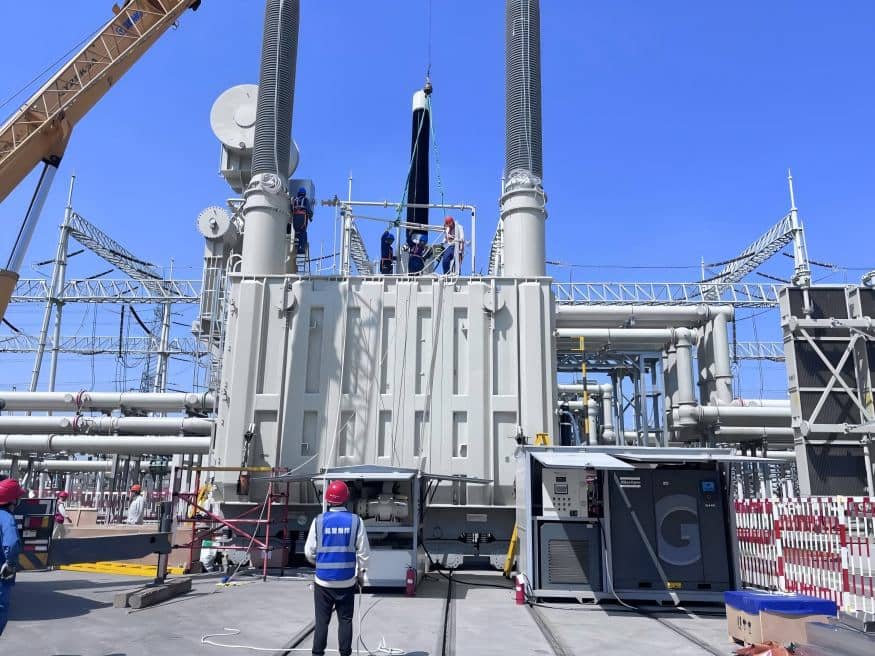
Summary of Technical Selection Criteria
When selecting equipment for transformer maintenance in 2026, the following technical criteria must be prioritized:
- Dual-Stage Vacuum Capacity: Ensure the system includes a mechanical booster (Roots) pump to handle the gas load of large transformers.
- Automated Control Systems: PLC-based systems with automatic shut-off and monitoring prevent human error during the filtration process.
- Low Dew Point Stability: Dry air generators must be capable of maintaining a −70℃ dew point even in environments with 90% relative humidity.
- Compliance: All equipment must adhere to international standards such as IEC 60422 for oil maintenance and ISO 8573-1 for compressed air quality.
The technology integration establishes a new approach that focuses on asset maintenance. The combination of a double-stage vacuum oil purifier and a dry air generator system provides maximum protection for essential power system components.
FAQ: Technical Quick Reference
Q: Can a dry air generator remove moisture already trapped in the paper insulation?
A: Yes. The system creates a vapor pressure gradient through its operation, which maintains uninterrupted airflow at a dew point of −70°C. The drying process of solid insulation occurs when moisture migrates from the paper, which has high moisture content, to the dry air, which contains lower moisture levels.
Q: What is the optimal temperature for transformer oil filtration?
A: The ideal temperature range for this process exists between 45°C and 65°C. Hot oil circulation is 80°C.
Q: Is nitrogen still required if a dry air generator is available?
A: For active maintenance and installation, dry air is superior due to safety and cost. Nitrogen is typically reserved for long-term storage of transformer tanks where no power is available to run a generator.