Can Fuller’s Earth Be Reactivated? Transformer Oil Regeneration Guide

Oil Purification & Vacuum Technology Expert
Table of Contents
Transformer oil regeneration is one of the most effective methods to extend the service life of a transformer, restore the performance of insulating oil, and reduce maintenance costs. The Fuller’s Earth, a highly porous adsorbent, is used in this process to remove oxidation products, acids, sludge and other polar contaminants from aged transformer oil.
A frequently asked question from maintenance engineers and utility operators is:
Can Fuller’s Earth Saturated Be Re-Activated?
The answer is yes. Fuller’s Earth can be thermally reactivated and reused many times over under controlled conditions. Modern transformer oil regeneration machines with an integrated adsorbent reactivation system make possible a drastic reduction of operating costs and stable oil treatment performance.
This guide talks about the function of Fuller’s Earth, the reactivation process, the replacement schedule, and how advanced transformer oil regeneration equipment extends the useful life of the earth.
What Is Fuller’s Earth?
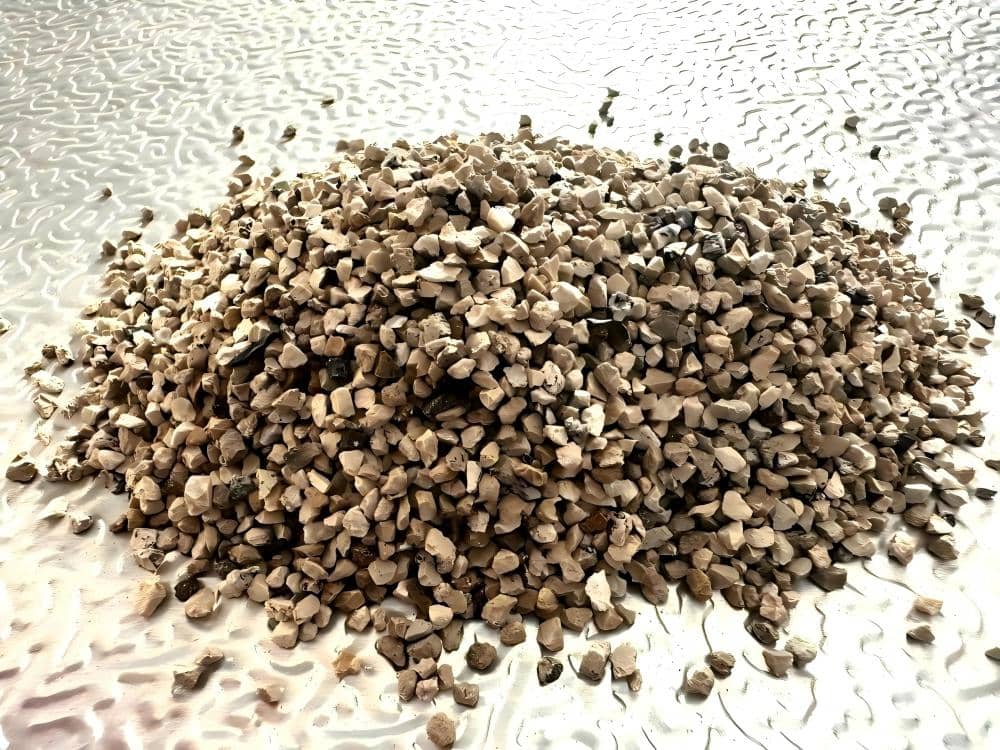
Fuller’s Earth is a naturally occurring sedimentary clay mineral, which has a high specific surface area and an internal porous structure. Industrial-grade Fuller’s Earth today consists primarily of hydrous aluminum silicates such as smectite, attapulgite, and montmorillonite minerals. It is named for its historic use for the “fulling” or cleaning of woolen cloth. This is made up of a microscopic network of interconnected pores, which has a large internal surface area. It is thus capable of trapping molecular impurities by physical adsorption and chemisorption.
When put to work in a specialized transformer oil regeneration machine, Fuller’s Earth acts as an active molecular sieve. Its main function is to selectively kill:
- Organic Acids: Naphthenic acids and low molecular weight carboxylic acids which cause corrosion of the internal metallic windings.
- Oxidation Products: Peroxides, hydroperoxides and polar carbonyl compounds which promote further oil degradation.
- Asphaltic Sludge: Sticky polymers with high molecular weight that are deposited on core structures and decrease cooling efficiency.
- Polar contaminants: Moisture complexes and dissolved polar molecules which reduce the electrical insulation resistance.
- Color Bodies: Oxidation polymers of a dark color that reduce optical clarity and are indicative of advanced oil aging.
Why Does Fuller’s Earth Become Saturated?
During prolonged continuous filtration cycles, transformer oil is pumped through columns packed with Fuller’s Earth granules. As contaminated oil permeates the porous network, polar molecules are forcefully drawn to the active internal sites of the clay via van der Waals forces and chemical bonding. Over time, however, the continuous influx of contaminants progressively occupies and chokes the microscopic pore channels. The primary drivers of saturation include:
- Accumulation of Organic Acids: Acid molecules saturate the active basic and neutral adsorption sites on the clay surface.
- Asphaltic Sludge Deposition: Large colloidal particles physically block narrow pore entrances, preventing oil molecules from accessing deeper internal surface areas.
- Oxidized Compounds and Carbon Particles: Fine particulate matter accumulates within the interstitial spaces, increasing hydrodynamic flow resistance and internal pressure drops.
On saturation, the performance of the adsorbent is found to decrease rapidly. Operators observe that the acid number (neutralization value) of the treated oil does not fall below critical levels, dielectric loss tangent values are still high, and the color of the oil does not improve. At this point, the adsorbent is no longer effective in cleaning the oil, and it must be thermally reactivated or replaced.
Can Fuller’s Earth Be Reactivated?
Yes. Under controlled thermal conditions, spent Fuller’s Earth can be successfully reactivated and reused across multiple operational cycles. The regeneration of Fuller’s Earth is based on the science of high-temperature desorption. The saturated clay is heated to high temperatures in a controlled environment where the organic acids, moisture, and volatile oxidation byproducts trapped in the pore matrix are thermally broken down, vaporized, and purged. After complete removal of the contaminants, the internal pore structure is again opened, and a large part of the adsorptive surface area of the original material is restored.
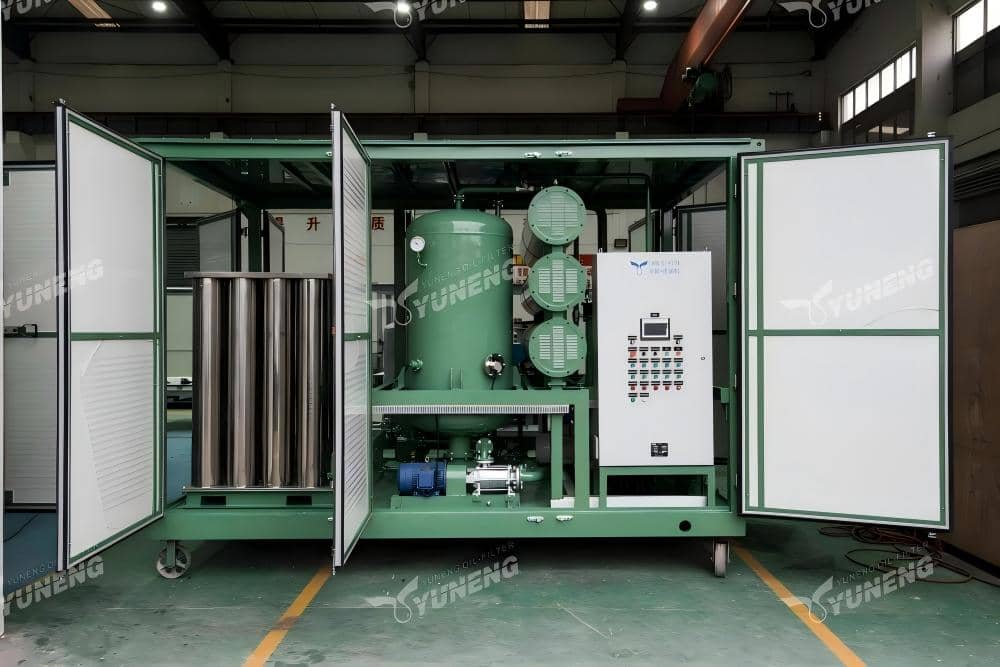
However, it is vital to recognize that not all transformer oil purification systems possess this capability. Conventional filter press units or basic degasification plants are strictly designed for particulate filtration and vacuum dehydration; they lack the high-temperature thermal chambers required for adsorbent reactivation. Modern high-end reclamation systems, conversely, incorporate specialized thermal regeneration vessels designed to safely execute this delicate recycling process without degrading the clay’s structural integrity.
How Is Fuller’s Earth Reactivated?
The transformer oil regeneration process involving adsorbent reactivation follows a strict thermodynamic sequence. Precise temperature control is paramount: if the reactivation temperature is too low, organic contaminants remain trapped within the pores; if the temperature is excessively high, the clay mineral undergoes irreversible crystalline phase changes, destroying its porosity.
| Used Fuller’s Earth (Saturated Adsorbent)↓ |
| Controlled Heating Phase (Thermal Chamber)↓ |
| Moisture Evaporation & Volatile Release↓ |
| Oxidation Contaminants & Sludge Desorption / Combustion↓ |
| Controlled Cooling & Inerting↓ |
| Ready for Reuse in Reclamation Cycle |
The thermal cycle first evaporates moisture at temperatures of between 100° and 150° C. Then the organic acids and complex oxidation polymers are treated by controlled pyrolysis and oxidation at elevated temperatures from 350°C to 500°C in an oxygen-controlled atmosphere. This ensures that all the carbonaceous deposits are removed without burning or fusing of the clay particles.
How Many Times Can Fuller’s Earth Be Reused?
Fuller’s Earth cannot be recycled indefinitely. With each successive thermal reactivation cycle, minor structural sintering occurs, causing a gradual reduction in specific surface area and pore volume. The typical life cycle performance is outlined below:
| Reactivation Cycle | Adsorption Performance | Recommended Action |
| 1 – 50 Cycles | Excellent (90% – 95% of fresh capacity) | Continue routine operation and monitoring. |
| 50 – 150 Cycles | Very Good (75% – 90% capacity) | Perform regular oil quality and acid monitoring. |
| 150 – 250 Cycles | Good (60% – 75% capacity) | Closely check acid removal efficiency and flow rates. |
| 250 – 300 Cycles | Acceptable (50% – 60% capacity) | Consider partial or total replacement based on oil incoming acidity. |
| Beyond Design Limit (>300) | Reduced / Sintered (<50% capacity) | Replace with new Fuller’s Earth adsorbent immediately. |
Actual operational longevity is heavily influenced by incoming oil contamination levels, operating temperatures, moisture exposure, and equipment robustness.
Benefits of Reactivating Fuller’s Earth
Utilities and heavy industrial plants reap considerable financial, environmental, and engineering benefits from an active adsorbent regeneration strategy:
- Reduced Operating Cost: Significantly reduces the recurring cost of buying, shipping, and storing virgin Fuller’s Earth adsorbent.
- Reduced Waste Generation: Minimizes the amount of hazardous solid waste disposal, making the plant operations compliant with stringent environmental regulations and green ESG requirements.
- Longer Equipment Service Life: Minimizes maintenance downtime and operational disruptions, providing continuous availability of transformer fleet and grid stability.
- Stable Oil Quality: Ensuring stable control of the total acid number (TAN) and dielectric dissipation factors to prevent early aging of vital power transformers.
When Should Fuller’s Earth Be Replaced?
Despite the viability of multi-cycle activation, operators must identify when Fuller’s Earth has reached the end of its functional life cycle. Definite indicators for total adsorbent replacement include:
- Ineffective Acid Removal: Processed oil consistently fails to meet target neutralization values (TAN < 0.03 mg KOH/g) despite completed thermal cycles.
- Excessive Pressure Drop: Hydraulic resistance across the adsorption column increases significantly due to structural collapse or particulate compaction.
- Persistent Dark Color: The treated oil fails to achieve optical clarity improvements, indicating that high-molecular-weight chromophores can no longer be adsorbed.
- Unrecoverable Adsorption Capacity: Laboratory testing indicates that specific surface area has dropped below minimum engineering thresholds following reactivation.
- Manufacturer Service Limit: The material has reached the maximum recommended cumulative thermal reactivation cycle count prescribed by equipment engineering guidelines.
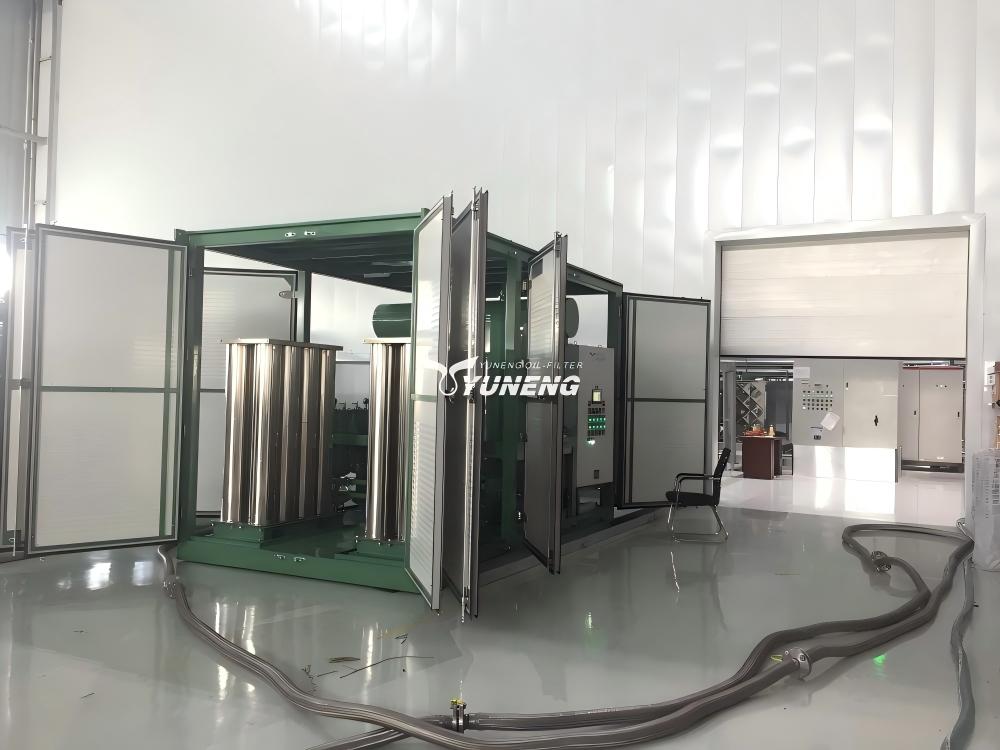
How the YZS Transformer Oil Regeneration Machine Improves Efficiency
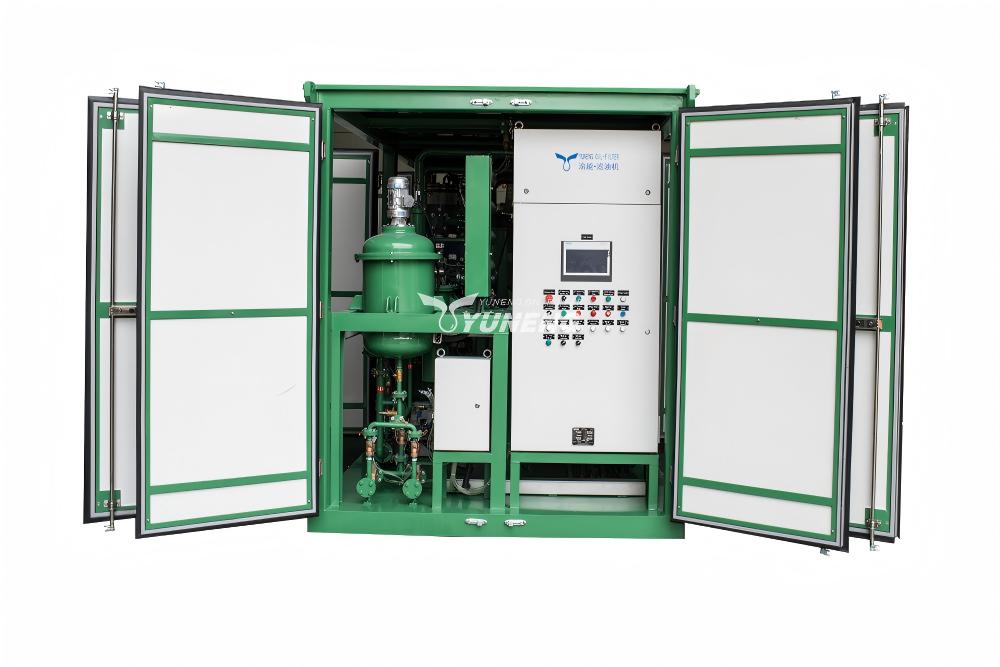
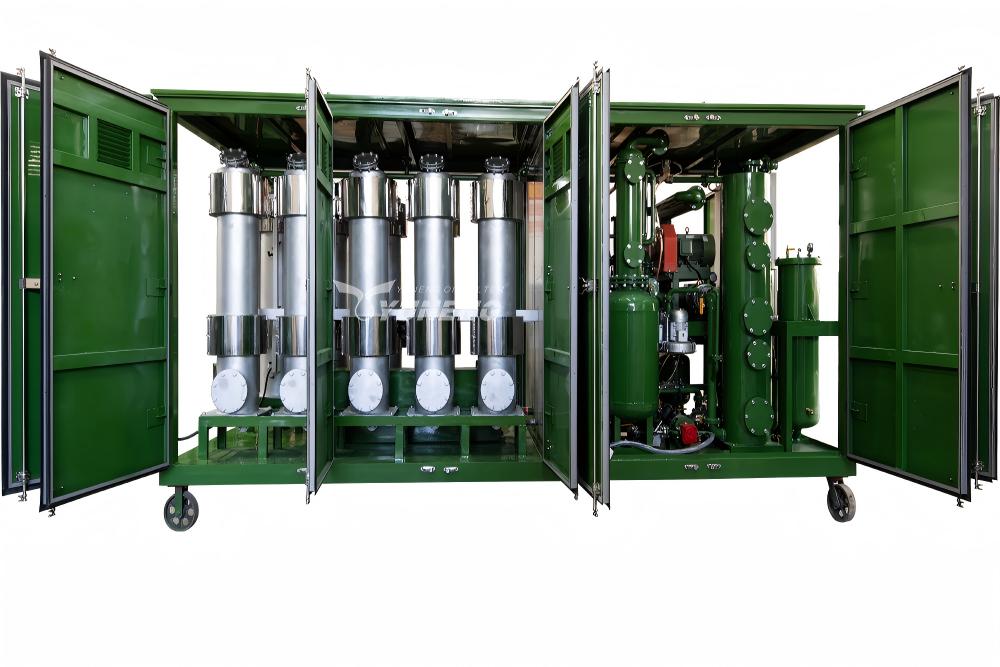
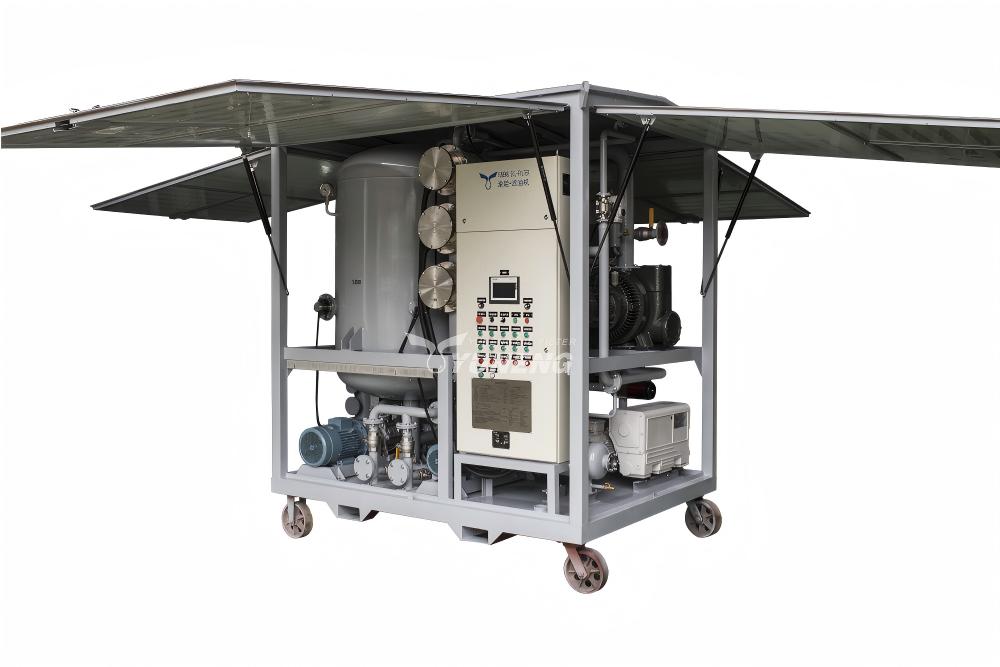
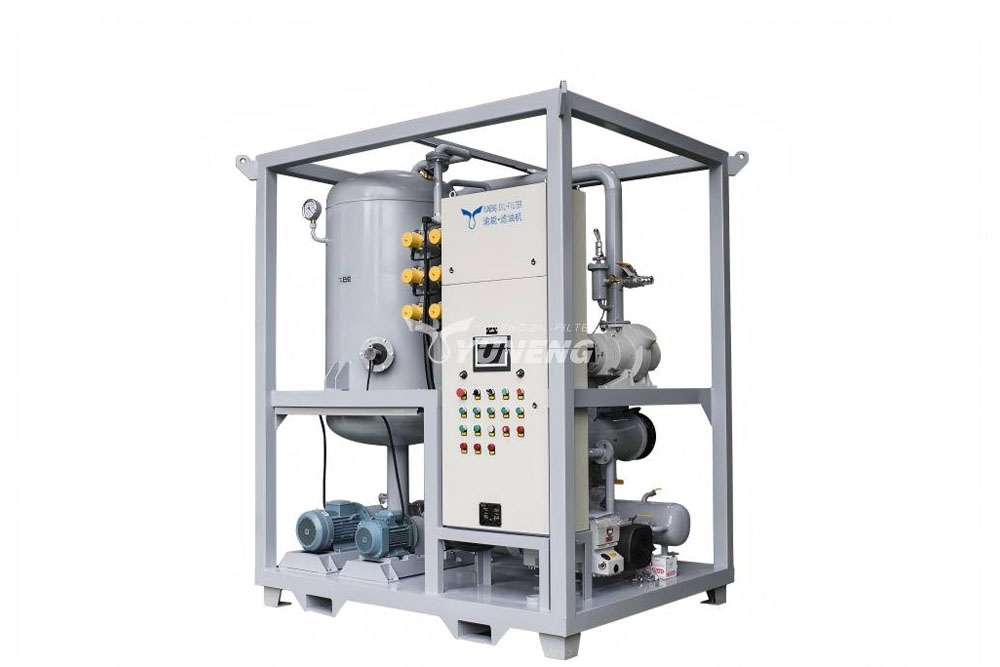
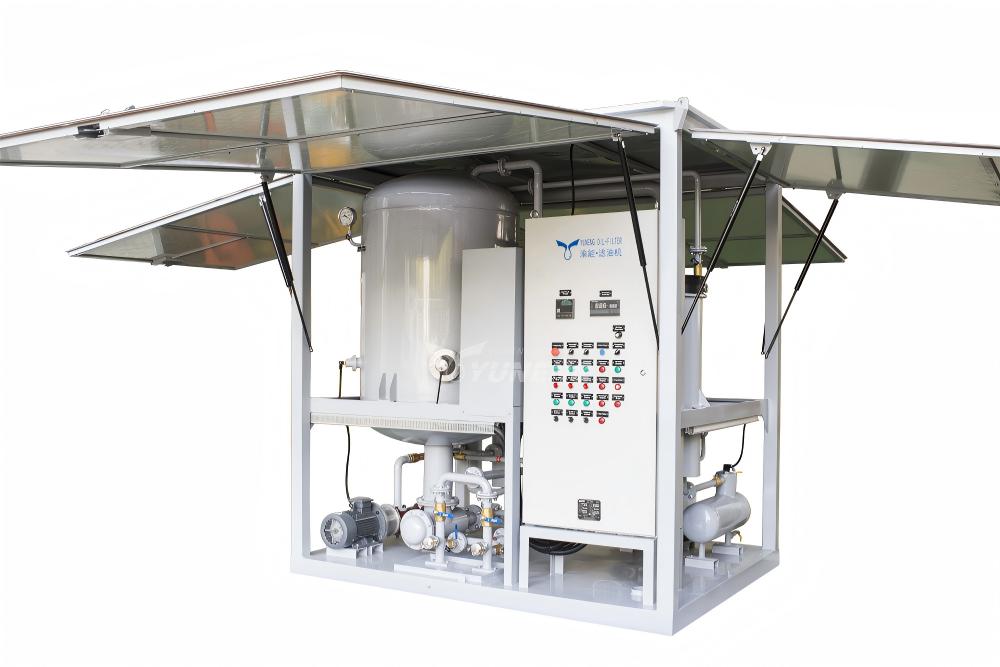
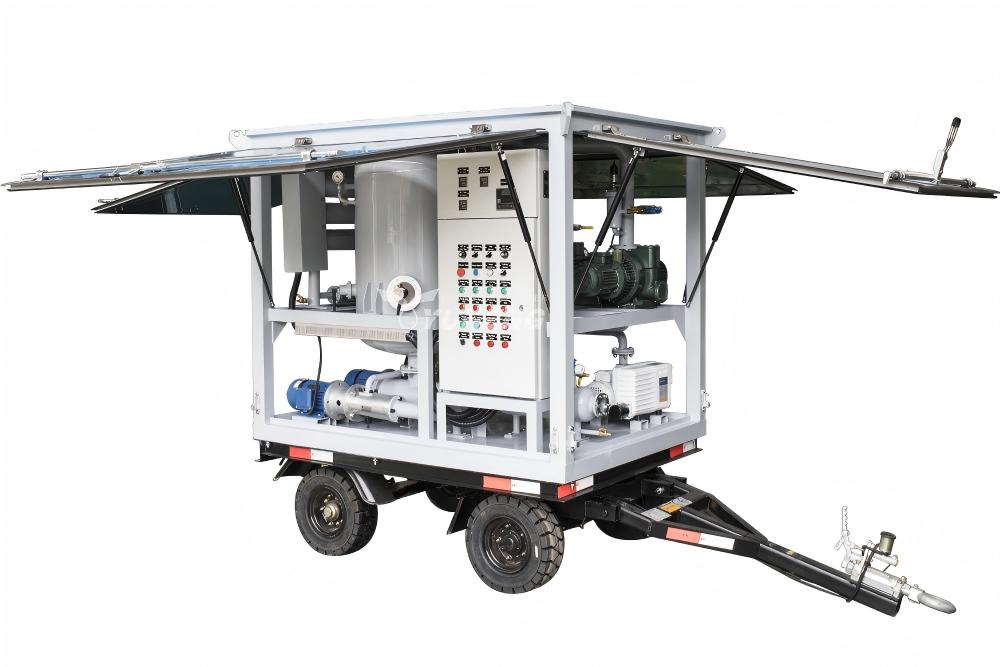
To maximize the economic and technical benefits of adsorbent recycling, deploying an advanced processing solution such as the YZS Series Transformer Oil Regeneration Machine is essential. Engineered for high-throughput power maintenance operations, the YZS series integrates cutting-edge features designed specifically for modern transformer oil reclamation:
1. High-Efficiency Adsorption System
The YZS series utilizes multi-stage adsorption columns optimized for fluid dynamics. This design ensures maximum contact time between contaminated oil and active Fuller’s Earth granules, driving up the removal efficiency for polar acids, soluble oxidation products, and sludge contaminants.
2. Integrated Reactivation Technology
Unlike conventional reclamation units that require labor-intensive manual dumping and replacement of spent clay, the YZS system features an automated thermal reactivation chamber. This enables closed-loop adsorbent regeneration on site, dramatically reducing operator handling risks, maintenance labor, and consumable overhead.
3. Optimized Operating Economics
By extending the fuller’s earth life cycle through repeated thermal reactivation, the YZS machine slashes annual adsorbent replenishment costs by up to 70%. Furthermore, minimized solid waste handling substantially cuts hazardous disposal tariffs.
4. Continuous Oil Quality Improvement
Combining vacuum dehydration, micro-filtration, degassing, and reactive adsorption, the YZS system restores critical oil parameters—including dielectric breakdown voltage (BDV), interfacial tension (IFT), and Tan Delta—to pristine, factory-new specifications, maximizing transformer operational safety.
FAQs
Q: Can Fuller’s Earth be reused after oil regeneration?
A: Yes. When properly reactivated under controlled thermal conditions, Fuller’s Earth can be reused across multiple cycles before structural degradation requires final replacement.
Q: Does reactivated Fuller’s Earth perform like new?
A: Its adsorption efficiency remains exceptionally high after initial reactivation (typically 90%–95% of fresh capacity), though performance experiences a gradual, predictable decline over many successive cycles.
Q: How do I know when replacement is necessary?
A: If acid removal efficiency, oil color correction, and specific surface area fail to recover following a standard thermal reactivation cycle, complete adsorbent replacement is strongly recommended.
Q: Can all transformer oil regeneration machines reactivate Fuller’s Earth?
A: No. Only specialized systems equipped with integrated thermal reactivation chambers and precise temperature control are capable of regenerating spent adsorbent.
Q: What are the benefits of using a machine with adsorbent reactivation?
A: It significantly lowers operating expenditures, reduces hazardous waste disposal volumes, minimizes operational downtime, and extends adsorbent service life for superior long-term cost efficiency.