Why Transformer Oil Regeneration is the Decarbonization Key in 2026

Oil Purification & Vacuum Technology Expert
Table of Contents
The worldwide power network in 2026 faces two primary objectives, which require it to preserve electrical system stability during rising power needs while reaching strict environmental sustainability goals. The management system for dielectric fluids evolved from its previous state as routine maintenance work into a vital element that protects assets in their entirety. The electrical sector now views transformer oil regeneration as its main technological solution because it fulfills two essential roles that drive both cost savings and environmental sustainability for the industry.
Part 1: Decarbonization and Life Cycle Assessment (LCA)
The environmental impact of insulating oil is traditionally measured by its life cycle, from crude oil extraction and refining to transport and eventual disposal. The year 2026 marked a new era for utility companies because they needed to reduce their “Scope 3” emissions through circular economy principles, which became their main operational focus.
Refining one metric ton of new mineral-based transformer oil involves energy-intensive processes, including atmospheric and vacuum distillation, solvent extraction, and hydrotreating. These processes, combined with the logistics of global distribution, result in a significant carbon footprint. In contrast, transformer oil regeneration utilizes specialized mobile or stationary units to treat the oil on-site. According to 2026 Life Cycle Assessment (LCA) data, on-site regeneration reduces carbon emissions by approximately 85% to 90% compared to the production and procurement of new oil.
Furthermore, the European Union’s Circular Economy Act of 2026 now mandates specific recovery rates for industrial lubricants and dielectric fluids. By utilizing a transformer oil regeneration machine, utilities can convert what was previously classified as “hazardous waste” back into a high-performance asset, effectively achieving a closed-loop resource cycle and avoiding the environmental risks associated with waste oil disposal and soil contamination.
Part 2. Extending the Physical Life of Power Transformers
Transformer oil operates through its main function, which provides both electrical insulation and thermal cooling. The oil experiences oxidative degradation during its operational period because of temperature exposure, oxygen presence, and catalytic reactions with copper and steel materials. The degradation process creates polar impurities together with organic acids and insoluble sludge, which forms in the system.
The solid insulation, which consists of cellulose paper inside transformers, faces severe damage because of these oxidation by-products. The paper fibers break down through hydrolytic degradation because acids function as a catalytic agent, which lowers their polymerization degree (DP). The paper loses its mechanical strength when its DP value drops beneath 200, which results in the complete failure of insulation and ends the transformer’s operational life.
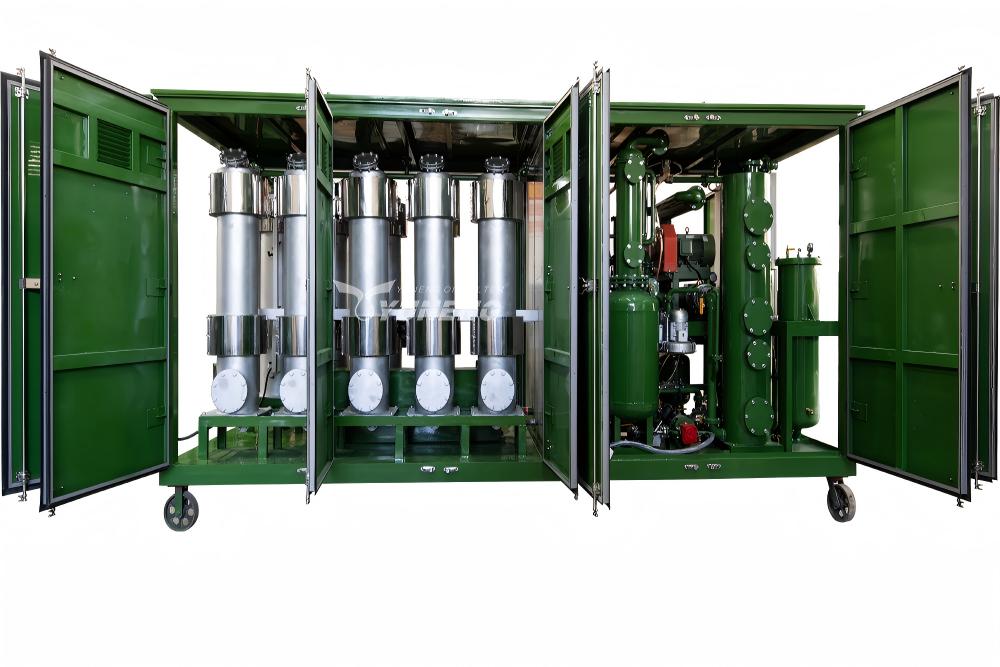
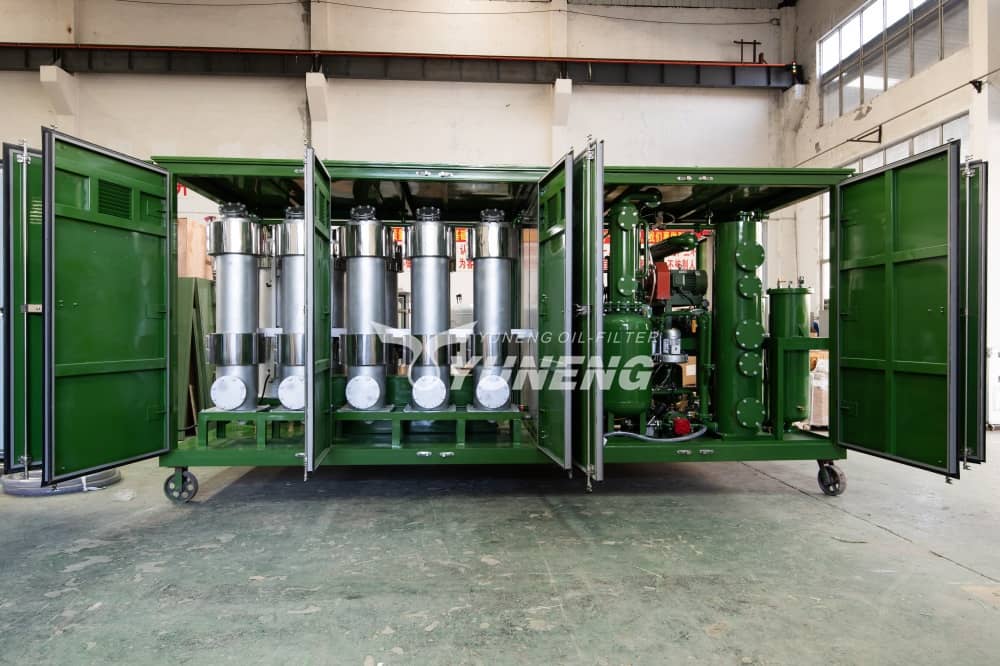
A transformer oil regeneration machine performs a function that standard vacuum dehydration and filtration systems cannot: the removal of these chemical contaminants. Through a process of adsorption—often using Fuller’s Earth or modern synthetic bauxite—the regeneration system extracts acids, peroxides, and sludge.
When performed as an “online” process, the regenerated oil acts as a solvent. As the clean, unsaturated oil circulates through the transformer, it dissolves the sludge deposits previously trapped in the windings and cooling fins, carrying them back to the machine’s adsorption columns. This “chemical stripping” effect restores the cooling efficiency of the unit and halts the accelerated degradation of the solid insulation. Empirical data from 2025 and 2026 maintenance cycles indicate that timely regeneration can extend the functional life of a power transformer by 10 to 15 years, significantly deferring capital expenditure (CAPEX) for equipment replacement.
Part 3. Supply Chain Resilience and Resource Security
The worldwide energy market experienced heavy price swings during 2026 because international political conflicts created obstacles for obtaining quality naphthenic and paraffinic base oils. National power grids face threats because their mineral oil imports expose them to both delivery system instability and unpredictable market pricing.
The concept of the “Urban Mine” applies directly to the existing volume of insulating oil currently in service. By treating the oil within the transformer as a renewable asset, utilities insulate themselves from external market shocks. The transformer oil regeneration process ensures that the inventory of oil remains within the grid infrastructure.
Technological advancements have also addressed concerns regarding the quality of processed fluids. The 2026 revision of international standards, such as IEC 60422 and ASTM D3612, confirms that regenerated oil, when treated with appropriate antioxidant inhibitors (such as DBPC), meets or exceeds the technical specifications of unused mineral oil in terms of breakdown voltage, interfacial tension (IFT), and tan delta (dielectric loss).
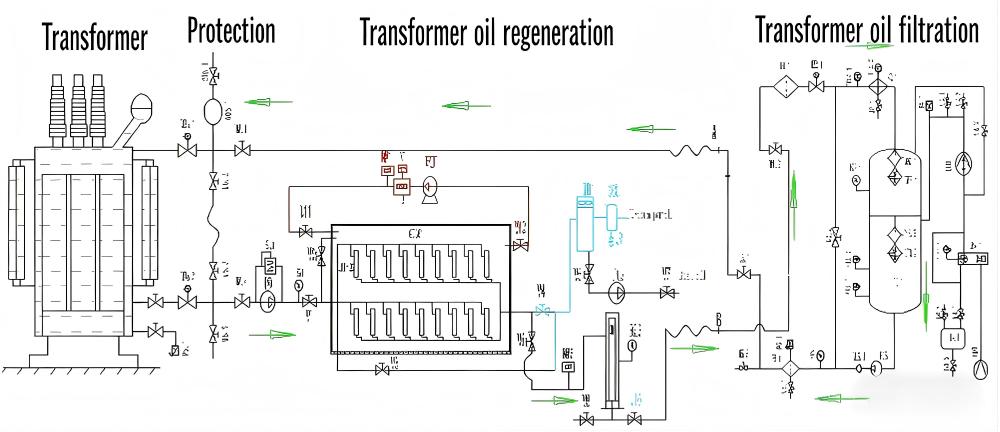
Part 4. Technical Analysis of the Transformer Oil Regeneration Machine
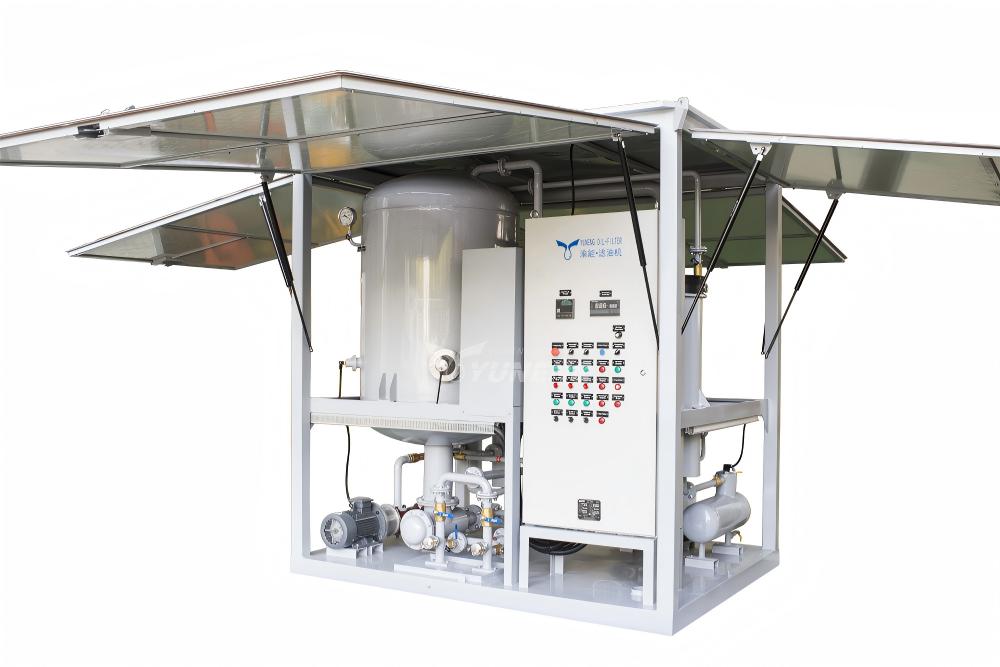
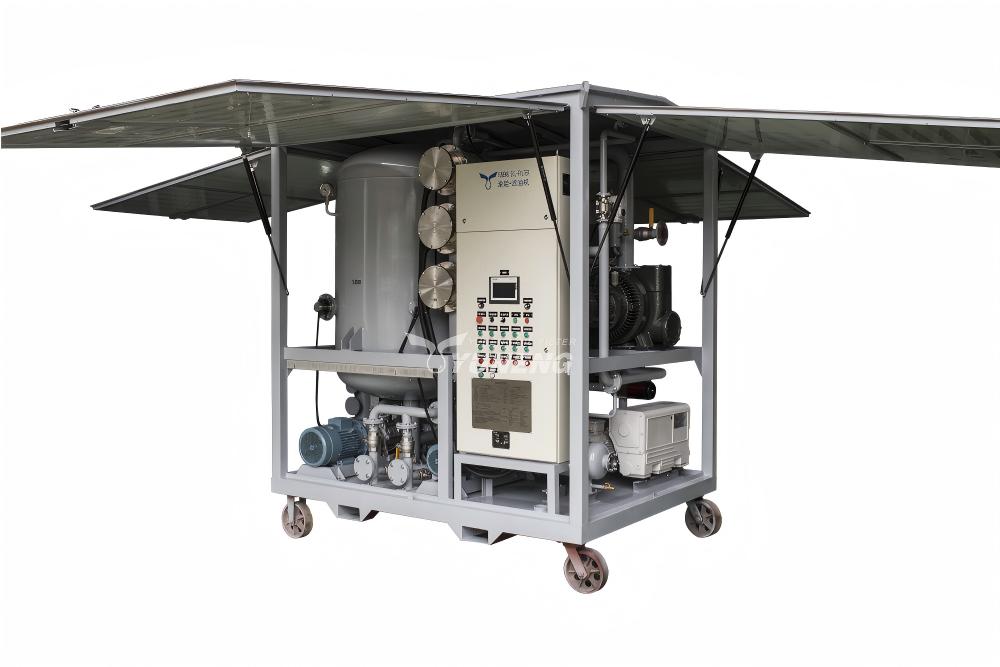
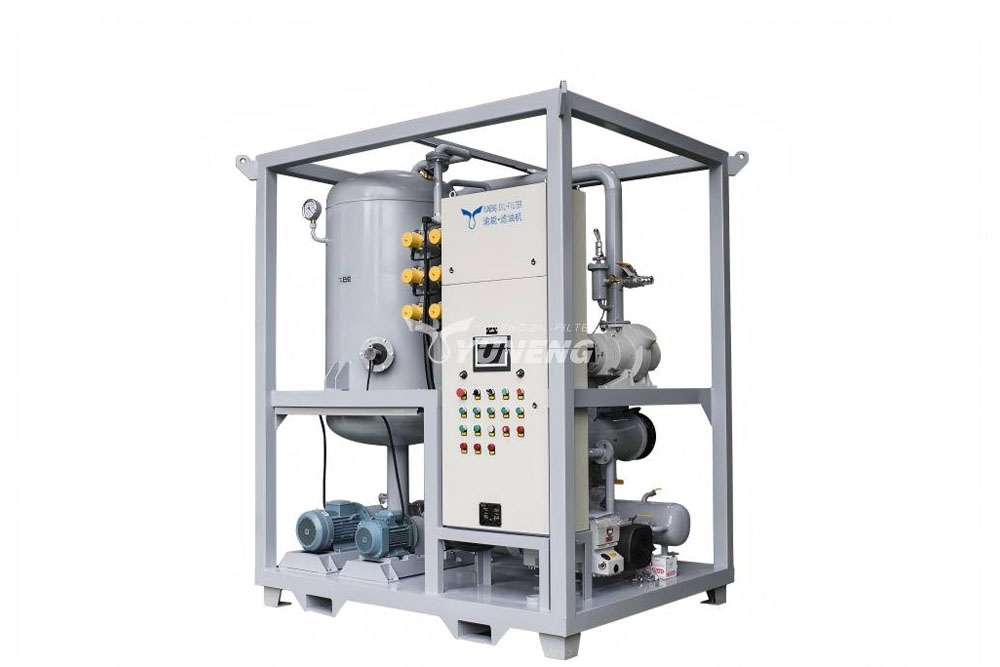
Modern transformer oil regeneration machine designs in 2026 are highly complex systems that integrate several distinct chemical and physical processes. Unlike a basic transformer oil purifier, which only removes free water and particles, a regeneration unit targets the molecular structure of the aged oil.
1. The Adsorption Process
The machine core operates through several columns, which contain adsorbent media to perform their function. The columns operate through their design, which captures the polar oxidation products that need to be removed. The most efficient systems operate with “reactivation-in-place” technology during the year 2026. The machine starts a controlled thermal reactivation process when the adsorbent media reaches its maximum impurity absorption, which results in contaminant combustion and media recycling for multiple cycles before needing replacement. The process produces minimal secondary waste during its operation.
2. Vacuum Dehydration and Degassing
The regeneration process incorporates a high-vacuum degasifier, which operates as part of its system. The system eliminates dissolved water along with flammable gases, which include hydrogen, methane, and acetylene, because these substances show up when thermal or electrical issues exist inside. The machines operating at 2026 grade achieve vacuum levels which fall below 0.1 mbar to achieve water content reduction below 5 ppm.
3. AI and IIoT Integration
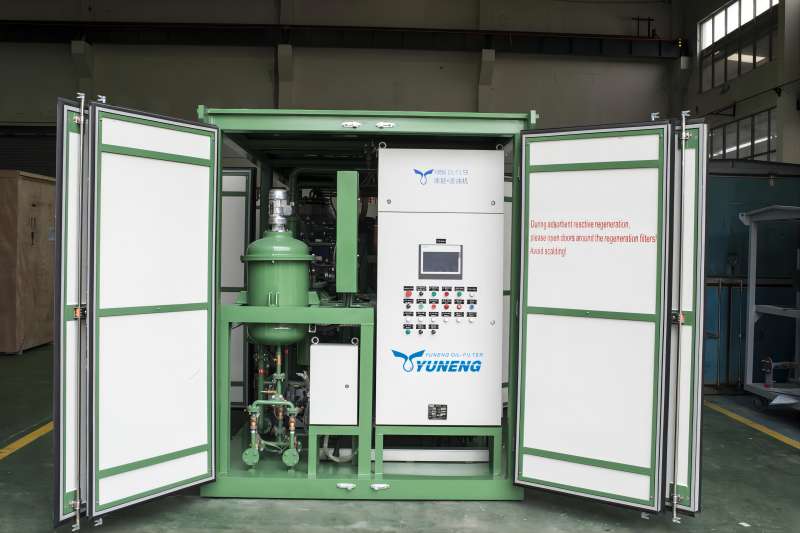
The current generation of transformer oil regeneration plants operates with Industrial Internet of Things (IIoT) sensors, which work alongside Artificial Intelligence (AI) controllers in their systems. These systems provide:
- The process requires continuous monitoring to detect breakdown voltage and moisture levels, which enables real-time tracking of oil quality during operations.
- The system calculates the exact antioxidant dosage needed to maintain the regenerated oil’s stability through its automated inhibitor injection process.
- The regeneration process data helps develop predictive maintenance models, which reveal transformer internal states through failure prediction before they manifest into actual problems.
Part 5. Industrial Applications and Case Studies
The year 2026 is anticipated to have the greatest evolvement of this technology in three main areas:
- Hyperscale Data Centers: As AI clusters operate at near-constant peak capacity, their transformers experience high thermal stress. Online transformer oil regeneration is used to maintain oil acidity at near-zero levels without requiring any downtime, ensuring the continuous power availability required for digital infrastructure.
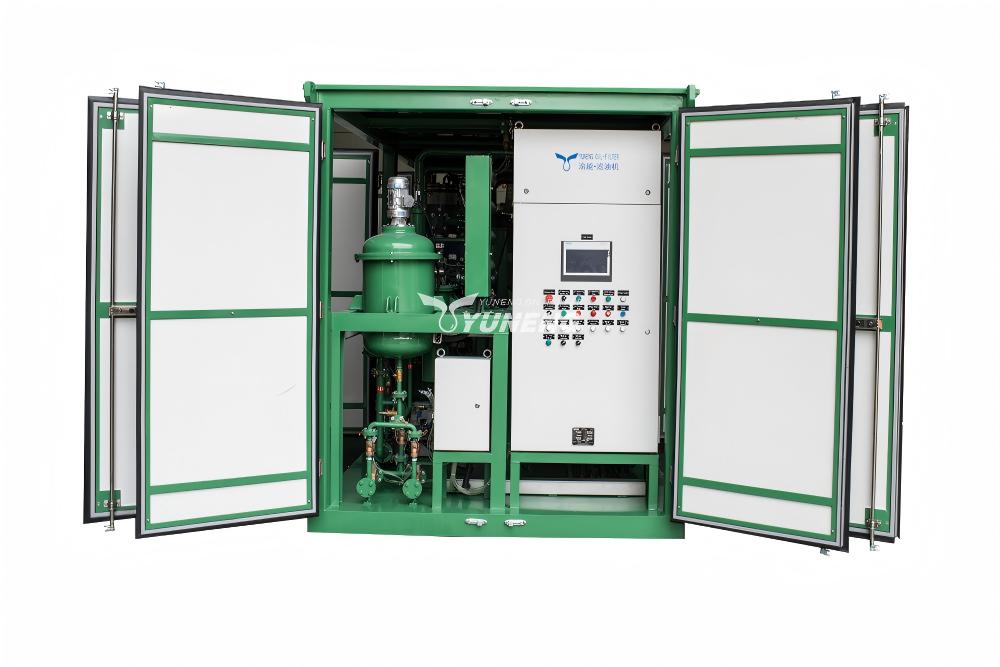
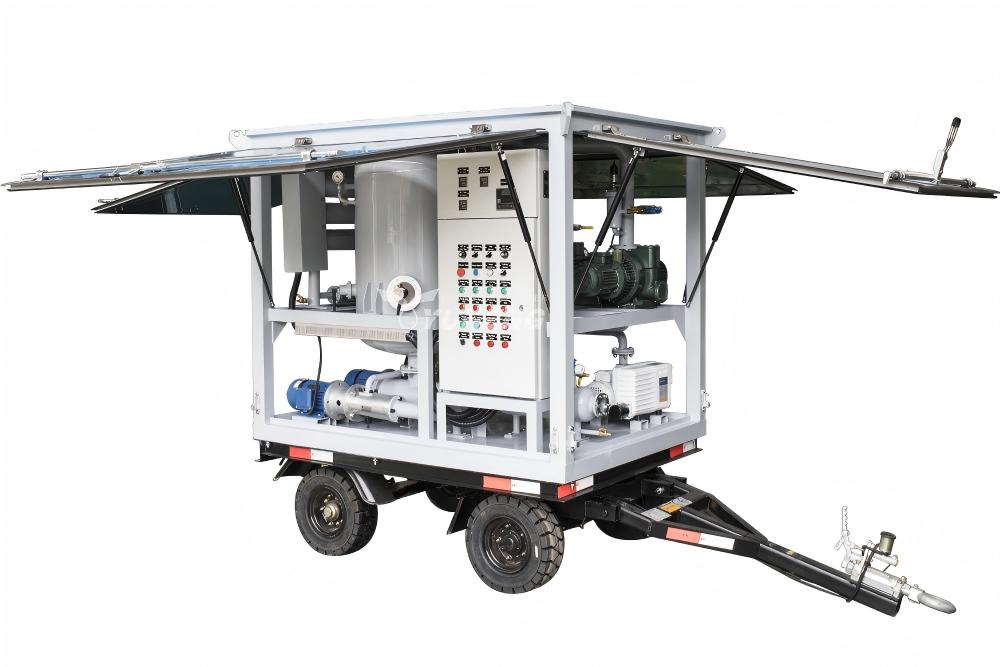
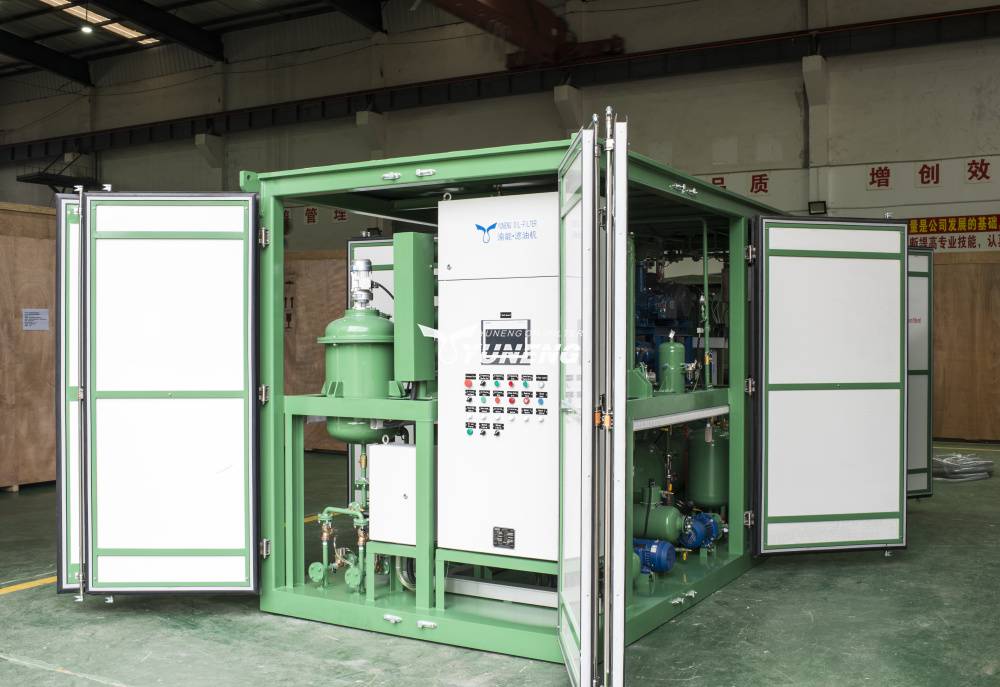
- Renewable Energy Hubs: Remote wind and solar farms utilize mobile, containerized regeneration units. These units move between sites, treating oil in step-up transformers that are often subjected to fluctuating loads and environmental extremes.
- Aging Municipal Grids: In urban areas with aging infrastructure, utilities use regeneration to stabilize transformers that are 30 to 40 years old, bridging the gap until new units can be commissioned.
Frequently Asked Questions (FAQ)
Q1. Is regenerated oil as safe as new oil for high-voltage applications?
Yes. A modern transformer oil regeneration machine restores chemical and electrical properties of oil through its processing system, which brings the oil back to new oil standards. The testing results from 2026 show that regenerated oil meets the requirements for transformer operation at voltages reaching 765kV.
Q2. Can regeneration be performed while the transformer is energized?
Yes, “online” regeneration is a standard practice in 2026. Specialized safety systems, including flow control valves and gas traps, allow the machine to treat the oil while the transformer remains under load, avoiding costly outages.
Q3. What is the difference between a vacuum oil purifier and a regeneration machine?
A vacuum oil purifier operates to eliminate physical contaminants, which include water, gas, and particles. The transformer oil regeneration machine operates with these functions and also applies chemical adsorption to remove acids, sludge, and oxidation products. This is because a purifier fails to eliminate them.