How to Select the Right Vacuum Transformer Oil Filtration Machine for Your Project

Oil Purification & Vacuum Technology Expert
Table of Contents
The use of transformer oil is of utmost importance for the insulation, cooling, and arc prevention of the power transformers during their safe and efficient operation. It is a matter of a few years before the transformer oil will get contaminated with moisture, dissolved gases, and solid particles due to aging, thermal stress, and being outside are the main causes of its contamination. Without proper treatment, these impurities drastically reduce the dielectric strength and hasten the insulation breakdown.
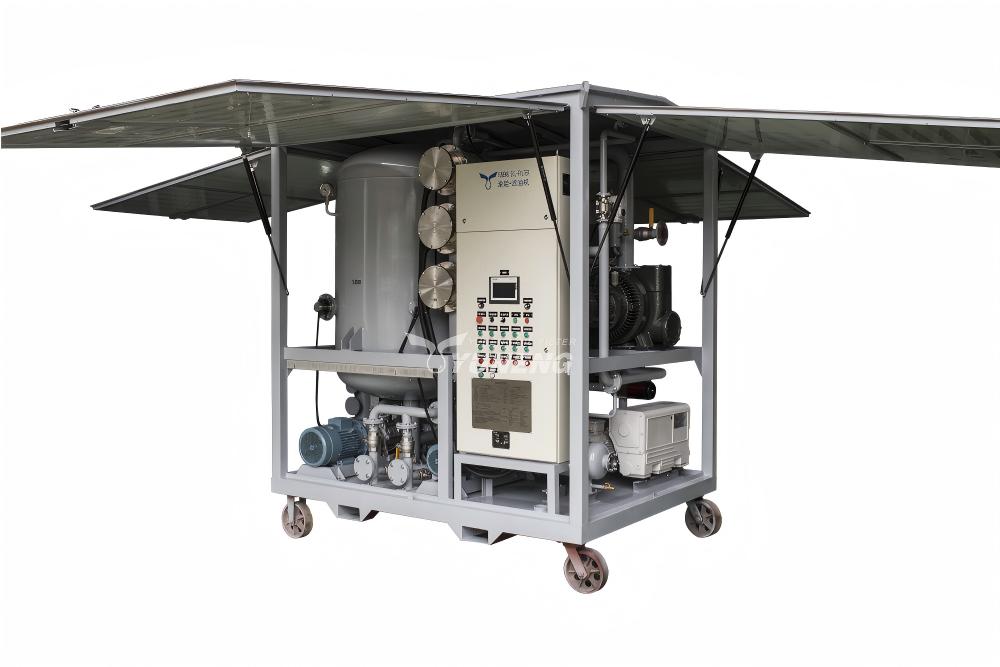
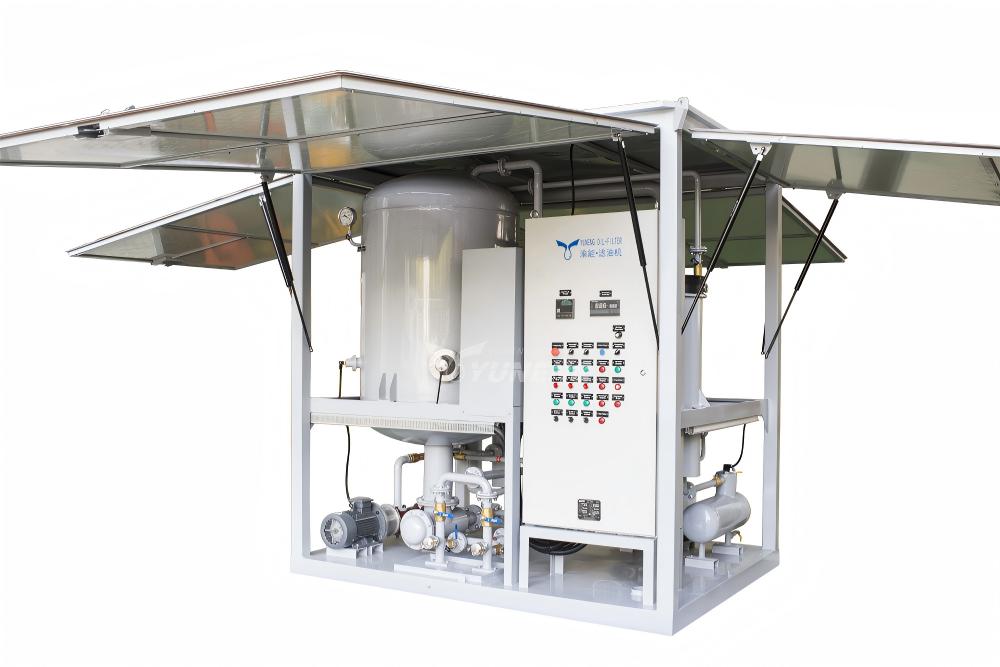
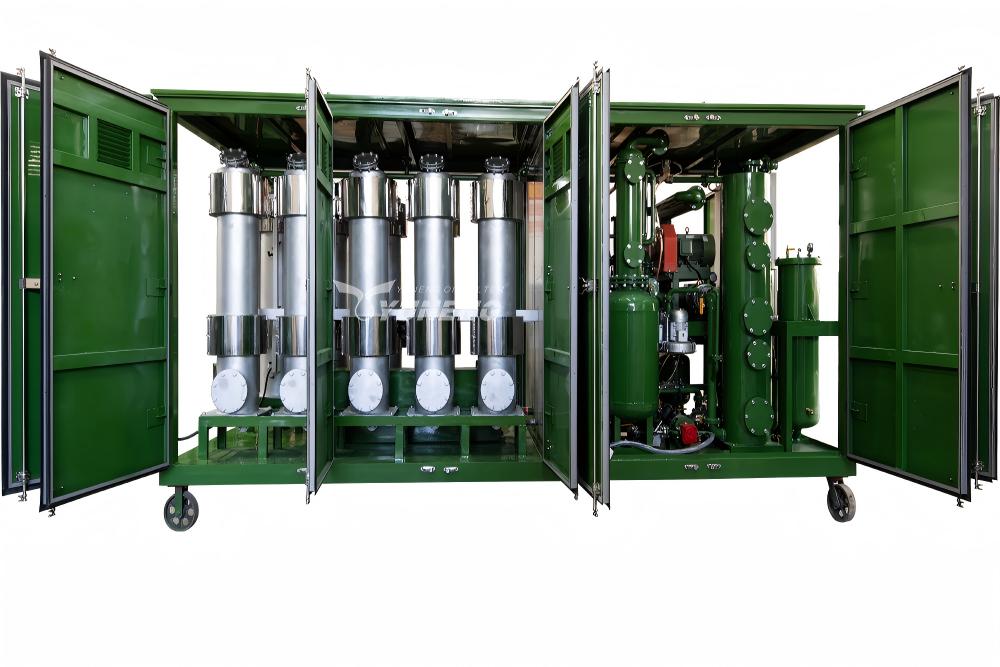
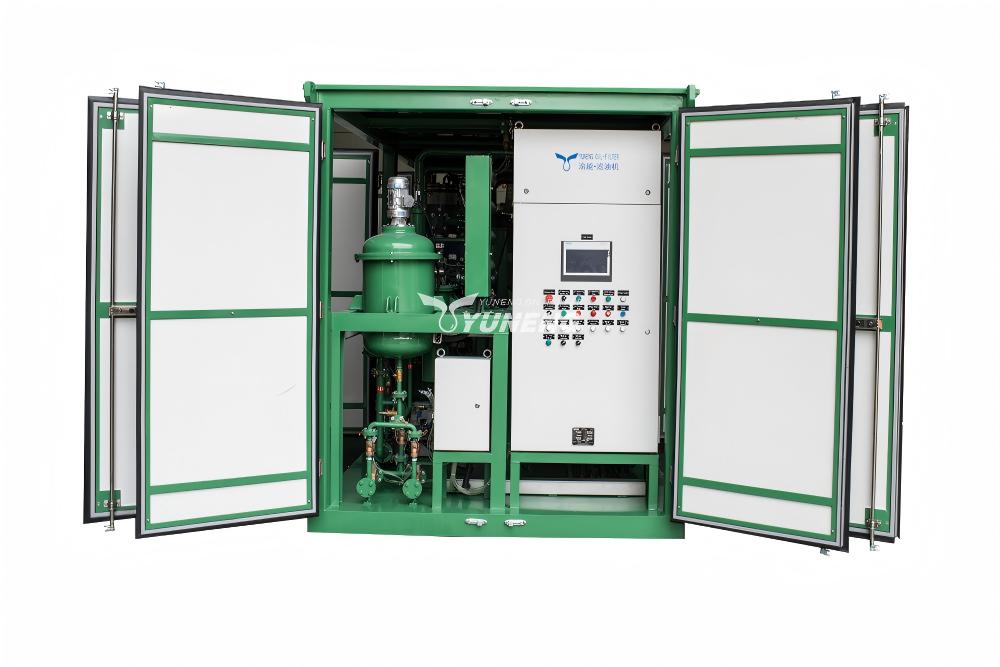
Vacuum transformer oil filtration, which is the most effective method for upgrading the oil quality to the acceptable standard without replacing the oil, is now the preferred choice. There are generally two types of technology – single-stage and double-stage vacuum transformer oil filtration machines – that are used in the filtration process. To determine the most appropriate option for your transformer maintenance program, it is important to acquire knowledge about the distinctions.
Overview of Vacuum Transformer Oil Filtration Technology
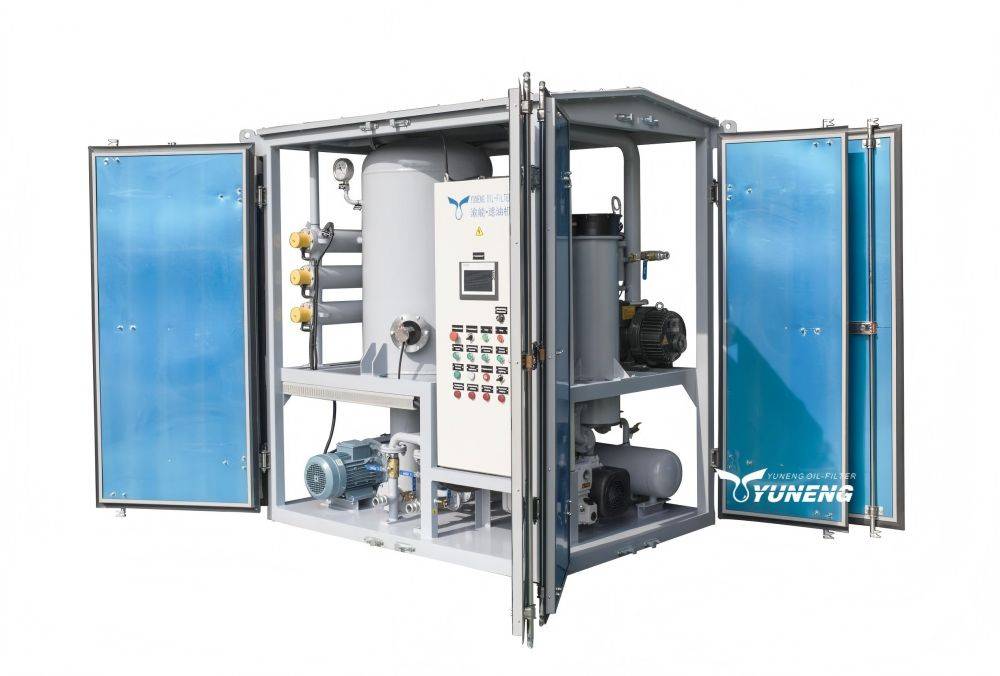
The machines that filter transformer oil in a vacuum remove moisture and gases by heating the oil and putting it in a low-pressure environment. When there is a vacuum, water and dissolved gases vaporize at lower temperatures, and they can be easily removed without harming the oil’s chemical structure.
Vacuum transformer oil filtration machines are better at removing water and gas than simple filtration or centrifugal separation machines. This makes them good for both routine maintenance and critical power equipment use.
How Single-Stage Vacuum Transformer Oil Filtration Works
The apparatus for transformer oil filtration with a single-stage vacuum contains a unit for heating oil and filtration and one vacuum chamber only. The oil is heated to a particular temperature, that is, between 50 and 65 degrees Celsius most of the time, and then the oil is either sprayed or spread out in a thin layer inside the vacuum chamber.
In circumstances of moderate vacuum, both free water and part of the vapor that was previously dissolved in the water evaporate and the vacuum pump takes them out. Filters consisting of several stages catch the solid particles, thus the quality of the oil is improved.
Key Characteristics of Single-Stage Systems:
- One vacuum tank and standard vacuum pump
- Moderate vacuum level suitable for dehydration
- Compact design and easy operation
- Lower initial investment and operating cost
Single-stage vacuum filtration is commonly used for distribution transformers, periodic maintenance, and situations where oil contamination is relatively mild.
How Double-Stage Vacuum Transformer Oil Filtration Works
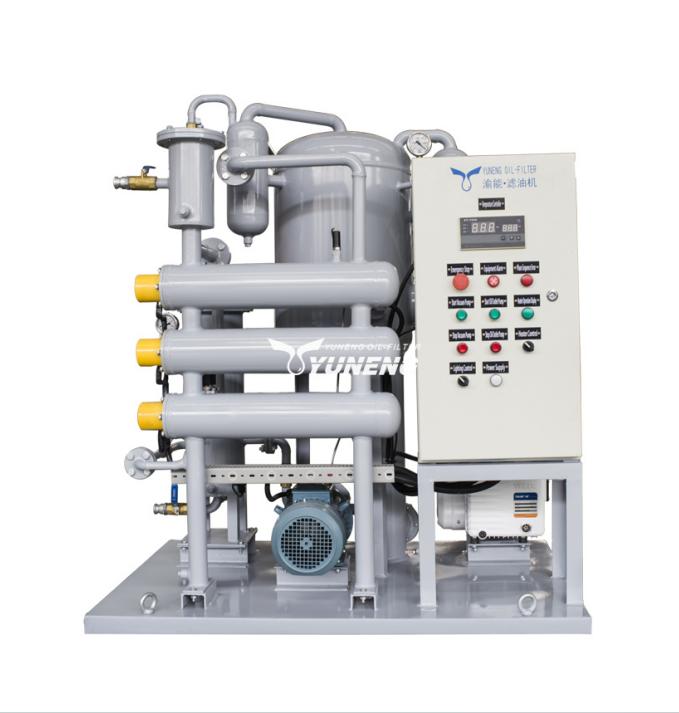
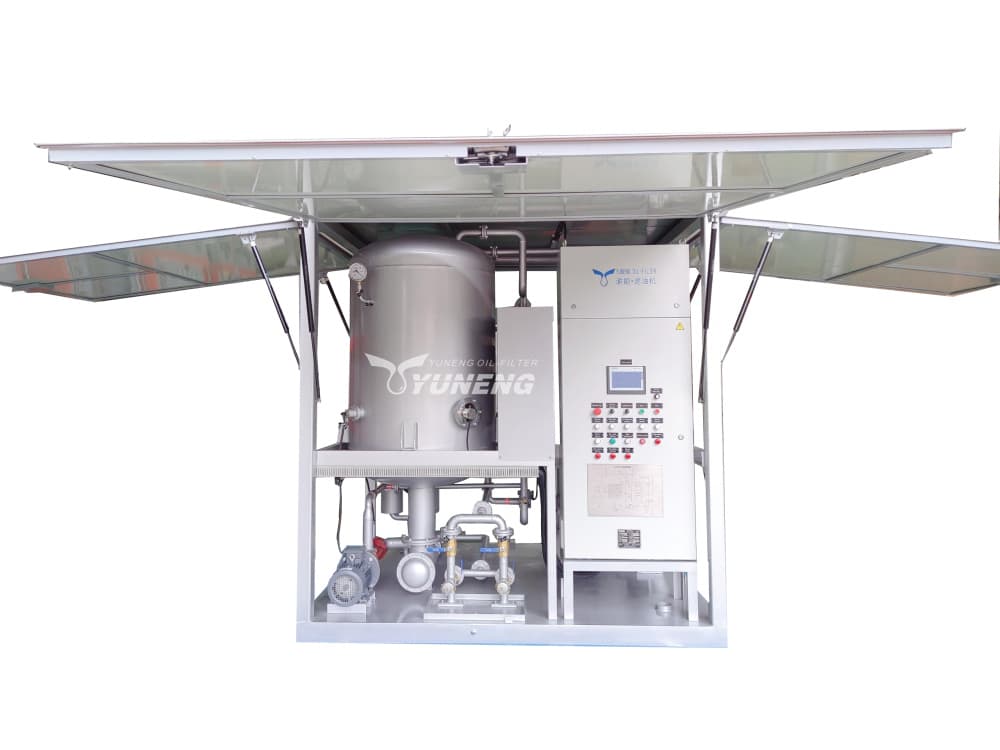
A double-stage vacuum transformer oil filtration machine has two stages of vacuum. The first stage is usually a vacuum booster pump and the second stage is a rotary vane or similar backing pump. This design makes the vacuum level much deeper and more stable.
In double-stage systems, transformer oil undergoes enhanced atomization and extended exposure time inside the vacuum chambers. This allows not only free water but also deeply dissolved moisture and gases to be efficiently removed.
Key Characteristics of Double-Stage Systems:
- Two-stage vacuum pump configuration
- Higher and more stable vacuum levels
- Superior degassing and dehydration performance
- Suitable for high-voltage and critical applications
Double-stage vacuum transformer oil filtration machines are widely used in high-voltage substations, power plants, and transformer vacuum oil filling processes.
Performance Comparison: Single-Stage vs Double-Stage
1. Moisture Removal Efficiency
Moisture is one of the worst things that can get into transformer oil. Single-stage systems work well to get rid of free water and lower the moisture content to levels that are acceptable for many uses. Double-stage systems, on the other hand, are much better at getting rid of dissolved moisture. They get much lower final ppm values and make dielectric strength much stronger.
2. Gas Removal Capability
The oxidation process of oil and insulation aging speed up because of dissolved gases like oxygen and nitrogen. Double-stage vacuum filtration provides superior gas removal. This proves vital for maintaining both large power transformers and their extended operational lifespan.
3. Processing Speed and Capacity
Double-stage systems generally offer higher processing stability when handling large oil volumes or operating continuously. Single-stage systems remain efficient for small to medium-scale maintenance tasks.
The table displays a direct technical comparison between single-stage and double-stage vacuum transformer oil filtration machines, which illustrates their distinctions in operational efficiency, application scope, and cost requirements.
| Comparison Item | Single-Stage Vacuum Oil Filtration | Double-Stage Vacuum Oil Filtration |
| Vacuum System Structure | Single vacuum chamber + standard vacuum pump | Two-stage vacuum system (booster + backing pump) |
| Achievable Vacuum Level | Moderate vacuum | Deep and stable high vacuum |
| Moisture Removal Capability | Removes free water and part of dissolved moisture | Removes free water, dissolved moisture, and micro-moisture |
| Final Moisture Content | Suitable for routine IEC requirements | Suitable for ultra-low ppm requirements (HV/EHV) |
| Gas Removal Efficiency | Basic degassing | Excellent removal of dissolved gases (O₂, N₂, H₂, etc.) |
| Oil Processing Speed | Efficient for small to medium oil volumes | Stable and efficient for large volumes and continuous operation |
| Application Voltage Level | Distribution & medium-voltage transformers | High-voltage & extra-high-voltage transformers |
| Suitability for Vacuum Oil Filling | Limited | Highly recommended |
| Initial Equipment Cost | Lower | Higher |
| Energy Consumption | Lower | Higher |
| Typical Use Case | Preventive maintenance, budget-sensitive projects | Critical infrastructure, commissioning, long-term reliability |
| Overall System Complexity | Simple, easy to operate | More complex, professional operation required |
Cost, Energy Consumption, and Operational Considerations
Single-stage vacuum transformer oil filtration machines provide a cost-effective solution because they operate with reduced energy requirements. The installation process of these systems proves straightforward, while their maintenance requirements remain simple, which makes them suitable for the standard operational needs of utilities and maintenance teams.
The first investment cost for double-stage machines becomes higher because they need extra vacuum pumps, which also leads to increased energy usage. These systems create long-term benefits, which result in longer transformer operational life, reduced transformer replacement needs, and decreased failure chances. These advantages surpass the initial higher operating expenses when the system operates in critical applications.
How to Choose the Right Vacuum Transformer Oil Filtration Machine
The table flow above shows the main technical, economic, and risk-related differences between single-stage and double-stage vacuum transformer oil filtration equipment. This will assist procurement teams and project engineers find the best solution quickly.
Step 1: Compare Core Capabilities and Investment Level
The technical comparison table allows you to determine if your project emphasizes cost reduction or superior oil quality with extended reliability.
Your application needs regular maintenance and shows minor oil contamination and needs to operate within budget restrictions. Single-stage vacuum filtration becomes the best choice for your application needs.
Your project requires advanced dehydration and enhanced degassing and needs to follow IEC/IEEE standards for protecting essential assets. Double-stage vacuum filtration becomes the best choice for your project requirements.
Step 2: Match the System to Your Application Scenario
The comparative table demonstrates how each system operates with standard transformer types and operating conditions.
Single-stage systems function as the optimal solution for distribution and medium-voltage transformer applications. They provide a budget-friendly solution that requires minimal power and operates with simple procedures.
Double-stage systems function as specialized equipment for high-voltage and extra-high-voltage transformers and commissioning transformers and vacuum oil tank filling operations, which require maximum safety and minimal downtime.
Step 3: Validate Your Choice Using the Decision Flowchart
Follow the selection decision flowchart to confirm your choice based on key project variables, including:
- Transformer voltage level
- Oil contamination severity
- Requirement for vacuum oil filling
- Long-term reliability and risk tolerance
If several factors indicate high performance and reliability needs, a double-stage vacuum transformer oil filtering machine is usually the safer long-term investment.
Final Procurement Recommendation
The single-stage vacuum filtration system requires less initial investment and operates with reduced system complexity, but double-stage vacuum filtration systems provide better operational reliability and lower total ownership costs throughout the transformer’s operational lifespan. The table comparison, which follows the decision flow, enables users to pick products more speedily while they maintain their purchasing certainty.
FAQ – Frequently Asked Questions
Q1: What is the main difference between single-stage and double-stage vacuum transformer oil filtration?
Single-stage systems use one vacuum chamber and are suitable for routine dehydration, while double-stage systems generate a deeper vacuum, enabling superior moisture and gas removal.
Q2: Is double-stage vacuum transformer oil filtration always necessary?
No. For lightly contaminated oil and smaller transformers, single-stage filtration can be more cost-effective and fully adequate.
Q3: Can single-stage vacuum oil filtration meet international standards?
Yes, in many cases. However, double-stage systems are better suited for achieving ultra-low moisture levels required for high-voltage transformers.
Q4: What kind of system should be used to fill transformer vacuum oil?
We highly recommend double-stage vacuum transformer oil filtration because it has a stable high vacuum and works great for getting rid of gas.
Q5: Does double-stage filtration significantly increase operating costs?
While operating costs are higher, the improved oil quality and reduced transformer failure risk often justify the additional expense.