How to Select a Transformer Oil Purification System for Your Project

Oil Purification & Vacuum Technology Expert
Table of Contents
Selecting the right transformer oil purification system requires more than comparing equipment capacities or prices. The system must meet the project’s oil treatment objectives, operating conditions, site requirements, and performance acceptance criteria. For power utilities, transformer manufacturers, EPC contractors, and industrial maintenance teams, a project-specific approach helps avoid equipment mismatches, commissioning delays, and unnecessary costs.
This guide explains how to evaluate transformer oil purification equipment, define technical specifications, and prepare an effective request for quotation (RFQ).
Define Your Transformer Oil Purification Project Requirements
Determine project scope and expected treatment outcome before selecting equipment. Depending on the application, different system configurations may be required, even if the equipment is used on similar transformer assets.
Common applications:
- Transformer maintenance: Treating insulating oil during scheduled maintenance or overhaul.
- Transformer commissioning: Preparing oil for filling or circulation before equipment enters service.
- Transformer manufacturing: Integrating oil purification into transformer assembly and production workflows.
- Substation maintenance: Deploying oil treatment equipment for one or multiple transformers.
- Mobile service operations: Transporting purification equipment between maintenance locations.
Next, establish the required treatment functions. A project focused on dehydration may have different requirements from one requiring deep dehydration, degassing, fine filtration, or treatment of aged oil.
The objective is to translate the project scope into measurable technical requirements before requesting quotations.
Match Oil Condition to Required Treatment Performance
The specification of a transformer oil purification system is based on the first oil test report. Review of laboratory results to identify parameters to be improved.
| Oil condition | Equipment or process requirements to evaluate |
| Excessive moisture | Vacuum dehydration performance and target moisture content |
| Elevated dissolved gases | Degassing capability and verification method |
| Suspended particles | Filtration rating and required oil cleanliness |
| High acidity or oxidation products | Assessment of whether separate oil regeneration is necessary |
| Multiple contamination issues | Integrated treatment configuration and individual acceptance criteria |
Standard vacuum transformer oil purification is primarily aimed at moisture, dissolved gases, and suspended particles. It should not be assumed to remove all oxidation products or to restore severely aged oil. Such conditions may need a separate regeneration process.
Also, the oil quality and solid insulation condition should be distinguished. While improved oil test results can indicate a reduction of moisture in the transformer’s cellulose insulation, they do not provide adequate proof of a reduction. Therefore, establish treatment targets according to oil type, transformer requirements, applicable standards and project specifications.
For further guidance on choosing between filtration and regeneration, see YUNENG’s Transformer Oil Regeneration Decision Tree.
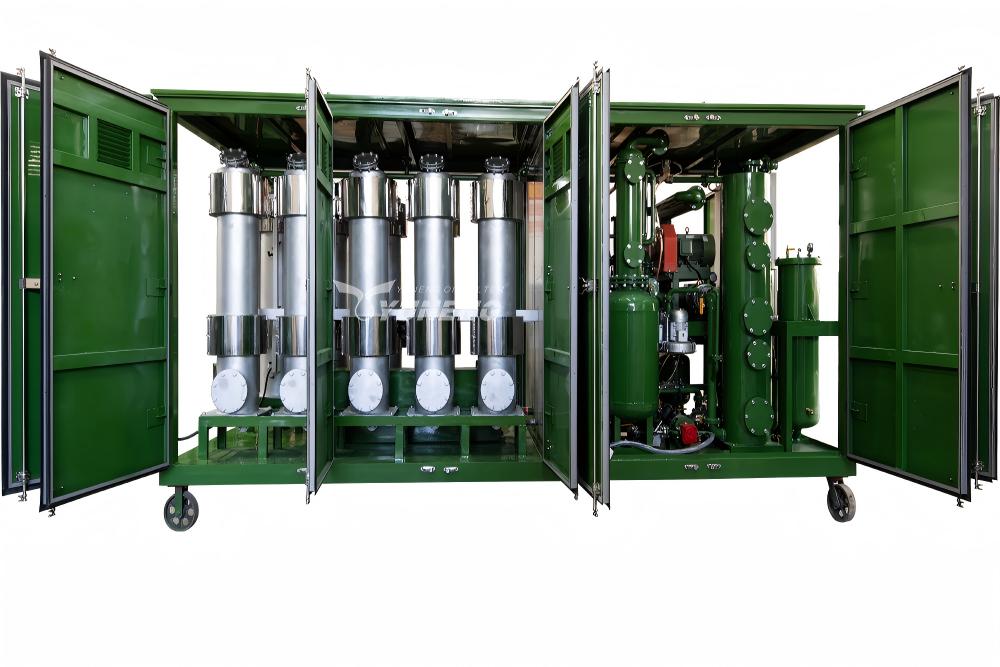
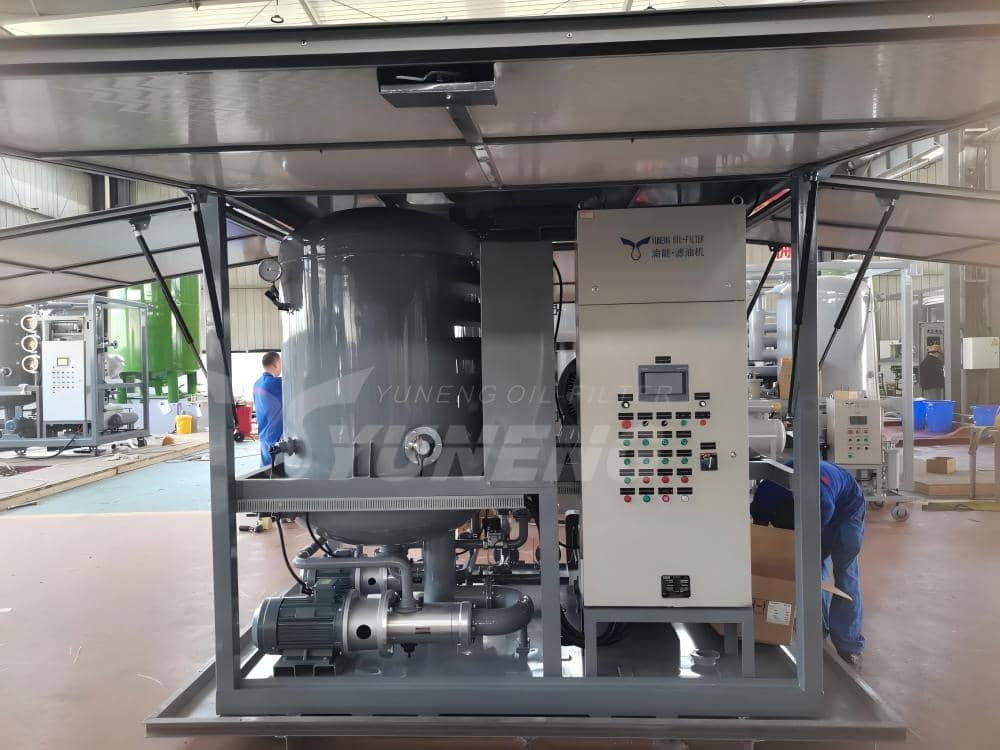
Determine the Required Transformer Oil Purification System Configuration
When the treatment objectives are established, identify the functions and ancillary equipment needed for the project. This is a system configuration choice, not just a choice of rated flow capacity.
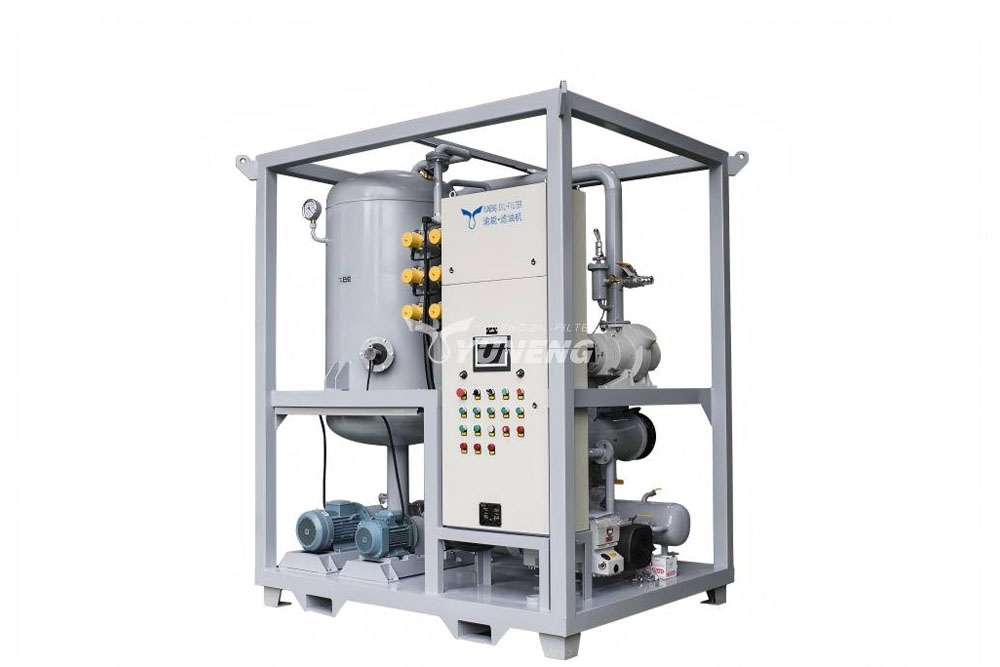
Vacuum dehydration and degassing
When moisture and dissolved gases are the primary concerns, evaluate the vacuum system, degassing chamber design, heating controls, and specified treatment performance.
Ask the supplier to identify the operating conditions associated with its performance claims, including relevant inlet oil conditions and testing methods.
Fine filtration and additional treatment stages
The filtration arrangement should match the expected particle contamination and required oil cleanliness. Confirm the filtration rating, filter element configuration, pressure monitoring, and replacement requirements.
Where significant oil degradation is present, evaluate whether a separate regeneration system is needed instead of assuming that additional filtration stages will address every contaminant.
Auxiliary equipment and system integration
Depending on the project scope, a transformer oil treatment system may require additional equipment, including:
- Vacuum pumping units for specified transformer evacuation or vacuum operations.
- Dry air generators for maintaining dry conditions during transformer maintenance.
- Oil transfer pumps, connecting hoses, valves, and pipeline interfaces.
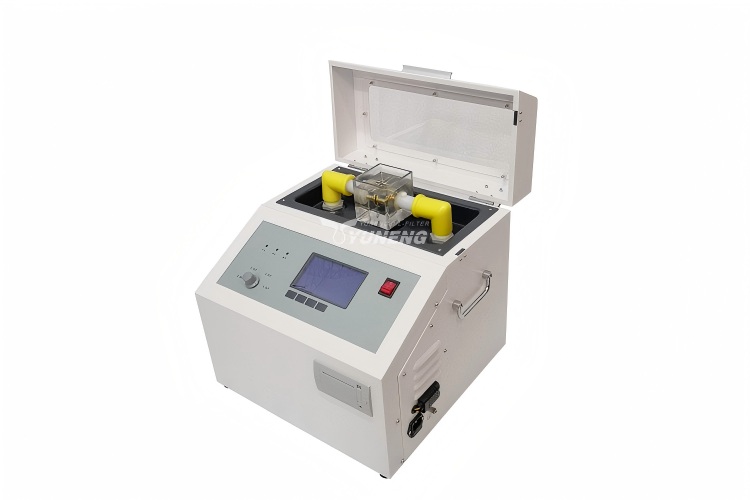
- Sampling equipment and instruments for verifying treatment results.
These components perform different functions. Oil purification, transformer tank evacuation, and dry-air supply should be specified according to the actual maintenance procedure rather than treated as interchangeable operations.
YUNENG provides transformer oil purification equipment for industrial and electrical applications. The final configuration should be confirmed against the project’s technical requirements.
Verify Site Conditions and Operational Compatibility
A technically suitable transformer oil purification system must also be practical to install, connect, and operate at the intended location.
Electrical supply and installation space
Confirm the available voltage, frequency, phase configuration, electrical capacity, grounding arrangements, and connection requirements. Check these against the equipment data sheet before ordering.
Also evaluate installation dimensions, access routes, lifting requirements, ventilation, and the space needed for maintenance.
Pipeline connections and oil handling
Define the oil inlet and outlet connections, hose lengths, required flow direction, transfer arrangements, and the position of the equipment relative to the transformer or storage tank. For direct oil circulation through a transformer, clarify how the equipment will integrate with the maintenance procedure and how the risk of air ingress or external contamination will be controlled.
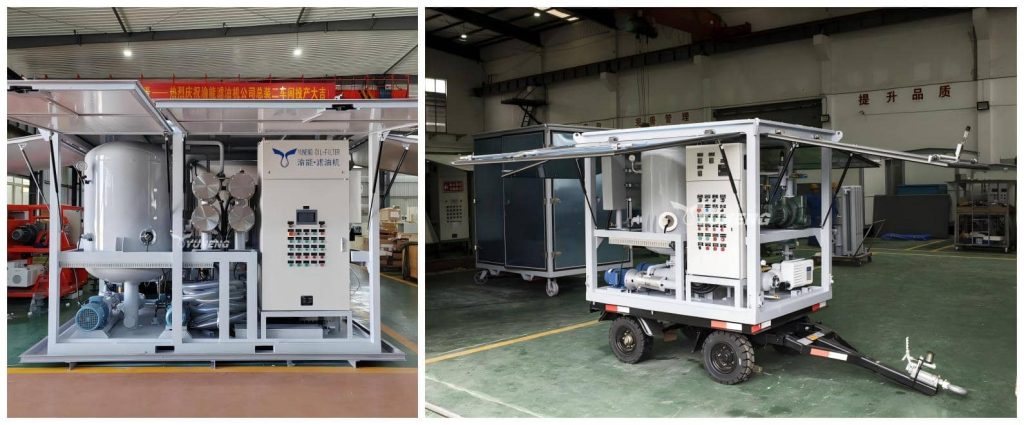
Transportation and deployment
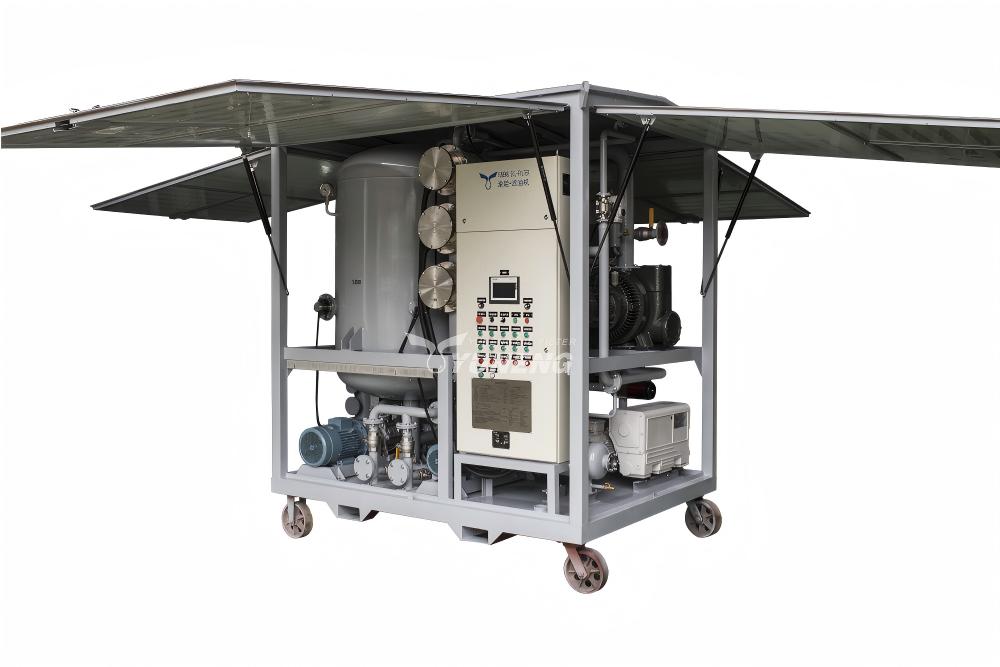
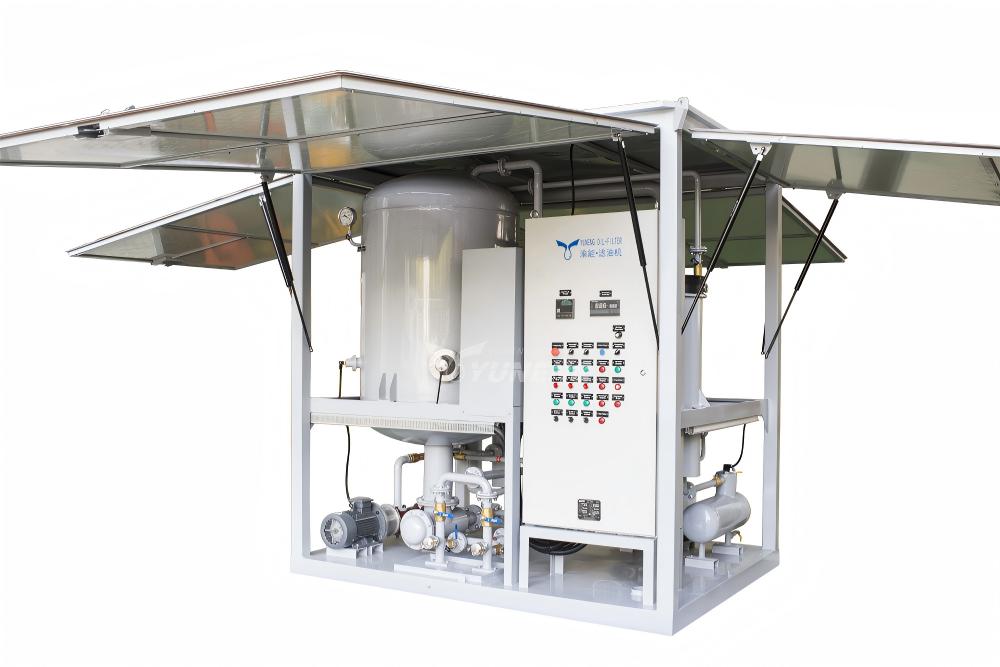
For projects covering multiple substations or remote sites, compare stationary, portable, and trailer-mounted arrangements.
Consider transportation access, setup time, environmental protection, operator access, and relocation frequency. These factors can be as important as the equipment’s physical dimensions. Documenting site constraints early helps reduce installation modifications and commissioning delays.
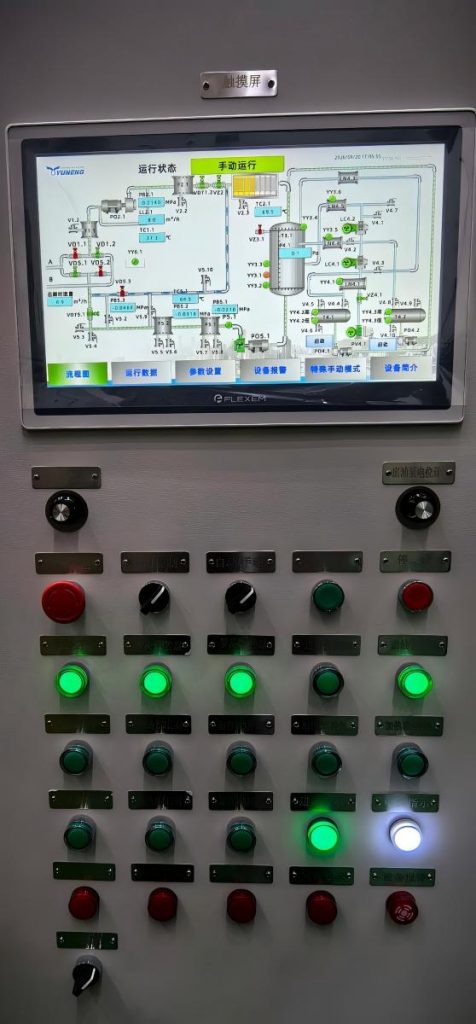
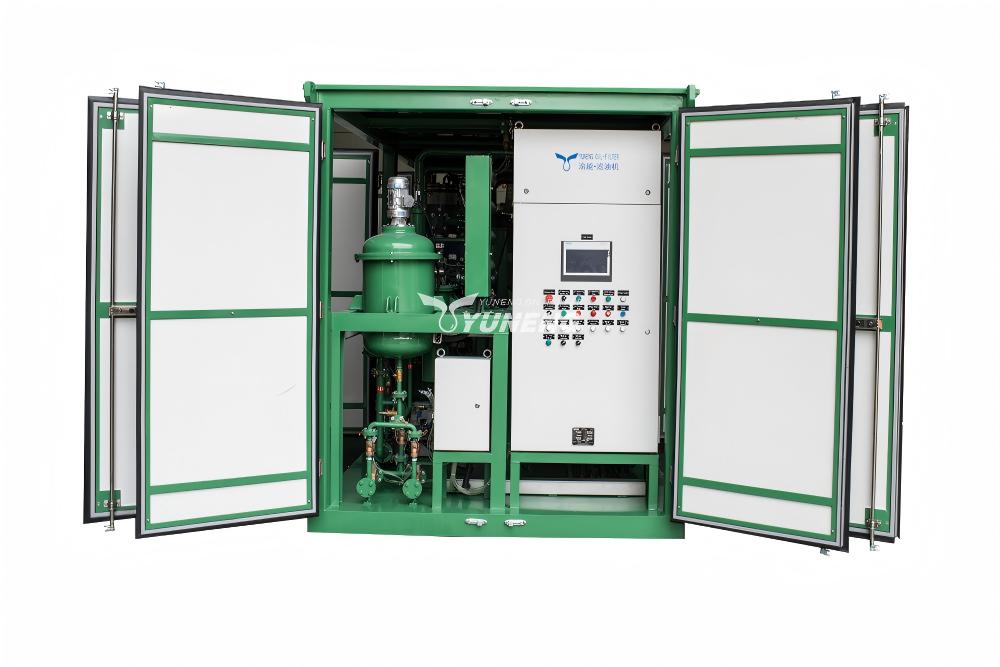
Specify Monitoring, Automation, and Safety Functions
Monitoring and protective functions should be defined in the transformer oil purification equipment specification before procurement.
Depending on the application, requirements may include:
- Vacuum pressure monitoring.
- Oil temperature measurement and control.
- Flow and operating pressure monitoring.
- Filter differential-pressure indication.
- Overtemperature, overload, and abnormal-operation protection.
- Automatic shutdown, alarms, and operating data records.
PLC-based controls and additional automation may be appropriate where repeatable operating procedures, centralized monitoring, or detailed maintenance records are required. Distinguish mandatory features from optional upgrades. This helps prevent both under-specification and unnecessary expenditure.
Safety requirements should reflect the installation environment, oil type, applicable regulations, and project risk assessment. If the equipment will operate in a classified hazardous area, confirm the area classification and required protection before manufacture. The supplier should document standard features, optional configurations, and project-specific engineering requirements.
Establish Commissioning and Performance Acceptance Criteria
A complete procurement specification should distinguish equipment acceptance from treated-oil acceptance.
Factory testing and documentation
Define the inspections and tests required before shipment. Depending on the contract, these may include functional checks, control-system verification, protective-device checks, and confirmation of specified technical parameters.
Request the relevant documentation, including:
- Technical data sheets and equipment drawings.
- Electrical diagrams and control documentation.
- Operation and maintenance manuals.
- Recommended spare parts and consumables lists.
- Inspection and factory test records.
Site commissioning and oil quality verification
During commissioning, verify the connections, electrical supply, operating conditions, control functions, and protective devices.
For oil treatment performance, specify the sampling procedure, laboratory test methods, target parameters, and acceptance limits before the project begins. Relevant parameters may include breakdown voltage, moisture content, particle cleanliness, and dissolved gas content, depending on the treatment objectives.
A structured transformer oil filtration results verification procedure helps compare oil quality before and after treatment and determine whether the agreed performance targets have been achieved. The verification plan should identify the sampling points, test methods, operating conditions, and applicable acceptance criteria.
Acceptance limits should follow the applicable standards, oil type, transformer requirements, and contractual specifications. A single set of numerical limits should not be applied indiscriminately to every project.
Finally, define handover records, operator training, maintenance instructions, and the responsibilities for resolving performance shortfalls.
Prepare a Transformer Oil Purification System RFQ Checklist
A structured request for quotation (RFQ) allows suppliers to evaluate the same requirements and submit more comparable technical and commercial proposals.
| RFQ requirement | Information to provide |
| Project scope | Maintenance, commissioning, manufacturing, or mobile service |
| Oil characteristics | Oil type, available test reports, and known contamination |
| Treatment objectives | Required functions and target oil properties |
| Capacity and duty | Required rated flow, operating schedule, and duty cycle |
| System configuration | Vacuum treatment, filtration stages, and additional processes |
| Site conditions | Power supply, installation space, ambient conditions, and connections |
| Automation and safety | Monitoring, alarms, interlocks, and applicable site requirements |
| Testing and acceptance | Factory tests, commissioning, sampling, and performance criteria |
| Delivery and support | Documentation, training, spare parts, warranty, and service arrangements |
When defining rated flow, consider required treatment volume, available maintenance window, condition of the oil, and expected operating schedule. For a more detailed guide on comparing flow-rate requirements and sizing equipment, see our guide to transformer oil purifier capacity.
Provide information that has been verified whenever possible. If some parameters are unknown, identify them to the supplier for clarification and avoid unsupported assumptions. Compare quotations on a technical compliance basis and also on a purchase price basis. Auxiliary equipment, scope of testing, documentation and after-sales support can all vary and make similar offers very different.
A complete RFQ helps ensure that the proposed transformer oil purification system matches the actual project requirements.
Frequently Asked Questions
Q1: Does every project require a high-vacuum oil purification system?
A1: No. The appropriate configuration depends on the oil condition, required dehydration and degassing performance, operating conditions, and project specifications.
Q2: Can a transformer oil purification system remove all oil contaminants?
A2: No. Conventional purification primarily targets moisture, dissolved gases, and suspended particles. Significant acidity or oxidation products may require a separate regeneration process.
Q3: How is transformer oil purification performance verified?
A3: Performance is verified through agreed commissioning procedures and oil sampling, followed by appropriate laboratory tests against the specified acceptance criteria. Equipment functionality and oil quality should be evaluated separately.
Select the Right Transformer Oil Purification System for Your Project
The proper transformer oil purification equipment selection procedure involves the determination of treatment objectives, followed by system design, site integration, safety planning, and finally, performance testing. A project-specific technical specification allows engineering teams to better compare suppliers, reduce configuration risks, and enhance commissioning readiness.
YUNENG provides vacuum transformer oil purification equipment and related transformer maintenance solutions. Tell us about your oil test results, treatment goals, site conditions and technical requirements and we’ll discuss with you an application-appropriate configuration.