Transformer Oil Interfacial Tension (IFT): What Does It Indicate?

Oil Purification & Vacuum Technology Expert
Table of Contents
Transformer oil interfacial tension (IFT) is an important chemical condition indicator for mineral insulating oil. It helps identify soluble polar contaminants and oxidation products that accumulate as transformer oil deteriorates.
A reduction in the transformer oil IFT can be an indication of oil aging, oxidation or contamination. However, low IFT does not necessarily mean the transformer oil has to be regenerated or replaced. The result should be considered together with acidity, dielectric dissipation factor, oil appearance, sludge, inhibitor content and previous test results. ASTM D971 describes interfacial tension testing as a sensitive method for detection of soluble polar contaminants and oxidation products in insulating liquids and for evaluation of deterioration of service-aged mineral oil.

What Is Interfacial Tension in Transformer Oil?
Interfacial Tension (IFT) is the force that acts at the interface of two immiscible liquids such as transformer oil and water. It is usually given in mN/m (millinewtons per meter). For new mineral insulating oil, a relatively high IFT is generally an indication that the oil has few undesirable polar contaminants. As the transformer oil ages, the oxidation and contamination may produce polar compounds that build up in the oil and decrease the oil-water interfacial tension.
In simple terms: Oxidation of transformer oil → formation of polar degradation products → reduction of IFT.
This makes the interfacial tension of transformer oil useful for the detection of chemical degradation. However, IFT should not be used as a pass/fail parameter per se. IEC 60422:2024 applies to the monitoring and maintenance of mineral insulating oils in transformers and other electrical equipment, including recommendations for oil testing, evaluation, reconditioning and reclaiming.
What Does Transformer Oil IFT Indicate?
In general:
- Higher IFT: usually indicates fewer soluble polar contaminants.
- Declining IFT: may indicate increasing polar degradation products or contamination.
- Low IFT: indicates that the oil requires further condition assessment.
- Rapidly declining IFT: may indicate accelerated chemical deterioration or a contamination event.
Therefore, the IFT trend is often more useful than one isolated measurement.
Why Does Transformer Oil IFT Decrease?
The main reason transformer oil IFT decreases is the accumulation of substances that interact with the oil-water interface.
1. Oxidation of transformer oil
Mineral transformer oil is exposed to oxygen and operating heat during service. Over time, oxidation can generate various degradation products, including acidic and other polar compounds.
These products can change the chemical characteristics of the oil and reduce interfacial tension. Operating conditions that can accelerate oil oxidation include:
- Elevated operating temperature
- Long-term thermal stress
- Oxygen exposure
- Inadequate sealing
- Heavy or prolonged loading
- Depleted oxidation inhibitors
The relationship can be simplified as:
Heat + oxygen + time → oil oxidation → polar degradation products → lower transformer oil IFT
2. Depletion of oxidation inhibitors
Inhibited transformer oils contain oxidation inhibitors designed to slow the formation of oxidation products. As the oil remains in service, inhibitor concentration may gradually decrease. Once the protective effect becomes weaker, oxidation can progress more rapidly.
For this reason, a declining IFT can be more meaningful when evaluated together with oxidation inhibitor content and oil acidity. ASTM maintains separate test methods for interfacial tension and oxidation inhibitor content, reflecting the fact that these properties provide different information about insulating oil condition.
3. Contamination from transformer materials
Not every decrease in IFT is caused by normal oil aging. Materials used inside or around a transformer may release substances into the oil. Potential sources include:
- Gaskets and seals
- Varnishes and coatings
- Cable or insulation materials
- Cleaning residues
- Newly installed components
If IFT decreases suddenly after transformer maintenance, oil filling, component replacement, or refurbishment, material compatibility and external contamination should be investigated.
4. External contamination
Improper oil storage, handling, transportation, or filling can introduce contaminants that affect IFT. A sudden IFT change should therefore be compared with the transformer maintenance history and oil handling records rather than being automatically classified as oil aging.
What Is the Relationship Between IFT and Transformer Oil Oxidation?
Transformer oil IFT is closely associated with oxidation because oxidation produces compounds that affect the oil-water interface. The relationship can generally be understood through three stages.
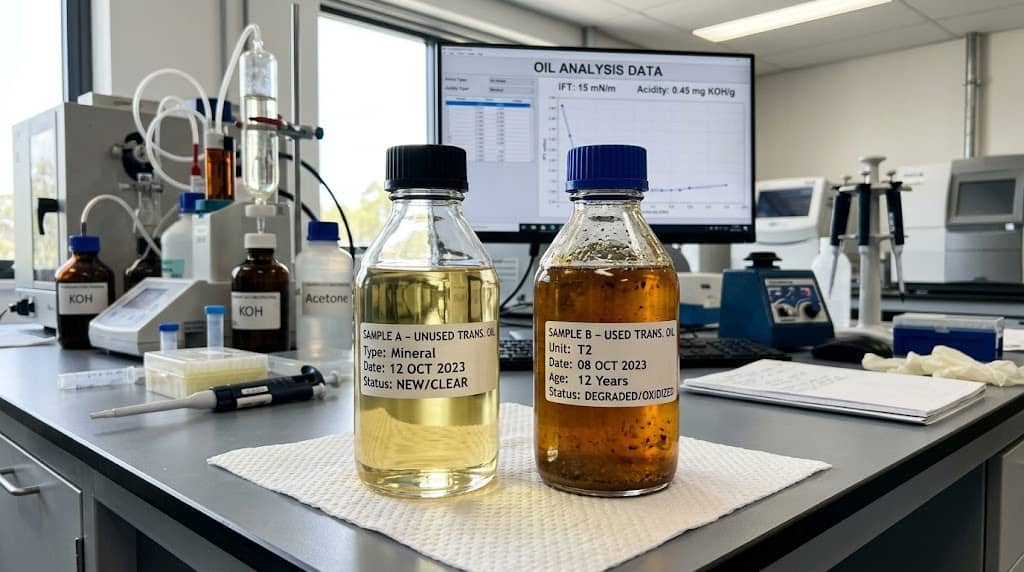
1. Early Transformer Oil Aging
During early aging, visible changes in transformer oil may be limited. The oil may still appear relatively clean, while small amounts of polar oxidation products are already forming. IFT can begin to decline during this stage, making it useful as an early chemical-condition indicator.
2. Progressive Oil Oxidation
As oxidation continues, more degradation products accumulate. The transformer oil may show:
- Lower IFT
- Increasing acidity
- Higher dielectric dissipation factor
- Darker color
- Decreasing inhibitor concentration
- Increasing oxidation products
At this point, the IFT trend should be evaluated with other laboratory results rather than interpreted independently.
3. Advanced Oil Deterioration
Severely aged transformer oil may show a combination of low IFT, increased acidity, dark color, sludge formation, and increased dielectric losses. When several indicators deteriorate together, the oil may require more than conventional particle or moisture removal. Regeneration or replacement may need to be considered based on the complete oil condition.
Importantly, IFT does not directly measure the oxidation rate of transformer oil. It reflects changes associated with soluble polar contaminants and degradation products. ASTM D971 specifically describes IFT as a means of detecting these substances and assessing deterioration in service-aged insulating oil.
IFT vs. Transformer Oil Acidity: What Is the Difference?
Transformer oil IFT and acidity are related, but they are not the same test. IFT measures the oil-water interfacial behavior, while acidity testing measures acidic constituents in the oil.
| Parameter | Transformer Oil IFT | Transformer Oil Acidity |
| Full name | Interfacial Tension | Acid Number / Total Acid Number |
| Typical unit | mN/m | mg KOH/g |
| Main indication | Soluble polar contaminants and degradation products | Acidic constituents in the oil |
| Typical trend during aging | IFT decreases | Acidity increases |
| Main diagnostic value | Indicates chemical deterioration and contamination | Indicates development of acidic degradation products |
| Can it identify all degradation products? | No | No |
| Should it be used alone? | No | No |
A low IFT does not automatically mean high acidity. Transformer oil can contain polar degradation products that lower IFT without producing a proportional increase in measured acidity. Conversely, acidity and IFT may change at different rates depending on the oil type, oxidation condition, contamination source, and service history.
For this reason, IFT and acidity should be used as complementary transformer oil tests.
When Does Low IFT Indicate Aged Transformer Oil?
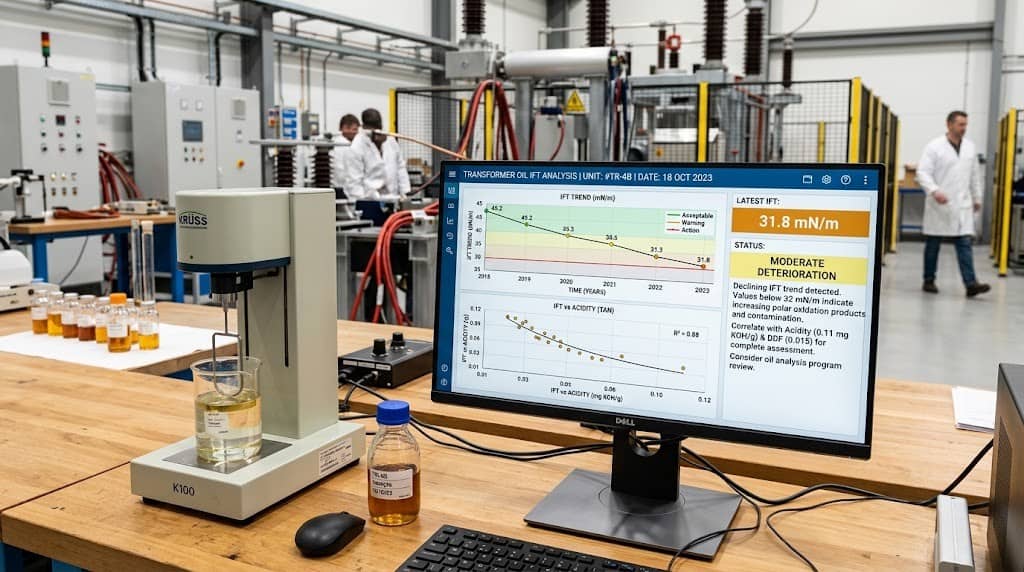
There is no single IFT result that should automatically determine whether transformer oil is acceptable, recyclable, regenerable, or replaceable. The interpretation should consider the IFT value, historical trend, oil type, transformer operating conditions, and other test results.
1. Stable IFT
If the transformer oil IFT remains relatively stable during periodic testing and other oil properties remain satisfactory, there may be no indication of significant chemical deterioration based on IFT alone. Routine condition monitoring can continue according to the transformer maintenance program.
2. Gradually Declining IFT
A gradual decline in IFT may indicate progressive formation of polar degradation products. The trend becomes more important if it occurs together with:
- Increasing acidity
- Increasing dielectric dissipation factor
- Declining inhibitor concentration
- Darkening oil
- Evidence of sludge formation
The rate of decline should also be considered. A slow change over years has a different diagnostic meaning from a sudden reduction after maintenance.
3. Low or Rapidly Declining IFT
Low IFT requires closer investigation when accompanied by other signs of chemical deterioration. A stronger indication of aged transformer oil exists when low IFT occurs together with rising acidity, oxidation products, darkened oil, sludge, and increasing dielectric losses.
However, low IFT by itself should not automatically trigger transformer oil regeneration.
How Is Transformer Oil IFT Tested?
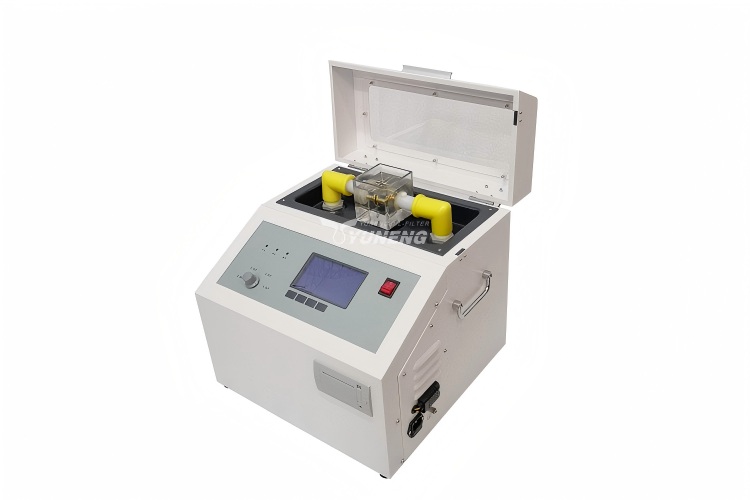
The commonly referenced method for measuring insulating-liquid interfacial tension is ASTM D971, which uses the ring method to measure the interfacial tension between insulating liquid and water. ASTM describes the method as applicable to service-aged mineral insulating oils for evaluating deterioration.
A reliable transformer oil IFT test depends on representative sampling and consistent laboratory procedures.
1. Collect a representative oil sample
The sample should be taken using clean, compatible sampling equipment and stored in an appropriate container.
Avoid:
- Water contamination
- Dirty containers
- Residual oil from other equipment
- Unnecessary exposure to air
- Incompatible sampling materials
Sampling information should include the transformer identification, sampling point, date, oil type, and relevant maintenance history.
2. Measure IFT using a standardized method
ASTM D971 is specifically listed by ASTM among the test methods used for insulating-liquid quality evaluation. The result is normally reported in mN/m.
3. Compare the IFT trend
A single IFT result provides limited information. For condition monitoring, compare the latest result with:
- Previous IFT measurements
- Original or baseline oil data
- Other oil test results
- Transformer operating history
- Applicable maintenance guidance
This approach helps distinguish gradual oil aging from sudden contamination.
4. Combine IFT with other transformer oil tests
A practical condition assessment may include:
- Acidity or acid number
- Dielectric dissipation factor
- Resistivity
- Moisture content
- Breakdown voltage
- Oxidation inhibitor content
- Oil color and appearance
- Sludge or sediment
The purpose is not to make every test produce the same conclusion. Each test identifies a different aspect of transformer oil condition.
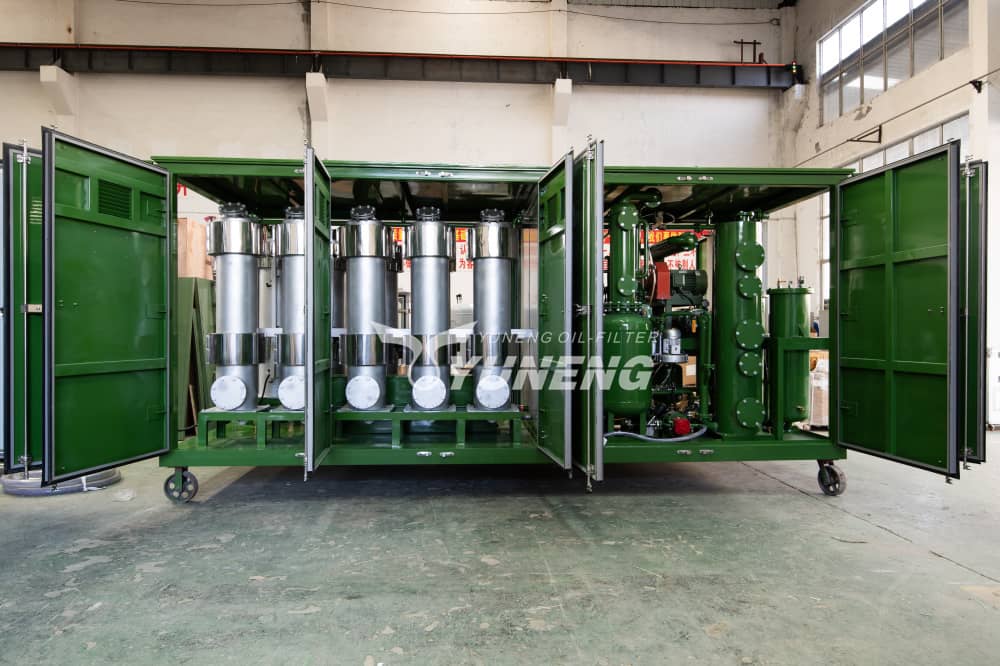
Can Filtration Restore Low Transformer Oil IFT?
Conventional transformer oil filtration does not normally restore low IFT caused by dissolved oxidation products. The appropriate treatment depends on what caused the IFT reduction.
| Treatment | Main target | Effect on low IFT |
| Mechanical filtration | Suspended particles and solids | Limited if low IFT is caused by dissolved compounds |
| Vacuum purification | Moisture and dissolved gases, with filtration of particles | May improve oil condition but does not generally remove all oxidation products |
| Adsorption-based regeneration | Certain polar and acidic degradation products | More suitable when low IFT is associated with chemical aging |
| Oil replacement | Severely deteriorated or unsuitable oil | Removes the existing degraded oil |
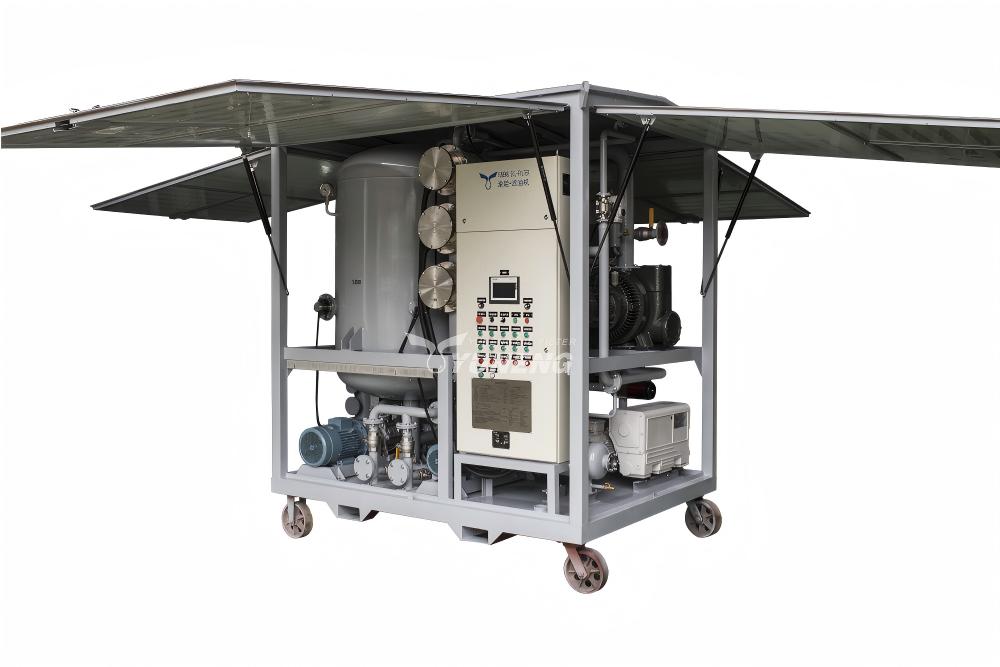
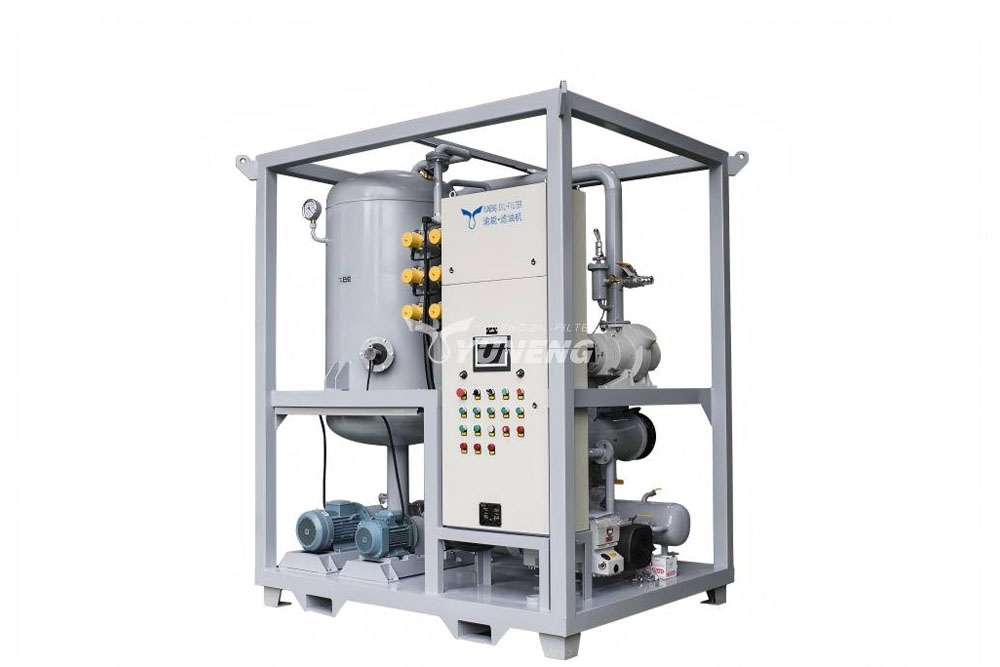
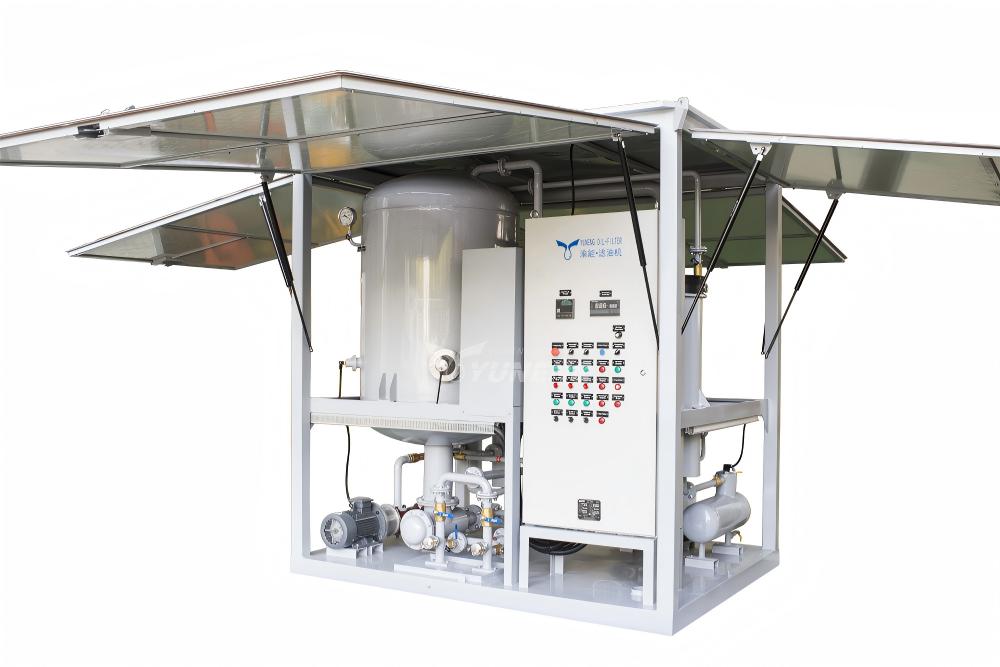
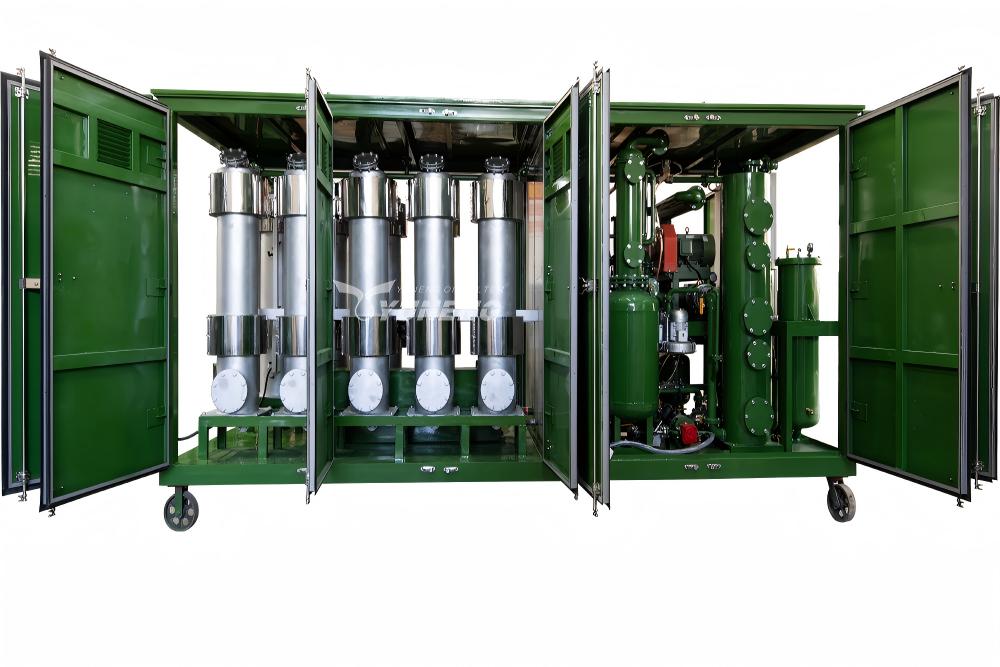
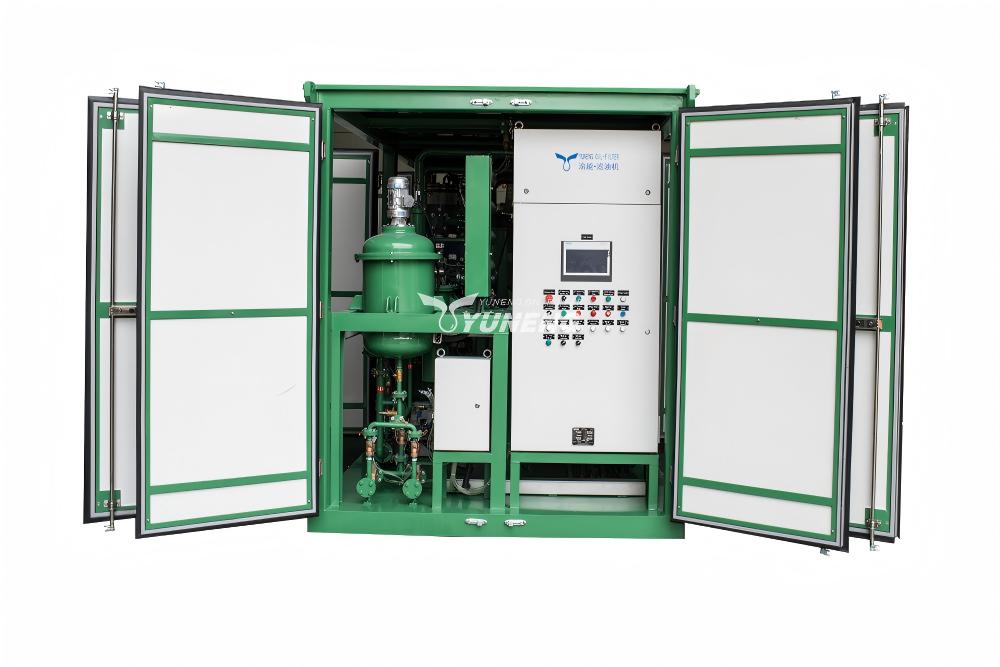
This distinction is important when selecting transformer oil treatment equipment. If the main problem is water, dissolved gas, and particulate contamination, a vacuum transformer oil purifier may address the relevant contaminants. If the main problem is dissolved acidic and polar oxidation products, an adsorption-based transformer oil regeneration system may be more appropriate.
The treatment should therefore be selected according to the cause of low IFT, not simply the numerical IFT result.
When Should Low IFT Lead to Transformer Oil Regeneration?
Low transformer oil IFT should be treated as a condition-monitoring signal, rather than an automatic regeneration threshold. Regeneration should be evaluated when several indicators point toward chemical deterioration, for example:
Low IFT + increasing acidity + oxidation products + darkened oil + sludge
This combination provides stronger evidence of advanced chemical aging than low IFT alone. When several oil-condition indicators deteriorate together, a transformer oil regeneration decision tree can help determine whether regeneration, purification, or oil replacement should be considered.
Before regeneration, confirm:
- The IFT result through appropriate laboratory testing.
- The historical IFT trend.
- Acidity and other chemical indicators.
- Possible external or material-related contamination.
- Whether moisture, gases, or particles are also contributing to the problem.
- Whether regeneration or oil replacement is technically and economically appropriate.
This creates a more reliable treatment decision:
IFT test → Trend analysis → Supporting oil tests → Identify contamination/aging mechanism → Select treatment
For mineral insulating oil, IEC 60422:2024 provides guidance for oil condition monitoring and includes recommendations concerning reconditioning and reclaiming.
Frequently Asked Questions About Transformer Oil IFT
Q1: What causes low IFT in transformer oil?
The main causes include oxidation products, acidic and other polar compounds, inhibitor depletion, contamination from transformer materials, and external contamination.
Q2: What is a low IFT value for transformer oil?
IFT should not be interpreted using a universal number without considering the applicable oil standard, oil type, transformer service history, and test conditions. The historical trend and supporting test results are important.
Q3: Is low IFT the same as high transformer oil acidity?
No. IFT and acidity measure different properties. Low IFT can indicate polar degradation products without necessarily corresponding to a high acid number.
Q4: Can transformer oil filtration increase IFT?
It depends on the cause of the low IFT. Filtration can remove suspended contaminants, but it is generally not designed to remove dissolved oxidation products responsible for chemical deterioration.
Q5: When should transformer oil be regenerated?
Regeneration should be evaluated when low or declining IFT occurs together with other evidence of chemical aging, such as increasing acidity, oxidation products, darkened oil, sludge, or increased dielectric losses.
Q6: Is IFT more important than breakdown voltage?
They measure different properties. Breakdown voltage evaluates the dielectric withstand performance of the oil under a specified test, while IFT provides information about soluble polar contaminants and degradation products. Both can contribute to a broader transformer oil condition assessment.