Transformer Oil Acidity: Causes, Limits & Treatment

Oil Purification & Vacuum Technology Expert
Table of Contents
Transformer oil does more than provide electrical insulation and heat transfer. Its chemical condition also reflects the aging process taking place inside the transformer. One important indicator is transformer oil acidity, commonly evaluated by the acid number or Total Acid Number (TAN).
With aging of the insulating oil, oxidation may generate acidic and other polar products. These products can build up if left and may cause sludge formation, affect the oil performance and accelerate the breakdown of cellulose insulation. However, a high acid number does not necessarily mean the oil needs to be changed. Engineers need to know what is causing the acidity, how fast it is increasing and if the oil can be treated with a suitable regeneration process.
This guide explains what transformer oil acidity means, why it increases, how it is tested, and how aged oil with elevated acidity can be treated.
What Is Transformer Oil Acidity?
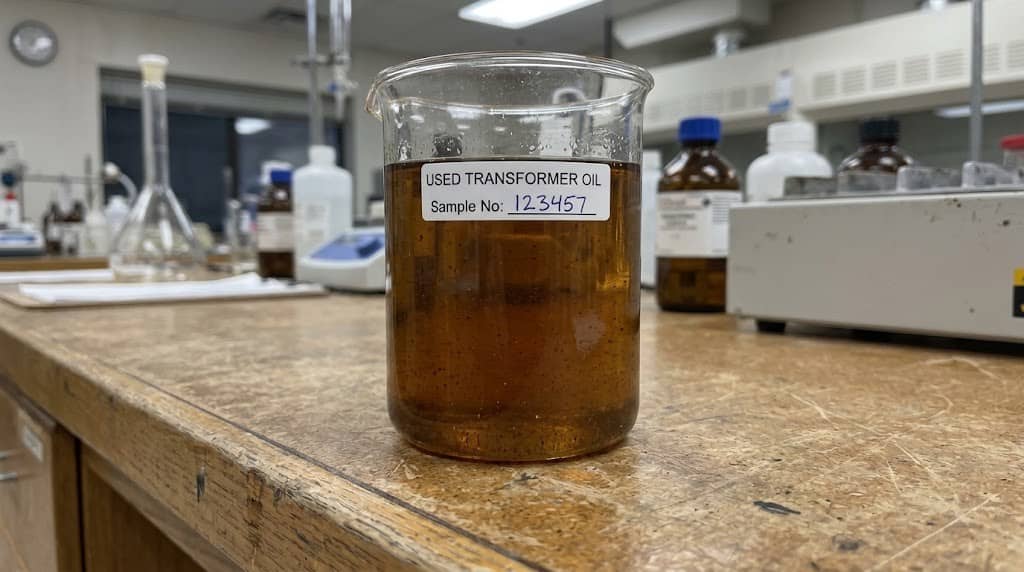
Transformer oil acidity refers to the presence of acidic compounds formed or accumulated in insulating oil. The condition is commonly evaluated using the acid number, also called the neutralization number or Total Acid Number (TAN). TAN indicates the quantity of potassium hydroxide required to neutralize acidic substances in a specified quantity of oil. It is normally expressed in mg KOH/g of oil.
A rising TAN generally indicates that the oil is undergoing chemical aging, particularly oxidation. The important point is that acidity is different from physical contamination. Water, particles, and dissolved gases are contaminants that can often be addressed through physical purification processes. Acidic oxidation products are chemically dissolved in the oil and require a different treatment mechanism.
This distinction is important when interpreting an oil test report:
- High particle content may indicate physical contamination.
- High moisture may indicate water ingress or insufficient drying.
- High TAN indicates chemical degradation and oxidation-related products.
- A falling IFT together with rising TAN can provide additional evidence of oil aging.
Therefore, TAN should be considered a chemical condition indicator rather than simply another measurement of oil cleanliness.
What Causes Transformer Oil Acidity to Increase?
The primary cause of the rise in acidity of transformer oil is oxidation. The transformer oil is subjected to heat, oxygen, catalytic metal surfaces and long periods of service. In this manner, hydrocarbon molecules are gradually oxidized and lead to a range of degradation products.
1. Long-Term Oxidation
During normal transformer operation, oil is exposed to oxygen and elevated temperatures. Over time, oxidation produces compounds with increasing polarity and acidity.
The general degradation pathway can be represented as:
Heat + Oxygen + Time → Oxidation Products → Acidic Compounds → Sludge and Deposits
The actual process is more complex, but this sequence helps explain why a steadily increasing TAN can be an indicator of progressive oil aging.
2. Elevated Operating Temperature
Higher operating temperatures can accelerate chemical reactions within the oil. Transformers operating under sustained thermal stress may therefore experience faster oil aging than equipment operating under less demanding conditions.
Potential contributing factors include:
- Continuous high loading
- Poor cooling performance
- Elevated ambient temperature
- Localized hot spots
- Insufficient heat dissipation
Temperature should therefore be considered together with oil test trends rather than as an isolated cause.
3. Oxygen Exposure
Oxygen is one of the key factors in oil oxidation. Transformer designs that allow greater contact between oil and oxygen can experience faster oxidation if other protective measures are insufficient. Breathing systems, seals, expansion arrangements, and maintenance practices can all influence the amount of oxygen and moisture entering the transformer environment.
4. Aging of the Oil and Insulation System
Transformer oil and cellulose insulation form an interconnected insulation system. As the system ages, degradation products can accumulate in the oil and interact with solid insulation.
For this reason, a steadily increasing acid number should not be viewed simply as an oil-quality issue. It can be a useful indication that the overall insulation system is experiencing long-term chemical aging.
How Does High Acidity Affect a Transformer?
Increasing acidity matters because acidic and polar oxidation products can change the chemical condition of the insulating oil and contribute to further degradation.
Accelerated Aging of Cellulosic Insulation
Acidic compounds can react with the cellulose insulation and cause it to deteriorate. Because paper insulation is difficult to replace without extensive transformer intervention, controlling the conditions that accelerate its aging is an important part of transformer maintenance.
Deposits and Sludge
As the oil oxidizes, degradation products may become less soluble and eventually contribute to the formation of sludge and varnish. Deposits accumulated, however, may hinder the circulation of oil and transfer of heat, especially when they are formed on regions where cooling is needed.
Changes in Other Oil Properties
Increasing acidity may occur together with changes in other chemical and physical indicators. For example, an aging oil may show a combination of:
- Increasing TAN
- Decreasing interfacial tension
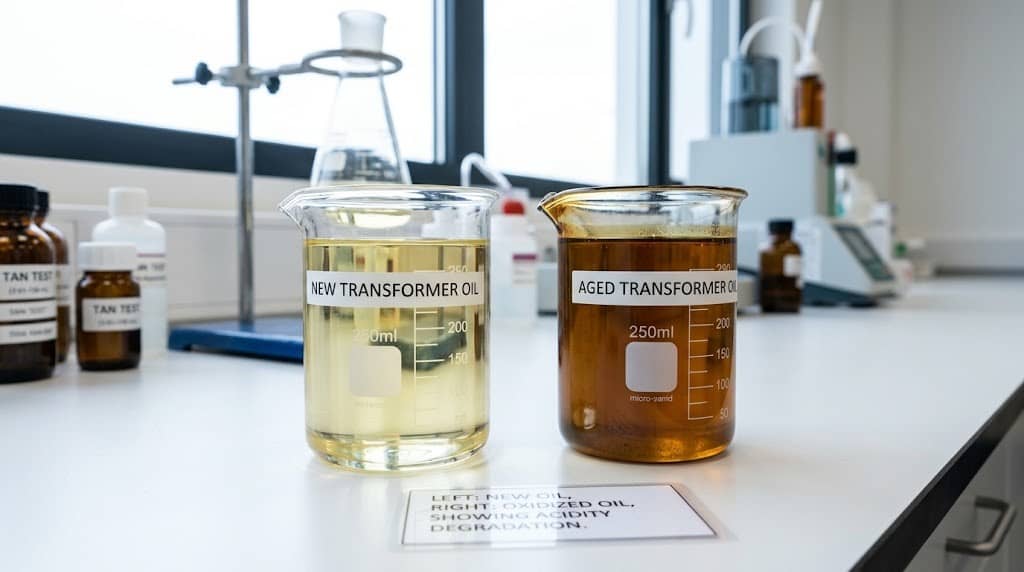
- Darkening color
- Increasing oxidation products
- Early-stage sludge formation
These indicators do not necessarily change at the same rate, which is why trend analysis is more useful than relying on a single observation.
Reduced Oil Condition Stability
Chemically aged oil may become increasingly difficult to maintain within the desired operating condition. If oxidation products continue to accumulate, simply removing particles or moisture may not address the underlying chemical degradation.
This is one reason why acidity is useful when determining whether an oil treatment process needs to go beyond conventional filtration.
What Is an Acceptable Acidity Level for Transformer Oil?
There is no single TAN value that should be applied independently to every transformer and every operating situation. The appropriate interpretation depends on factors such as:
- Oil type and condition
- Transformer design
- Operating history
- Age of the transformer
- Applicable maintenance standard
- Other oil test results
- Trend in TAN over time
YUNENG’s existing maintenance guidance uses TAN together with BDV, moisture, IFT, color, sludge, and DGA rather than treating one parameter as a standalone decision criterion.
For practical monitoring, engineers should pay particular attention to the direction and rate of change. For example:
| TAN Trend | Possible Interpretation | Recommended Focus |
| Low and stable | Limited evidence of ongoing chemical degradation | Continue routine monitoring |
| Gradually increasing | Possible progressing oxidation | Increase condition monitoring |
| Consistently elevated | Significant chemical aging may be present | Review other oil condition indicators |
| High and increasing with low IFT or sludge | Advanced oil degradation may be developing | Evaluate regeneration capability |
These ranges should be interpreted against the applicable standard and laboratory test method rather than used as universal pass/fail limits. A single high result may also require confirmation through proper sampling and repeat testing. A consistent trend is generally more informative than one isolated measurement.
How Is Transformer Oil Acidity Tested?
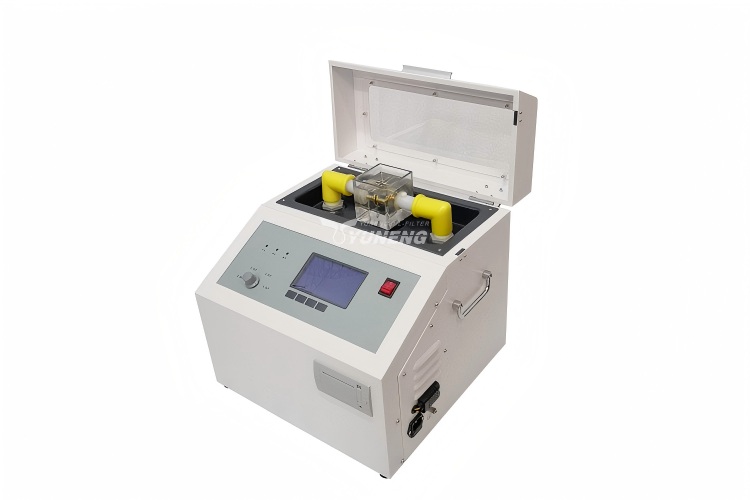
Transformer oil acidity is normally determined through laboratory analysis of a representative oil sample. The quality of the sample is important. An incorrectly collected or contaminated sample can make the laboratory result less representative of the oil inside the transformer.
Step 1: Collect a Representative Sample
The sampling point, container, handling procedure, and environmental conditions should be controlled to minimize external contamination.
Step 2: Determine the Acid Number
The laboratory measures the amount of alkaline reagent required to neutralize the acidic substances in the oil sample. The result is normally reported as mg KOH/g oil; This value provides a quantitative indication of the oil’s acid content.
Step 3: Compare With Previous Results
Instead of looking only at the latest TAN value, maintenance teams should compare the result with previous samples.
For example, 0.03 → 0.04 → 0.06 → 0.08 mg KOH/g shows a different condition from an isolated reading of 0.08 mg KOH/g with no previous trend. Trend monitoring can help identify whether oxidation is progressing and whether additional investigation is warranted.
Step 4: Interpret TAN With Other Tests
TAN should be considered alongside relevant oil condition measurements, such as:
- Interfacial tension (IFT)
- Breakdown voltage (BDV)
- Moisture content
- Dielectric dissipation factor
- Color
- Sludge or oxidation products
The purpose is not to create another large diagnostic checklist, but to determine whether the elevated acidity represents an isolated chemical change or part of a broader aging pattern.

Can Transformer Oil Filtration Remove Acidity?
The dissolved acidic oxidation products cannot be removed from transformer oil by conventional filtration. Mechanical filtration is mainly used for the removal of physical contaminants such as suspended particles. Vacuum purification can additionally remove moisture and dissolved gases through heating, vacuum exposure, and oil dispersion. For a broader explanation of when filtration is appropriate based on oil test results, see when transformer oil needs filtration.
However, acidic oxidation products are chemically dissolved in the oil. Passing the oil through a conventional particulate filter does not remove these compounds in the same way that an adsorption-based regeneration process does. This creates an important distinction:
| Treatment Method | Particles | Moisture | Dissolved Gas | Acidic Oxidation Products |
| Mechanical filtration | ✓ | Limited | — | — |
| Vacuum purification | ✓ | ✓ | ✓ | Limited |
| Adsorption-based regeneration | ✓ | Depending on system | Depending on system | ✓ |
| Oil replacement | ✓ | ✓ | ✓ | Replaced with new oil |
Replacement removes the existing oil volume but does not automatically remove deposits that have accumulated elsewhere inside the transformer.
YUNENG’s existing technical guidance makes the same fundamental distinction: vacuum purification is intended for physical and thermodynamic conditioning, while regeneration uses adsorption to address acids and other polar degradation products. Therefore, if TAN remains elevated after moisture and particle problems have been addressed, continuing conventional filtration may not solve the underlying chemical degradation.
When Should Transformer Oil Be Regenerated?
Regeneration becomes relevant when the primary problem is chemical aging rather than simple physical contamination. Typical indications that regeneration should be evaluated include:
- TAN is consistently elevated or increasing.
- Oil shows clear evidence of oxidation.
- IFT is declining together with other aging indicators.
- Oil color has become significantly darker.
- Oxidation products or early-stage sludge are present.
- The oil remains chemically degraded even after physical purification.
The decision should not be based on TAN alone. Engineers should evaluate TAN together with other oil condition indicators and the overall degradation pattern. See our transformer oil regeneration decision tree for a structured approach to filtration, regeneration, and replacement.
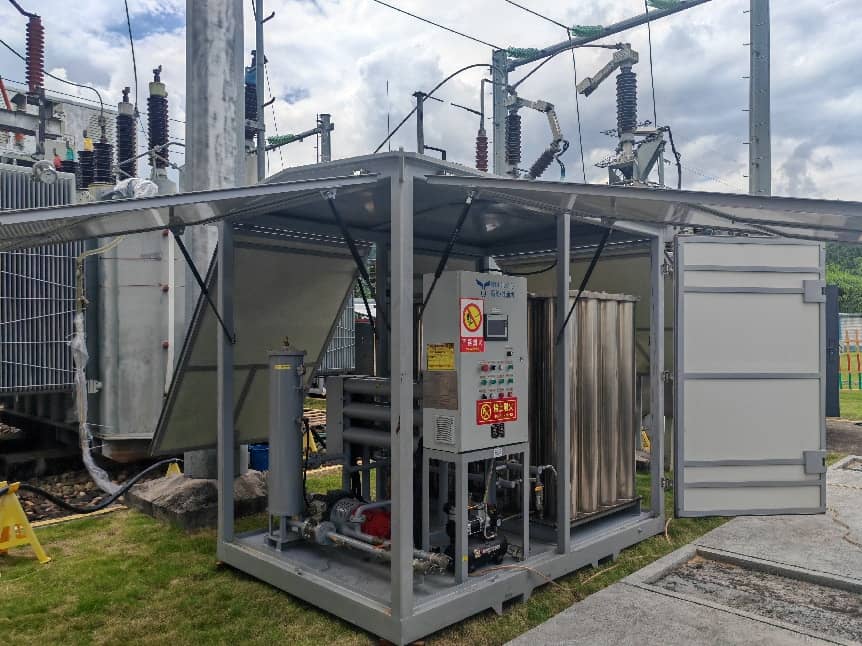
The key engineering principle is that filtration removes physical contaminants; regeneration targets chemically aged oil. For aged transformer oil, adsorption-based regeneration can use materials such as Fuller’s Earth, activated clay, or other suitable adsorbent media to capture acidic and polar oxidation products. The treatment can reduce acid number and improve other chemical properties of the oil. YUNENG’s regeneration systems use adsorption technology specifically for this type of oil degradation.
How to Reduce Transformer Oil Acidity and Prevent Further Degradation
Treatment of high-acidity oil should address both the existing degradation and the conditions that caused it.
Treat Chemically Aged Oil
When testing confirms that oxidation products and acidic compounds have accumulated, an adsorption-based regeneration process can be used to remove these compounds from the oil. The process may combine:
Oil heating → adsorption → fine filtration → vacuum dehydration/degassing → treated oil return
The exact process configuration depends on the oil condition, equipment design, and treatment objective.
Control Operating Conditions
Preventive maintenance can help slow further oxidation. Important measures include:
- Avoid unnecessary prolonged thermal stress.
- Maintain transformer cooling systems.
- Keep seals and breathing systems in good condition.
- Minimize unnecessary exposure of insulating oil to atmospheric contamination.
- Follow appropriate oil sampling and maintenance procedures.
- Track acid number trends rather than waiting for severe degradation.
Monitor Oil Condition Over Time
A useful maintenance program should establish a baseline and monitor changes in TAN together with other relevant oil properties. If the acid number begins to rise consistently, early investigation can help identify progressive oxidation before substantial sludge or insulation deterioration develops.
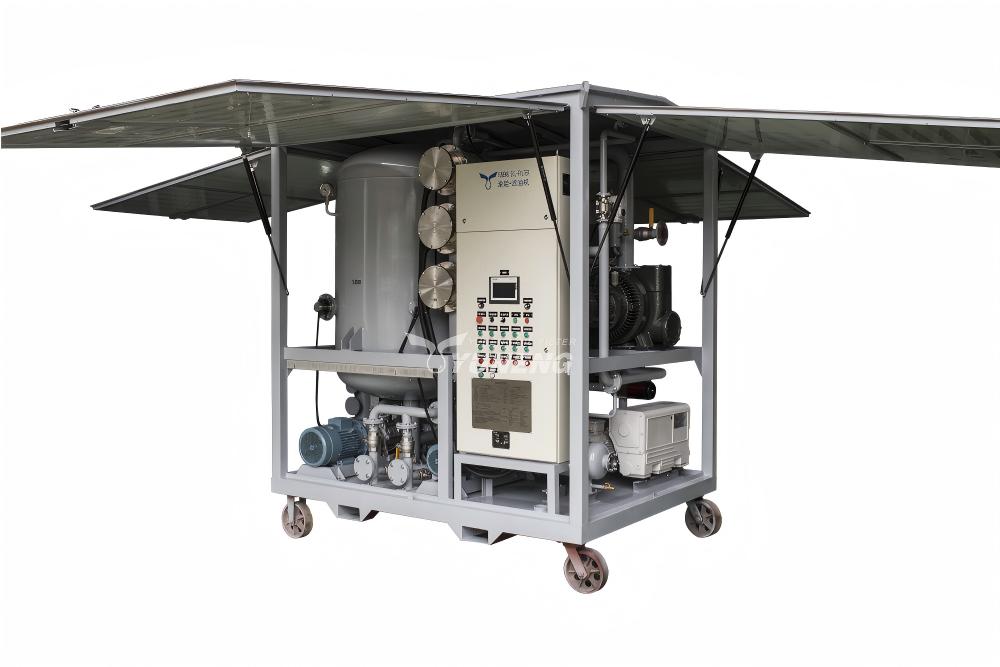
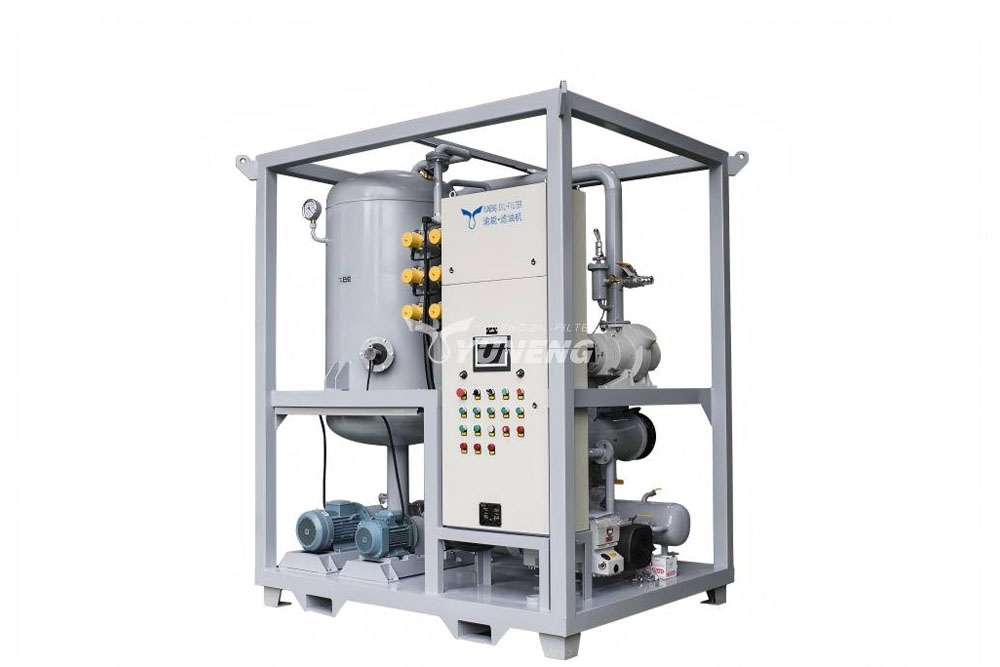
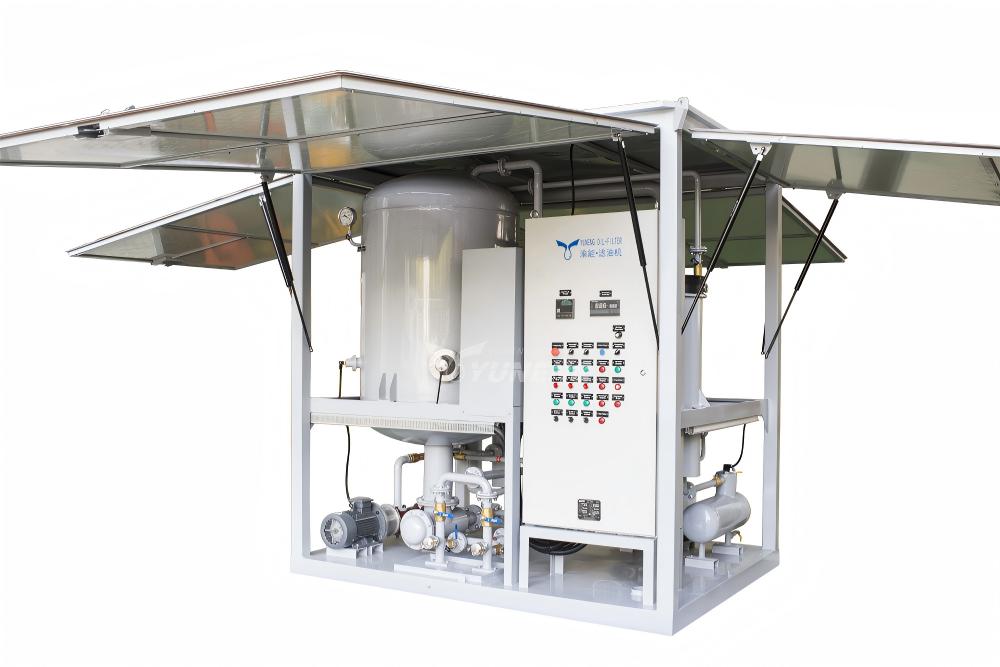
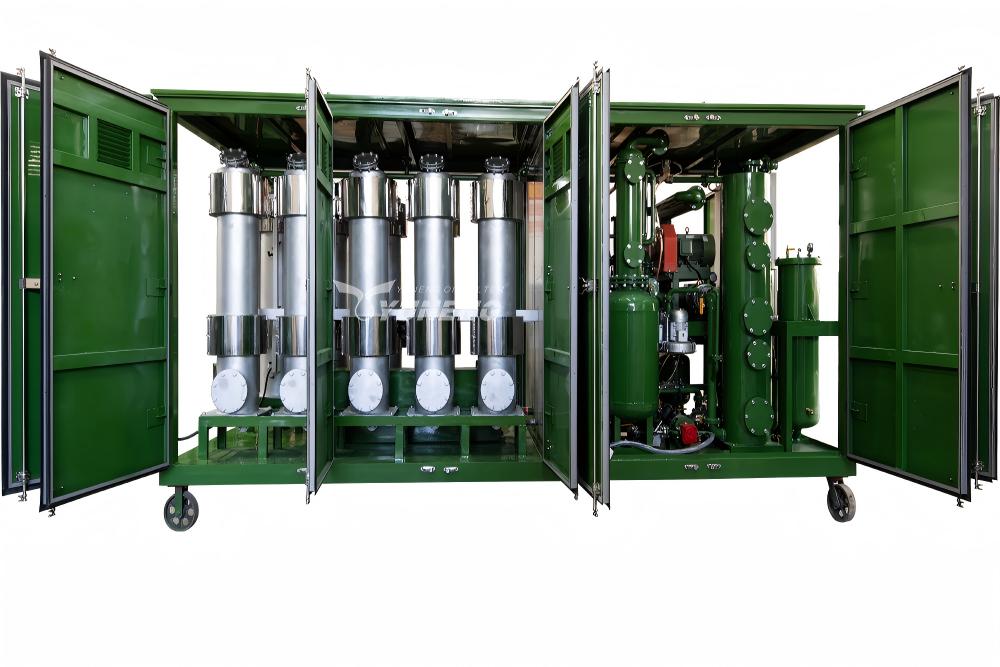
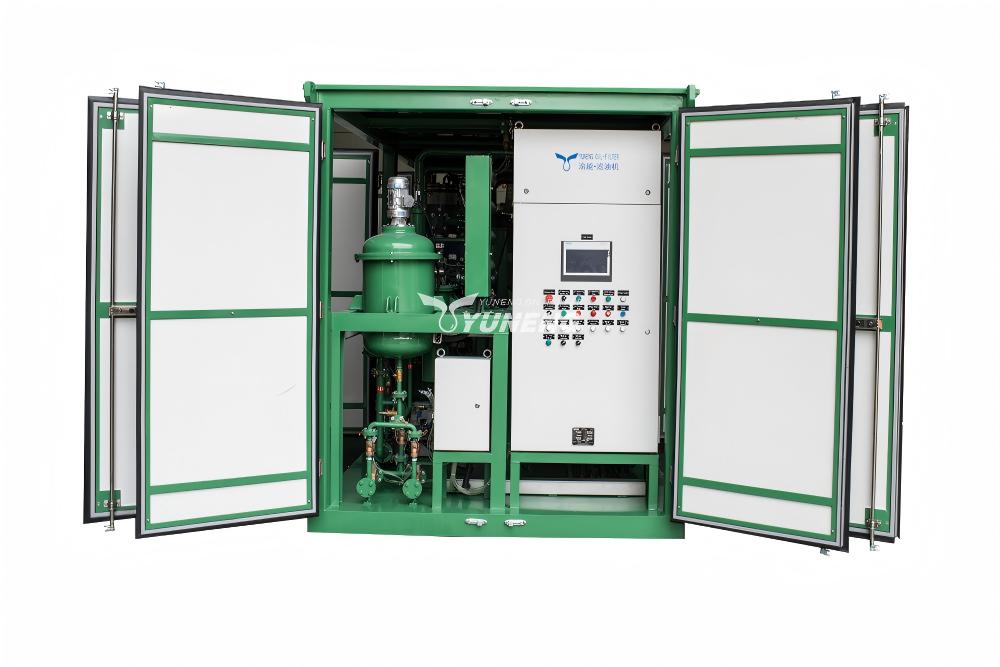
YUNENG offers transformer oil regeneration and reclamation systems for transformers with chemically aged insulating oil. These systems apply adsorption-based treatment to remove acidic and other polar degradation products. These systems can be combined with vacuum stages for purification where moisture, dissolved gases, or particulate contamination also need to be addressed.
Frequently Asked Questions
Q1: What causes the increase in acidity of transformer oil?
The main reason is the slow oxidation of the insulating oil. Heat, exposure to oxygen, operating conditions, and long-term aging can all accelerate the formation of acidic oxidation products.
Q2: Does transformer oil filtration reduce acidity?
Traditional filtration is primarily aimed at removing physical contaminants. Vacuum purification can remove moisture and dissolved gases but not the dissolved acidic oxidation products. Adsorption-based regeneration is for chemically aged oil.
Q3: Is high transformer oil acidity the same as high moisture?
No. Moisture and acidity represent different oil-condition problems. Moisture is related to water contamination and insulation moisture, while increasing acidity is primarily associated with chemical oxidation and oil aging.
Q4: How can high-acidity transformer oil be treated?
Depending on the oil condition, adsorption-based regeneration can remove acidic and polar oxidation products. The final treatment method should be selected based on laboratory results, oil history, and the applicable maintenance requirements.