How to Make the Right Transformer Oil Maintenance Decision: Filtration vs Replacement vs Regeneration

Oil Purification & Vacuum Technology Expert
Table of Contents
In today’s power systems, having transformer oil is essential. It offers electrical insulation, enhances heat removal efficiency, and shields the transformer from moisture and other harmful elements. That said, transformer oil cannot be stable for long. For instance, over time, the oil comes into contact with heat, moisture, and electricity and can weaken the insulation and affect the transformer.
Operators should select from three major transformer oil treatment approaches to achieve transformer oil treatment stability and long-term stability: oil filtration, oil regeneration, and oil replacement. Knowing when it is the right time to utilise each approach is important for reliability and for saving on lifecycle costs. This work is an engineering-oriented in-depth guide to assess the situation and determine when transformer oil filtration should be required, when it is more appropriate to perform regeneration, and when there is no choice but to perform replacement in its entirety.

What are the Mechanisms of Transformer Oil Degradation?
Physical, chemical, and electrical processes all break down transformer oil. The first step in choosing the right treatment is to know what kind of degeneration it is and how bad it is.
1. Physical Contamination
Physical contaminants contain free water and dissolved gases, and include dust, particulate matter, and cellulose fibres.
The high moisture content is especially detrimental because it greatly reduces the dielectric strength (BDV) of the oil. Additionally, the presence of particles could cause partial discharge, which results in insulation degradation.
Typical sources of physical contamination include:
- Moisture ingress through a breathing system
- Inadequate sealing or aged gaskets
- Maintenance operations introducing dust and fibers
- Natural aging of insulation kraft paper
2. Chemical Degradation
Transformer oil oxidizes over time, especially at elevated temperatures. Oxidation results in:
- Higher acid number (TAN)
- Formation of sludge deposits
- Darkening of oil color
- Corrosive by-products that damage winding insulation
These chemical changes cannot be reversed by simple filtration.
3. Fault-Generated Contaminants
Electrical faults such as arcing, sparking, and hot spots produce carbon particles and abnormal gases (H₂, C₂H₂, CH₄). A change in dissolved gas analysis (DGA) patterns often indicates deeper internal issues.
Transformer Oil Filtration — When It Is Needed
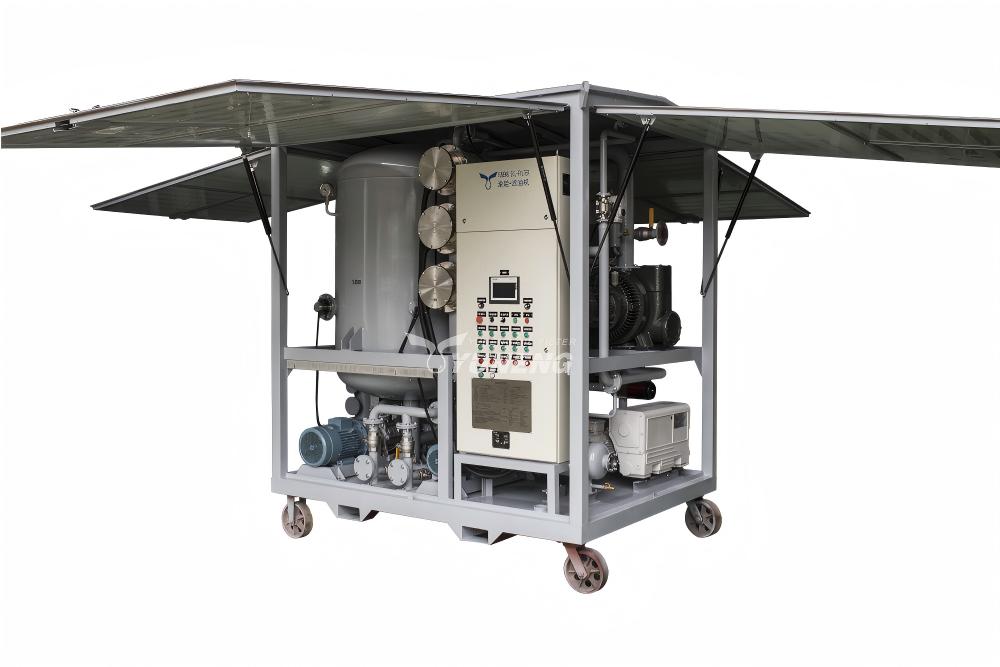
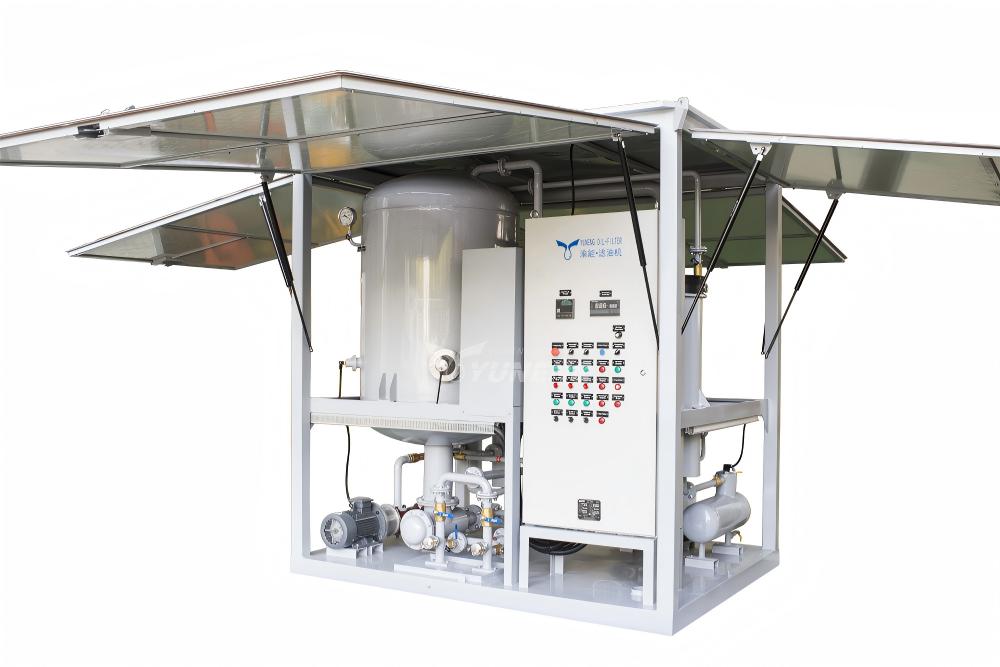
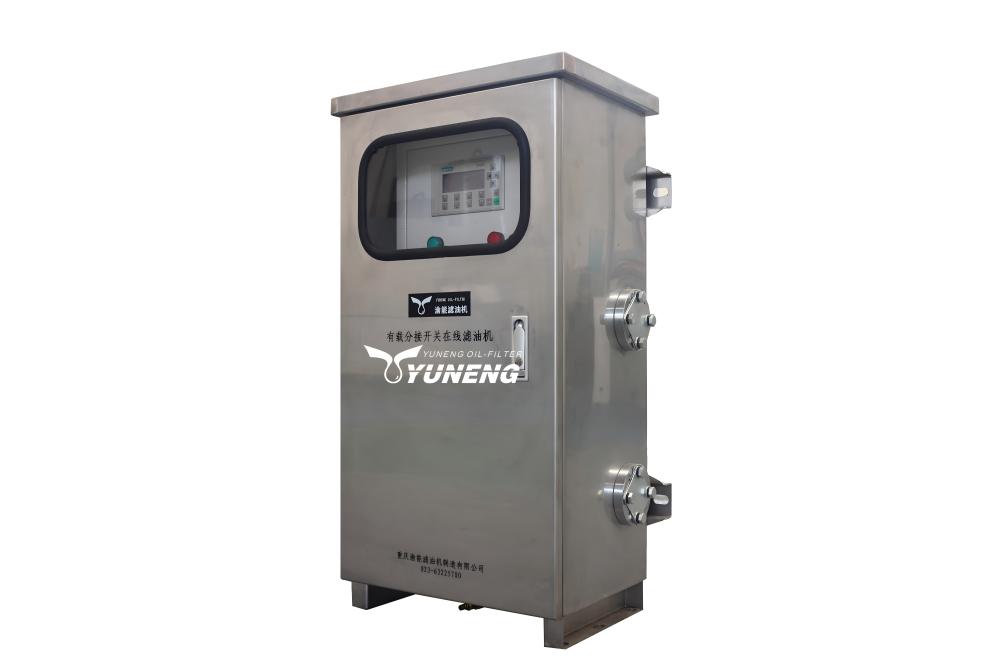
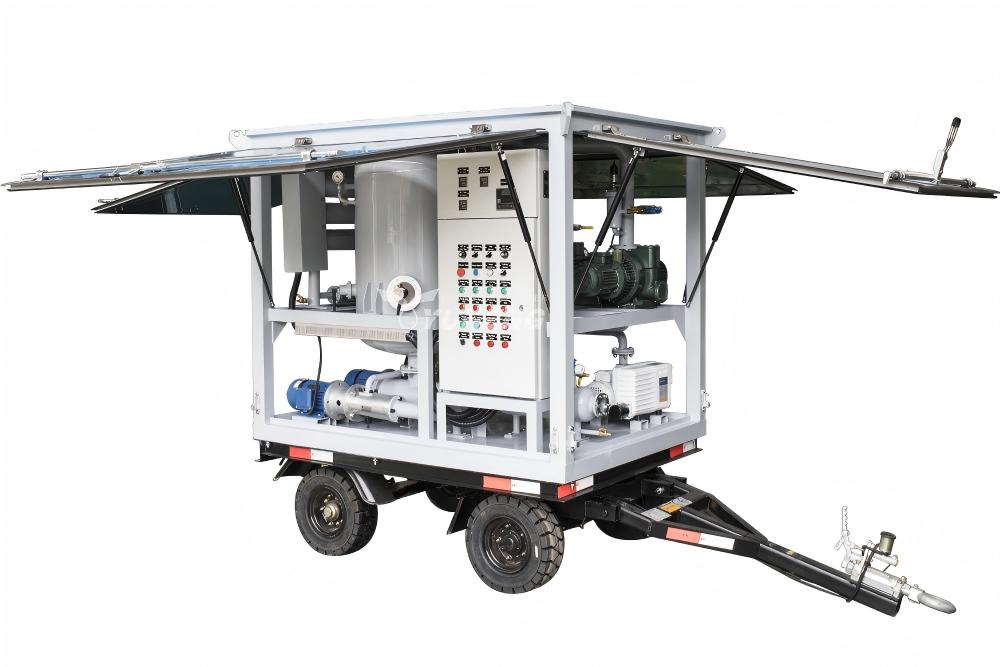
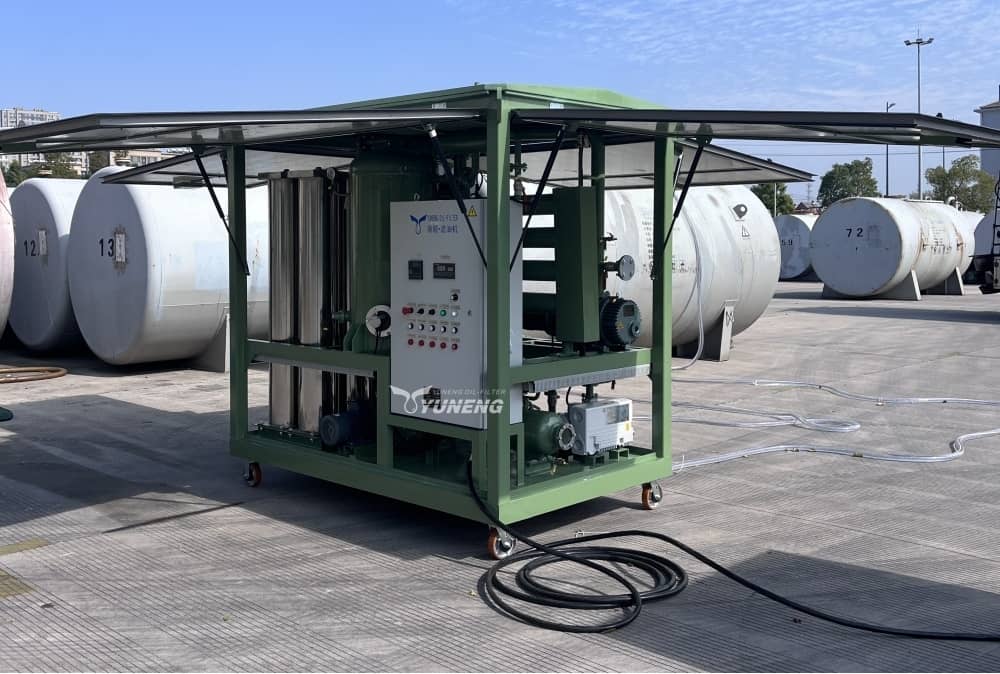
Most people quite frequently and for the least price rehabilitate the oil’s physical characteristics by passing the oil through a transformer. Current technology, such as a transformer oil purifier, can remove moisture, gas, and solid contaminants through vacuum dehydration, mesh filtration, and degassing.
1. What Filtration Can Fix
Filtration is effective for:
- Removing free and dissolved moisture
- Removing solid contaminants
- Reducing dissolved air and gas contents
- Improving dielectric strength (BDV)
- Cleaning oil after repairs or installation
2. When Filtration Is Recommended
Filtration is appropriate when:
- BDV decreases but TAN remains normal
- Oil appears cloudy due to moisture contamination
- Dissolved moisture exceeds IEEE/IEC thresholds
- Particles increase due to aging paper
- New transformers require pre-commissioning treatment
- Oil becomes contaminated during maintenance activities
In short, filtration is ideal when the physical contamination is the dominant problem.
3. Limitations of Filtration
Filtration cannot:
- Reduce acid number (TAN)
- Remove oxidation by-products
- Dissolve or eliminate sludge
- Restore severely aged oil
When oxidation has progressed, filtration alone is insufficient, and regeneration must be considered.
Transformer Oil Replacement — When It Becomes Necessary
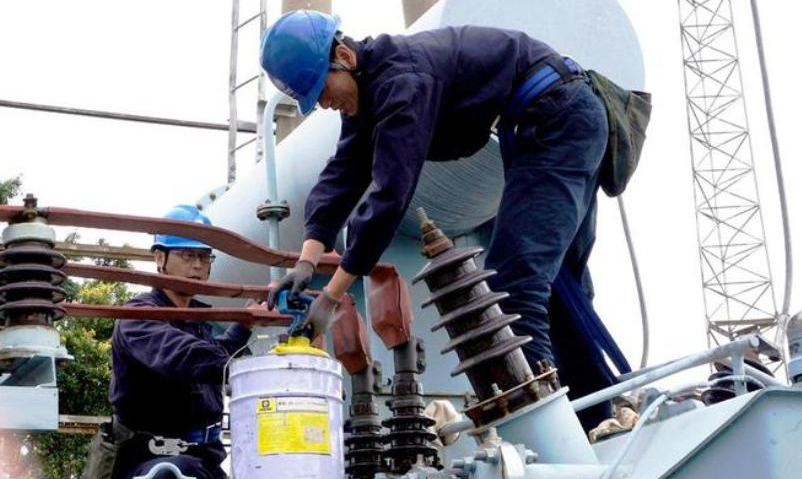
To replace oil, you need to drain the old oil and fill the transformer with new oil. This is the most direct way, but it costs more and takes longer to get back up and running.
1. When Replacement Is the Only Option
Replacement becomes necessary when:
- Oil is severely oxidized, with a high TAN
- Sludge deposits block radiator fins or channels
- Oil has turned dark brown or emits a burnt odor
- Corrosive sulfur compounds are present
- Catastrophic internal faults cause heavy carbon contamination
2. Benefits of Replacement
- Guarantees restoration to “like-new” oil properties
- Removes chemical contaminants completely
- Useful for older units with repeated oil failures
3. Drawbacks and Risks
- High cost of virgin oil
- Long offline period
- Environmental disposal requirements
- New oil still requires filtration before use
- Does not fix root causes such as cooling issues or moisture ingress
Because of these limitations, oil replacement is generally a last resort.
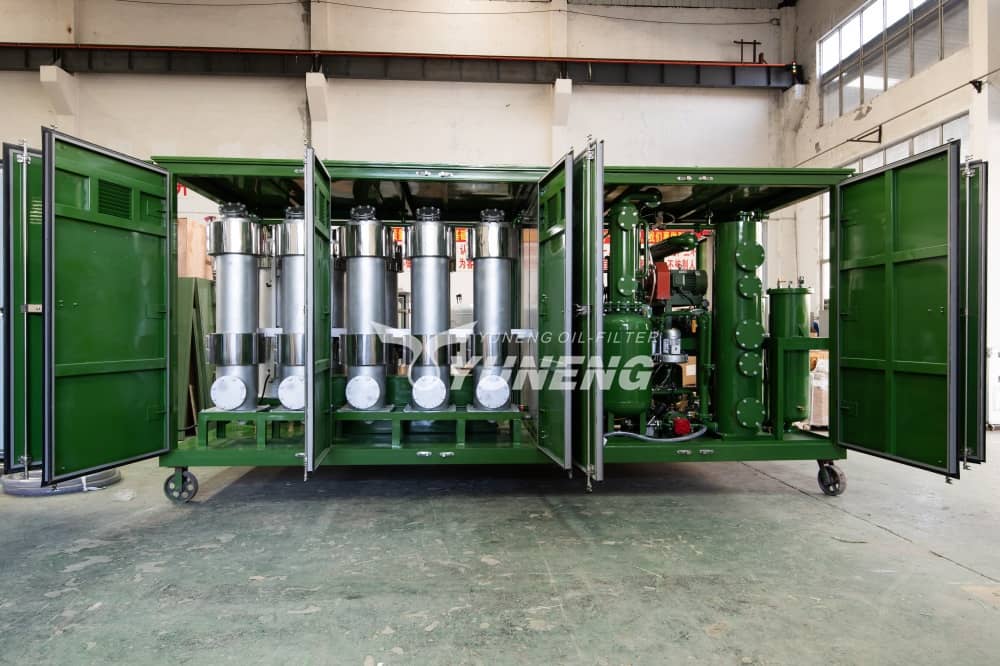
Transformer Oil Regeneration — The Best Option for Aged Oil
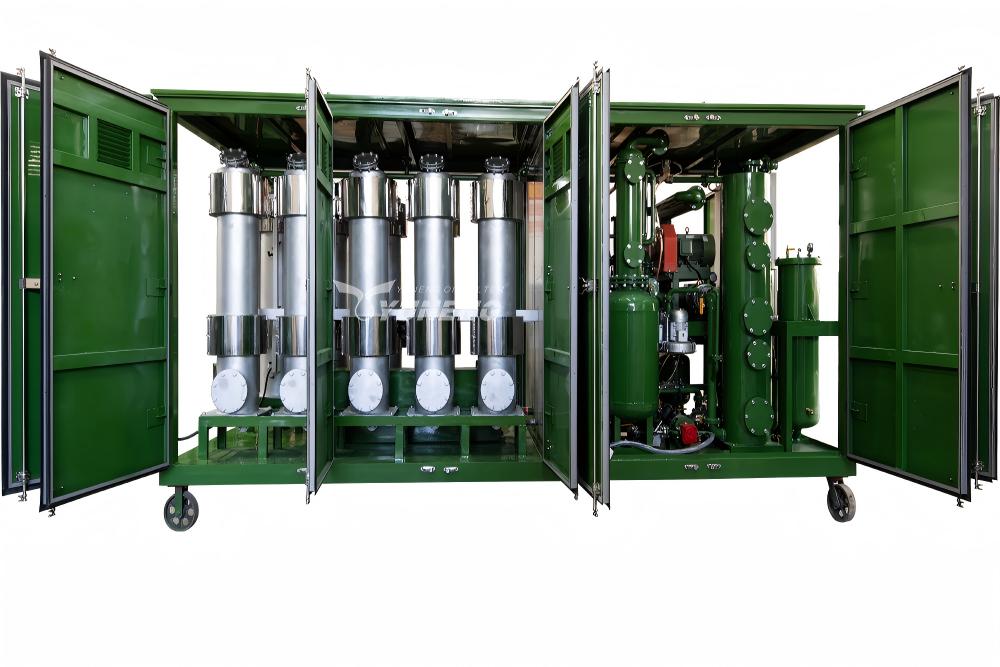
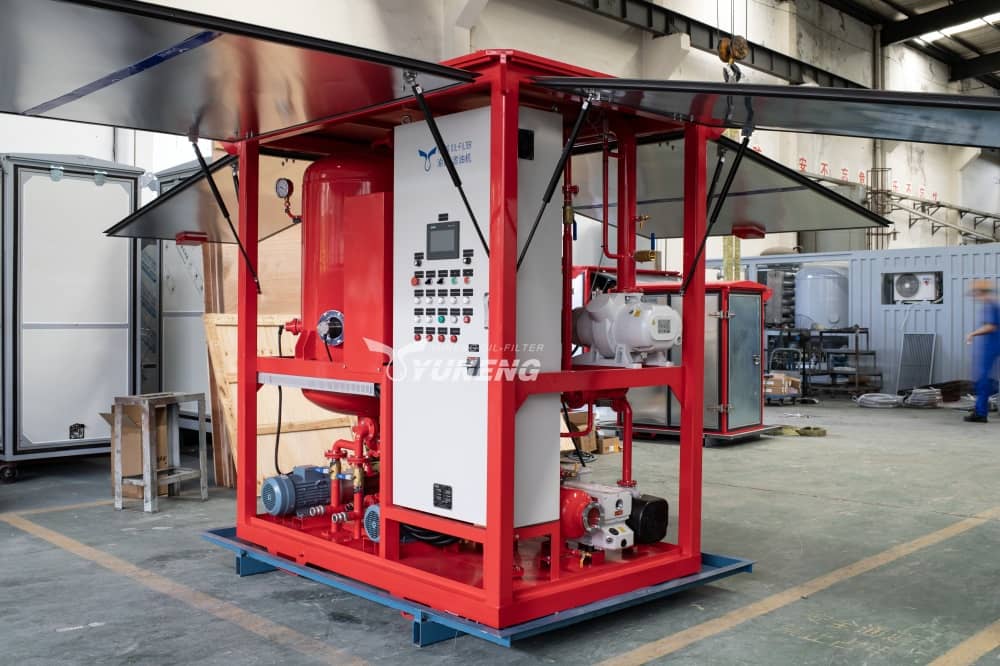
Oil regeneration is an advanced transformer oil treatment method that removes chemical degradation products using adsorbents such as Fuller’s Earth or activated alumina. Regeneration restores both the chemical and physical characteristics of the oil.
1. What Regeneration Can Achieve
Regeneration can:
- Reduce acid number (TAN)
- Restore oil color
- Remove sludge and oxidation by-products
- Improve dielectric strength
- Extend the oil’s service life for many years
2. When Regeneration Is Ideal
Regeneration is the recommended choice when:
- Oil is moderately oxidized but not yet at the end-of-life
- TAN level is rising
- Sludge appears but has not yet caused severe blockage
- BDV remains recoverable
- The transformer is large and replacement costs are high
- Utilities aim to extend asset life through condition-based maintenance
3. Limitations
- Cannot fully restore oil that has undergone extreme oxidation
- Requires specialized regeneration systems
- Must be carefully controlled to avoid secondary contamination
Regeneration fills the gap between filtration and replacement, providing a balanced and cost-effective strategy.
Technical Indicators for Choosing Filtration, Regeneration, or Replacement
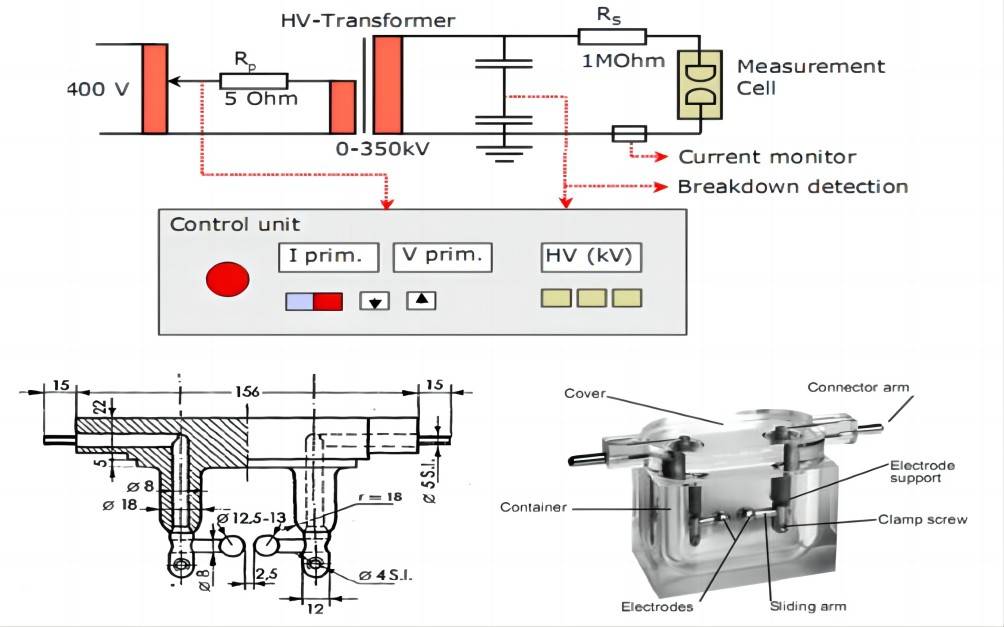
When selecting a means of treating transformer oil, it is important to look at more than one technical signal to inform the decision. Key diagnostic tests such as BDV, moisture, total acid number (TAN), interfacial tension (IFT), dissolved gas analysis (DGA) and visual inspection together make it possible to assess both the physical and chemical degradation of the oil.
The table below summarises standard operational limits and assigns an appropriate maintenance strategy for each case. With this decision matrix, engineers can perform condition-based decision making and sidestep unnecessary oil changes. Based on the oil’s moisture, oxidised content, sludge and gas levels, utilities can rapidly assess the need for a transformer oil purifier, oil regeneration system or a complete oil change.
| Parameter | Condition | Typical Threshold | Recommended Treatment |
| BDV | Low | < 45 kV | Filtration |
| Moisture (ppm) | High | > 30–40 ppm | Filtration |
| Acid Number (TAN) | Rising | 0.2–0.4 mgKOH/g | Regeneration |
| Sludge | Moderate | Early deposits | Regeneration |
| Sludge | Heavy / blocking | Massive accumulation | Replacement |
| DGA Fault Gases | Abnormal | H₂, C₂H₂ ↑ | Investigation + Treatment Based on Fault Severity |
Cost, Downtime, and Performance Comparison
Different transformer oil treatment methods vary significantly in cost, downtime, and restoration capability. Utilities must evaluate these factors together with asset value, transformer age, and operational criticality. Filtration is the most economical solution for routine maintenance, offering fast moisture and particle removal with minimal service interruption. Oil regeneration provides deeper chemical restoration, making it the preferred option for extending the life of large power transformers. Replacement delivers complete recovery but is costly and requires extended outage time.
The following table summarizes key characteristics to help maintenance teams select the most economical and technically appropriate solution.
| Aspect | Filtration | Regeneration | Replacement |
| Cost | Low | Medium | High |
| Downtime | Short | Moderate | Long |
| Restores Moisture/Particles | ✔ | ✔ | ✔ |
| Restores Chemical Properties | ✘ | ✔ | ✔ |
| Removes Sludge | ✘ | Partial/Full | ✔ |
| Best Application | Physical contamination | Medium oxidation | Severe degradation |
Practical Scenarios & Case-Based Recommendations
In real life, transformers have to deal with complex combinations of corrosion, pollution, and electrical ageing. This gets complicated with the elements of the maintenance and managerial staff. Evaluation of past cases streamlines the functionality of all systems and ensures that maintenance activities are scheduled based on the degree of wear of the equipment.
The following table provides representative scenarios and the recommended treatment method based on measurable parameters and operational symptoms. This structured approach helps engineers respond appropriately to BDV decline, sludge formation, increased TAN, and abnormal DGA patterns. By applying these recommendations, utilities can prevent premature transformer failure while optimizing oil lifecycle management.
| Scenario | Symptoms / Data | Recommended Action |
| BDV drop from 60 kV → 40 kV | Moisture + particles | Filtration using transformer oil purifier |
| TAN rises from 0.1 → 0.4 | Color darkening, early oxidation | Regeneration |
| Heavy sludge at radiator base | Thick deposits, overheating | Replacement |
| New transformer commissioning | New oil with high dissolved air | Filtration + vacuum degassing |
| Abnormal DGA gases | Possible internal fault | Diagnose fault + appropriate oil treatment |
Final Thoughts
Choosing between transformer oil filtration, regeneration, and replacement requires understanding the oil’s condition and degradation patterns.
- Filtration is ideal for moisture, particles, and gas removal.
- Regeneration is the best choice for moderately oxidized oil needing chemical restoration.
- Replacement is reserved for severely deteriorated oil beyond recovery.
Utilities can extend the life of transformers, cut down on failures, and get the most out of their investment by using a condition-based approach that includes lab testing, diagnostic testing, and the right usage of transformer oil filtration machines.