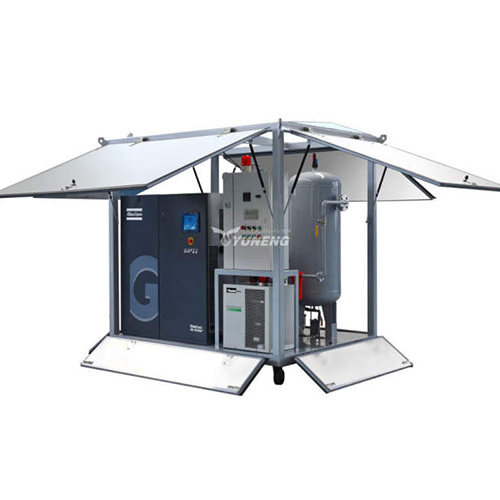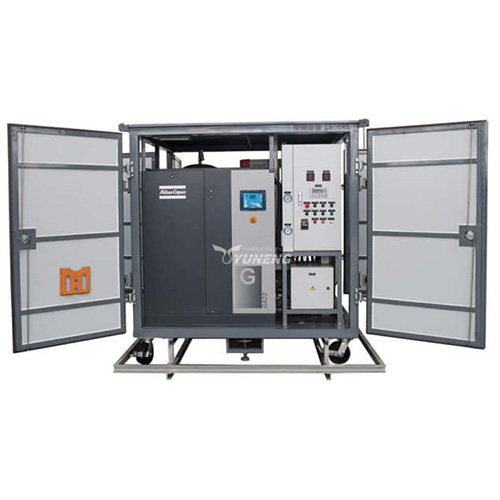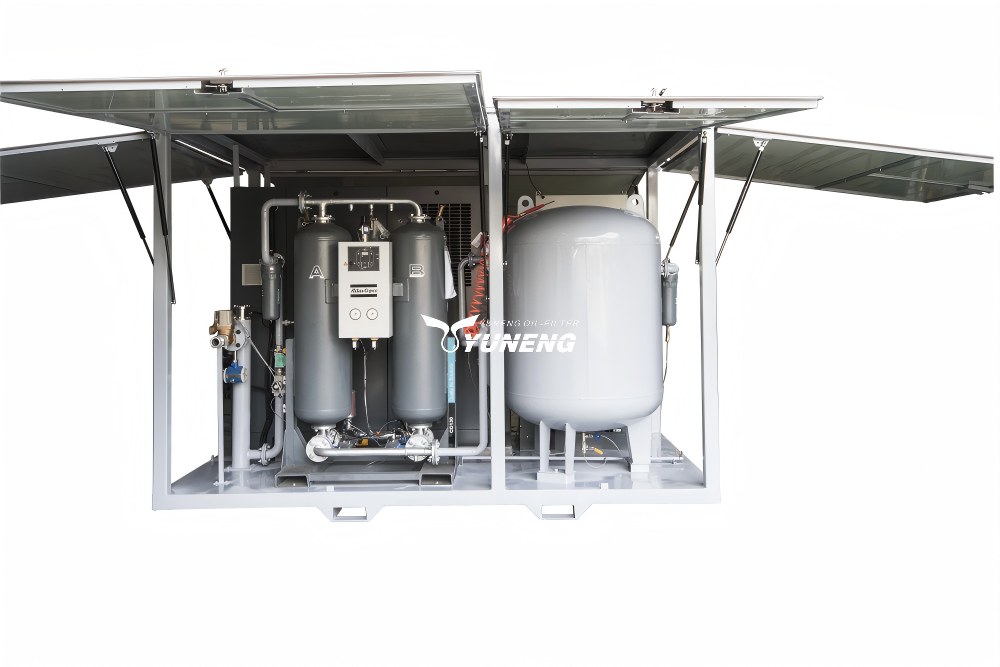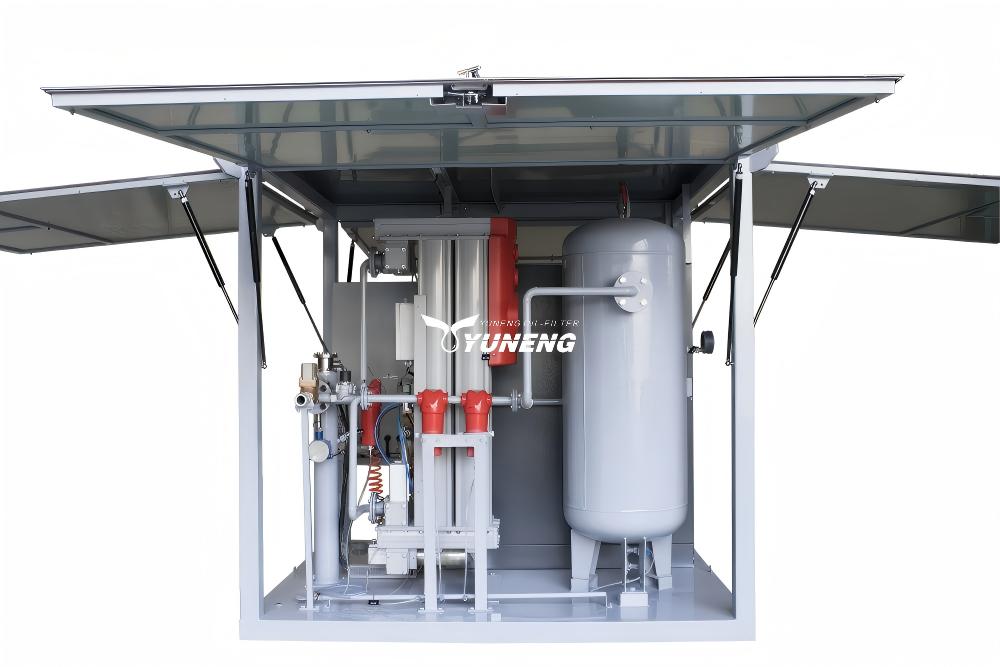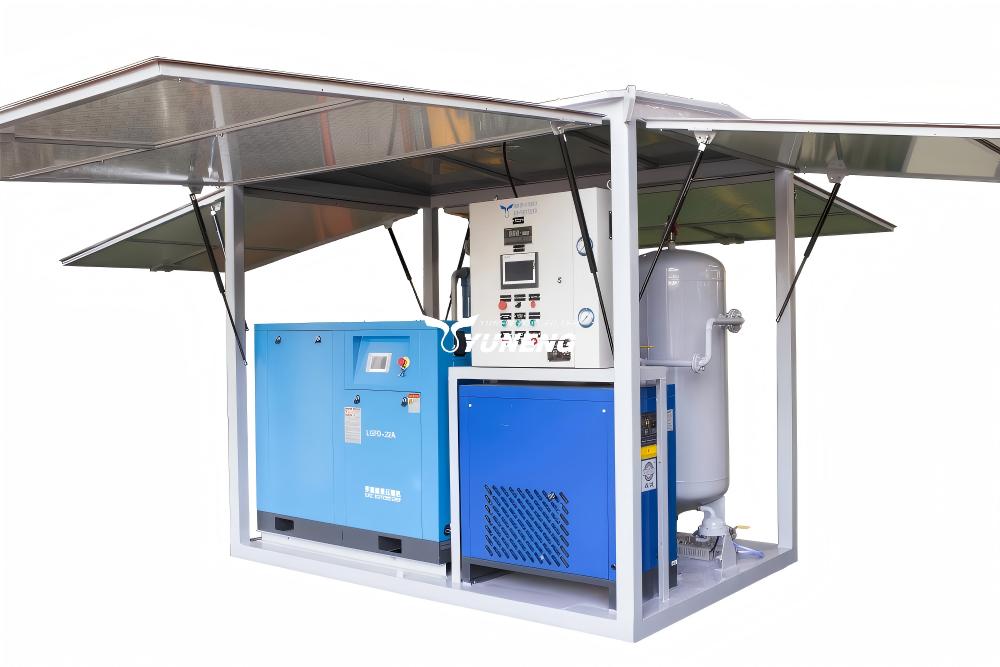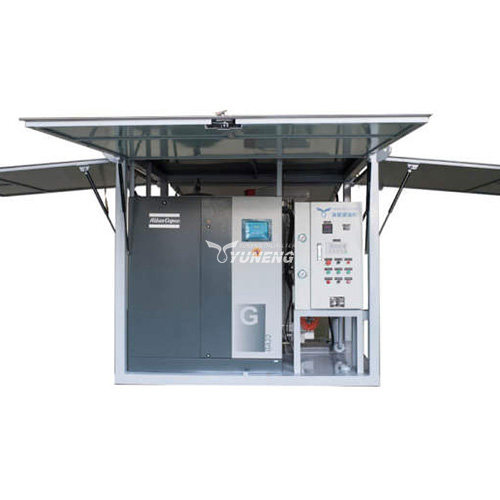
High-Performance Dry Air Generator for Transformer: -70°C Dew Point Solutions

Power Utility Gas & Insulation Specialist
Table of Contents
The present world energy system is experiencing a fundamental transformation. The drive for carbon neutrality by countries leads to increased demand for high-voltage power transmission systems, which must now support extensive renewable energy sources. The power transformer functions as the main component of the system, which demands precise maintenance procedures.
Today, the dry air generator has transitioned from a specialized auxiliary tool to an indispensable “must-have” for transformer installation and maintenance. The article demonstrates how high-performance dry air systems protect future power grid operations, especially in Southeast Asia and Africa, which have rapidly growing markets.
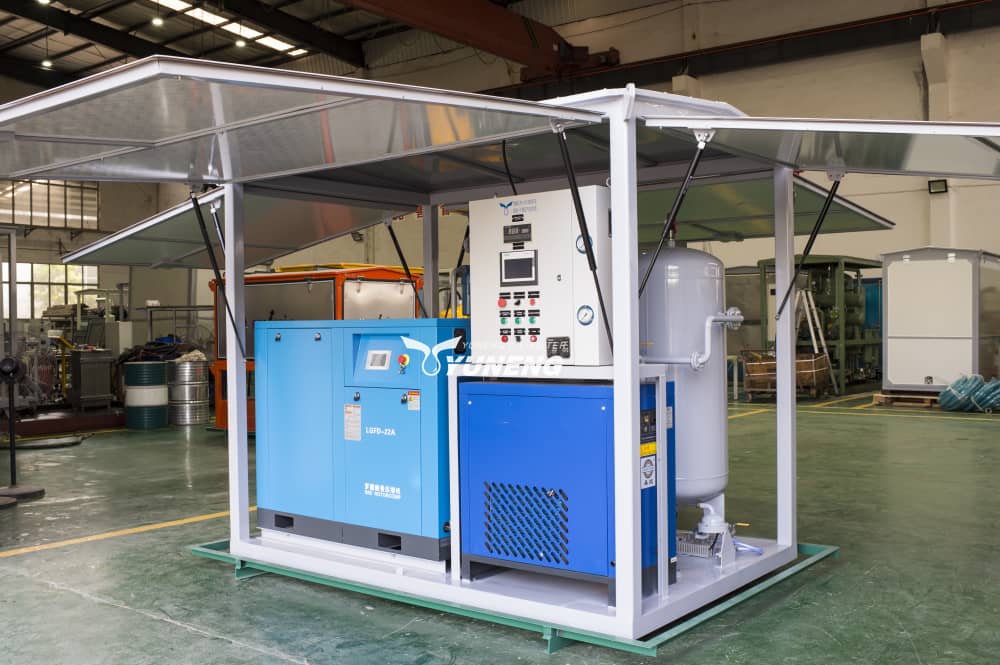
The Critical Role of Dry Air in Transformer Longevity
Moisture represents the greatest threat to high-voltage engineering work. The cellulose paper that forms the main component of transformer solid insulation functions as a material that absorbs water. The insulation dielectric strength will decrease through partial discharge or complete failure when the moisture content increases by just one more unit.
Transformers require their tank to be opened during installation, internal inspections, and main system repairs because these procedures need access to their core and windings. The dry air generator for transformer maintenance serves this purpose. The equipment produces an ultra-dry air stream through pressurization to establish a protective barrier that stops tank humidity from entering. The process maintains dry internal components through all environmental conditions, which represent the most difficult situations.
Global Drivers: Why Demand is Surging in 2026
The demand for high-performance dry air systems is no longer confined to developed economies. Two major regions are currently driving the global market:
Southeast Asia: Conquering the Humidity Barrier
Southeast Asia is home to some of the world’s most ambitious grid projects, such as Vietnam’s PDP8 (Power Development Plan 8) and the ASEAN Power Grid interconnectivity initiative. The region faces a major technical problem because of its tropical weather conditions. The standard air dryer system fails to operate effectively because the ambient humidity reaches a level that exceeds 80%.
Engineers in Indonesia, Thailand, and Malaysia are increasingly specifying dry air generators that maintain their output dew point at -70°C. The high-performance units use dual-tower adsorption technology together with built-in refrigeration systems to deliver completely dry air into a 500kV transformer even during tropical weather conditions.
Africa: The Leapfrog in Grid Infrastructure
Sub-Saharan Africa is undergoing a “leapfrog” advancement, which enables it to skip all intermediate technologies and adopt UHVDC (Ultra-High Voltage Direct Current) systems for transmitting hydro and solar power over extensive distances. The requirement for durable mobile maintenance tools exists as the primary need between South Africa’s power grid upgrades and Ethiopia’s energy export routes.
In these regions, reliability is the primary driver. Maintenance teams require dry air generator units that are not only high-performing but also “intelligent”—featuring PLC systems that allow for automated operation and remote monitoring in remote, off-grid locations.
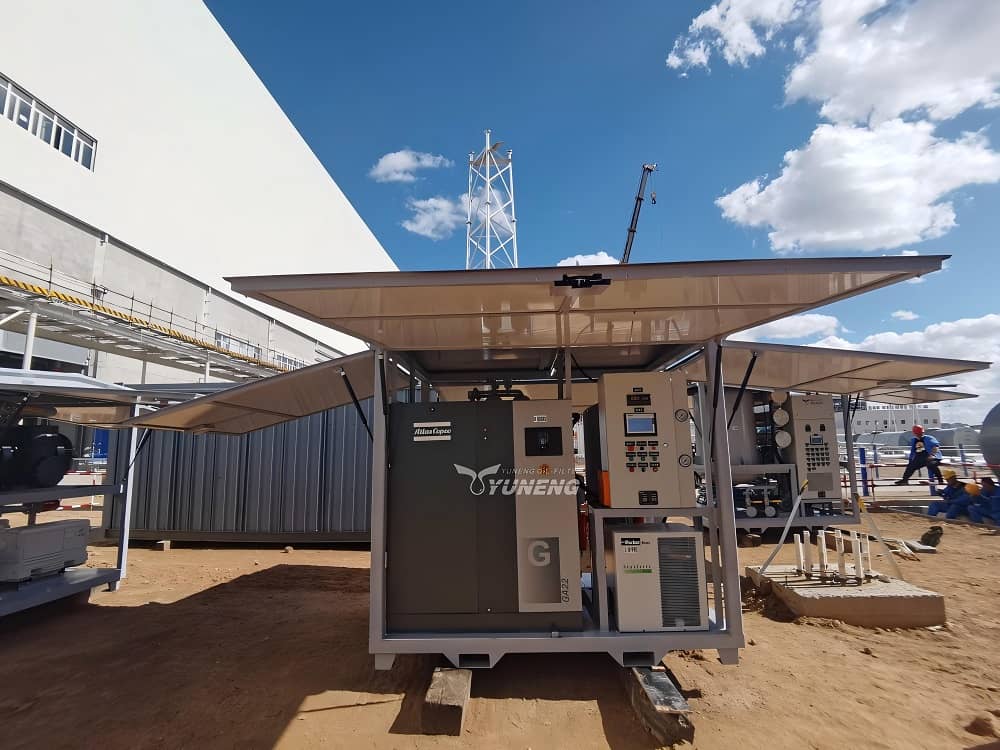
Defining “High Performance”: Technical Benchmarks
Not all dry air systems are created equal. For B2B buyers and lead engineers, “high performance” is defined by three critical technical pillars:
1. Ultra-Low Dew Point Stability
The gold standard for UHV transformer maintenance is a dew point of -50°C to -70°C. High-performance units achieve this through a sophisticated “combined drying” method:
- Refrigerant Drying: Lowers the air temperature to condense the bulk of the moisture.
- Adsorption Drying: Uses molecular sieves or activated alumina to “scrub” the remaining water vapor to molecular levels.
2. Air Purity and Oil-Free Delivery
Modern transformers cannot tolerate contaminants. A high-performance dry air generator must incorporate multi-stage filtration to ensure the air is 100% oil-free and filtered to a particle size of less than 0.01μm. This prevents the introduction of dust or hydrocarbons into the transformer oil system.
3. Intelligent PLC Integration
In 2026, manual operation is a liability. Advanced units are now equipped with PLC (Programmable Logic Controller) systems. These systems provide real-time data on:
- Output pressure and flow rates.
- Continuous dew point monitoring.
- Automatic desiccant regeneration cycles.
This intelligence reduces human error and allows for 24/7 operation during lengthy transformer “breathable” maintenance cycles.
Economic Value: ROI Beyond the Machine
The purchase of a high-end dry air generator for transformer construction work serves both as a technical requirement and as a financial strategy.
- Reduced Construction Time: These machines provide stable, dry conditions, which enable maintenance teams to continue working during humid and rainy weather.
- Extended Asset Life: Proper moisture control during maintenance can add years to a transformer’s operational life, significantly lowering the Levelized Cost of Electricity (LCOE) for utility providers.
- SF6 Handling Compliance: As the industry moves toward greener alternatives or stricter SF6 gas management, dry air generators are increasingly used to purge and dry GIS (Gas Insulated Switchgear) equipment, helping companies meet environmental ESG goals.
The strength of renewable energy systems depends on the capacity of the electrical grid that transmits the energy. The grid requires high-voltage transformers as its essential components, which need exact maintenance tools for their proper functioning.
The dry air generator protects power stability in three different locations, which include a 750kV substation in Central Asia’s deserts, an offshore wind farm hub in the North Sea, and a new interconnector that connects Southeast Asia. Decision-makers at present must select high-performance equipment to establish a resilient, carbon-neutral future.
FAQ: What You Need to Know
Q1: Can I use a standard industrial air compressor for transformer maintenance?
A1: No. Standard compressors do not achieve the ultra-low dew points (-70°C) or the high level of oil-free filtration required for high-voltage insulation.
Q2: How often should the desiccant in a dry air generator be replaced?
A2: With a high-quality PLC-controlled system, desiccants typically last 2–3 years, but this depends on the atmospheric humidity and the frequency of use.
Q3: Are mobile units as effective as stationary ones?
A3: Yes. Modern mobile/containerized dry air generators are engineered to provide the same technical specifications as stationary plant systems, offering the added benefit of on-site flexibility.