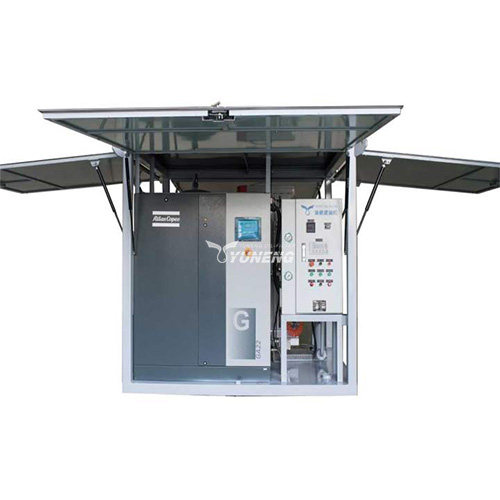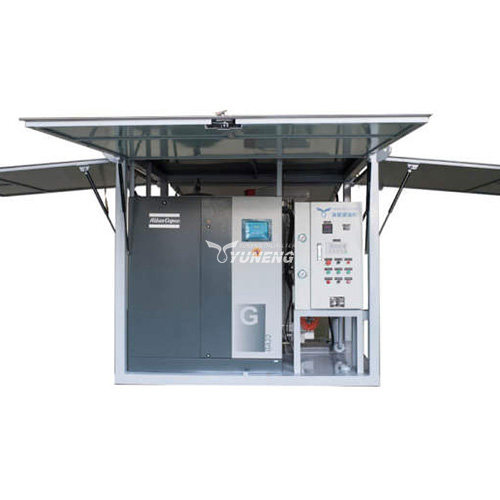
How Dry Air Generators Optimize Transformer Vacuum Drying Processes

Power Utility Gas & Insulation Specialist
Table of Contents
In high-voltage electrical engineering, removing moisture from the solid insulation system of a power transformer is a critical procedure during installation, commissioning, and major overhauls. Kraft paper and pressboard possess high hygroscopic properties, and any residual moisture drastically reduces the dielectric strength of the insulation, accelerates thermal aging, and increases the risk of catastrophic failure under operational stress. While using a vacuum pumping system is the standard industry method to extract water from the transformer core and windings, pure vacuum application has inherent physical limitations. To overcome these limitations, field engineers integrate a dry air generator into the drying protocol. This article analyzes how a dry air generator improves the efficiency and localized physics of the transformer vacuum drying process.
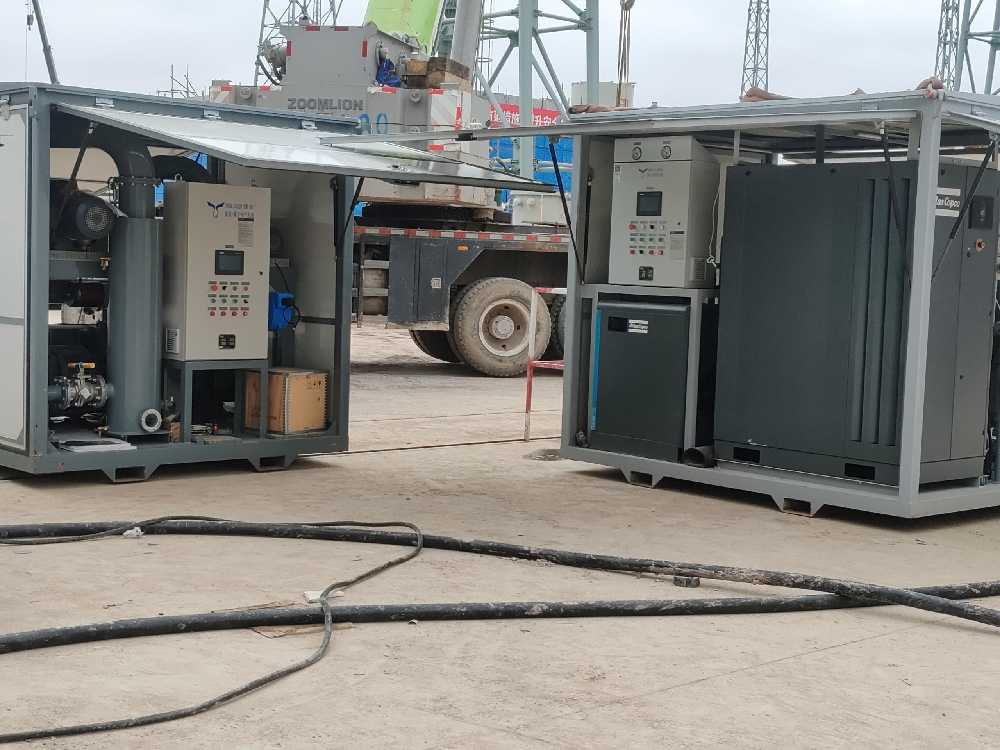
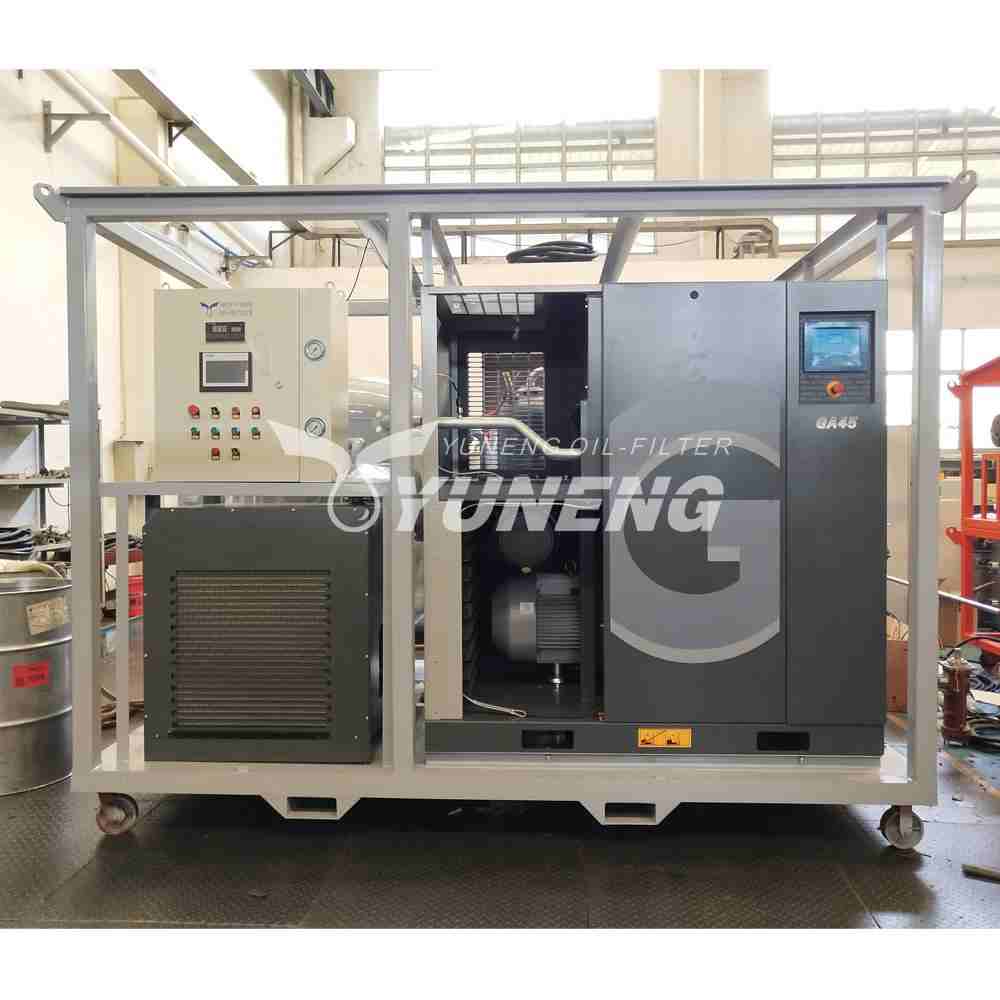
The Physics Bottleneck of Pure Vacuum Drying for Transformer
In normal factory or field processing, a high-capacity vacuum pumping system reduces the internal pressure of the transformer tank to less than 100 Pa or less than 10 Pa in extra-high voltage units. The low absolute pressure reduces the boiling point of water so that moisture trapped within the paper insulation can vaporise at ambient field temperatures. But this transition causes two main physical problems that limit the dehydration process.
The “Ice-Out” Effect
When water transitions from a liquid state to a vapor state inside the capillaries of the insulation paper, it requires a specific amount of energy known as the latent heat of vaporization. In a pure vacuum environment, this energy is drawn directly from the surrounding insulation material and the localized metal core structures. Because water vaporizes rapidly under low absolute pressure, the heat loss is accelerated. This causes the internal temperature of the solid insulation to drop rapidly. If the temperature of the insulation drops below 0°C before the water is fully extracted, the remaining moisture freezes inside the paper matrix. This phenomenon is known as the ice-out effect. Once moisture turns to ice, its vapor pressure drops significantly, making it mathematically and physically impossible for the vacuum pumping system to extract the remaining water.
The Heat Transfer Vacuum
To counter the temperature drop caused by vaporization, thermal energy must be continuously supplied to the transformer internals. However, a vacuum is an excellent thermal insulator. In a deep vacuum state, there are virtually no air molecules available to facilitate convective heat transfer. The transfer of thermal energy from external heaters or internal oil circulation tanks to the innermost layers of the windings must rely entirely on thermal radiation and solid-to-solid metallic conduction. Solid conduction is limited by the geometric contact points of the structure, and thermal radiation is highly inefficient at typical drying temperatures of 60°C to 80°C. Consequently, the core and windings suffer from a severe heat transfer bottleneck, stalling the vaporization process.
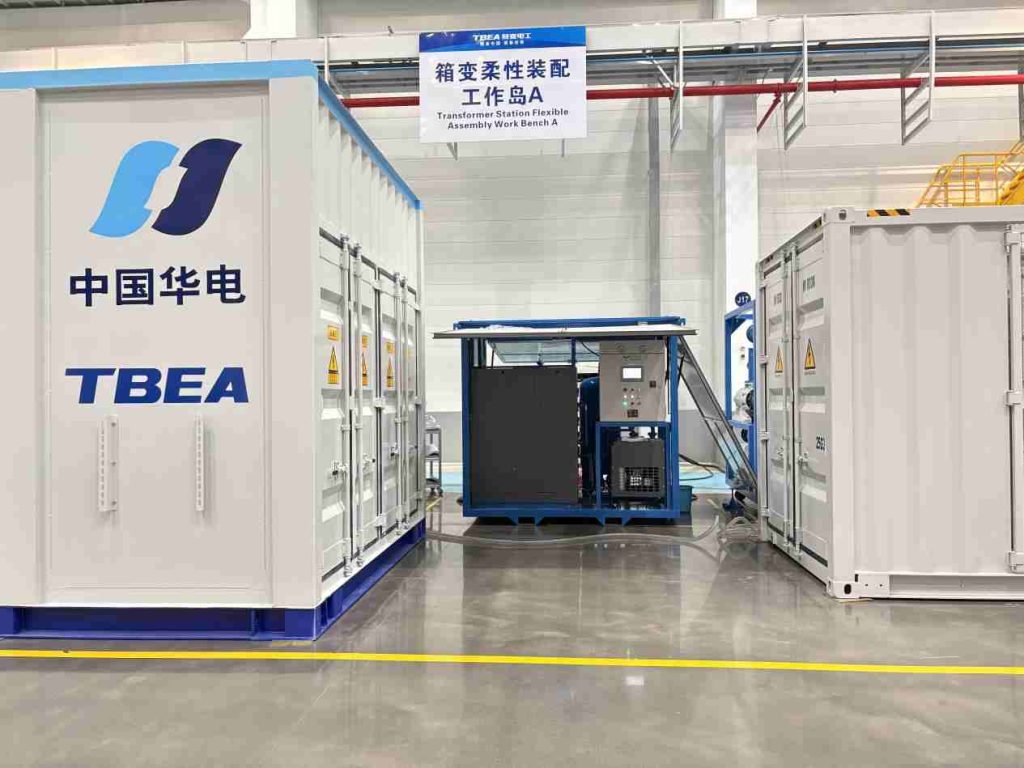
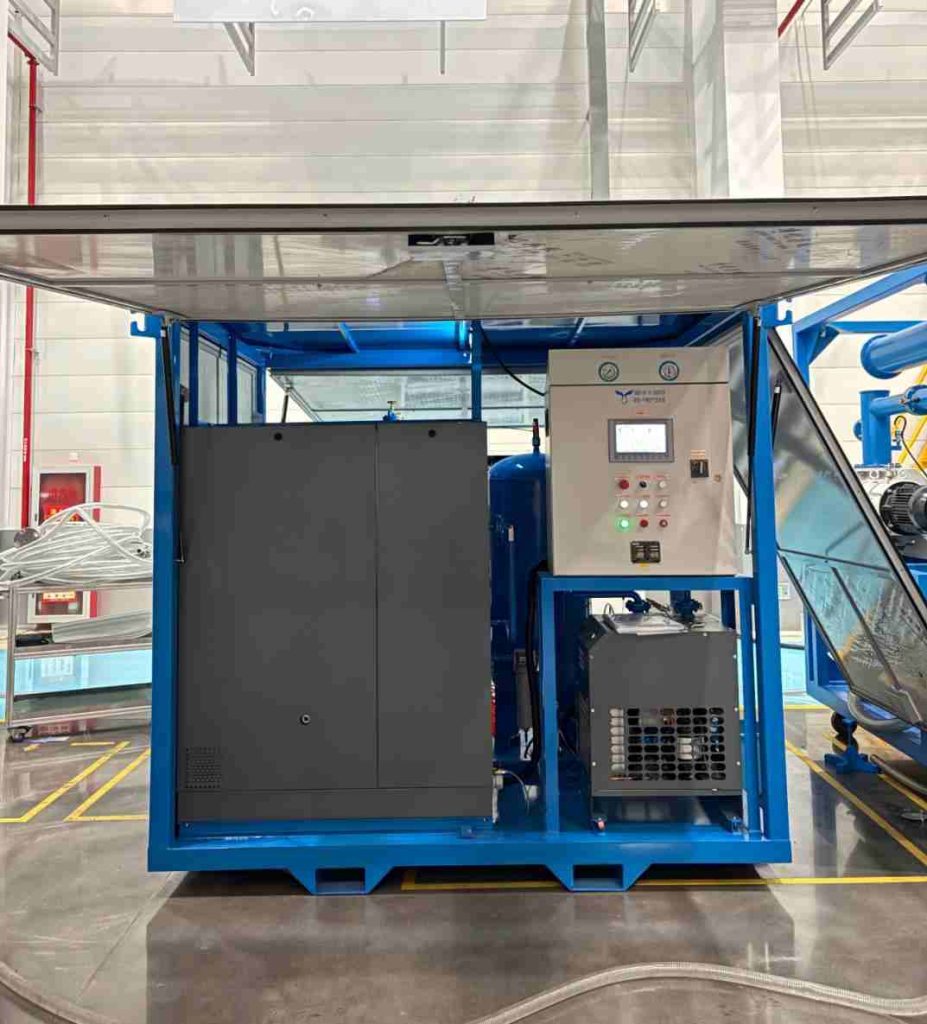
How a Dry Air Generator Rewrites the Drying Process
Integrating a dry air generator directly addresses these thermodynamic limitations by modifying the gas composition and heat capacity inside the transformer tank during specific phases of the drying cycle.
Breaking the Thermal Barrier via Convection Heating
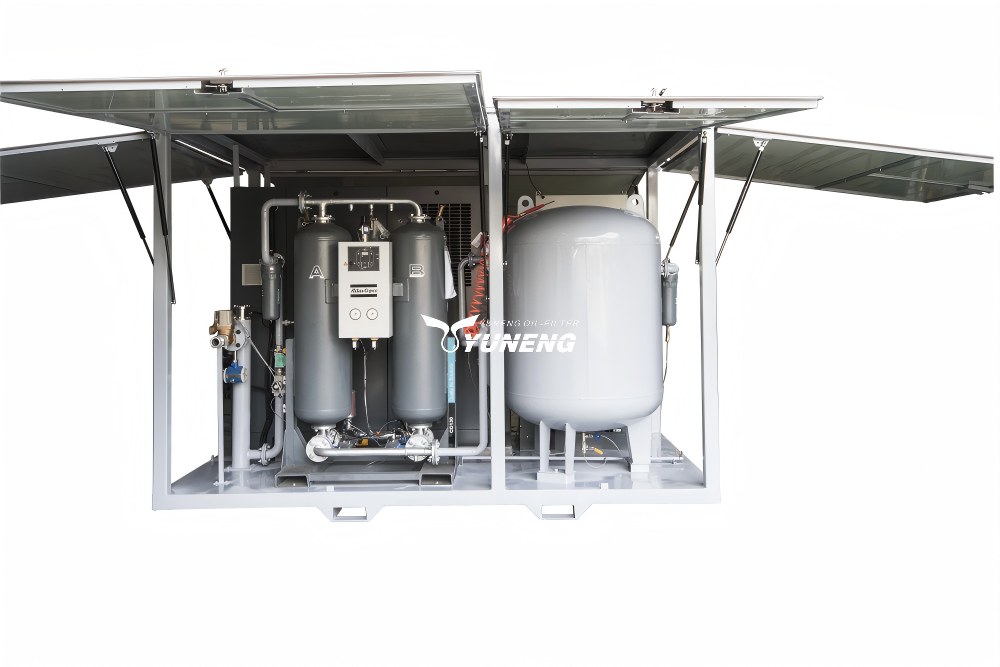
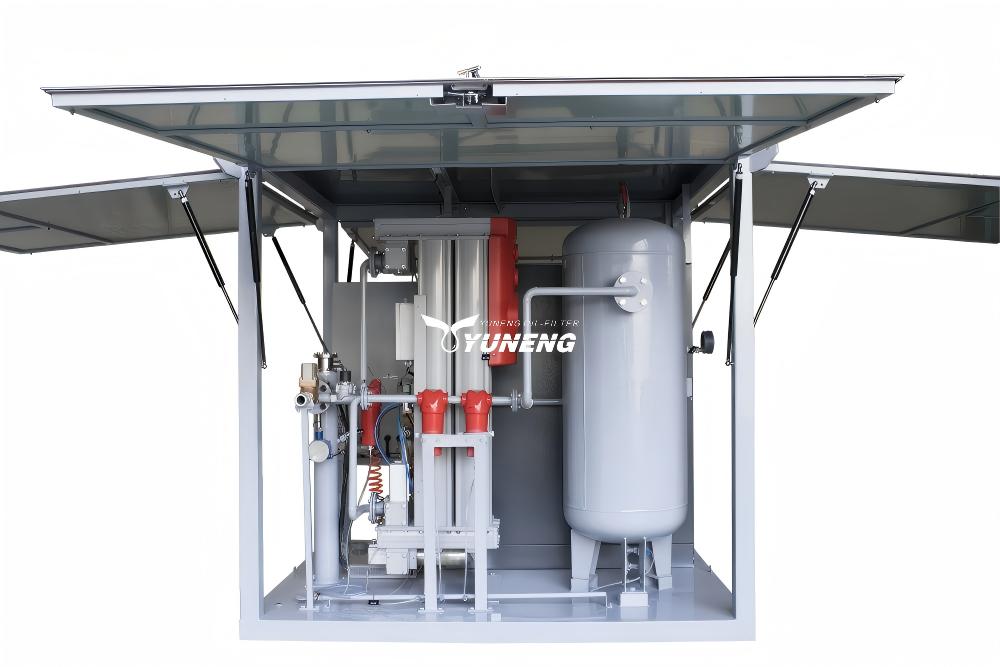
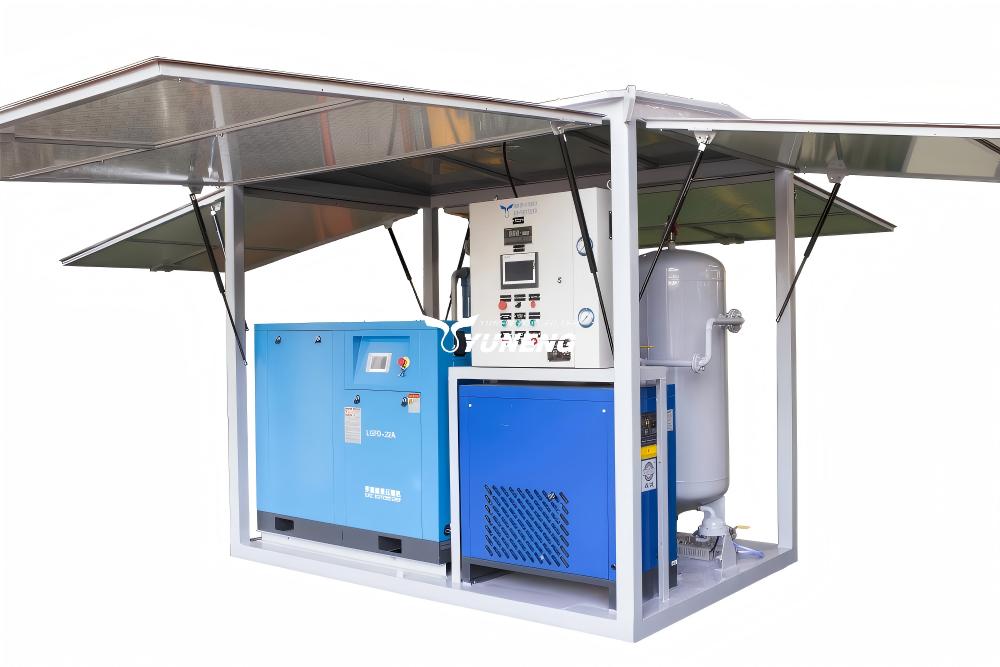
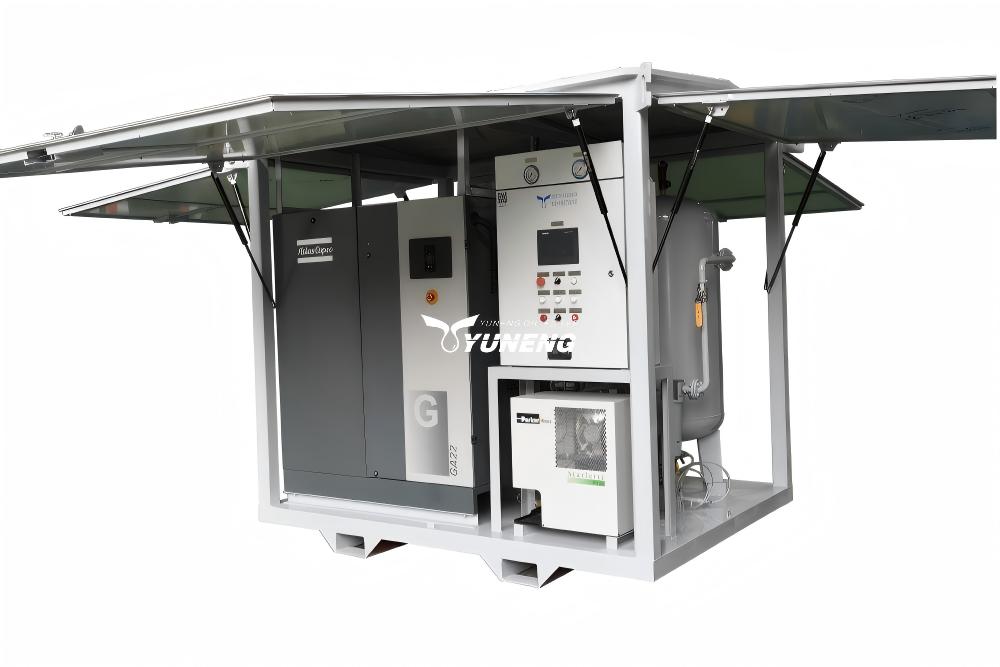
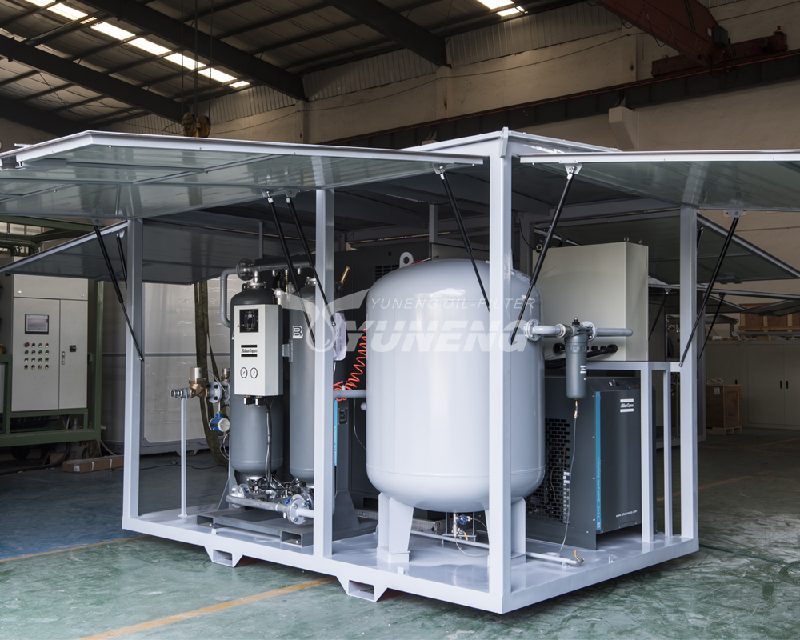
A dry air generator serves as a controlled, high-efficiency thermal delivery system. Instead of the continuous deep vacuum to isolate the heat source, the engineers inject hot atmospheric-pressure gas from a dry air generator into the tank. This gas is a heat carrier through convection. The dry air generator heats the incoming air to a carefully controlled temperature range, usually 60°C to 80°C. This heated air flows through the complex geometric spaces of the core, yoke, and high voltage windings and transfers thermal energy uniformly by forced convection. This process raises the temperature of the solid insulation internally, provides the latent heat of vaporisation needed, melts any localized ice formations, and restores the thermodynamic conditions needed for rapid desorption of moisture.
Maximizing Vapor Pressure Differential (The Ultra-Low Dew Point Advantage)
The structural migration of water molecules out of dense Kraft paper depends entirely on the vapor pressure differential between the interior of the insulation and the immediate surrounding environment. A standard dry air generator utilizes a dual-tower desiccant air dryer system containing molecular sieves or activated alumina to process atmospheric air. This process yields an output with an ultra-low outlet dew point ranging from -40°C to -70°C.
When the dew point is -70 °C, the humidity ratio of the air will be lower than 0.003 g/cubic meter, making the water vapor pressure in the injected gas close to zero. Upon injecting this extremely dry air into the transformer tank, it acts as an unsaturated thermal sponge. It rapidly absorbs the boundary-layer moisture migrating out of the insulation pores, maintaining a steep moisture concentration gradient at the paper-gas interface even when the vacuum pumping system is temporarily isolated.
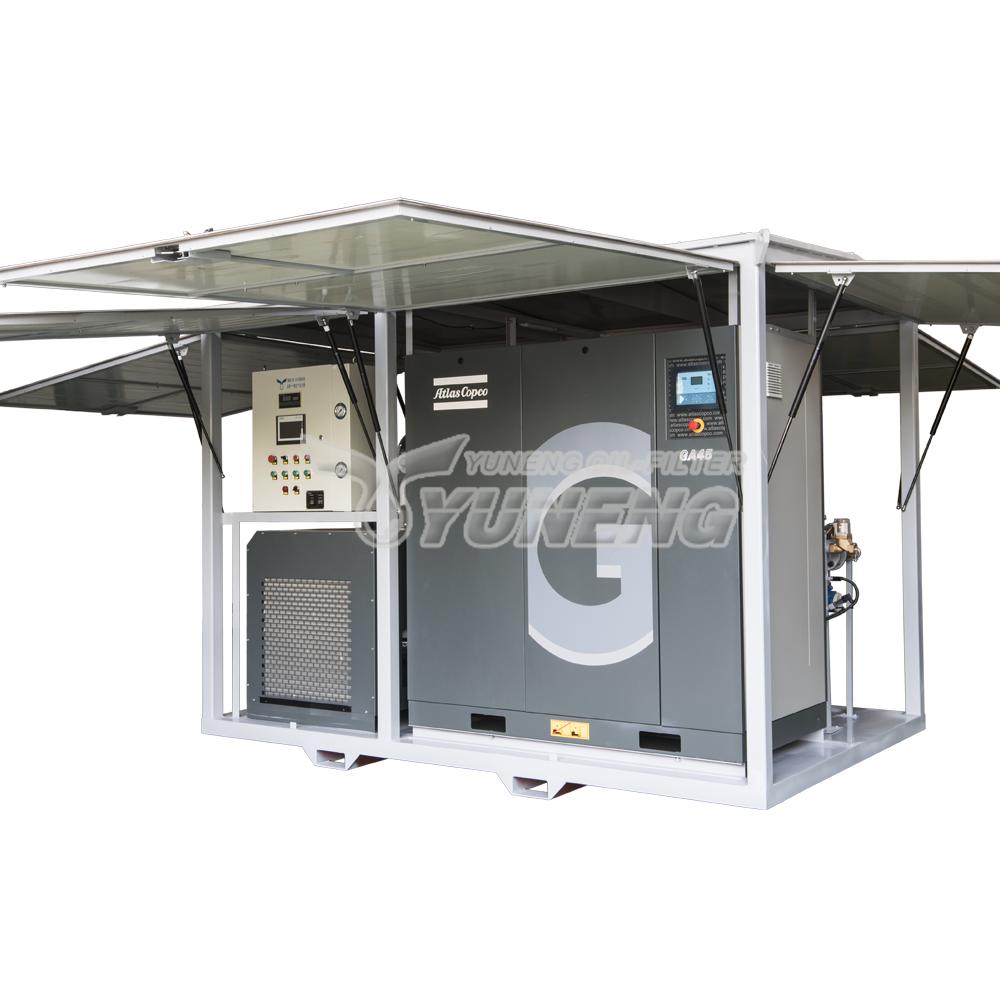
The “Breathing” Process: Optimized Cycle Framework
The modern engineering protocol does not run the dry air generator and the vacuum pumping system simultaneously at maximum capacities, as this would vent the dry air immediately. Instead, it utilizes an alternating, multi-stage “Breathing” cycle to optimize thermal distribution and mass transfer.
Stage 1: Vacuum Evacuation
The process begins with the vacuum pumping system drawing down the tank pressure to evacuate bulk air and surface moisture. This stage is maintained until the rate of temperature decline in the winding sensors indicates that the vaporization cooling rate is approaching the freezing threshold.
Stage 2: Dry Air Backfilling & Reheating
The vacuum pumping system is disconnected from the tank for a period of time. The dry air generator is connected to backfill the vessel with heated, low dew point air until the internal pressure is at atmospheric equilibrium. The hot air is circulated to homogenise the internal thermal gradient, bringing the core and winding temperatures back to the target 70°C setpoint while absorbing localised moisture pockets.
Stage 3: Deep Vacuum Holding & Extraction
The dry air generator input valve is closed, and the vacuum pumping system is re-engaged. The system rapidly evacuates the air that has been pre-saturated with moisture. Due to the high sensible heat stored in the core during Stage 2, the remaining water molecules in the deep layers of the insulation undergo rapid flashing into vapor without risk of freezing, maximizing the volume of water extracted per hour. This three-stage cycle is repeated sequentially until the internal insulation parameters stabilize.
Real-World Engineering Benefits & ROI
Implementing a dry air generator alongside a standard vacuum pumping system provides quantifiable operational advantages and return on investment for utility maintenance teams.
- Reduced Drying Time: The addition of a dry air generator decreases the entire dehydration process by 30% to 40%. The insulation overcomes the heat transfer bottleneck and spends more time at optimal vaporisation temperatures, minimising the total field deployment hours.
- Prevention of Secondary Moisture Ingress: At the end of the vacuum drying process, the transformer will finally be returned to atmospheric pressure for final testing or oil filling. If you break the hoover with ambient field air, the moisture in that air will immediately condense on the internals. A dry air generator is used to break the hoover so that only pure ultra-dry air is in contact with the insulation, and there is no secondary re-hydration.
- Confined Space Operational Safety: Personnel need to enter the transformer tank for internal inspection or core-bolt tightening sequence, and nitrogen blanketing is not feasible due to asphyxiation risk. A dry air generator provides a constant supply of breathable air with 21% standard oxygen content and a dew point below -40°C. This configuration allows for safe human access while protecting the exposed active parts from ambient humidity.
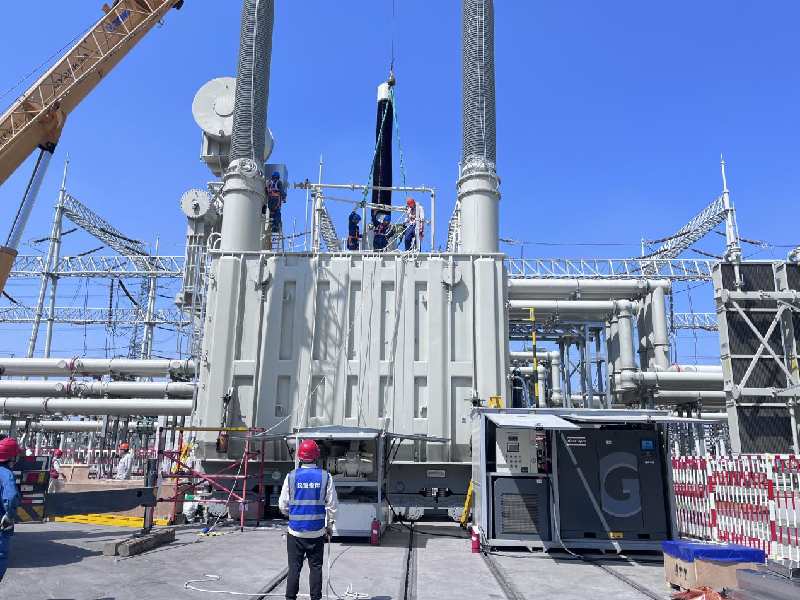
Engineering Checklist: Choosing the Right DAG Specification
To achieve these efficiencies, the selection of the dry air generator must align with the physical dimensions of the transformer asset. Field engineers must calculate and verify three primary specifications:
| Parameter | Specification Requirement | Engineering Function |
| Output Air Flow Rate | 50 to 200 m3/h (scaled to tank volume) | Ensures rapid backfilling and sufficient convective velocity to eliminate internal dead zones. |
| Minimum Outlet Dew Point | ≤−65∘C (for EHV/UHV systems) | Guarantees an absolute humidity level low enough to maintain the required vapor pressure differential. |
| Heating Capacity | 15 kW to 60 kW with PID regulation | Delivers rapid thermal recovery without overshoot risks that could degrade Kraft paper polymers. |
The dry air generator must feature an oil-free compressor design. Any oil carryover from the compressor air supply will contaminate the internal solid insulation, alter the dielectric dissipation factor (tanδ) of the transformer, and compromise the dielectric purity of the subsequent insulating oil filling.
Conclusion & Technical FAQ
The use of a dry air generator is an important technical requirement for modern transformer processing. The dry air generator is used coupled to a high-capacity vacuum pumping system to overcome the thermodynamic limits of vacuum cooling, to avoid ice formation inside the insulation, and to provide a uniform and deep dehydration of the paper insulation matrix.
Q1: Can standard industrial compressed air replace a specialized dry air generator?
A1: No. The dew point of standard industrial compressed air is usually between +3 °C and -10 °C, and it contains compressor oil aerosols in the residual. Introducing this air into a transformer that is not tanked or is evacuated will introduce litres of liquid water and chemical contaminants directly into the dry insulation structure and destroy the dielectric properties of the dry insulation.
Q2: What is the target endpoint criterion for a DAG-assisted vacuum drying process?
A2: The process is complete when the internal insulation resistance stabilizes at the specified multi-gigaohm threshold corrected for temperature, the water extraction rate drops below 10 grams per hour, and the internal tank dew point remains stable below -40°C for a continuous 4-hour isolation test without the vacuum or air systems running.