How to Know When Transformer Oil Needs Filtration: 8 Oil Test Indicators

Oil Purification & Vacuum Technology Expert
Table of Contents
Transformer oil filtration should be based on measurable oil condition, not a fixed maintenance schedule. But how do engineers know if filtration is really necessary? The answer is in the interpretation of important transformer oil test results. This article reviews 8 practical oil test indicators to know when transformer oil needs filtration & regeneration, including breakdown voltage, moisture, particle contamination, dielectric properties, interfacial tension, acidity, appearance, and dissolved gases. More importantly, it describes how to tell physical contamination that can be addressed by filtration from chemical degradation or internal transformer faults that may require regeneration, replacement, or further diagnosis.
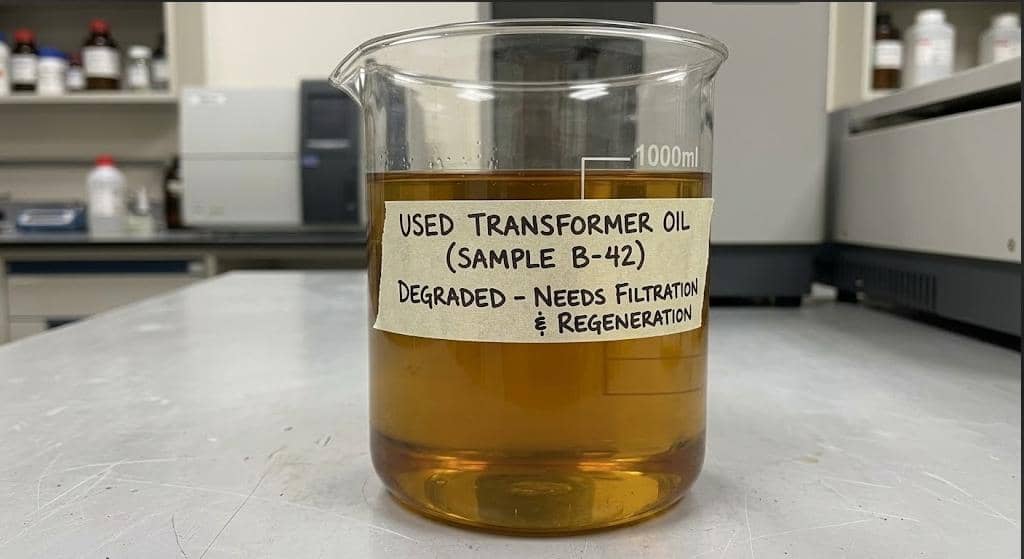
添加一张使用过的需要过滤的变压器油样品图
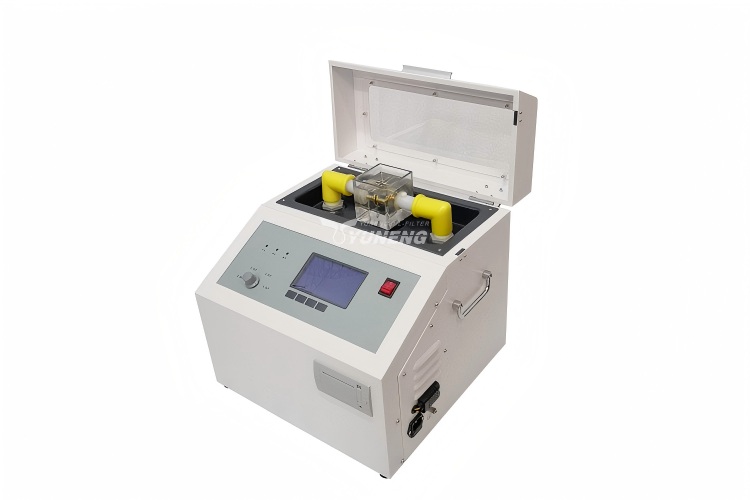
Breakdown Voltage (BDV): The First Indicator of Dielectric Deterioration
Breakdown voltage (BDV) is one of the most common tests used for assessing the electrical condition of transformer oil. It is a measure of the voltage at which an oil sample breaks down electrically under defined test conditions.
A decreasing BDV is an indication that there are contaminants present in the oil which reduce its insulating ability. Weak points can form within the oil that reduce the dielectric strength due to moisture, suspended particles, fibers, carbon deposits and other conductive contaminants.
However, a low BDV should not automatically be interpreted as a reason to filter the oil. The more useful approach is to compare BDV with other test results. For example:
| BDV Result | Possible Condition | Filtration Assessment |
| Normal and stable | Oil remains electrically suitable | Filtration may not be necessary |
| Moderately reduced | Possible moisture or particle contamination | Investigate further |
| Low BDV + high moisture | Water contamination likely | Vacuum dehydration/filtration may be appropriate |
| Low BDV + high particle count | Solid contamination likely | Fine filtration may be appropriate |
| Low BDV + high acidity and low IFT | Oil aging/degradation | Consider regeneration rather than simple filtration |
This distinction is important because BDV tells engineers that the dielectric condition has deteriorated, but it does not identify the exact cause. Therefore, BDV should be treated as a diagnostic trigger rather than a standalone filtration criterion.
For example, if BDV is low while moisture and particle contamination are also elevated, physical purification may restore the oil’s dielectric performance. If BDV is low because the oil contains significant oxidation products, filtration alone may provide only limited improvement.
Moisture Content: A Major Trigger for Transformer Oil Filtration
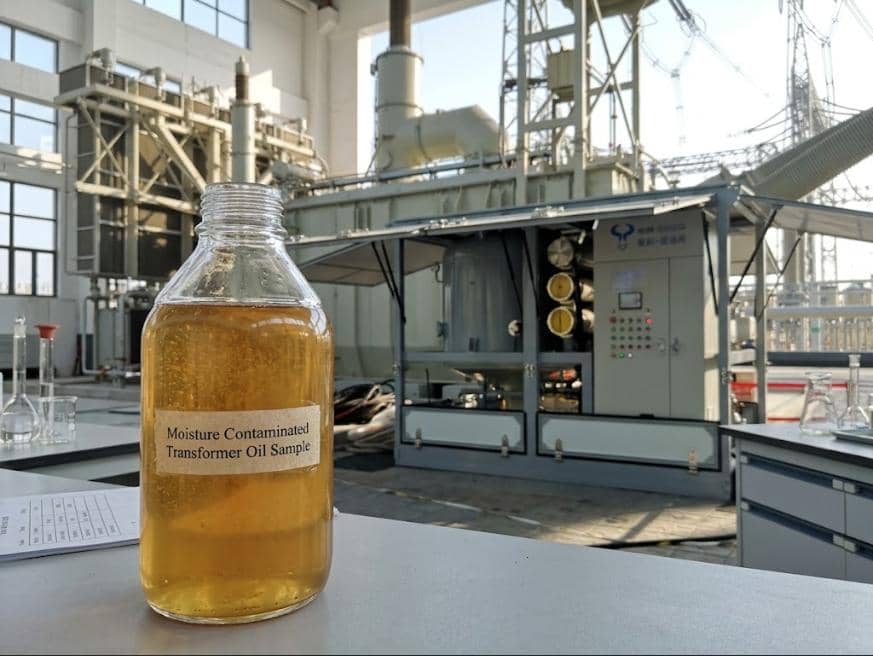
Moisture is one of the most important indicators when deciding whether transformer oil requires treatment. Water can exist in transformer oil in different forms, including dissolved moisture and free water. Even relatively small amounts of water can have a significant impact on insulation performance, particularly when transformer insulation paper is also involved.
High moisture levels can contribute to:
- Reduced breakdown voltage
- Increased dielectric losses
- Accelerated insulation aging
- Lower insulation resistance
- Increased risk of partial discharge
- Reduced reliability of transformer insulation
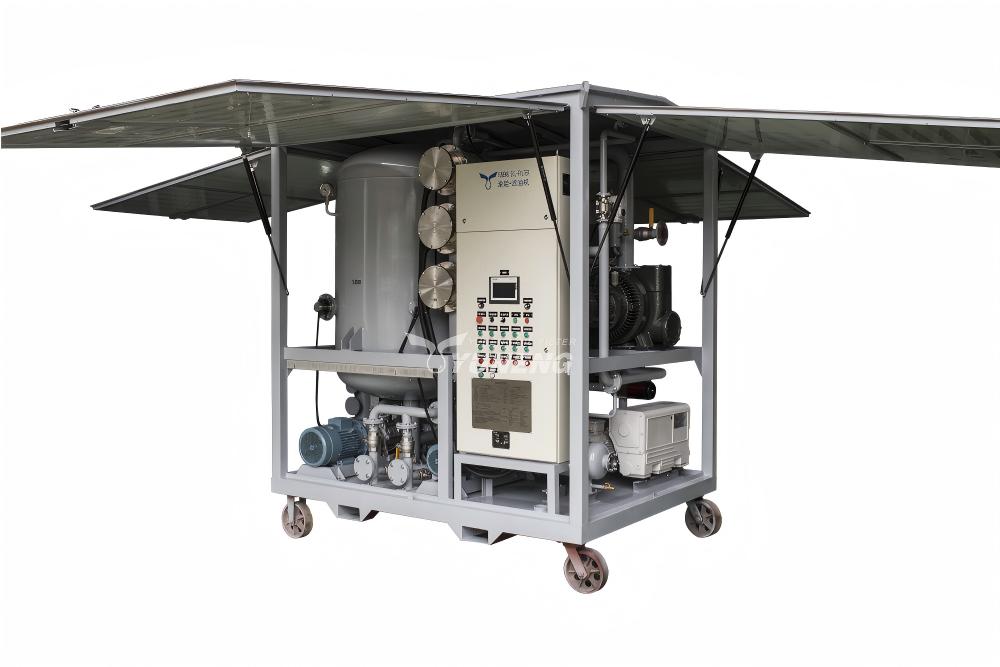
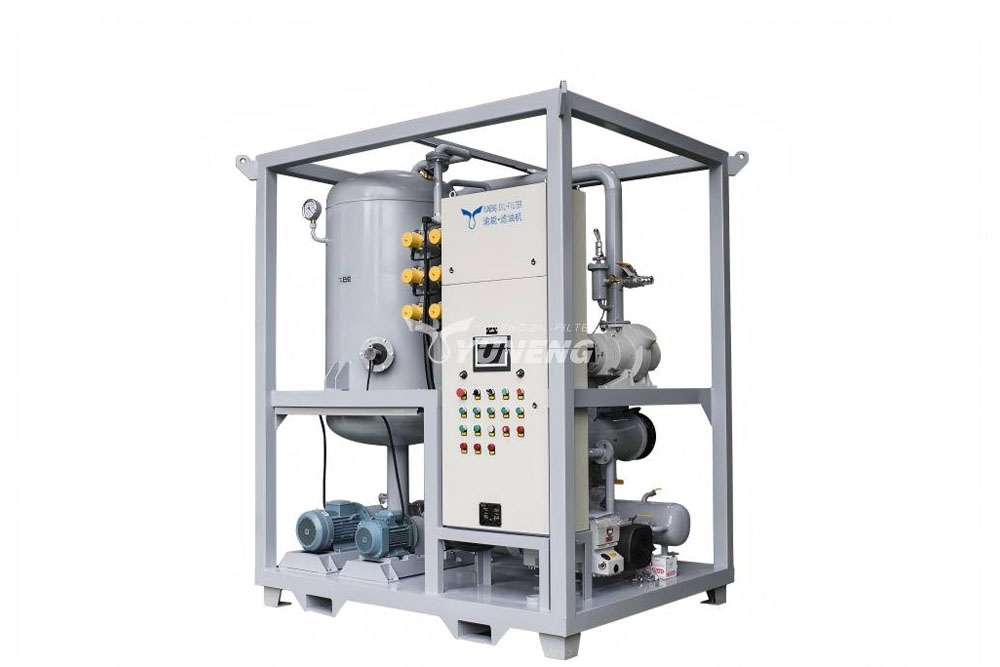
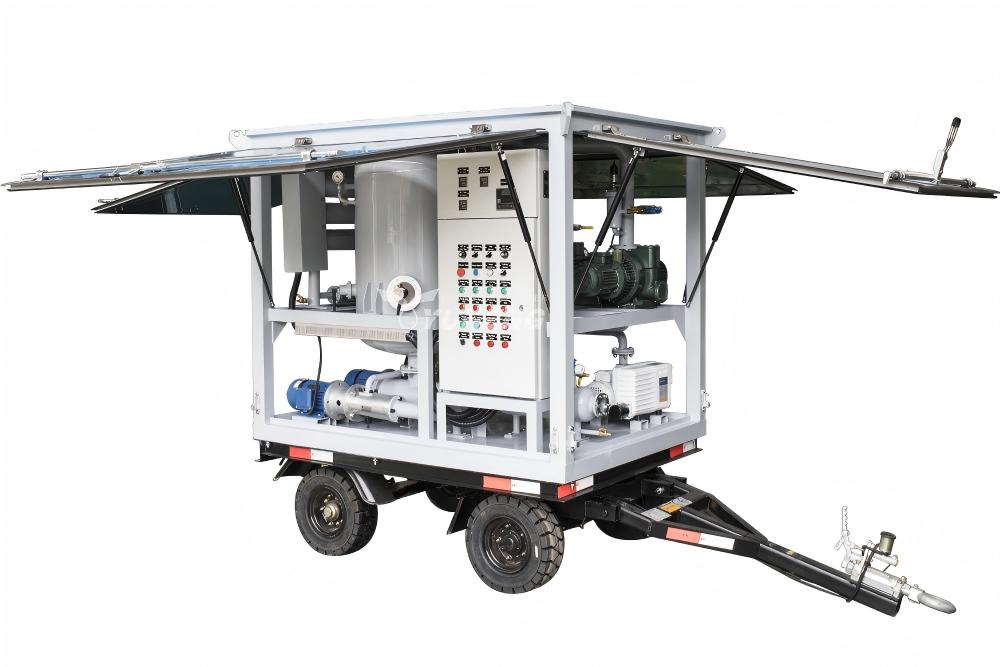
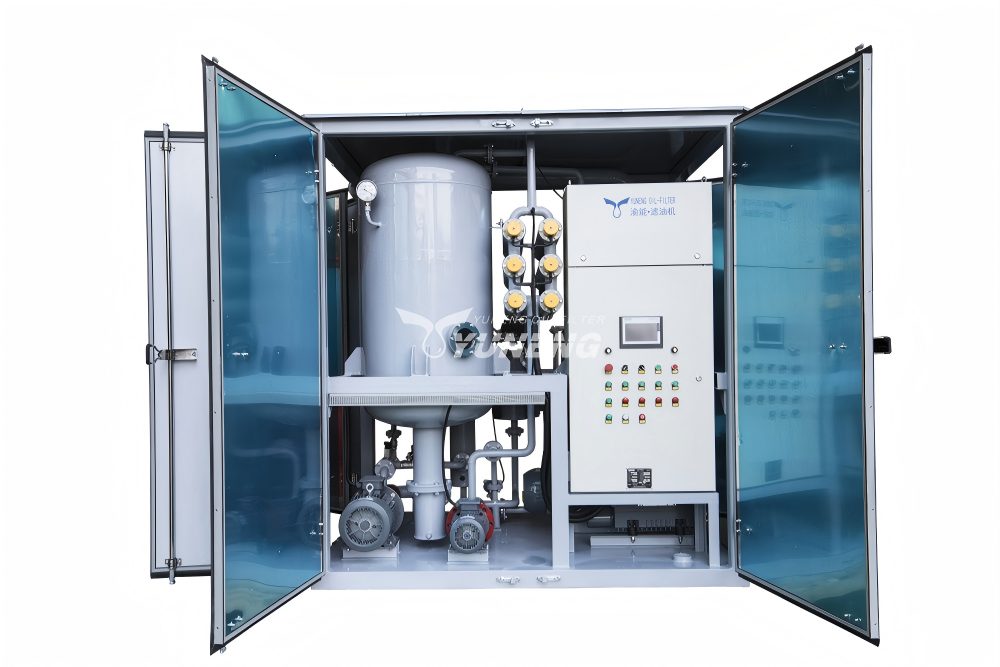
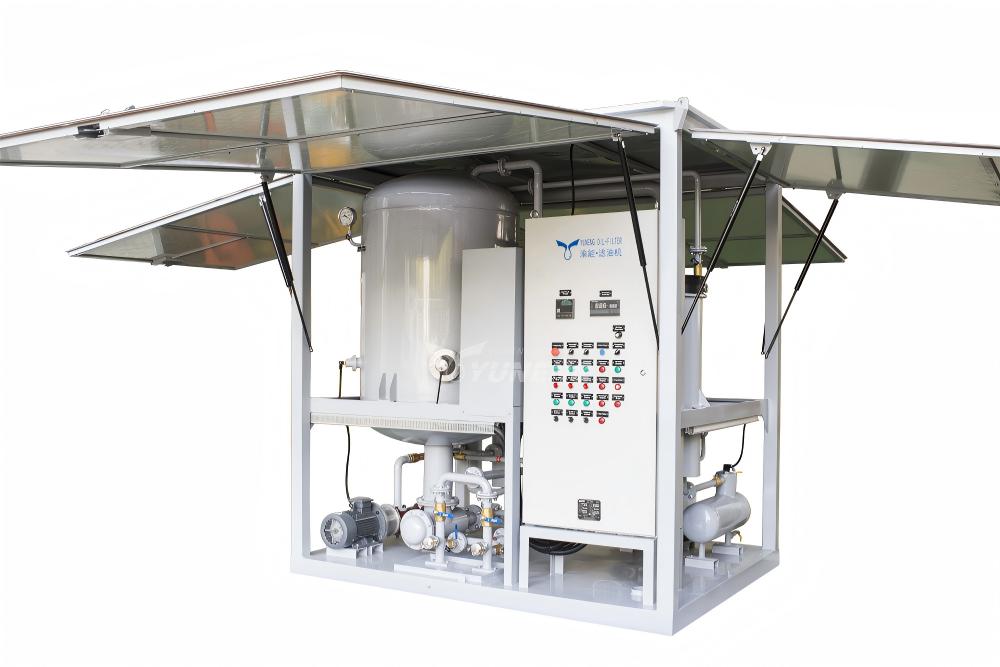
When oil testing shows elevated moisture together with a reduction in BDV, the results provide stronger evidence that moisture contamination is affecting the oil. This is where vacuum dehydration becomes particularly important. A modern transformer oil purifier can combine heating, vacuum dehydration, degassing, and fine filtration to remove water and other physical contaminants during one treatment cycle.
However, moisture results should always be interpreted in context. Oil temperature, transformer design, insulation condition, operating history, and the applicable oil-quality requirements can all affect the significance of a measured moisture value. A practical diagnostic pattern is:
High moisture + low BDV + acceptable oil chemistry → filtration/dehydration may be an appropriate treatment.
This is different from simply asking whether “the oil needs purification.” The purpose here is to identify whether moisture contamination provides a technically justified reason for filtration and dehydration.
Particle Count and Solid Contamination: When Mechanical Filtration Is Needed
Particle contamination is one of the clearest reasons to consider mechanical filtration. Transformer oil can accumulate solid contaminants from several sources, including:
- Cellulose fibers from insulation materials
- Metal wear particles
- Carbon particles
- Dust and environmental contamination
- Sludge particles
- Manufacturing residues
- Particles introduced during maintenance
These contaminants can affect oil cleanliness and may also interfere with the dielectric performance of the insulation system. Unlike chemical aging products, many solid contaminants can be physically removed through properly designed filtration.
This makes particle contamination particularly relevant when evaluating a transformer oil filtration system. A useful diagnostic relationship is:
Higher particle contamination → poorer oil cleanliness → greater need for precision filtration.
The filtration strategy should be matched to the contamination level. Coarse filtration can remove larger particles, while finer filter stages can capture smaller contaminants. Multi-stage filtration is often used when the oil contains a broad range of particle sizes. Filter micron rating is therefore an important engineering parameter. A smaller micron rating is not automatically better in every application. Extremely fine filtration can increase pressure drop and place greater demands on filter elements and the oil circulation system.
The objective should be to achieve the required oil cleanliness while maintaining stable flow and reliable equipment operation. This is one reason why transformer oil filtration should be based on test data and contamination characteristics, rather than selecting a filter solely according to its nominal micron rating.
Dielectric Dissipation Factor and Resistivity: Detecting Hidden Oil Contamination
BDV provides important information about dielectric strength, but it does not describe every aspect of transformer oil’s electrical condition. Dielectric dissipation factor, often expressed as tan delta, and volume resistivity can provide additional information about contamination and oil degradation.
1. Dielectric Dissipation Factor
An increasing dielectric dissipation factor may indicate the presence of polar contaminants, moisture, oxidation products, or other substances that increase dielectric losses.
If tan delta is elevated together with high moisture or particle contamination, physical treatment may help improve the oil’s electrical characteristics. However, if tan delta is elevated together with clear signs of chemical aging, filtration may not be sufficient.
2. Volume Resistivity
Oil with good insulating properties generally has high electrical resistivity. A decrease in resistivity can indicate the presence of moisture, ionic contamination, or other electrically active substances. These two tests are particularly useful when BDV alone does not provide enough information.
In practical oil condition assessment:
BDV evaluates dielectric breakdown strength, while dielectric loss and resistivity provide additional evidence about the oil’s electrical cleanliness and contamination state.
Therefore, when multiple electrical indicators deteriorate at the same time, engineers can make a more reliable decision about whether physical filtration and dehydration are likely to improve oil performance.
Interfacial Tension (IFT) and TAN: Knowing When Filtration Is No Longer Enough
Interfacial tension (IFT) and total acid number (TAN) are particularly useful because they help distinguish physical contamination from chemical oil degradation.
1. Interfacial Tension
IFT measures the interaction between transformer oil and water under standardized conditions. A significant decline in IFT can indicate the accumulation of polar degradation products caused by oil oxidation. As transformer oil ages, oxidation products can gradually accumulate. These products may contribute to sludge and deposits and can negatively affect the insulation system.
2. Total Acid Number
TAN indicates the amount of acidic substances present in the oil. Increasing acidity is generally associated with oil oxidation and aging. This distinction is critical for filtration decisions.
A conventional fine filtration system is primarily designed to remove physical contaminants such as particles and fibers. It is not intended to completely reverse chemical oxidation. For example:
High particle count + normal TAN → mechanical filtration may be appropriate.
But:
High TAN + low IFT + oxidation products → regeneration should be evaluated.
If severe oxidation and sludge formation have occurred, oil regeneration or replacement may be more appropriate than relying on conventional filtration alone. This is one of the most important boundaries in transformer oil maintenance: filtration removes contaminants; it does not automatically restore chemically aged oil to new-oil condition.
Oil Color and Appearance: A Fast Screening Indicator
Visual inspection is a simple but useful first-level screening method. Transformer oil that was originally clear and bright may become darker, cloudy, or visibly contaminated as its condition changes.
Common visual observations include:
- Cloudy appearance: may indicate moisture or suspended contamination
- Visible particles: may indicate solid contamination
- Darkening: may indicate oxidation or aging
- Sediment: may indicate advanced contamination or sludge formation
- Unusual deposits: may require further investigation
However, appearance should never be used as the sole basis for deciding whether transformer oil requires filtration. Two oil samples can have similar colors while having significantly different moisture, BDV, particle, or acidity results. Therefore, visual inspection is best used as a screening indicator that determines whether further laboratory testing is necessary.
A practical sequence is:
Visual inspection → laboratory testing → contamination identification → treatment decision.
This approach prevents unnecessary filtration based only on the appearance of the oil.
Dissolved Gas Analysis (DGA): When Filtration Is Not the First Response
Dissolved Gas Analysis (DGA) requires special consideration because abnormal gas concentrations may indicate a problem inside the transformer rather than simple oil contamination.
Common gases evaluated through DGA include:
- Hydrogen (H₂)
- Methane (CH₄)
- Ethane (C₂H₆)
- Ethylene (C₂H₄)
- Acetylene (C₂H₂)
- Carbon monoxide (CO)
- Carbon dioxide (CO₂)
The pattern and concentration of these gases can provide information about possible thermal faults, electrical discharges, arcing, or paper insulation degradation. This leads to an important maintenance principle:
Abnormal DGA results should not automatically trigger transformer oil filtration.
For example, if DGA indicates a potential internal electrical fault, filtering the oil may improve oil cleanliness but will not correct the underlying transformer problem. In this situation, engineers should investigate the source of gas generation and evaluate the transformer’s operating and insulation condition. Filtration may still be performed as part of an overall maintenance program, but it should not replace fault diagnosis.
This makes DGA different from particle count or moisture testing. Particle and moisture results can directly indicate physical contaminants that a filtration system is designed to remove, while abnormal DGA may point toward a source problem within the transformer itself.
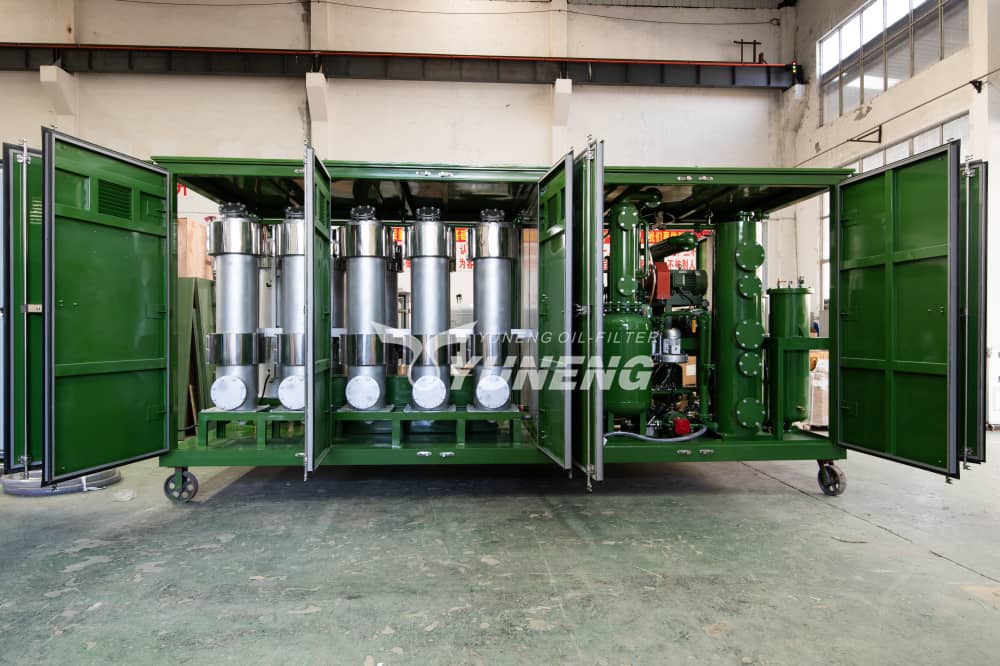
How to Combine the 8 Indicators to Decide Whether Transformer Oil Needs Filtration
The most reliable filtration decision comes from evaluating several test results together rather than relying on one abnormal number. A practical decision matrix can help:
| Test Pattern | Likely Condition | Is Filtration Appropriate? | Recommended Direction |
| Low BDV + High Moisture | Water contamination | Yes | Oil Filtration – Vacuum dehydration |
| Low BDV + High Particle Count | Solid contamination | Yes | Oil Filtration – Precision filtration |
| High Moisture + Normal TAN | Moisture contamination | Yes | Oil Filtration – Vacuum dehydration |
| High Particle Count + Acceptable Chemistry | Solid contamination | Yes | Oil Filtration – Fine / multi-stage filtration |
| High Tan Delta | Oil aging / polar degradation products | No | Oil Regeneration |
| High TAN + Low IFT | Advanced oil aging / acidic degradation products | No | Oil Regeneration |
| Dark Oil + Sludge + High TAN | Advanced oxidation / severe oil aging | No | Oil Regeneration or Oil Replacement |
| High Tan Delta + High Moisture | Oil aging + moisture contamination | Partially | Oil Regeneration + Oil Filtration (dehydration) |
| Abnormal DGA | Possible internal fault | Not as the first response | Fault Investigation |
A Practical Filtration Decision Process
Step 1: Test the oil
Obtain representative samples and evaluate the relevant physical, electrical, and chemical indicators.
Step 2: Identify the dominant contamination
Determine whether the primary problem is moisture, solid particles, dissolved gases, oxidation products, or a combination.
Step 3: Separate physical contamination from chemical degradation
If the main problem is moisture or particles and the oil chemistry remains acceptable, filtration is more likely to provide a meaningful improvement.
Step 4: Select the appropriate treatment
Use vacuum dehydration and precision filtration for moisture and particulate contamination. If significant oxidation and chemical degradation are present, evaluate regeneration or replacement instead.
Step 5: Retest the oil
After treatment, repeat the relevant tests to confirm whether the desired improvement has been achieved.
This final step is essential. A filtration process should not be considered successful simply because the equipment has completed a circulation cycle. The treated oil should demonstrate measurable improvement against the applicable quality requirements.
Transformer Oil Filtration or Regeneration: Which Treatment Does the Test Result Support?
The key distinction is the type of contamination.
Filtration is generally suitable when:
- Moisture is elevated
- Particle contamination is high
- BDV has declined because of physical contamination
- The oil’s chemical condition remains acceptable
- The main problem is cleanliness rather than oxidation
Regeneration may be more appropriate when:
- TAN has increased significantly
- IFT has declined substantially
- Oxidation products have accumulated
- Sludge or varnish is developing
- The oil has experienced significant chemical aging
Replacement may need to be considered when:
- Oil degradation is severe
- Contamination cannot be economically removed
- The oil repeatedly fails required quality tests
- Regeneration cannot provide the required condition
The important point is that “needs treatment” and “needs filtration” are not always the same conclusion.
FAQs
Q1. Which oil test is the best indicator that transformer oil needs filtration?
Moisture content and particle contamination are among the most direct indicators. Low BDV combined with high moisture or particle levels provides stronger evidence that filtration and vacuum dehydration may be appropriate.
Q2. Does low transformer oil BDV always mean the oil needs filtration?
No. Low BDV can result from moisture, particles, or other degradation. It should be evaluated together with moisture, particle count, TAN, IFT, and other oil test results before selecting a treatment.
Q3. Can transformer oil filtration remove oxidation products and acidity?
Conventional filtration mainly removes physical contaminants such as particles and fibers. High TAN, low IFT, and significant oxidation products generally indicate chemical aging that may require oil regeneration rather than filtration alone.
Q4. How can multiple oil test results be used to decide whether filtration is necessary?
Look for consistent patterns. For example, low BDV + high moisture + acceptable TAN suggests physical contamination suitable for filtration, while high TAN + low IFT + sludge points toward chemical degradation and possible regeneration.
Q5. How do you verify that transformer oil filtration has been successful?
Retest the treated oil and compare BDV, moisture, particle contamination, and other relevant parameters with pre-treatment results and applicable quality requirements. Filtration should be considered successful only when measurable oil-quality improvement is confirmed.